Acknowledgements
There are are many people who have generously donated information, pictures and artifacts that I would like to thank. I have acknowledged those people in specific sections of this virtual museum where they helped to enrich this project.
Below are people who have assisted me with artifacts, research, editing, photographs, videos and providing feedback with this project.
Special Thanks to:
Roy Akins
Konrad Gunzel
Arnold Kay
Joop de Lange
Ludovic Louis
Zander Wilson
Roger Chabot
Sources
1st Canadian Parachute Battalion War Diary.
Goddard, L. (Producer), & Kent, P. (Writer). (n.d.). Victory from Above (Television series). Don Mills, Ontario: Global Television Network.
John A. Willes, Out of the Clouds: The History of the 1st Canadian Parachute Battalion, 1995.
Joyce, K.H. (2007). Into the Maelstrom: The history, uniforms and insignia and personal equipment of the 1st Canadian Parachute Battalion and associated units, 1942-1945. Ottawa, Ont: Service Publications.
Library and Archives Canada.
Music
Moonlight Serenade by Glenn Miller and his Orchestra 1939.
The Last Post.
Equipment
Select any image to zoom in:
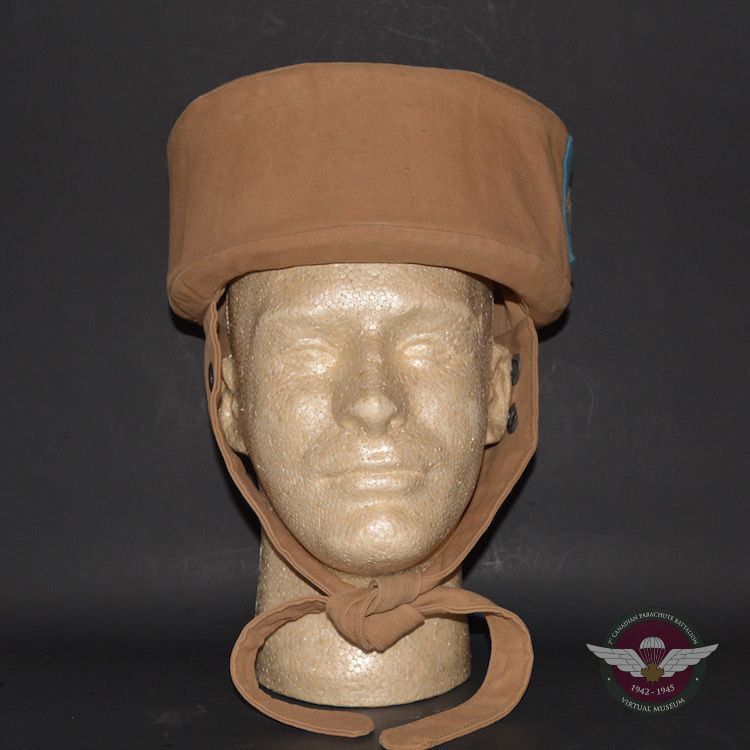
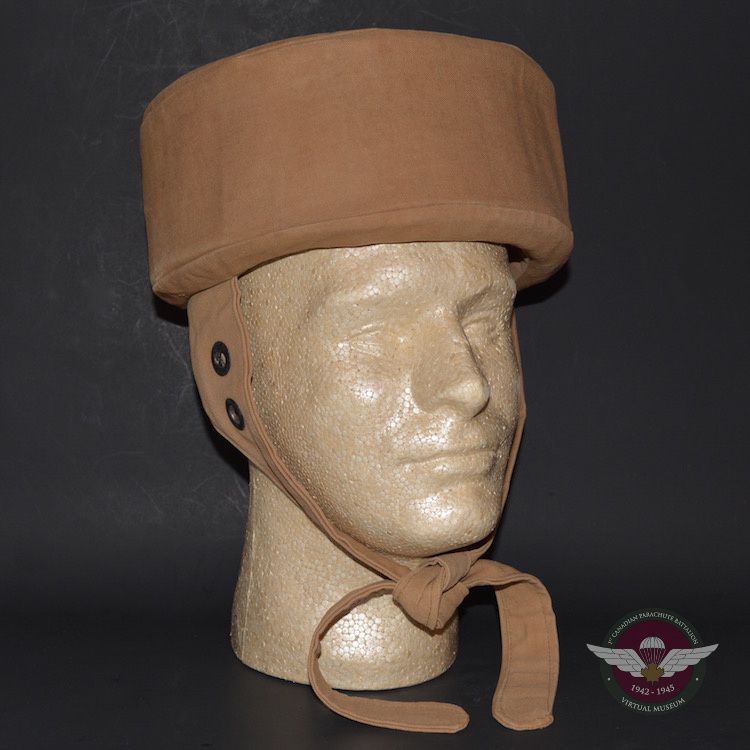
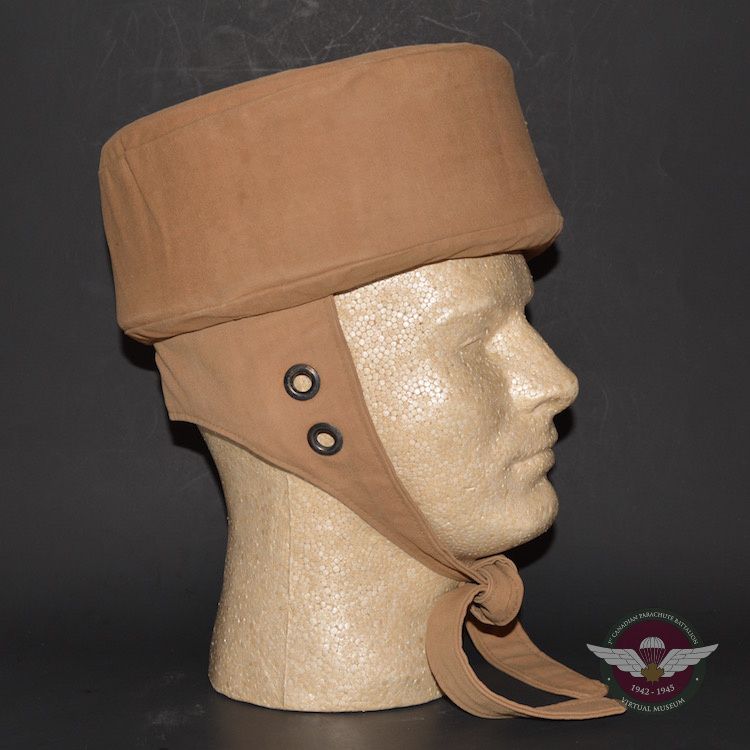
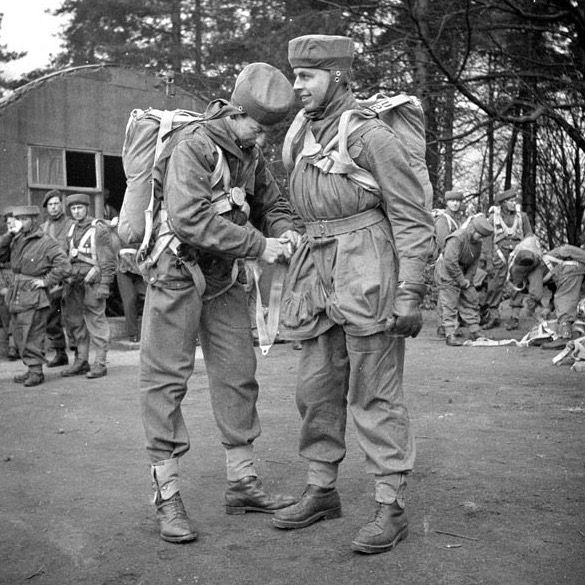
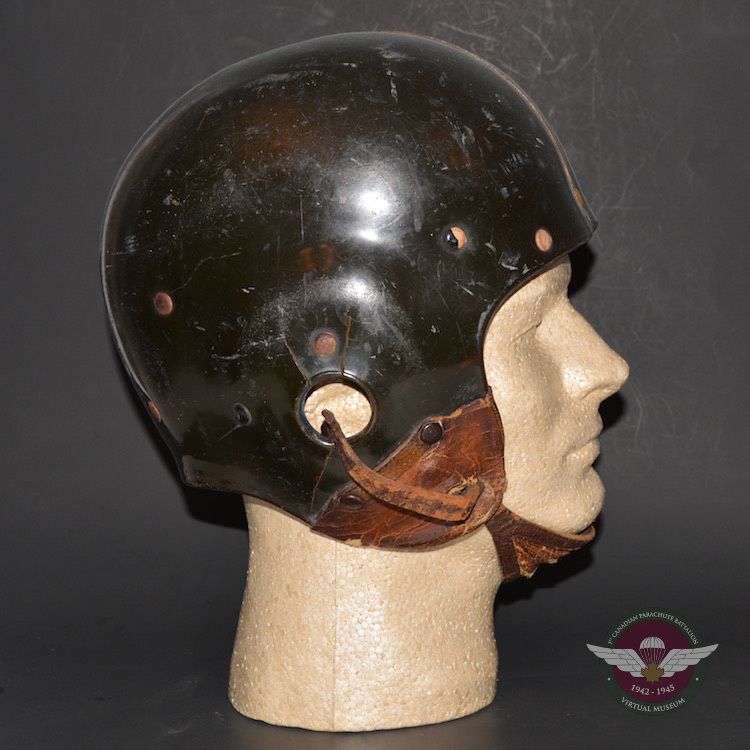
Paratrooper Training Helmet
This Paratrooper training helmet was used at Ringway, U.K by the students who attended the parachute school. You will often hear this helmet referred to as a bungee helmet. There were a few variations produced, all being constructed of a light canvas material wrapped around a sponge liner.
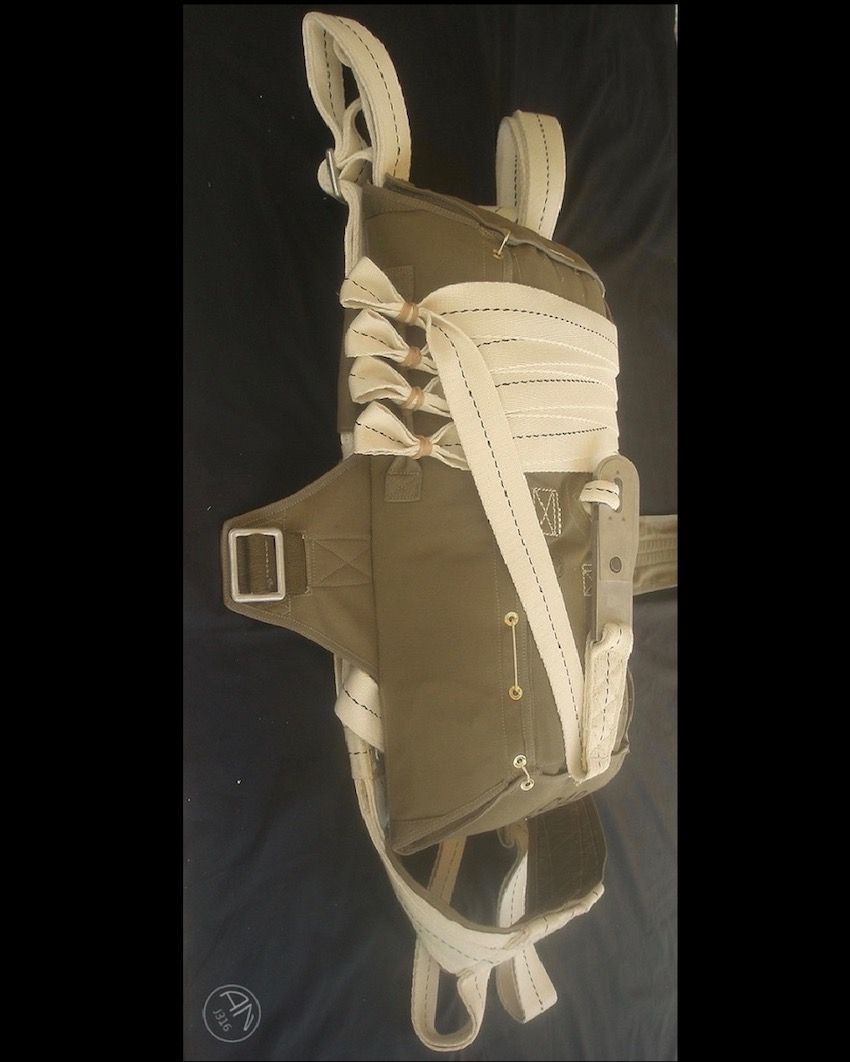
British X-Type Parachute
The British X-type troop parachute was a highly successful design resulting from the cooperation of two competing firms, GQ and Irvin Air Chutes. Adopted late in 1940 as the MkI (15A/475), it continued in service with several modifications through the end of the war. Unlike US parachutes, the X-type did not have a reserve parachute but instead was provided with an internal deployment bag. The original MkI pattern is identified by the external static line stowage under two vertical pockets and bungee loops for suspension lines hidden inside the deployment bag. Although slowly phased out by the MkII beginning in 1944, the original MkI continued in use throughout the war. Ideal for 1940 through Normandy.
Photographs and information courtesy of Joshua DeJong, from The Rigger Depot.
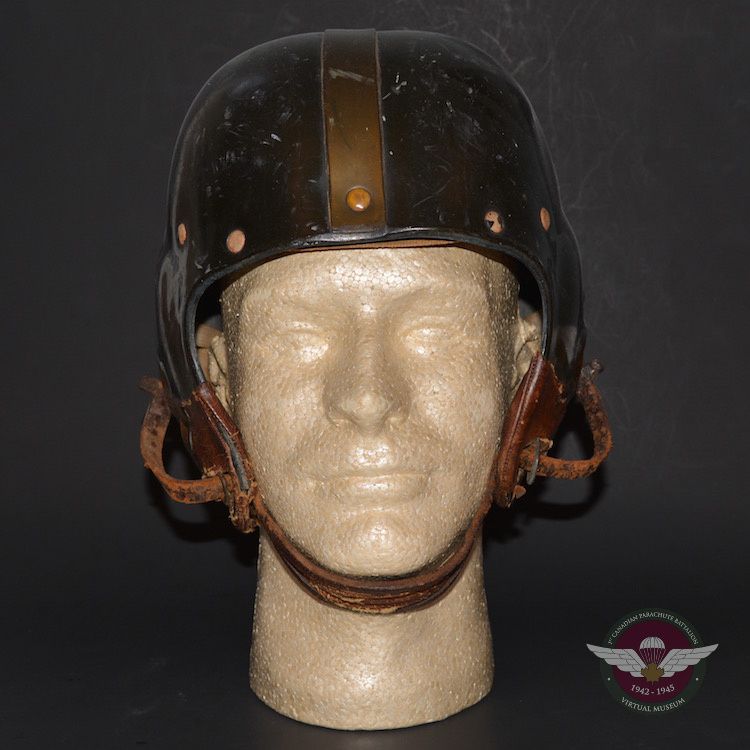
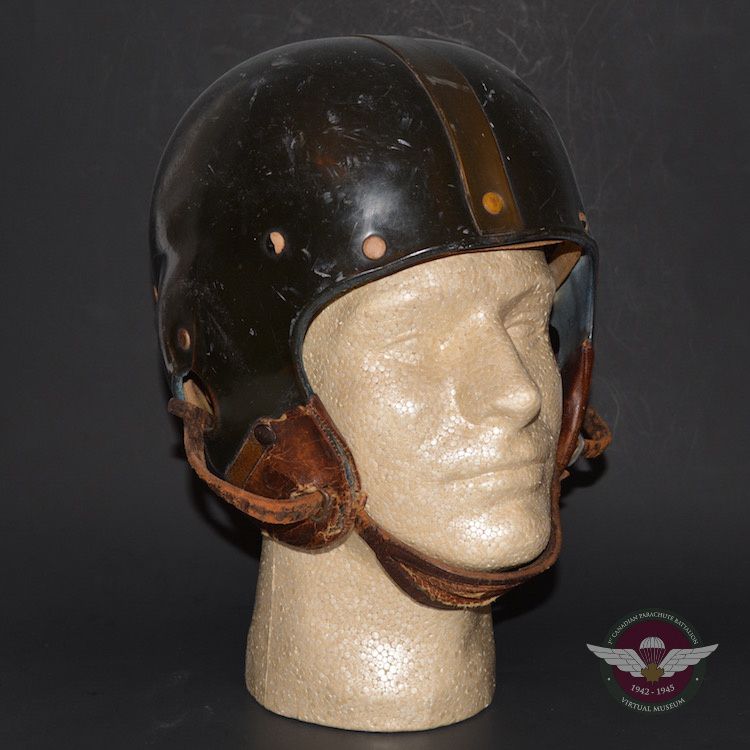
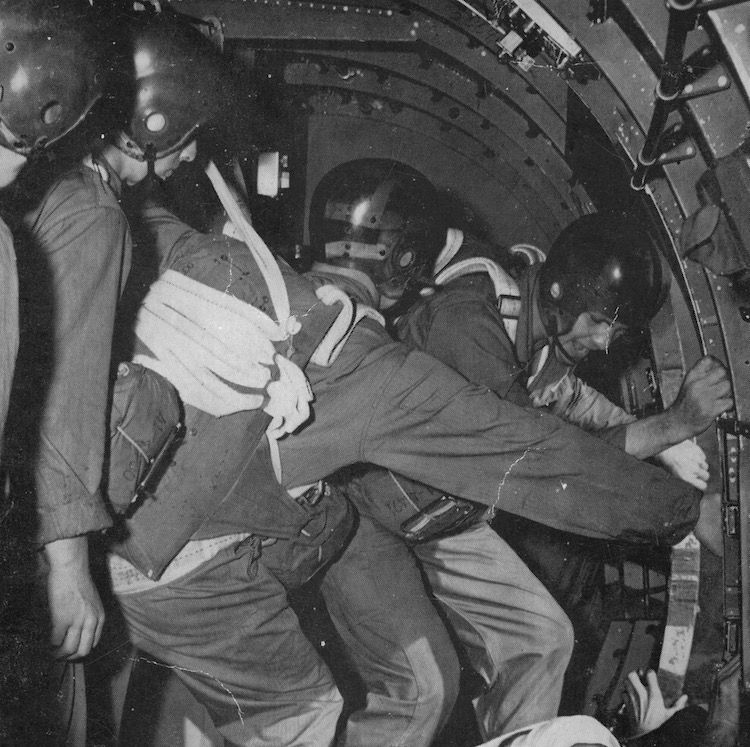
Riddell Paratrooper Training Helmet
This Riddell football helmet was standard issue to students attending Fort Benning, Georgia for paratrooper training. Canada adopted the same helmet to be used at Shilo, Manitoba when the school was opened in 1943.
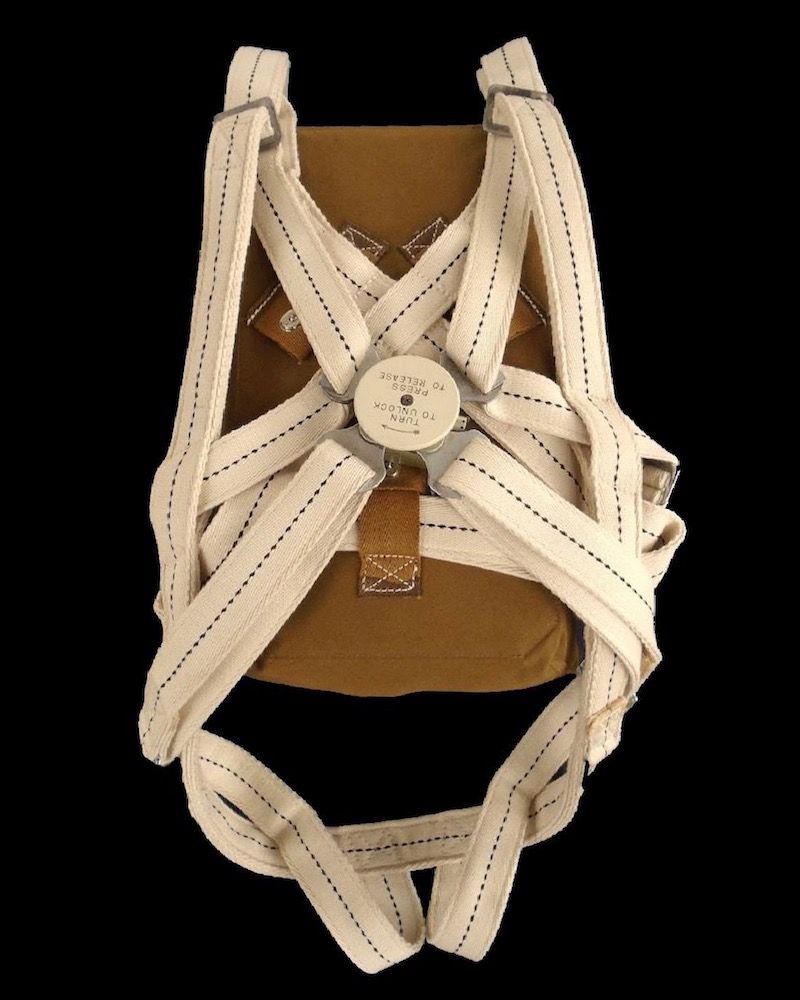
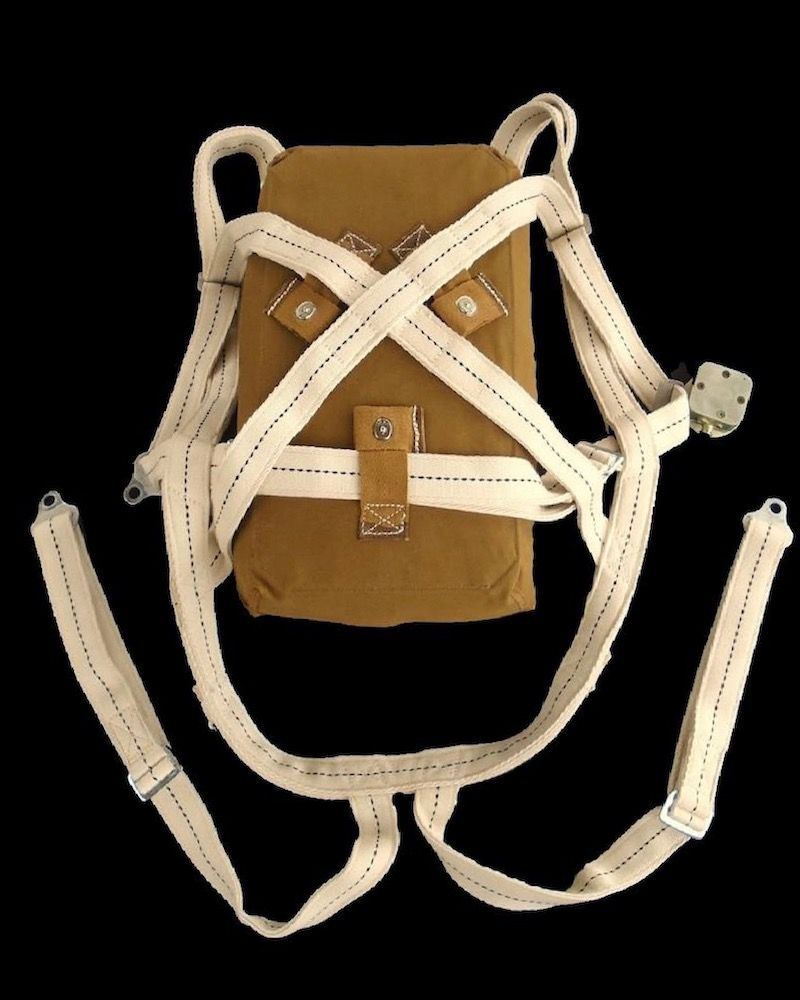
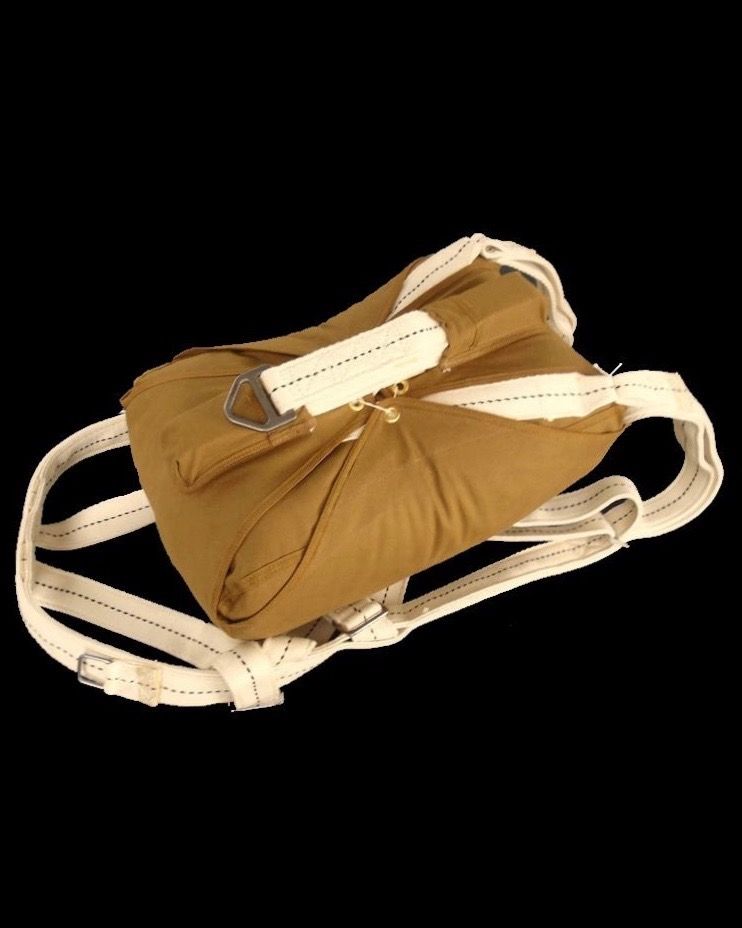
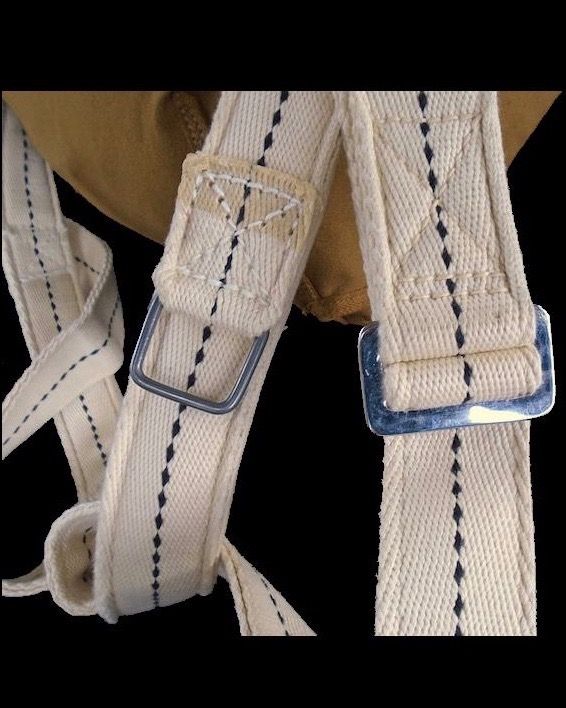
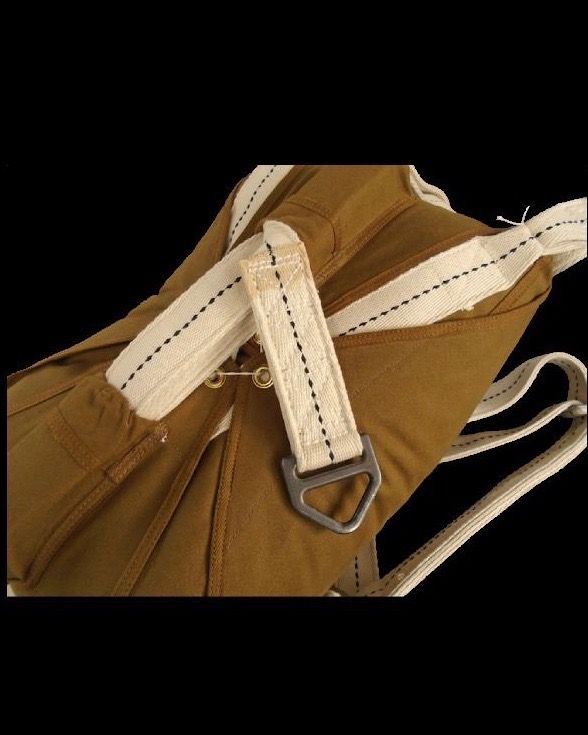
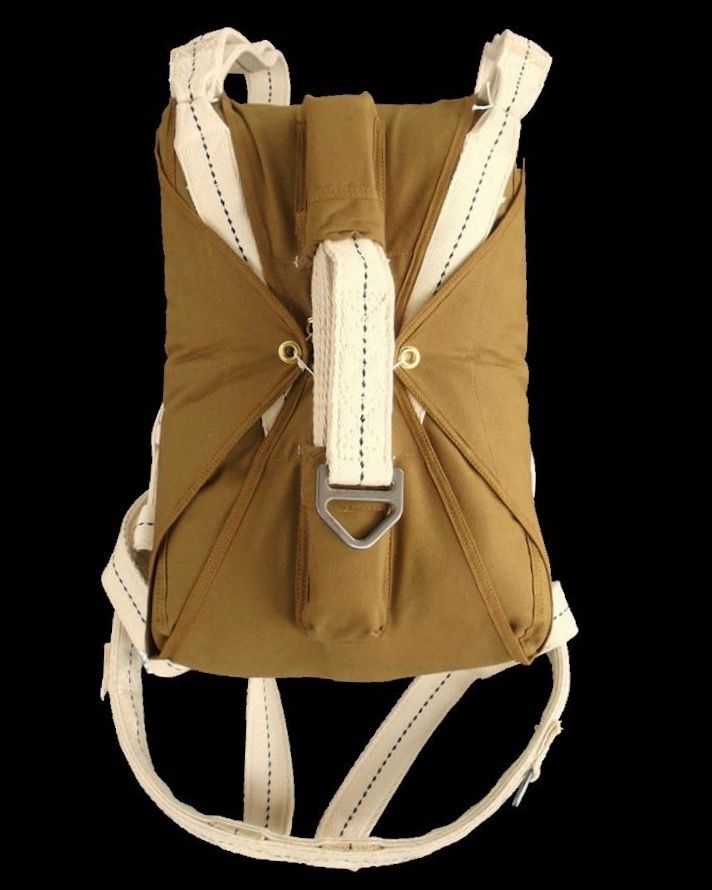
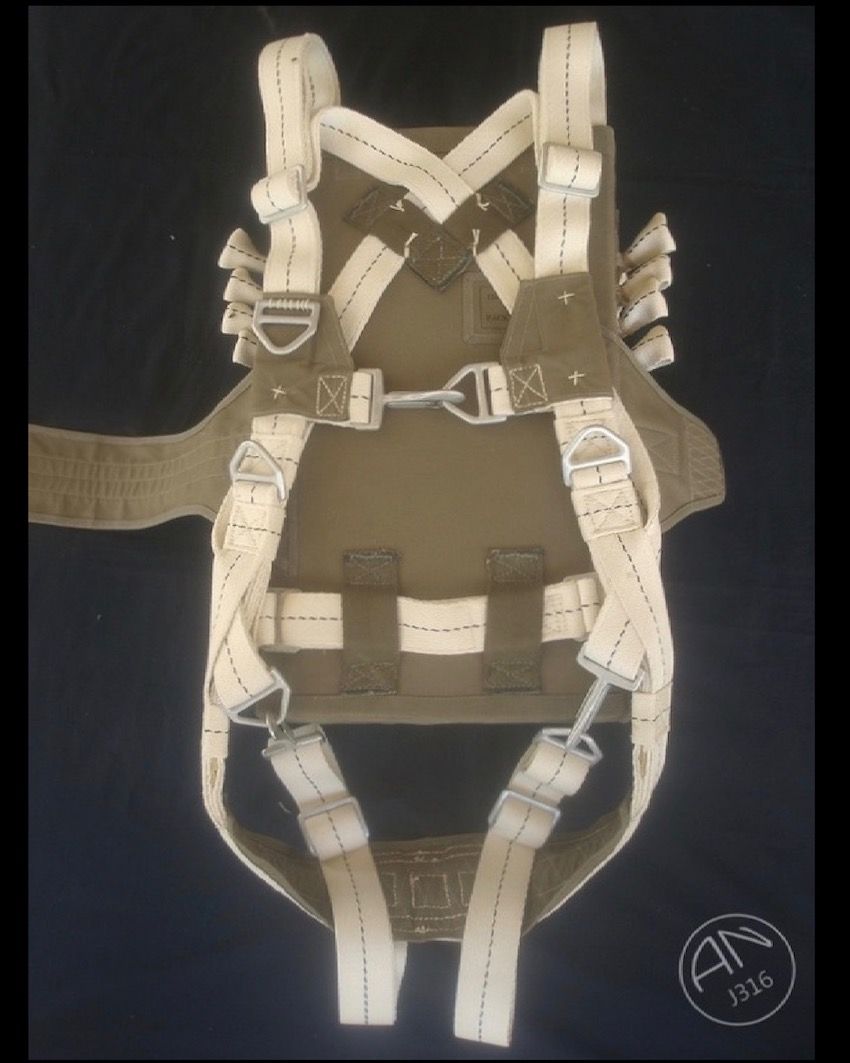
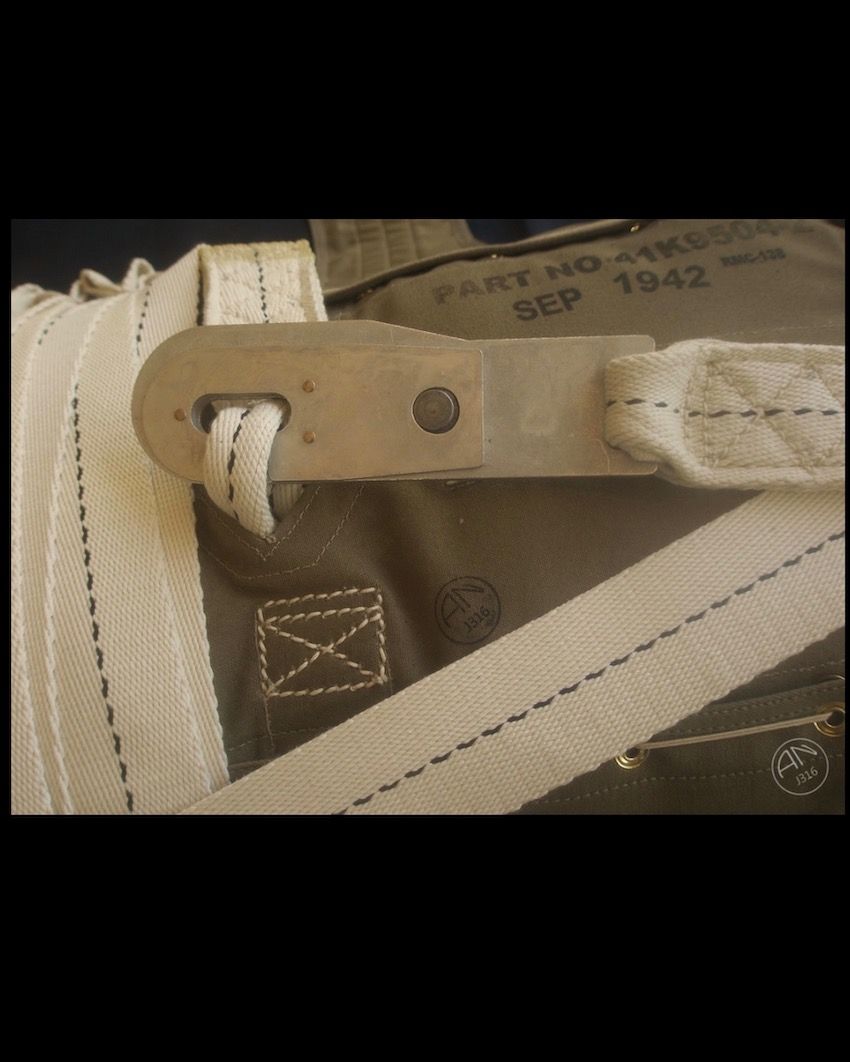
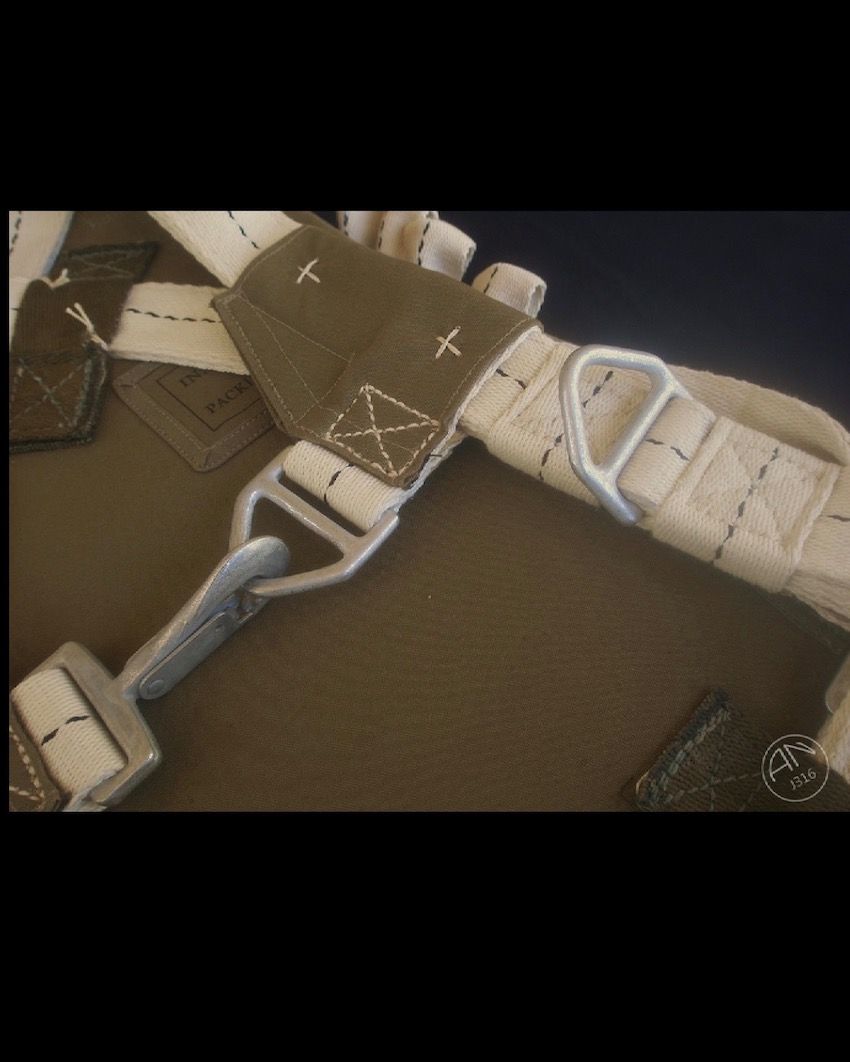
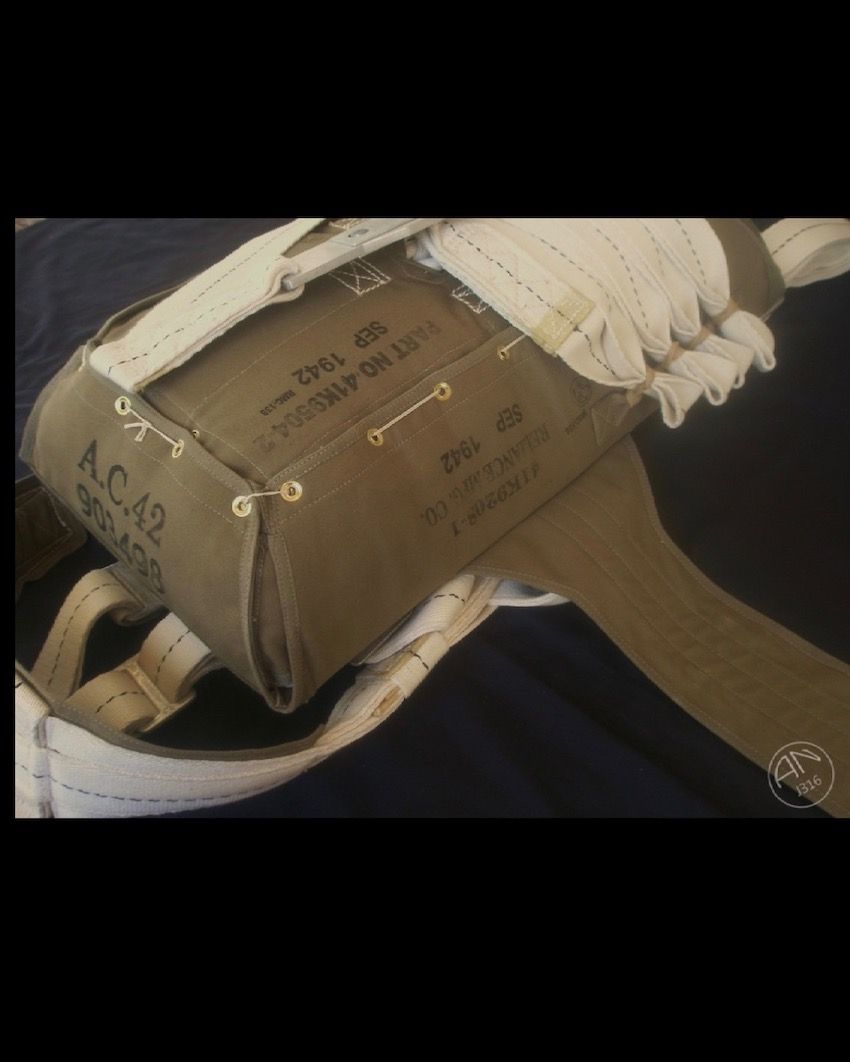
T-5 Parachute
The T-5 parachute was standardized in June 1941, many of these first pattern chutes were used in all theatres of action. They saw extensive use in training at Fort Benning, Georgia, USA and later at Shilo, Manitoba, Canada. The white T-5 remained standard throughout the war. The first pattern harnesses were equipped with cadmium-plated hardware and 2,500-pound V-rings for reserve attachment. By 1943 white harnesses were manufactured with the larger 5,000-pound D-rings, but this was short-lived as the camouflaged units were introduced in the 2nd quarter 1943. The simple snap hook with the locking pin was common on the initial rigs, but by early 1942 they were replaced by the large sliding gate "humpback" fastener.
Photographs and information courtesy of Joshua DeJong, from The Rigger Depot.
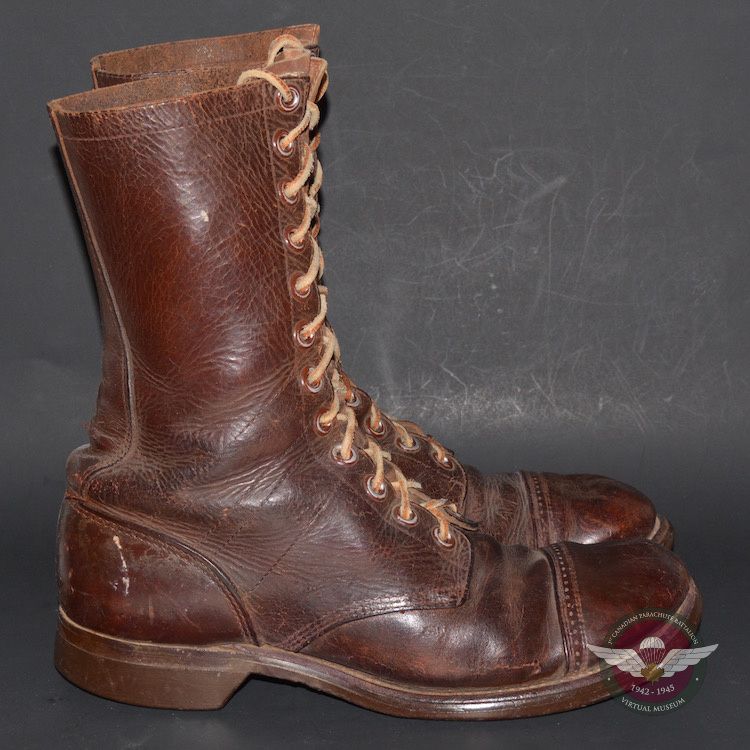
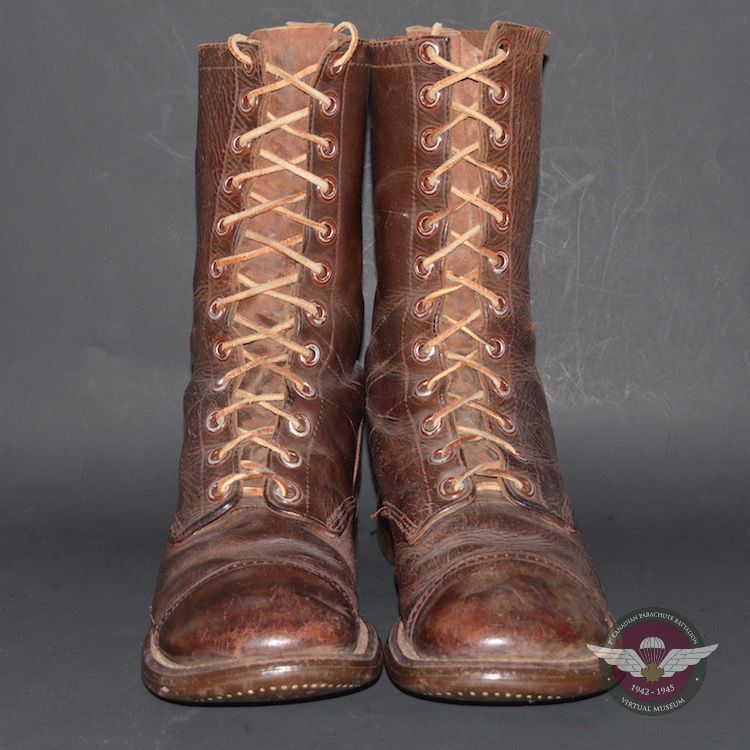
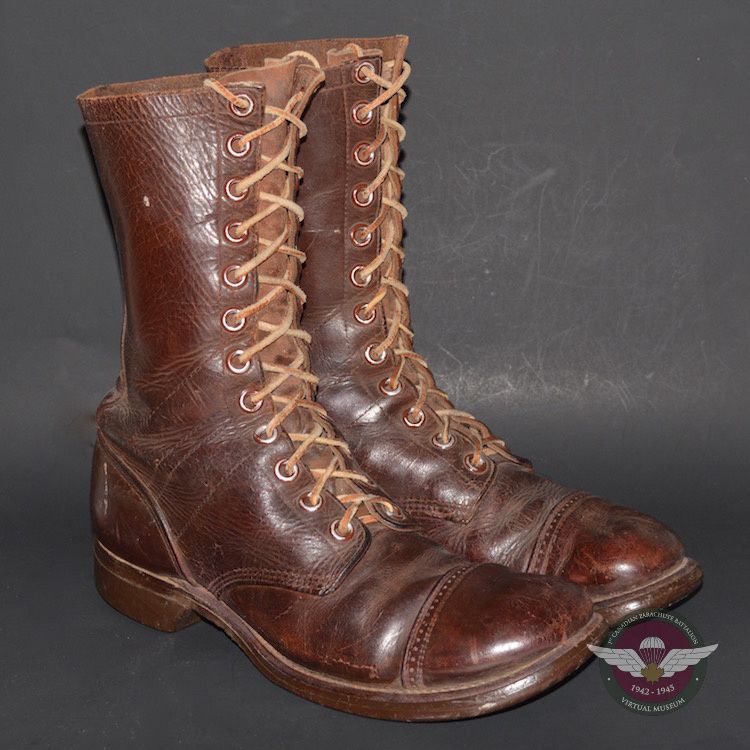
U.S. Paratrooper Boots
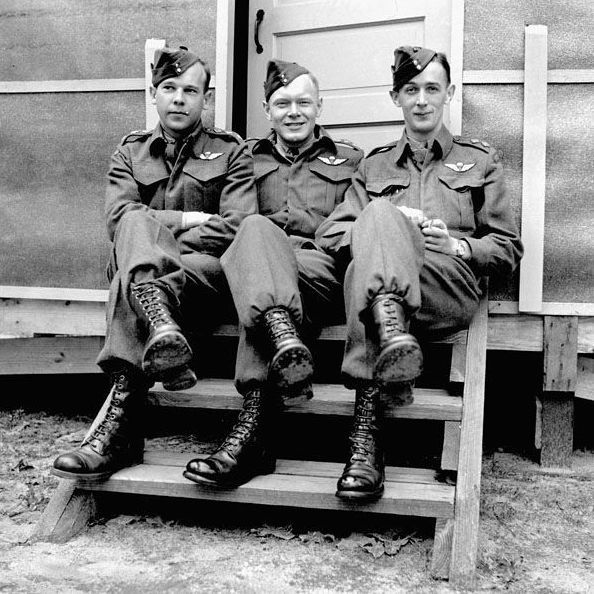
These sharp-looking U.S. Paratrooper boots were admired by the Canadian's who received their training at Fort Benning. Many Canadian Paratroopers adopted a set for themselves.
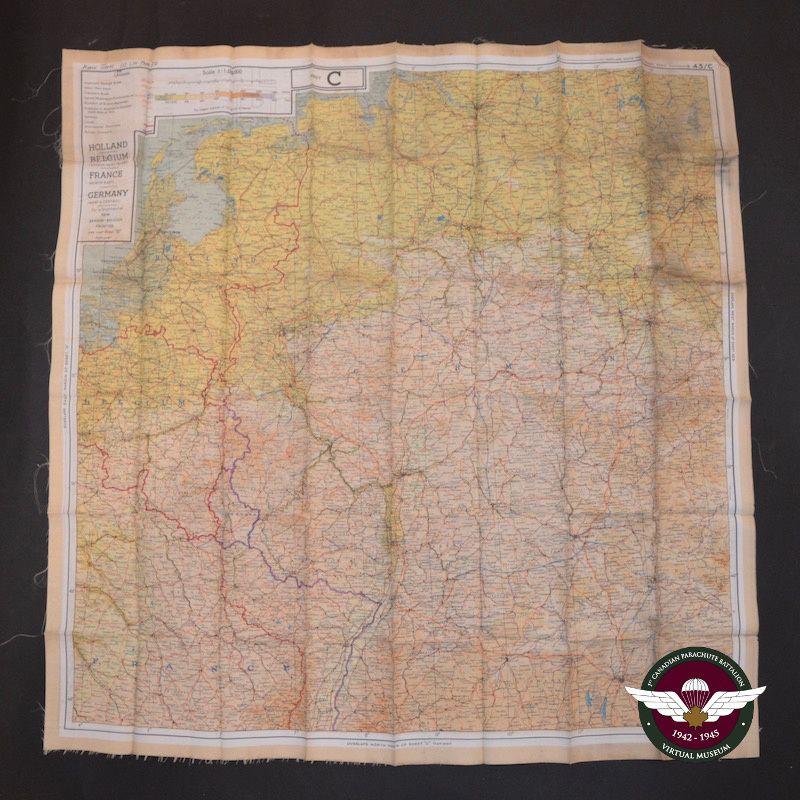
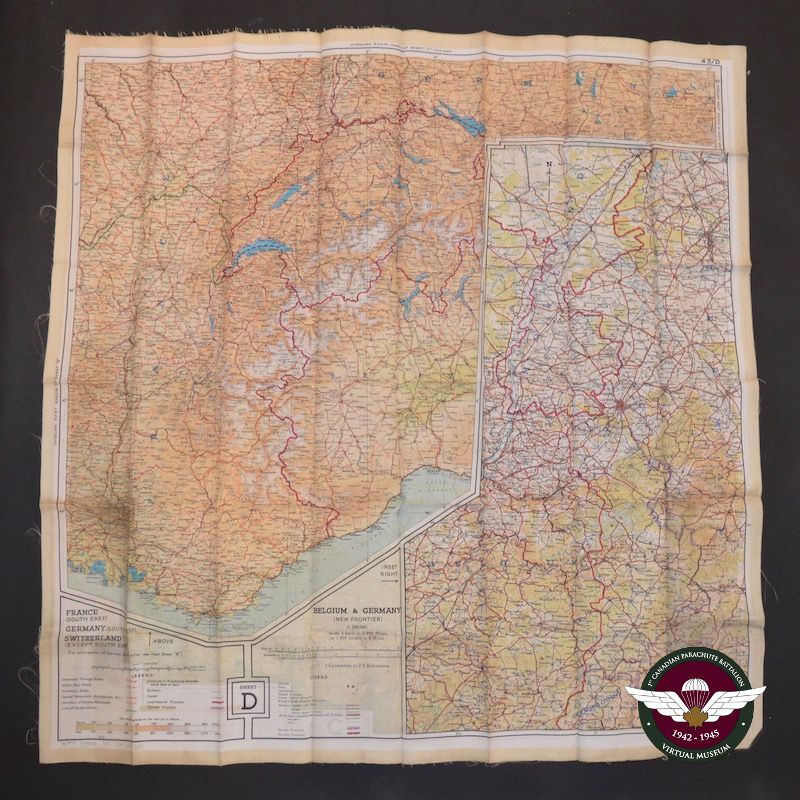
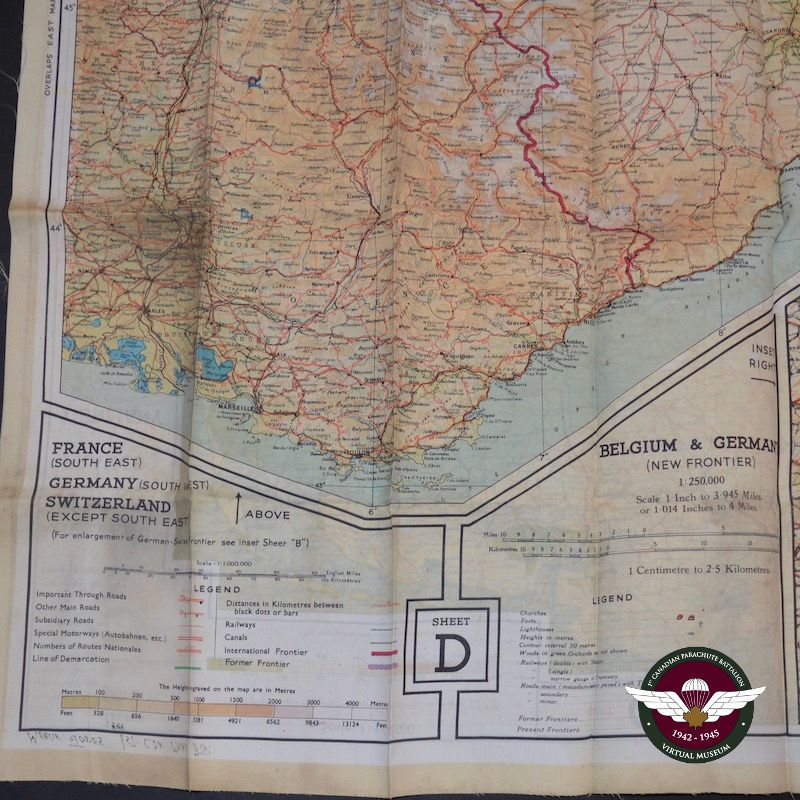
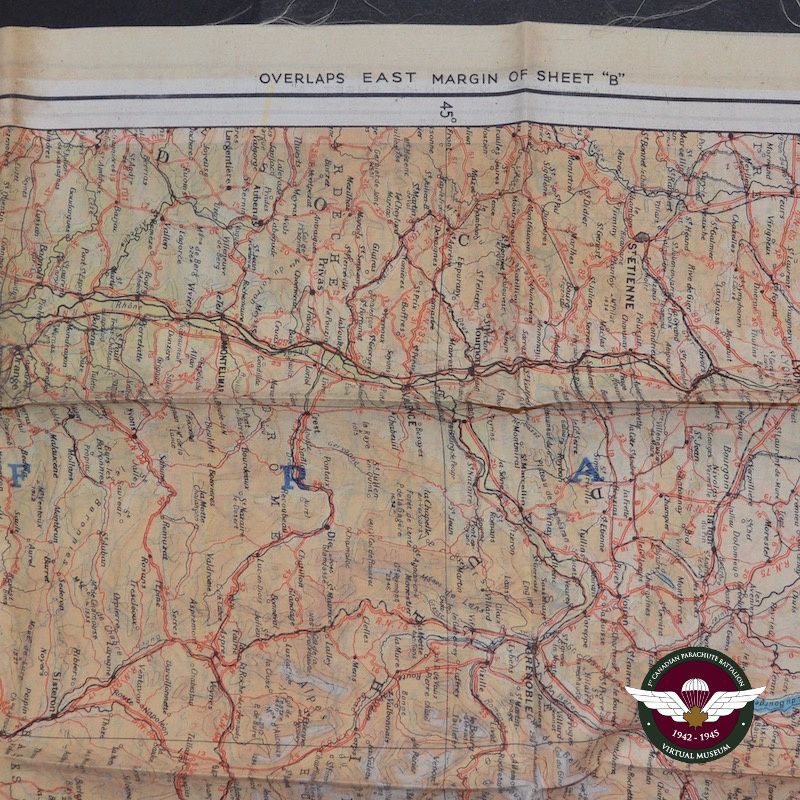
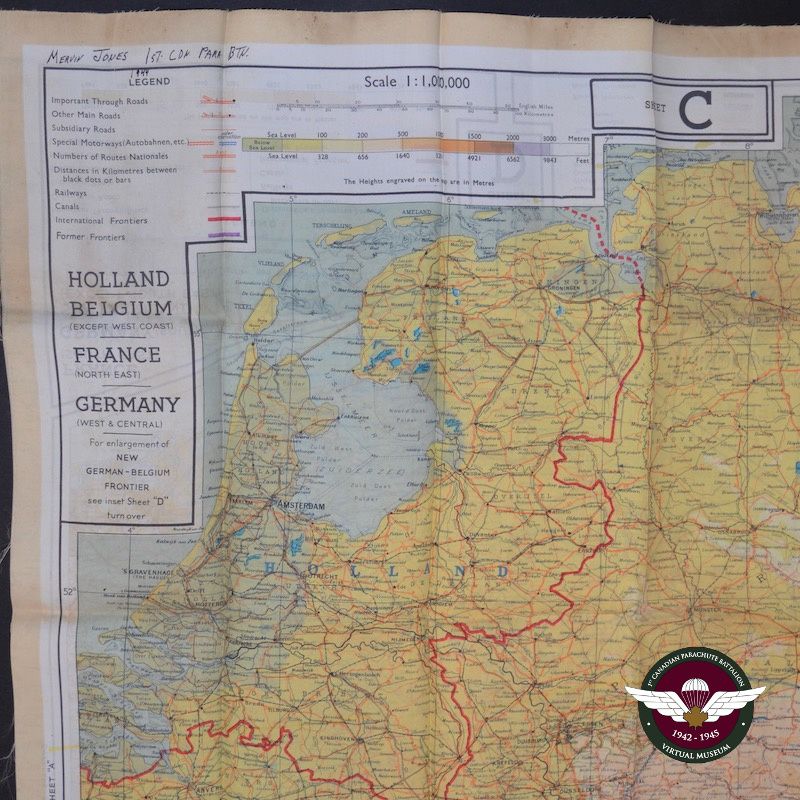
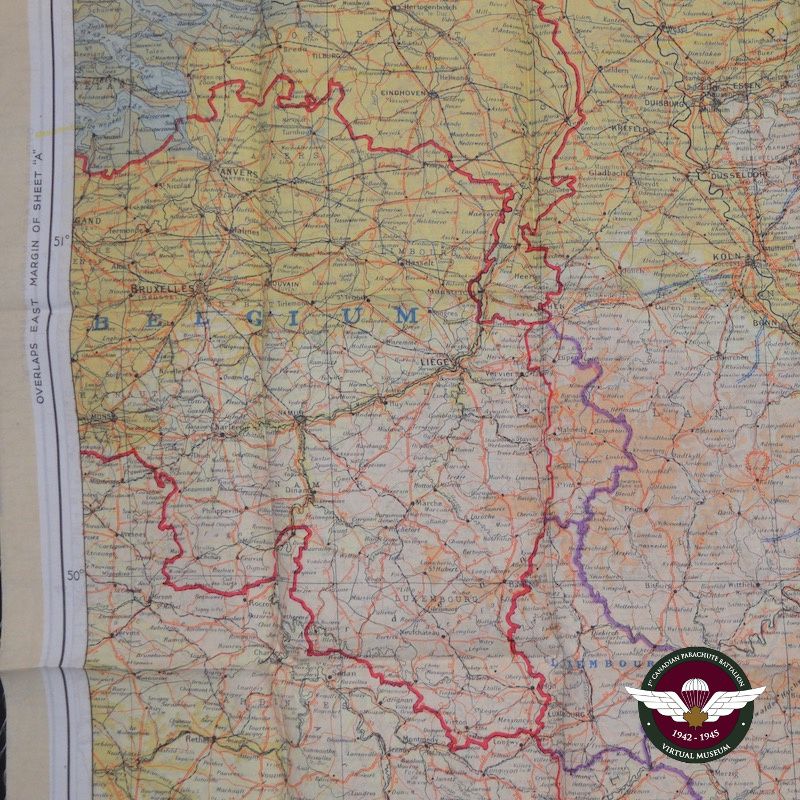
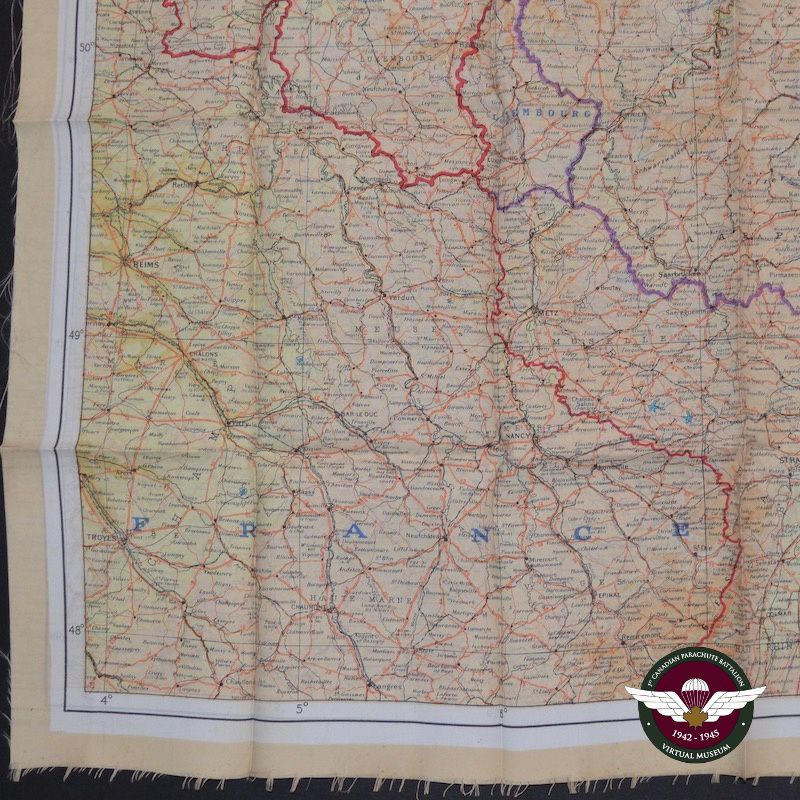
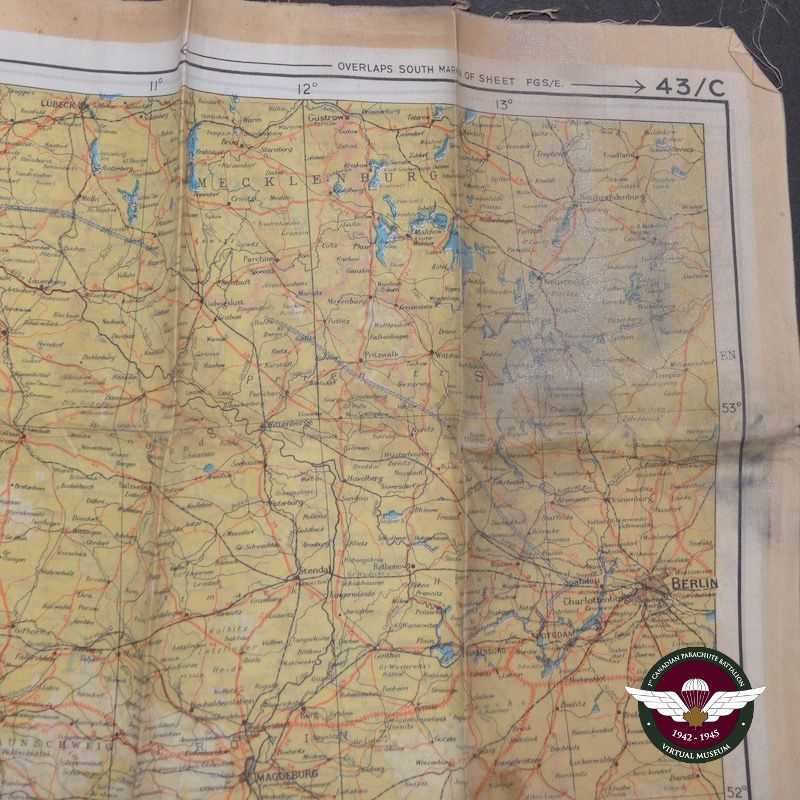
Silk Map
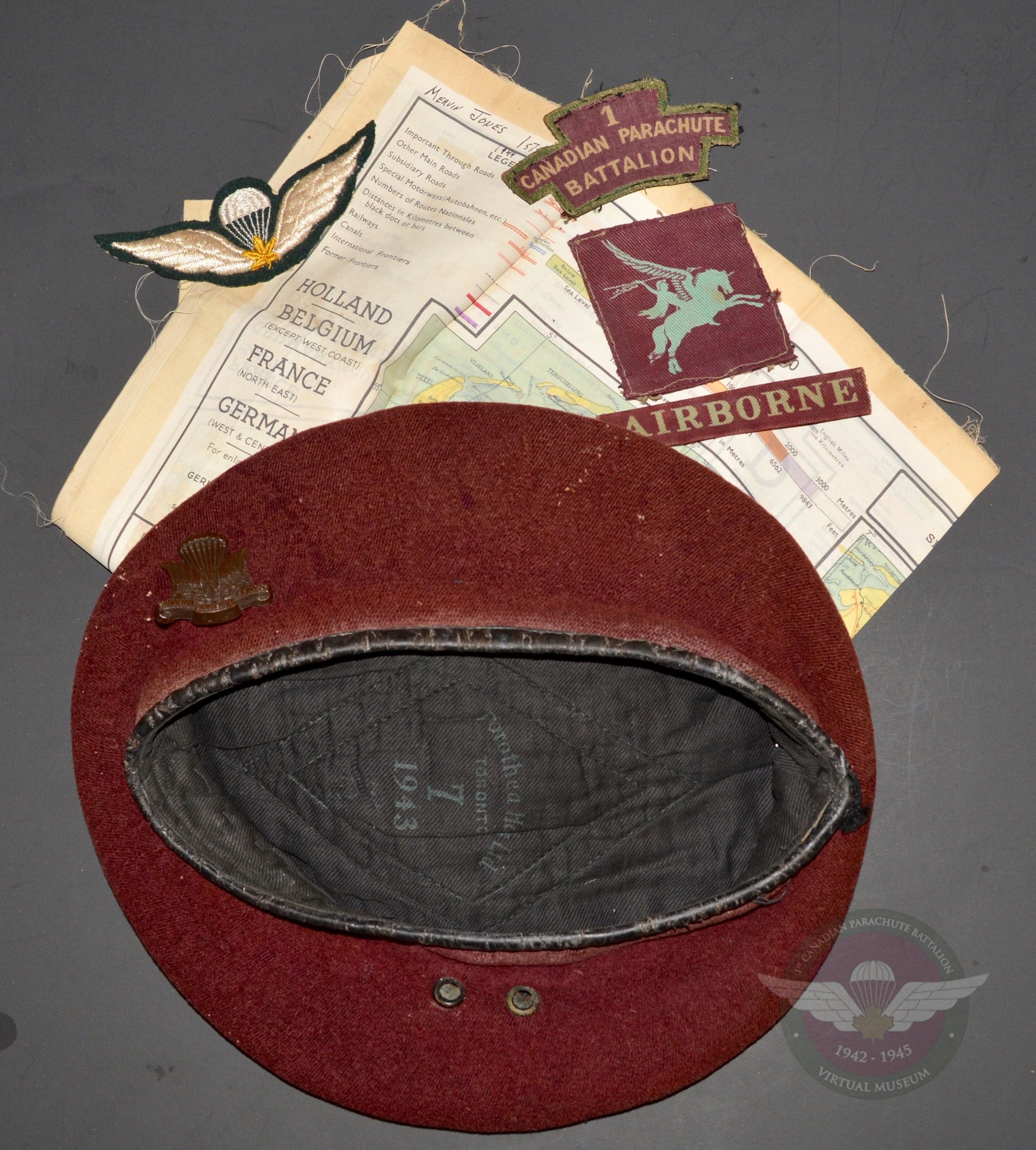
This detailed silk map had ground details printed on both sides and issued to soldiers for the D-day operation. This particular map belonged to Mervin Jones, who parachuted into Normandy on June 6, 1944. The silk maps produced were more durable than a paper map and could easily withstand the elements.
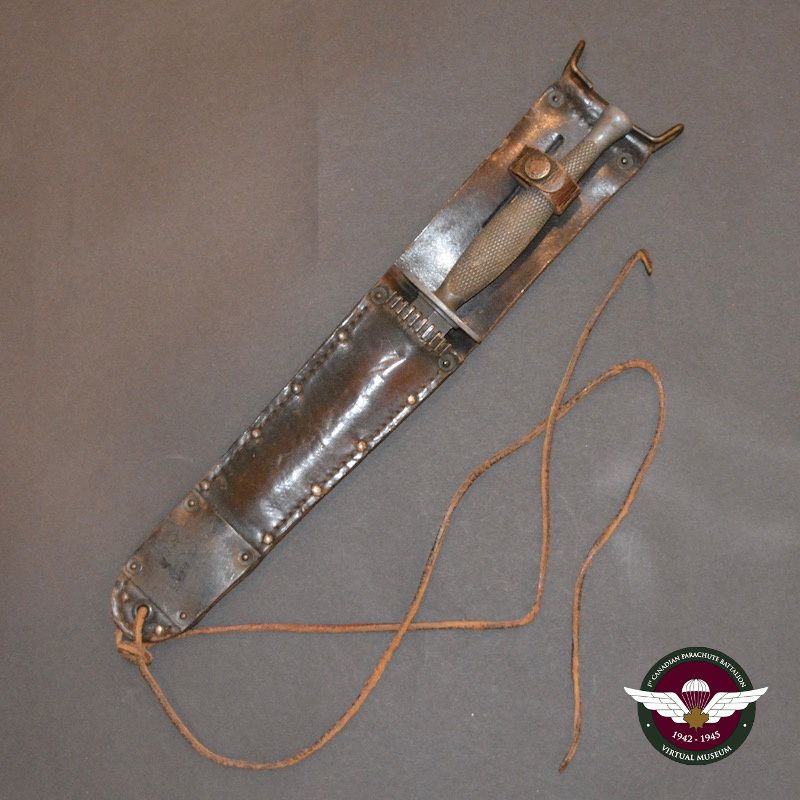
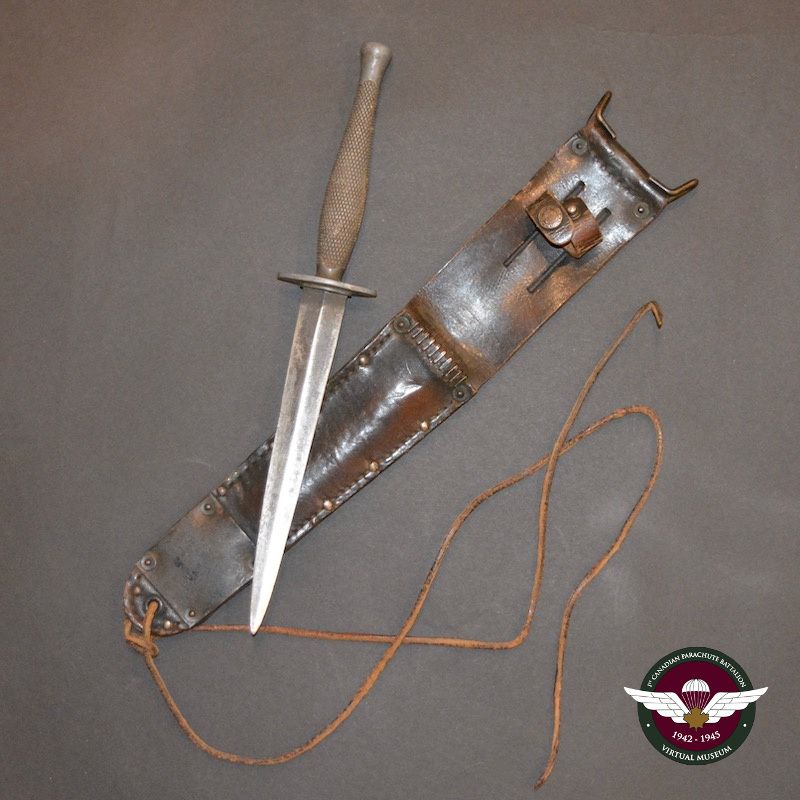
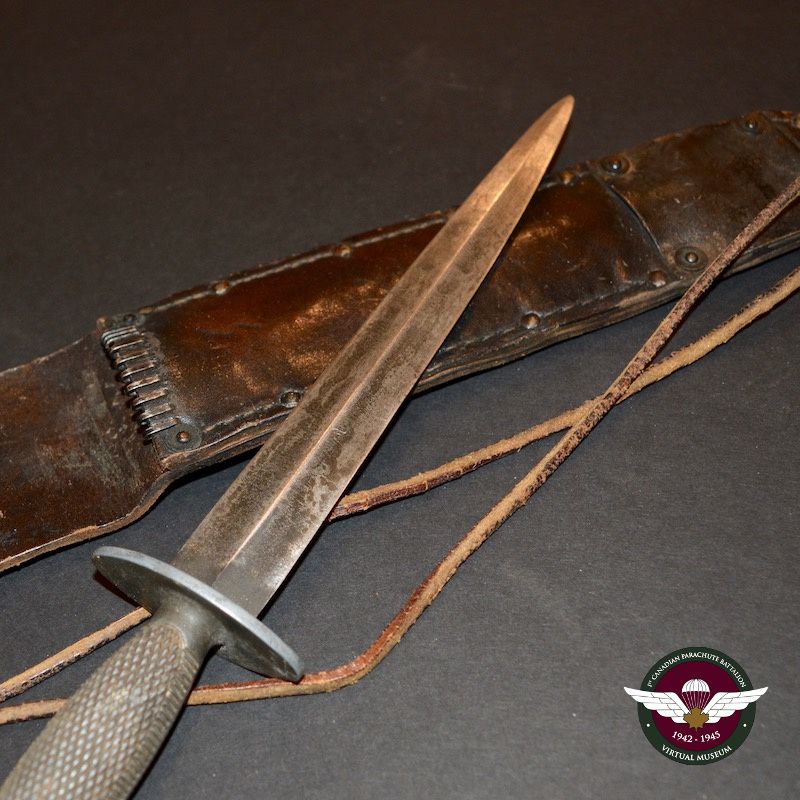
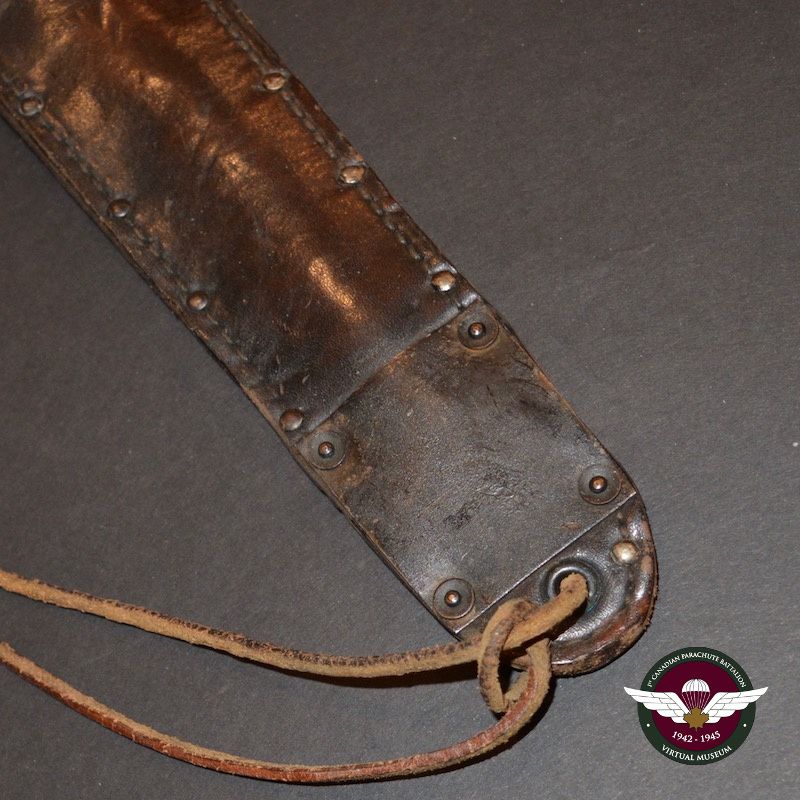
Camillus Stiletto Fighting Knife
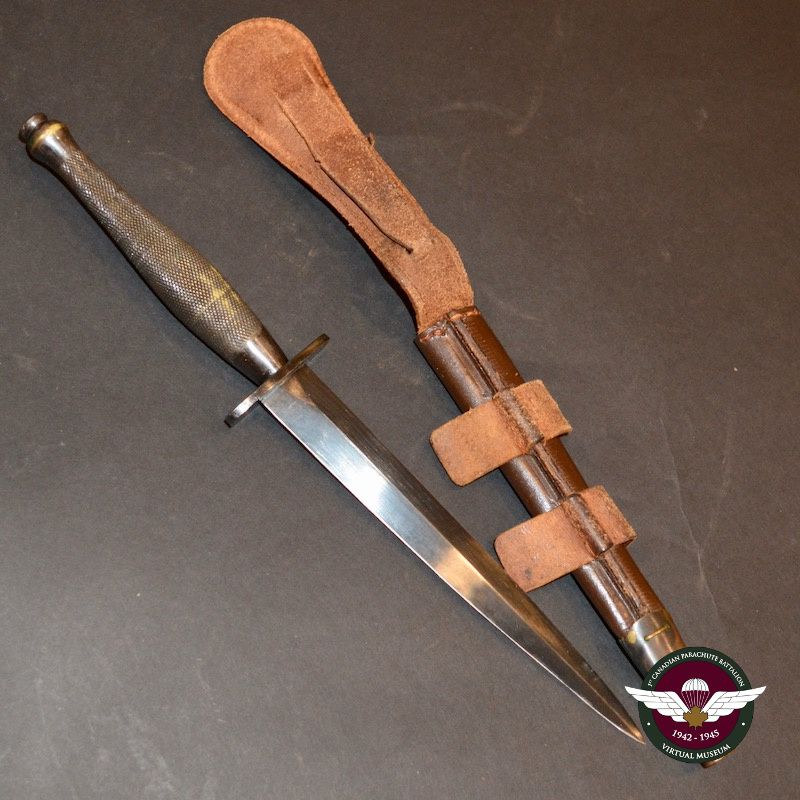
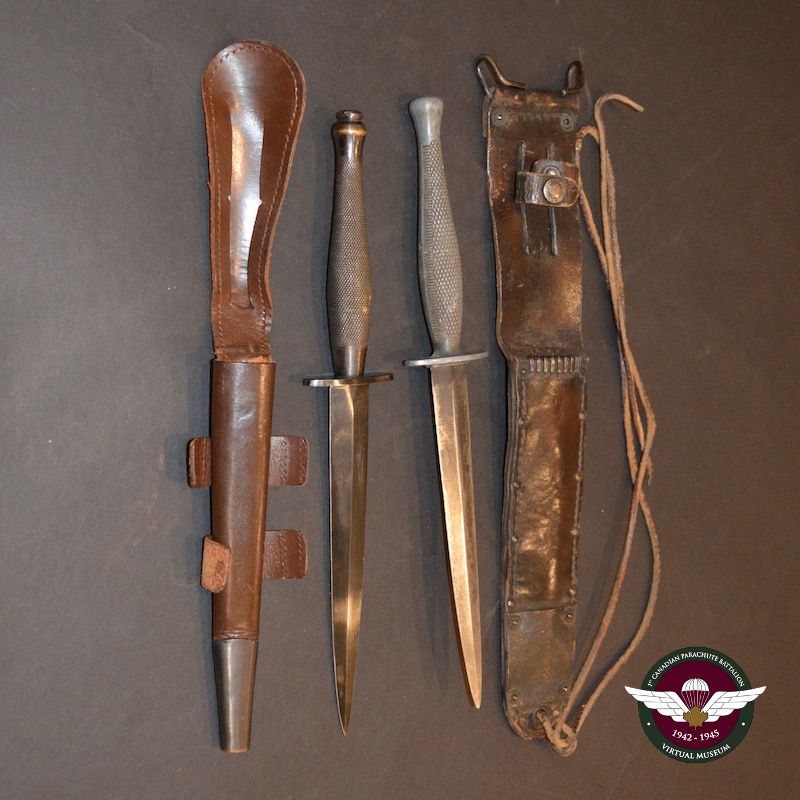
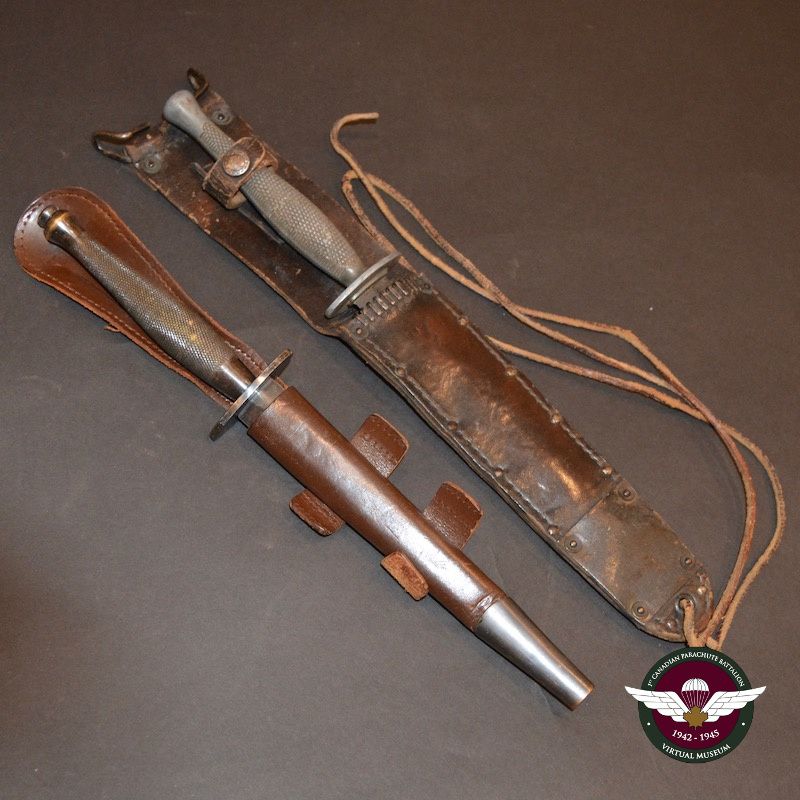
1942 Camillus manufactured USMC Raider Stiletto Fighting Knife and Sheath with blackened blade and grip used by the 1st Canadian Parachute Battalion. Approximately 500 of these particular knives were produced for the elite Canadian airborne members.
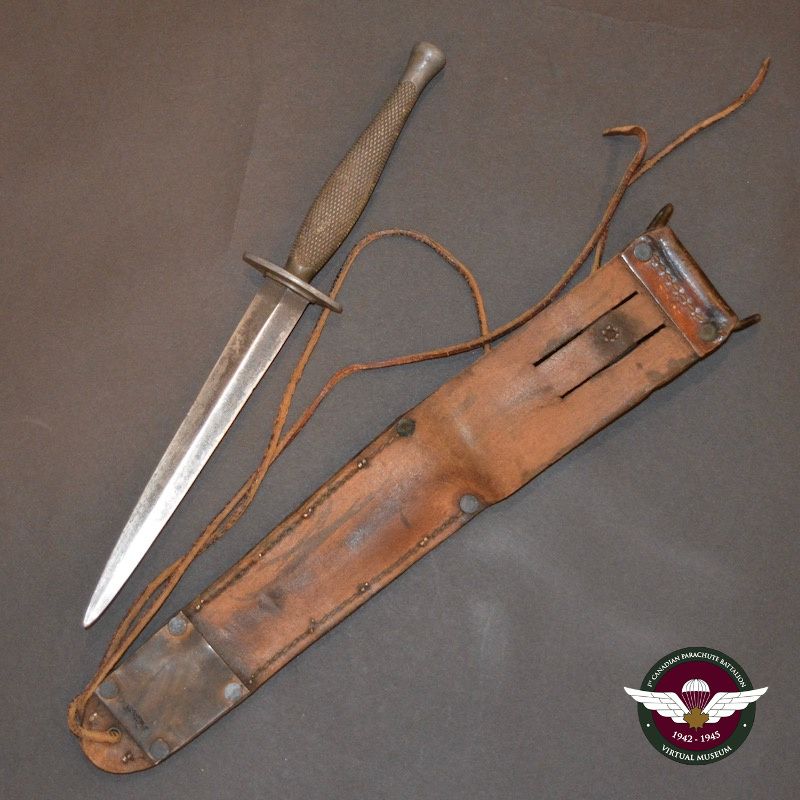
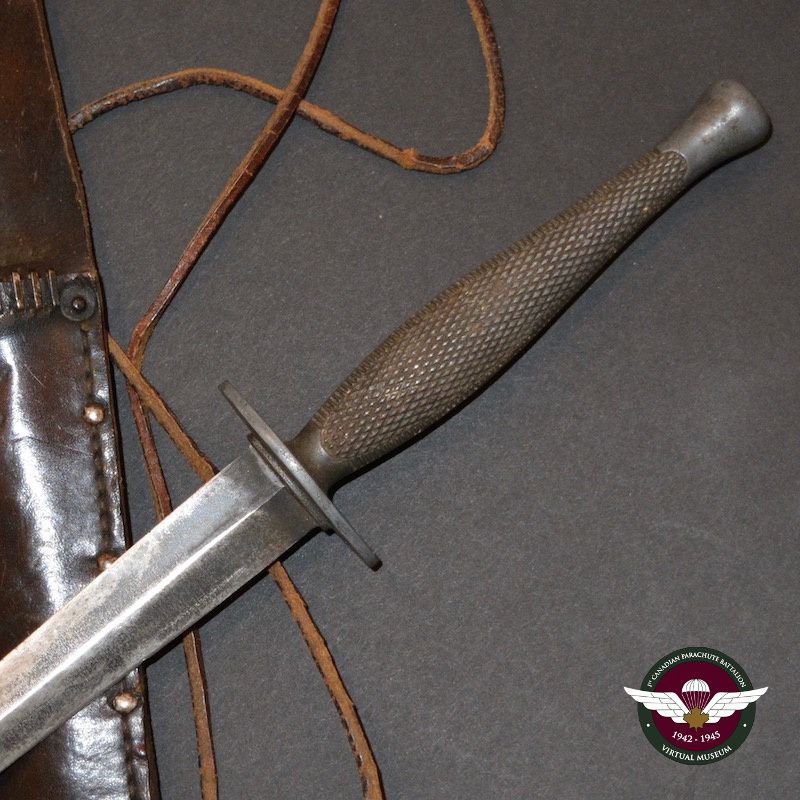
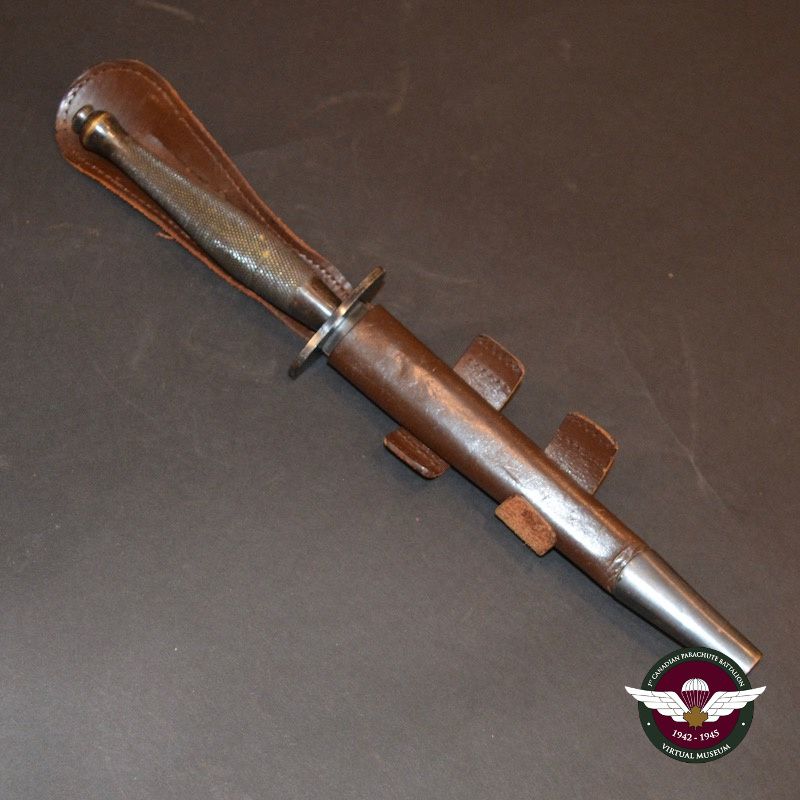
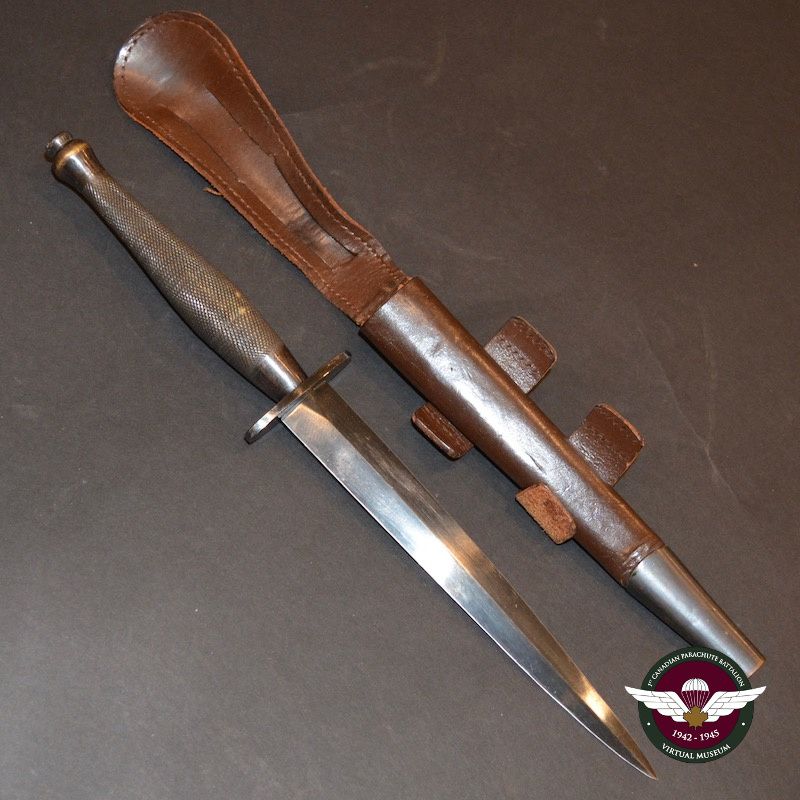
Fairbairn-Sykes Fighting Knife
This is the second pattern Wilkinson FS knife that was a popular knife issued to British Commandos, SAS and Airborne Forces during World War 2. This particular knife belonged to 1st Canadian Parachute Battalion Veteran Major Robert Firlotte. Above you can see the second pattern FS knife beside the Camillus Stiletto Fighting Knife.
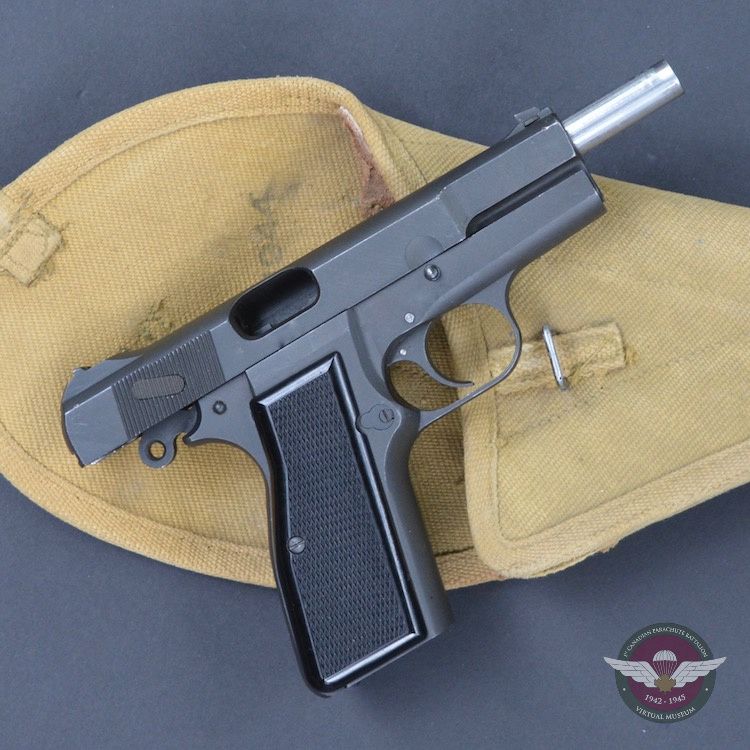
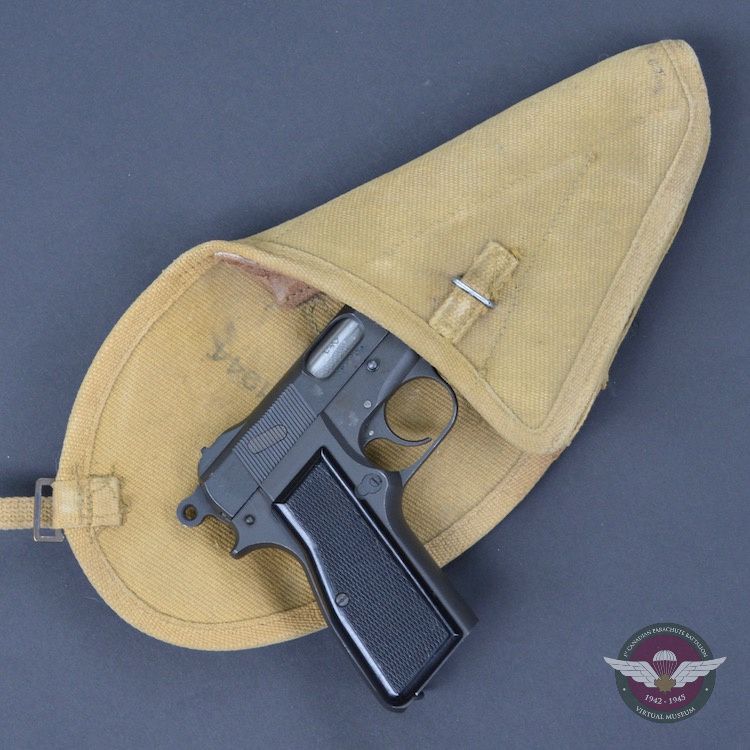
Browning Hi-Power 9mm
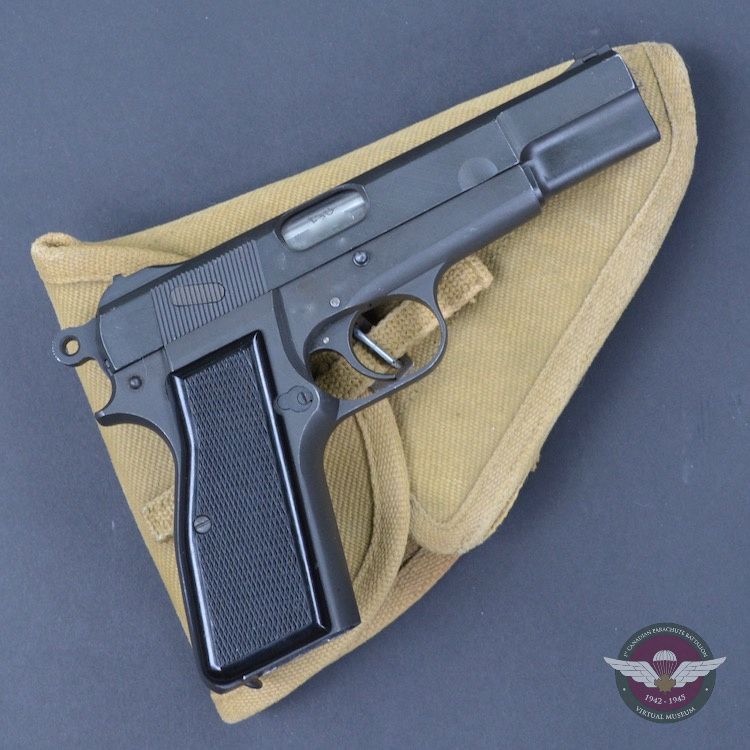
The Browning Hi-Power 9mm semi-automatic pistol was durable, introducing high-capacity magazines holding 13 rounds, allowing for faster reloading than the traditional revolver. The maximum effective range in the hands of a skilled shooter would be 50 yards.
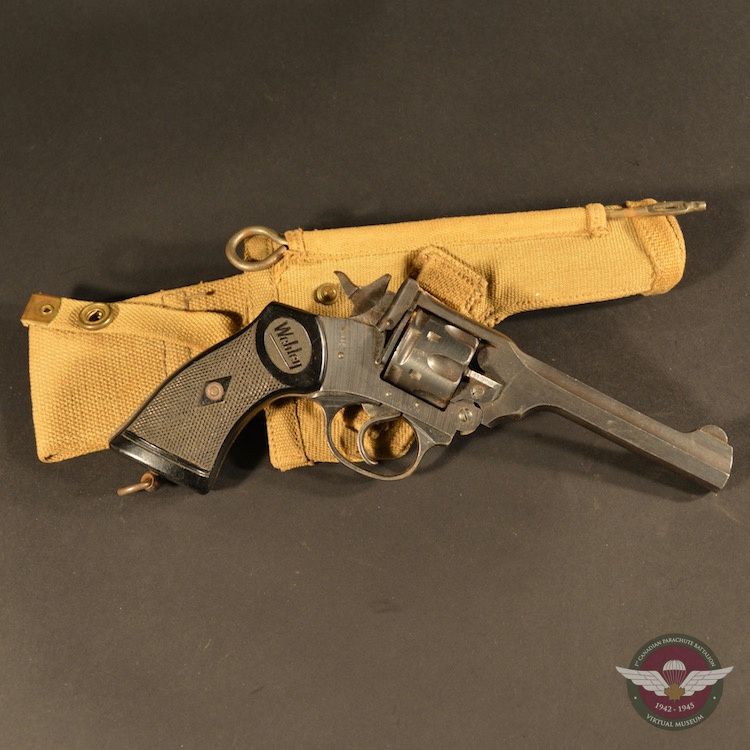
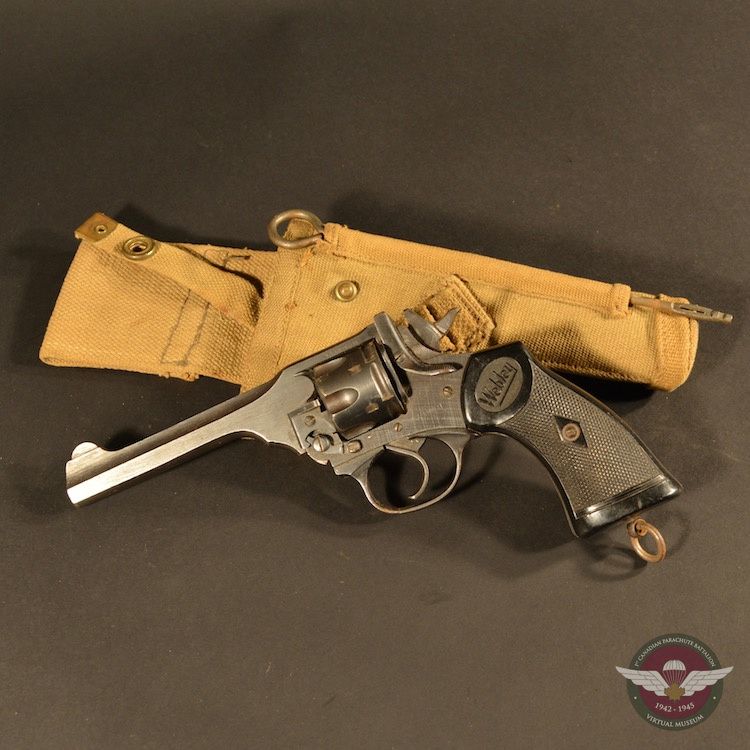
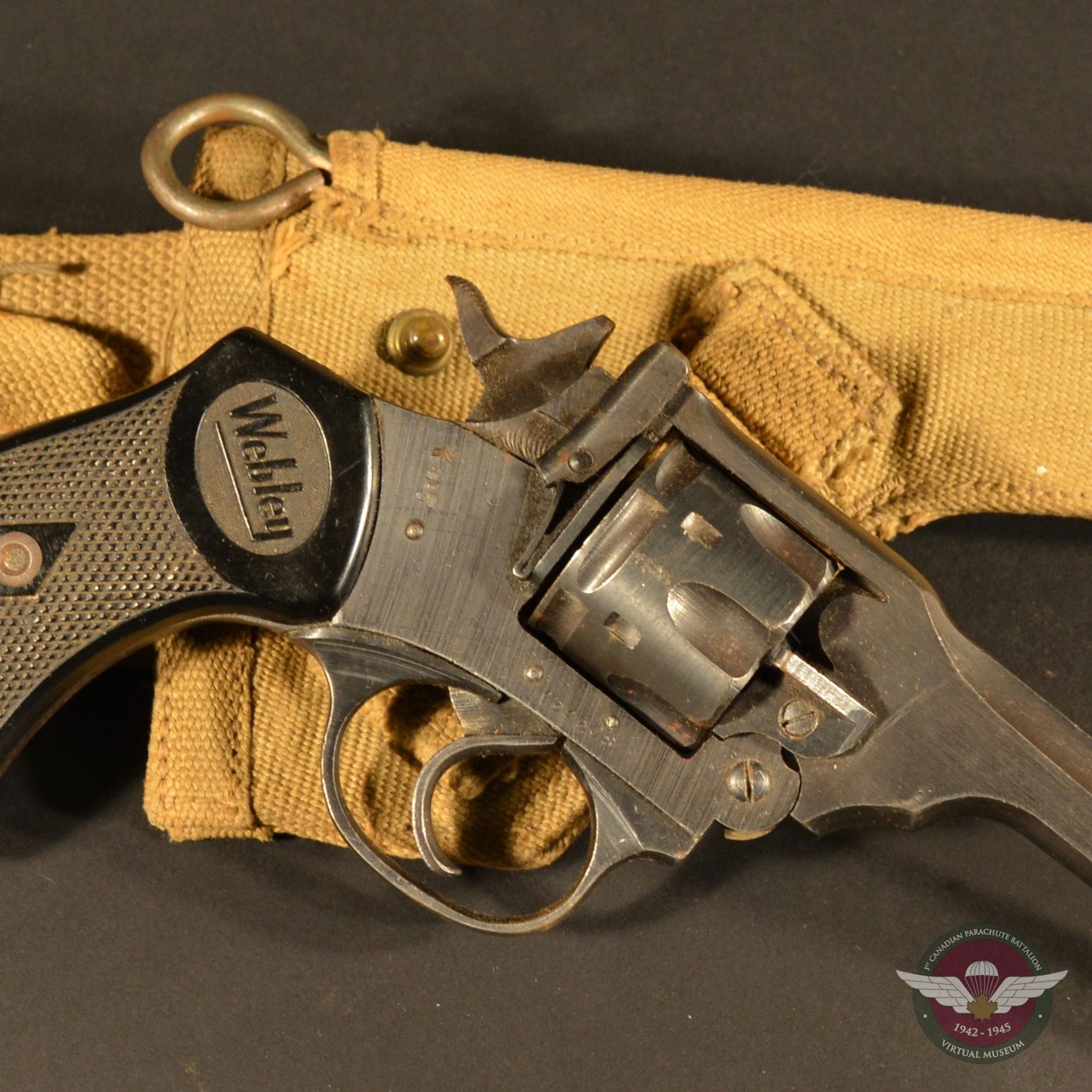
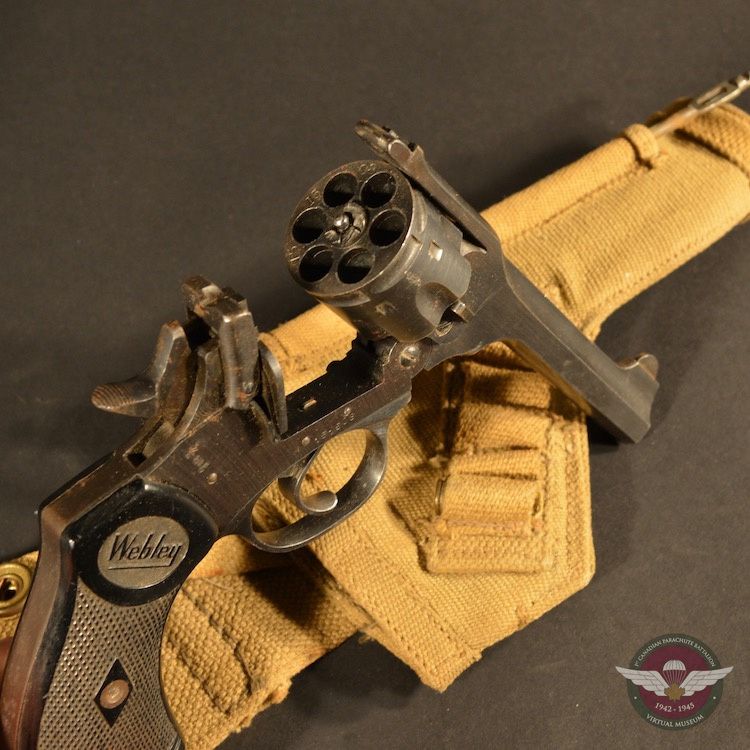
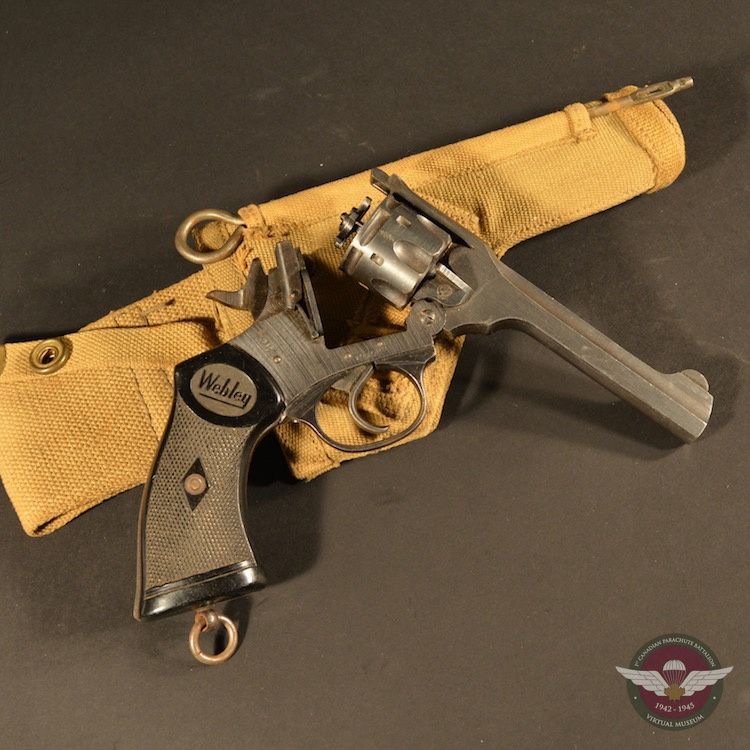
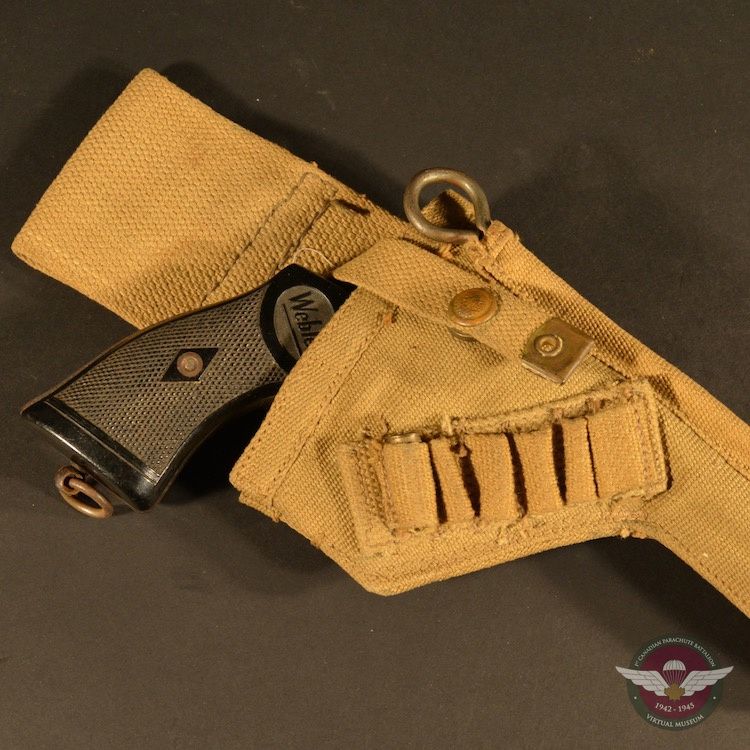
Webley Revolver
The Webley revolver was issued for personal protection with an effective range of 50 yards in the hands of a skilled shooter. The revolver was 2.4 pounds, with a 6 round capacity of .455 calibre cartridges. This firearm has a lanyard ring to allow it to be tethered to the person to prevent loss. Courtesy of Collectors Source.
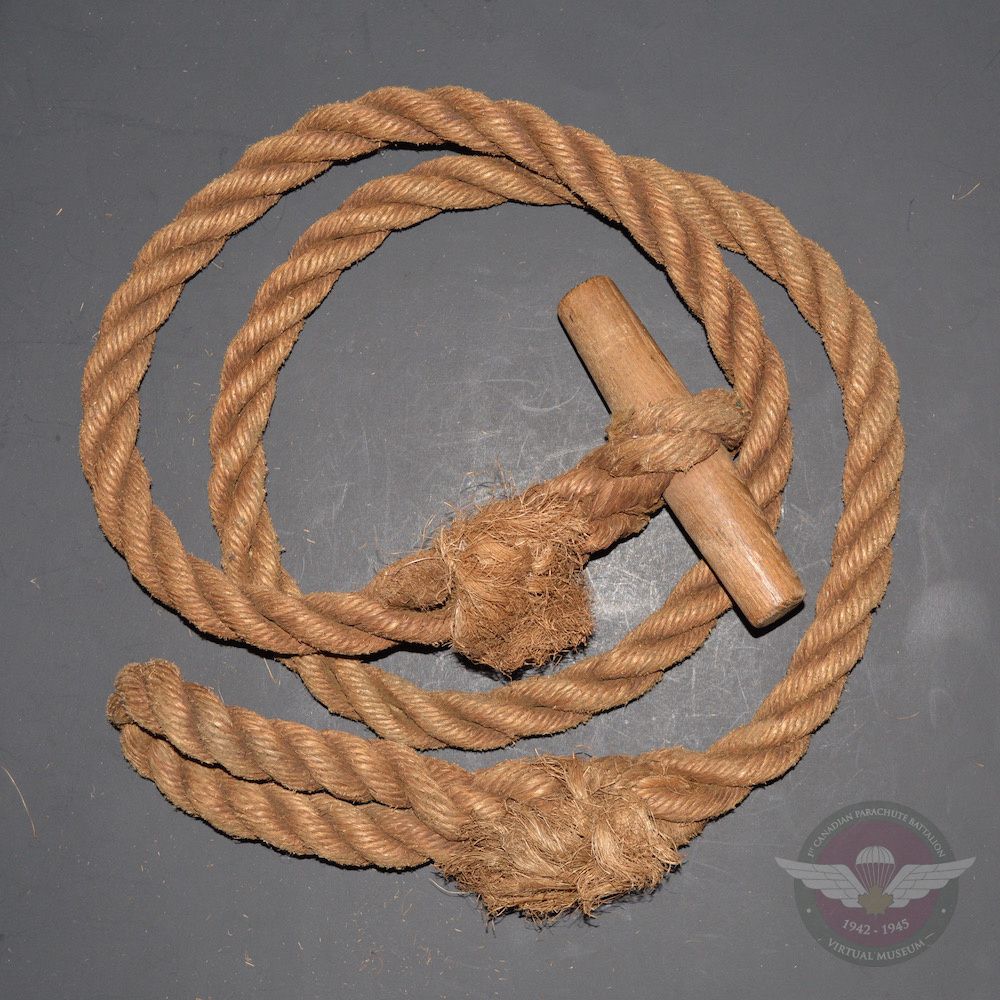
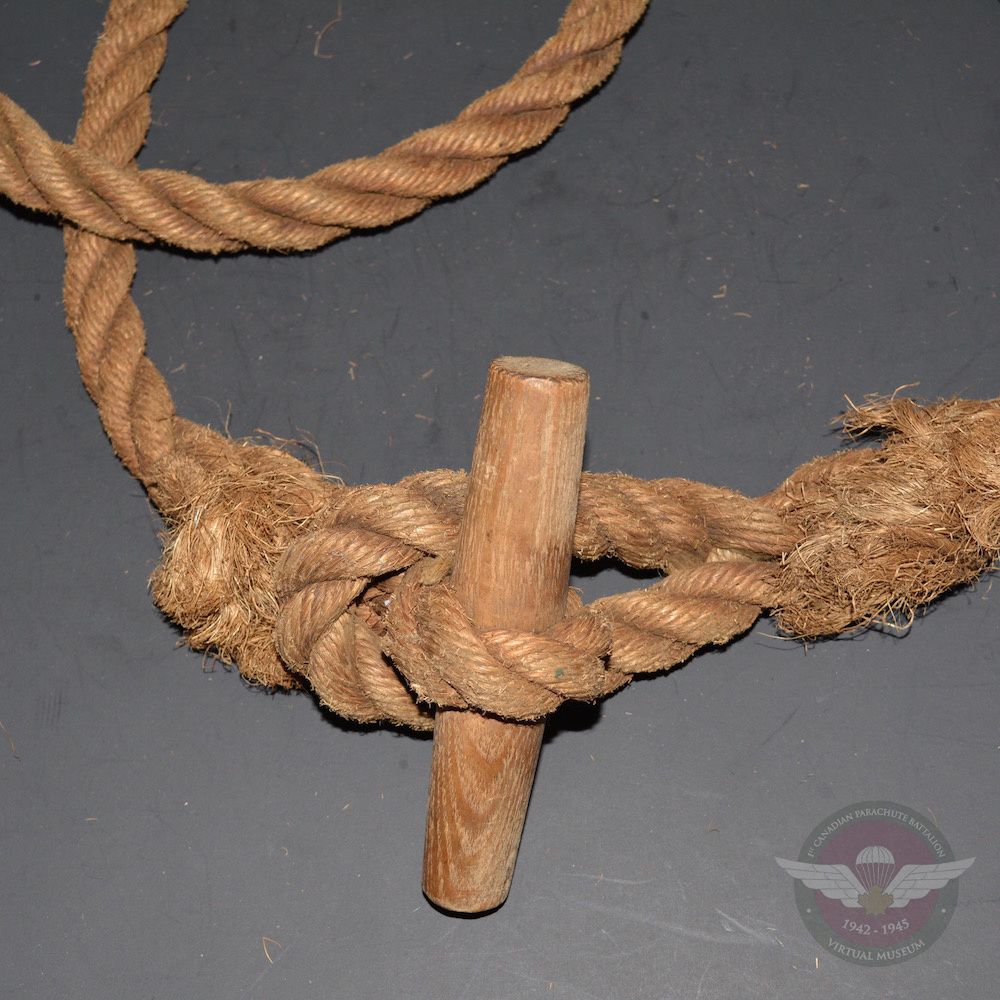
Toggle Rope
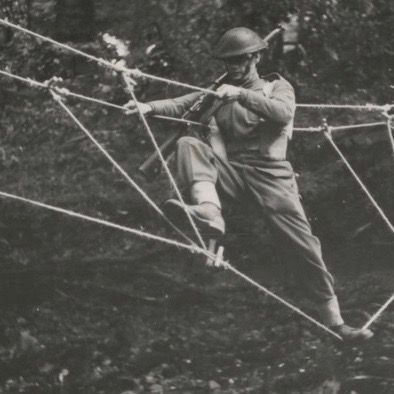
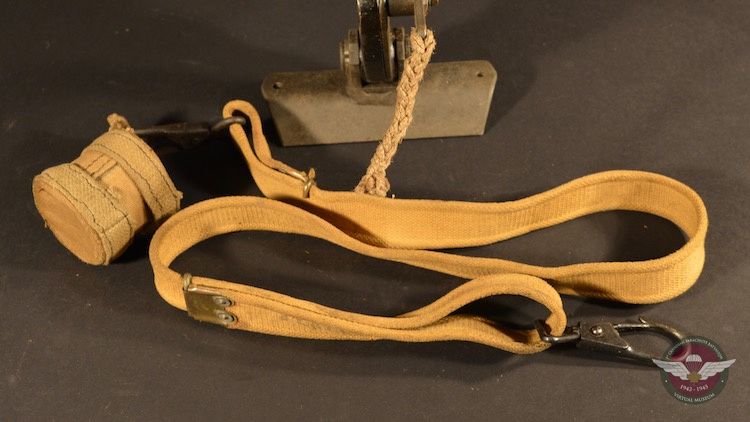
The 6” toggle rope was issued to each man as part of their standard equipment. It had a loop at one end and a wooden toggle at the other end as can be seen in the pictures. When many are linked together, they could be used to cross obstacles.
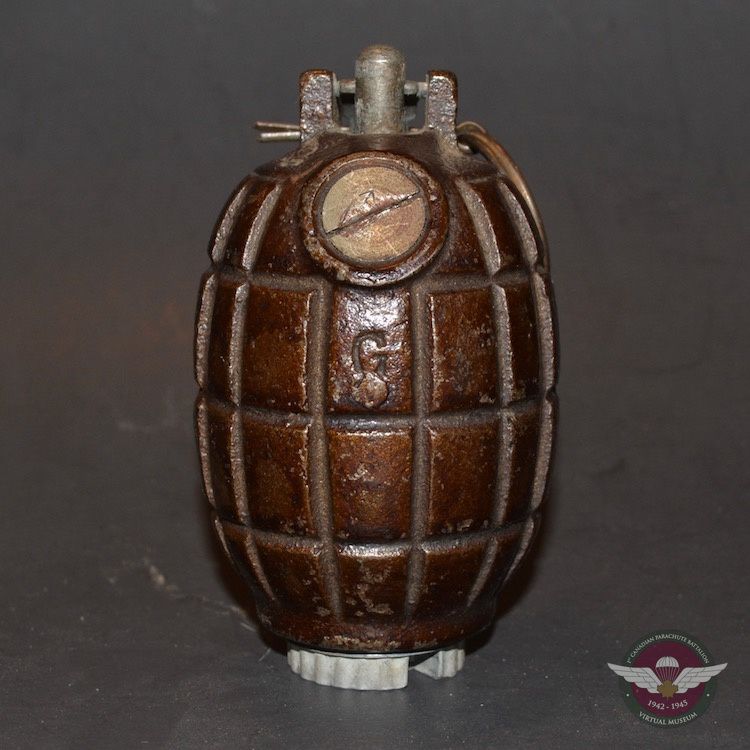
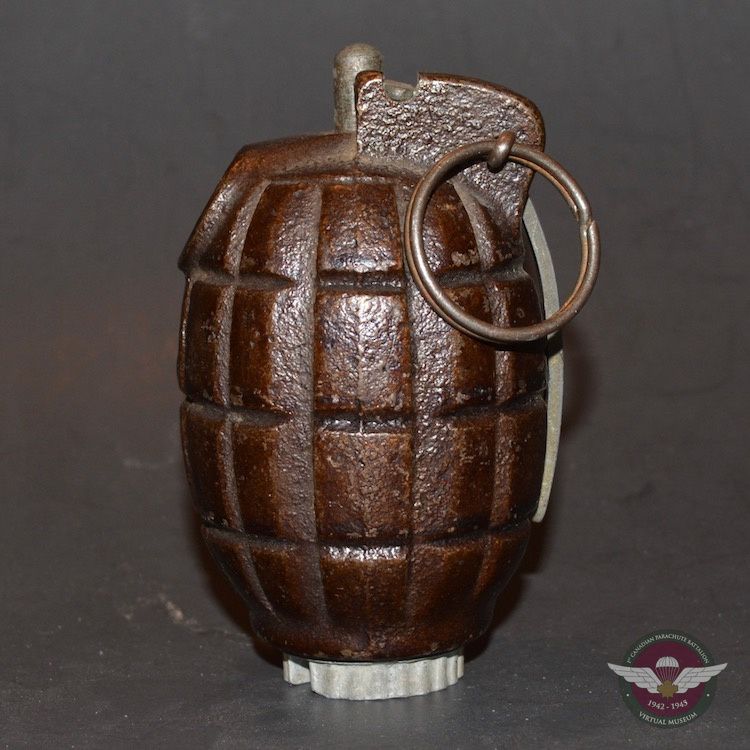
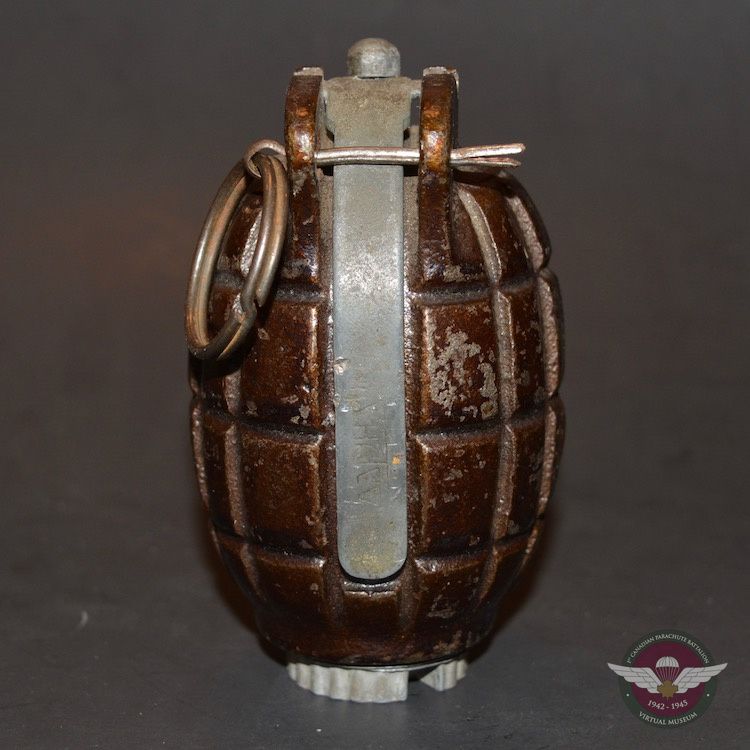
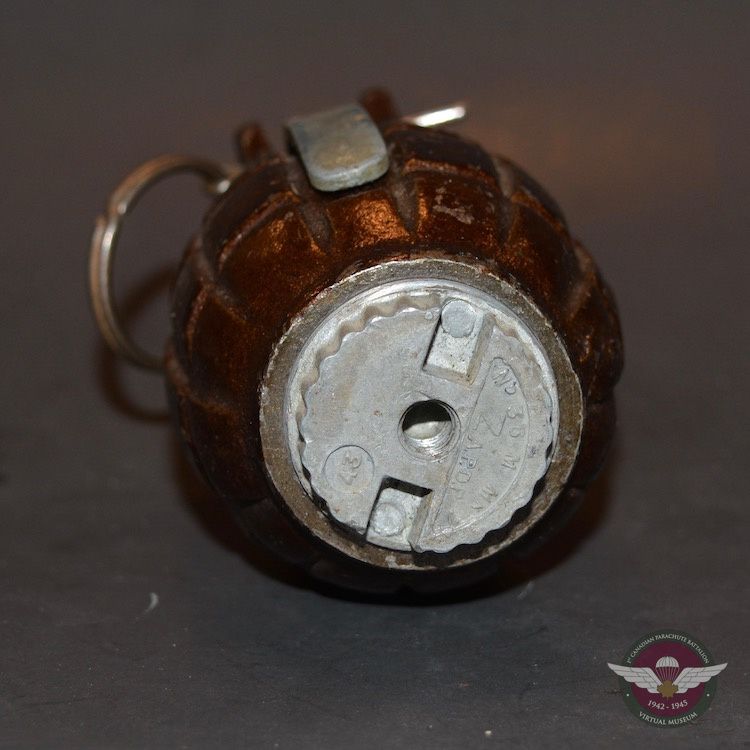
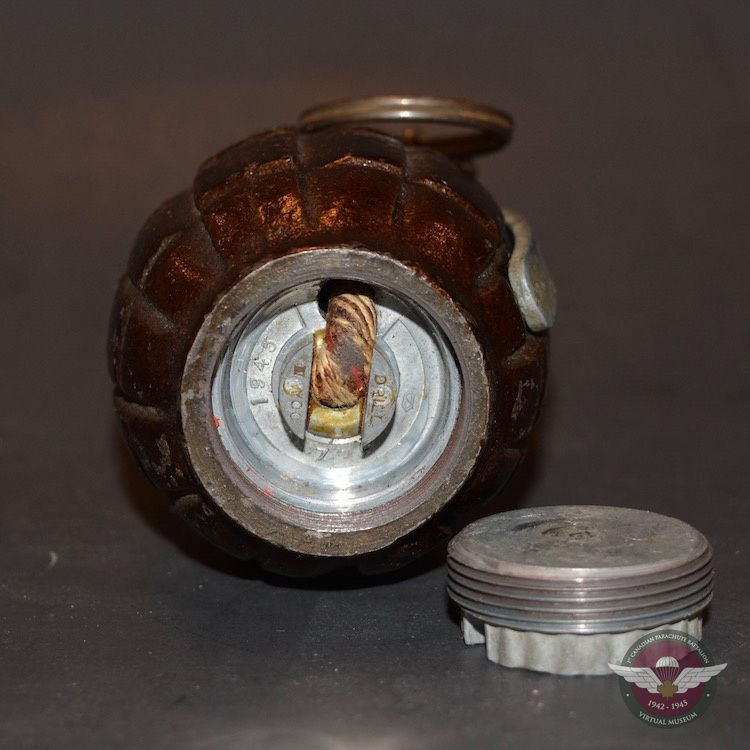
M36 Hand Grenade
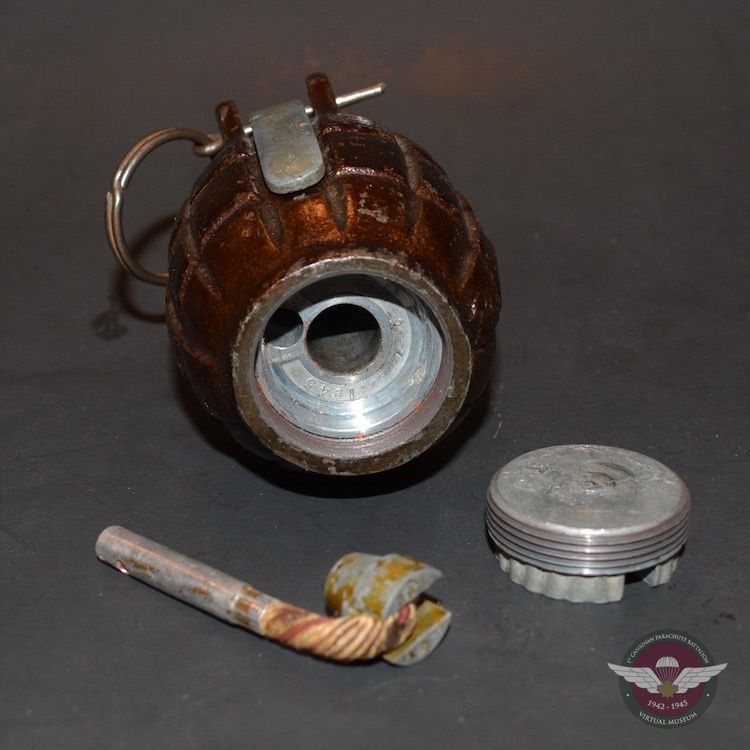
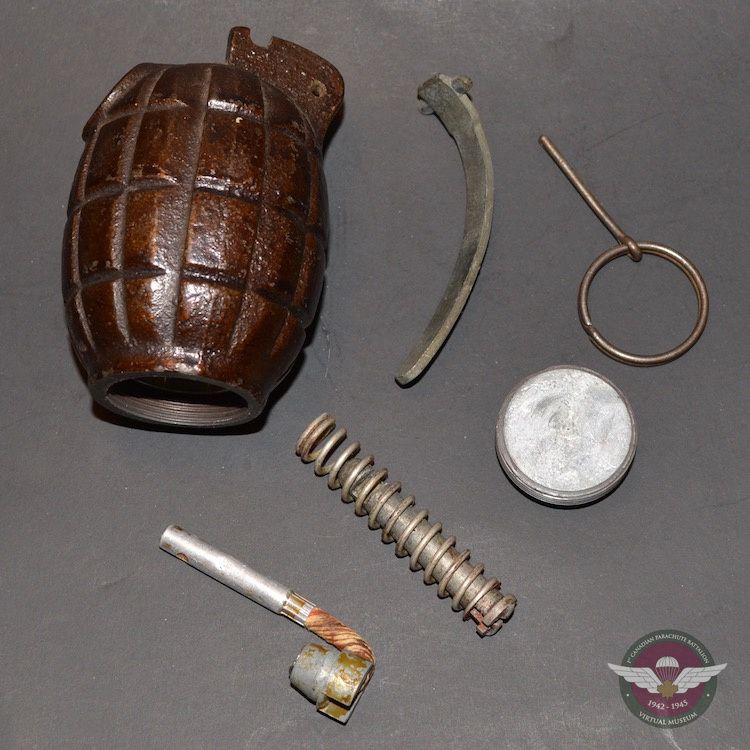
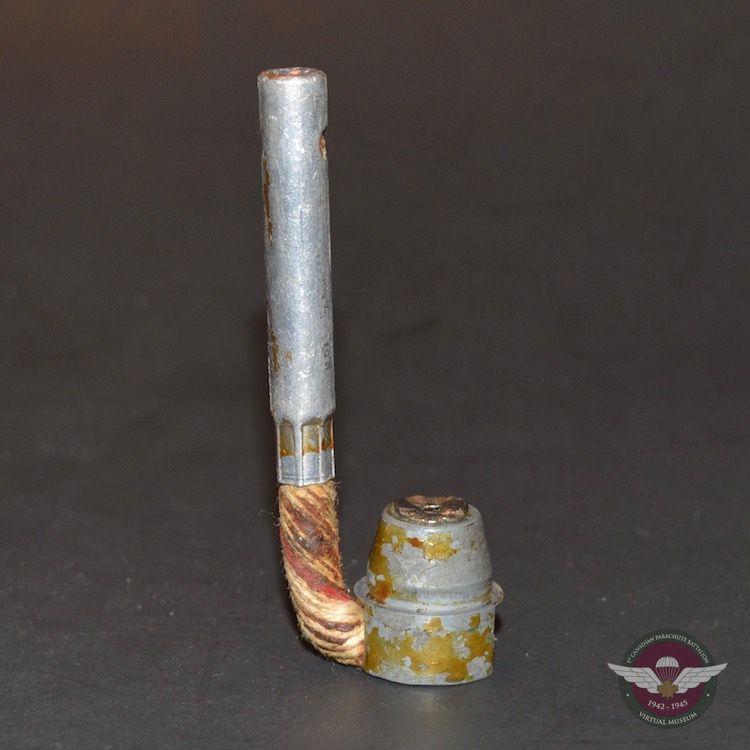
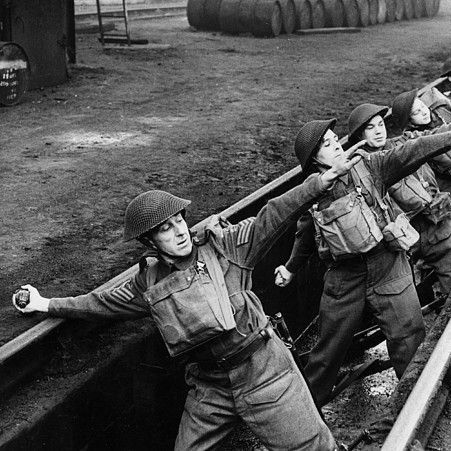
The M36 Hand Grenade, often referred to as a "Mills Bomb", weighing approximately 1 pound was standard issue to ground troops. These hand grenades could be thrown or launched from a discharging cup device attached to the muzzle of the rifle and fired using blank ammunition in order to increase the distance.
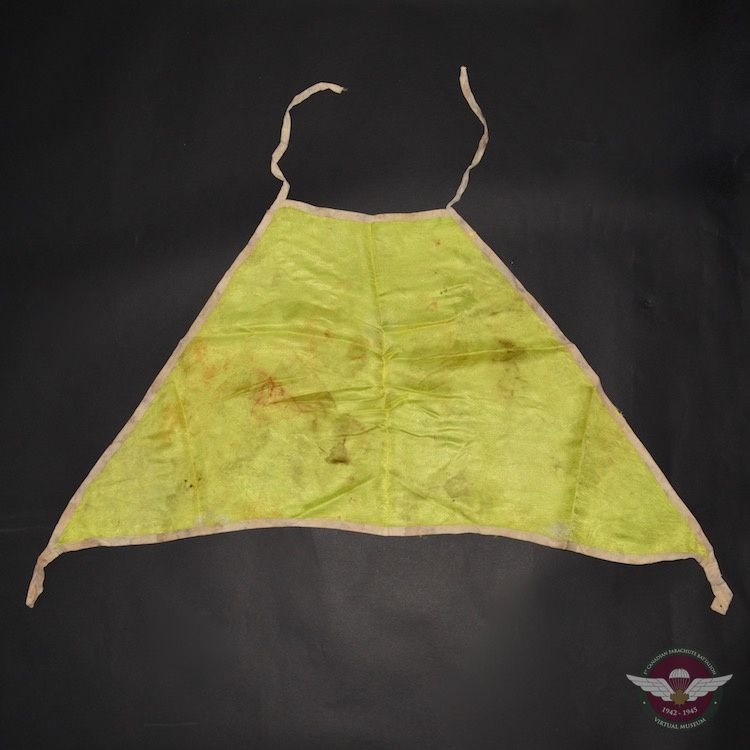
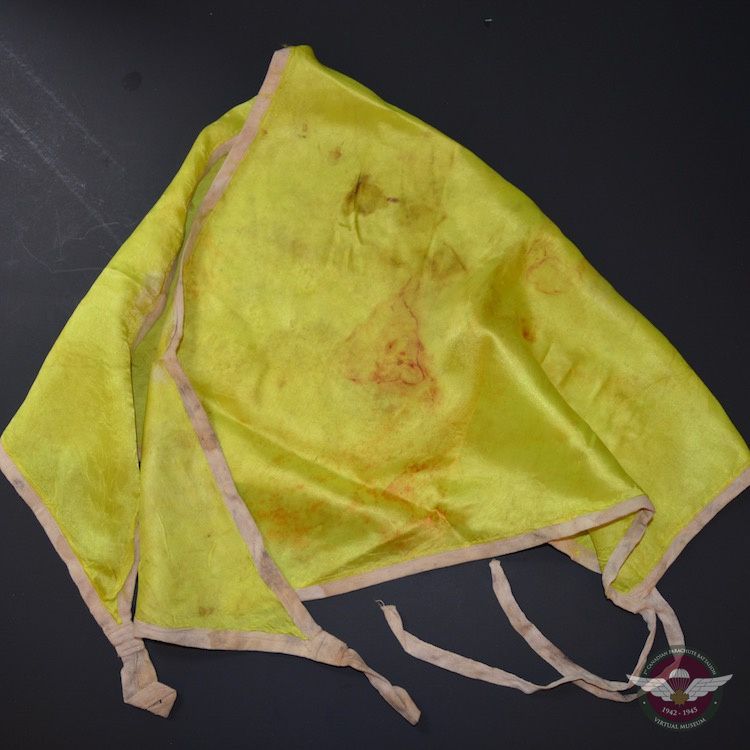
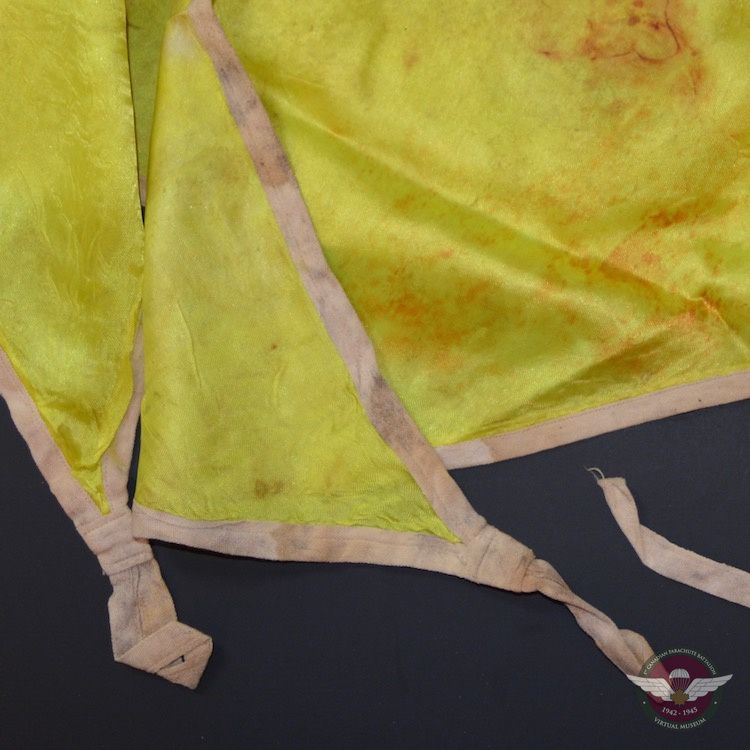
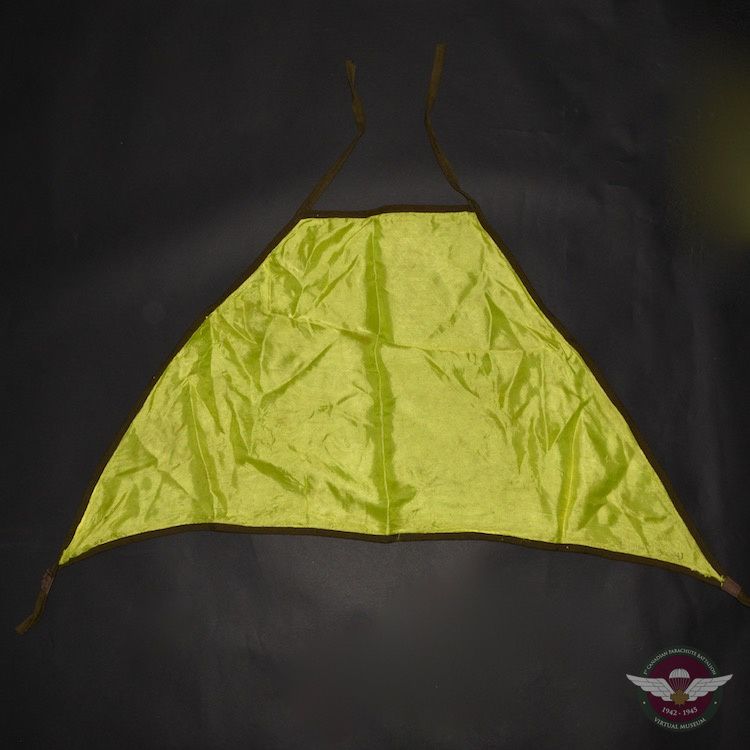
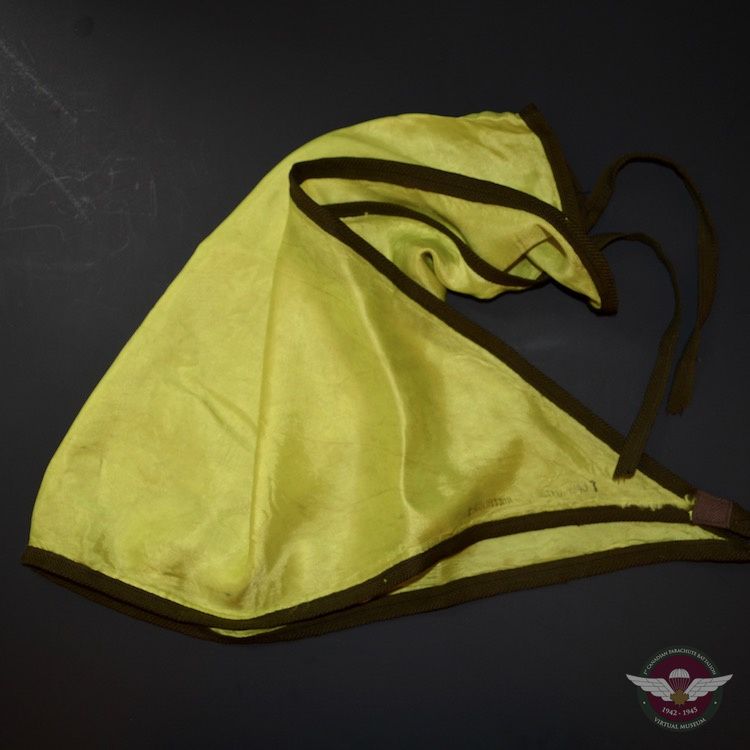
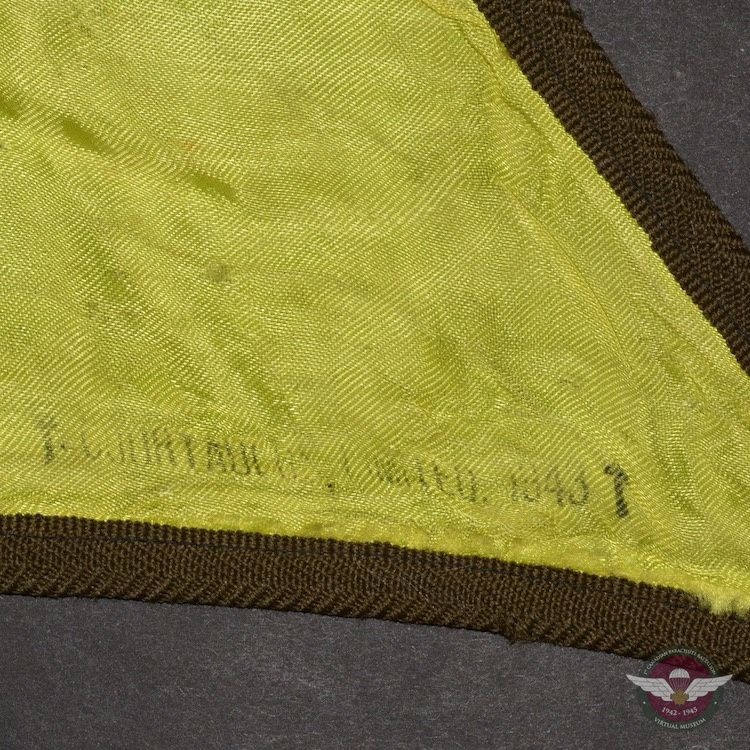
Yellow Recognition Marker
These fluorescent yellow recognition scarves were used in Normandy by British Airborne Forces so they could be identified by allied planes to drop much-needed supplies and not be accidentally engaged in friendly fire incidents.
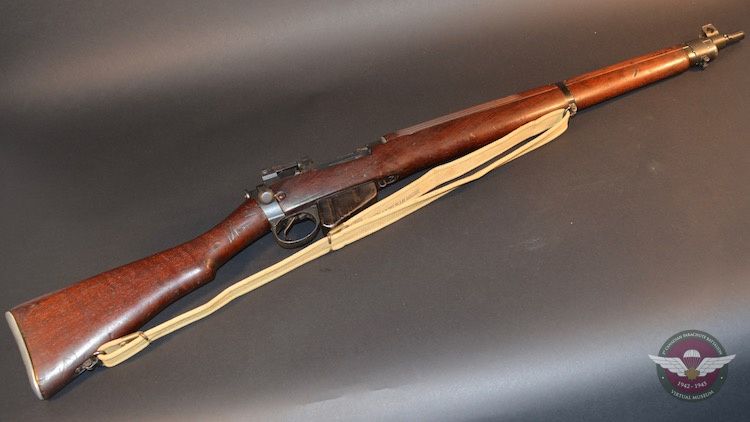
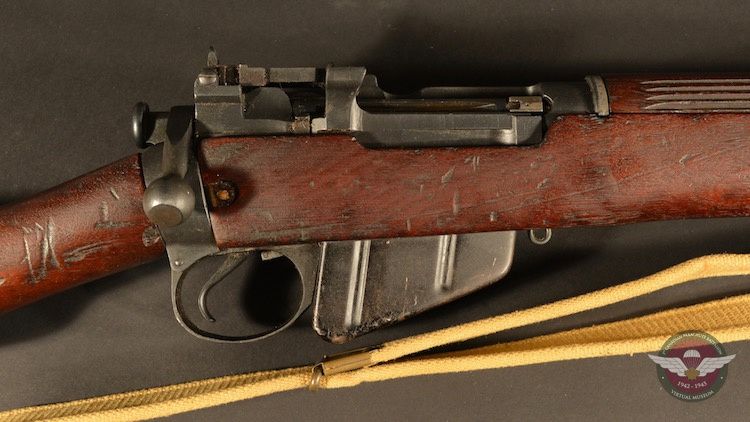
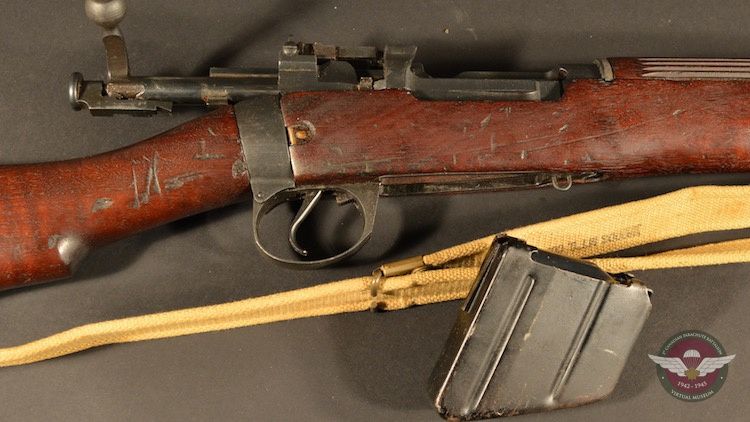
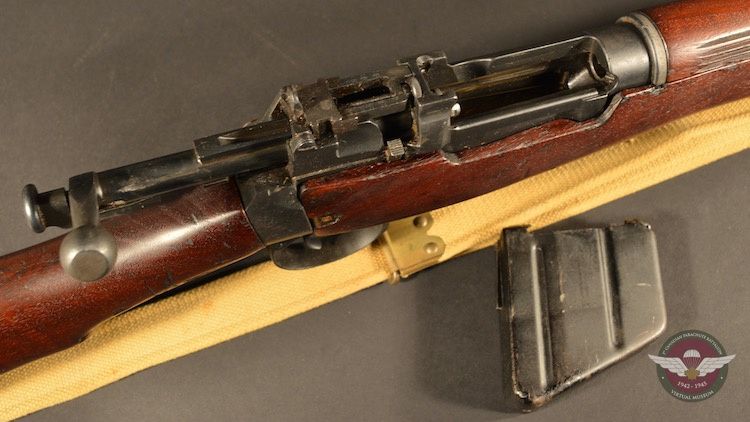
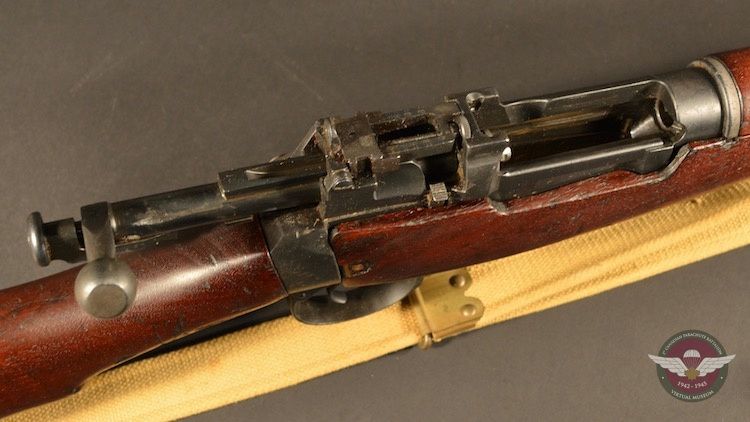
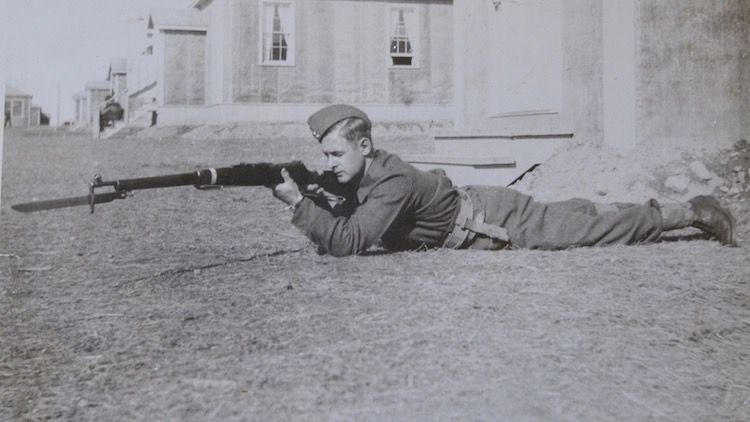
Lee Enfield 303 Rifle
A large majority of ground troops were issued the Lee Enfield bolt action rifle. It weighed approximately 4 pounds, magazine-fed 303 ammunition and depending on the skill of the soldier, the rate of fire would be between 20 – 30 rounds per minute. Courtesy of Collectors Source.
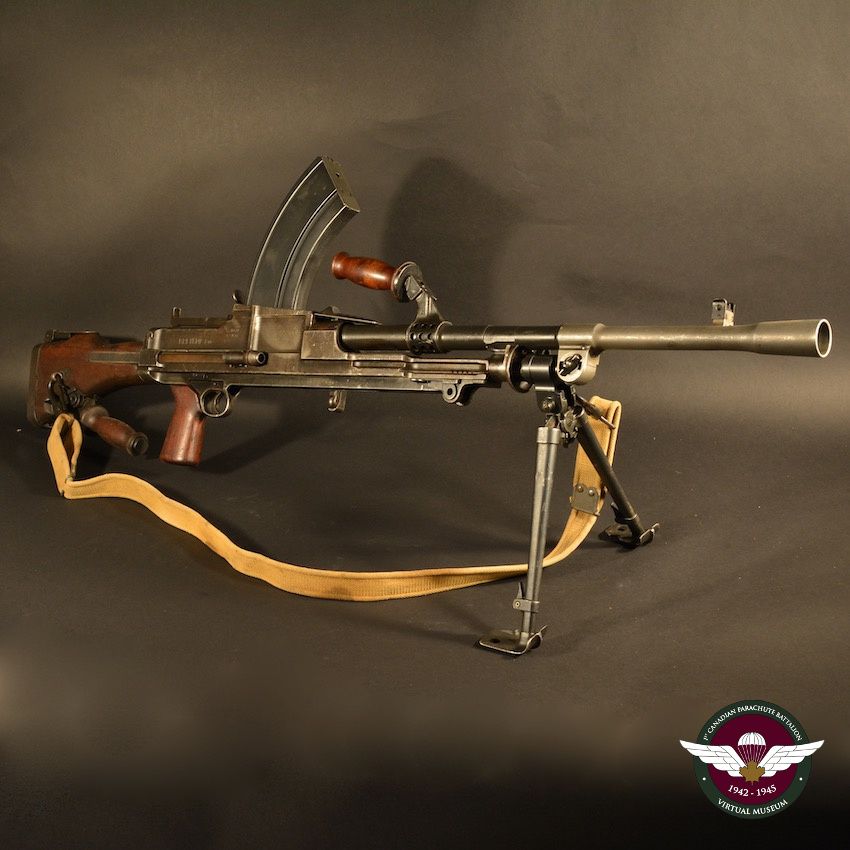
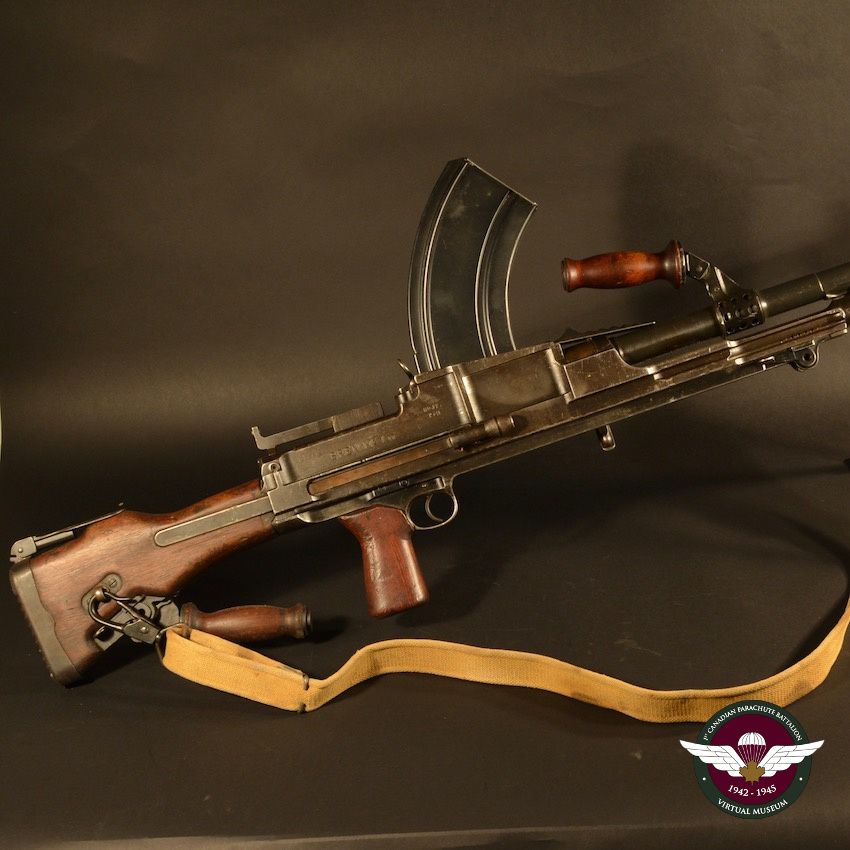
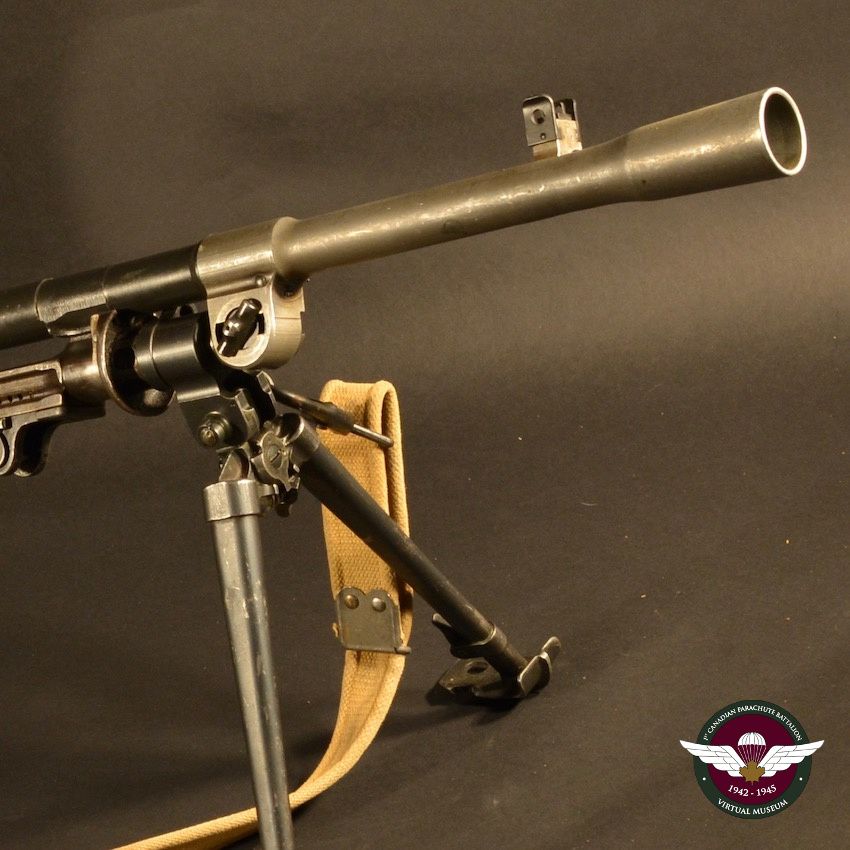
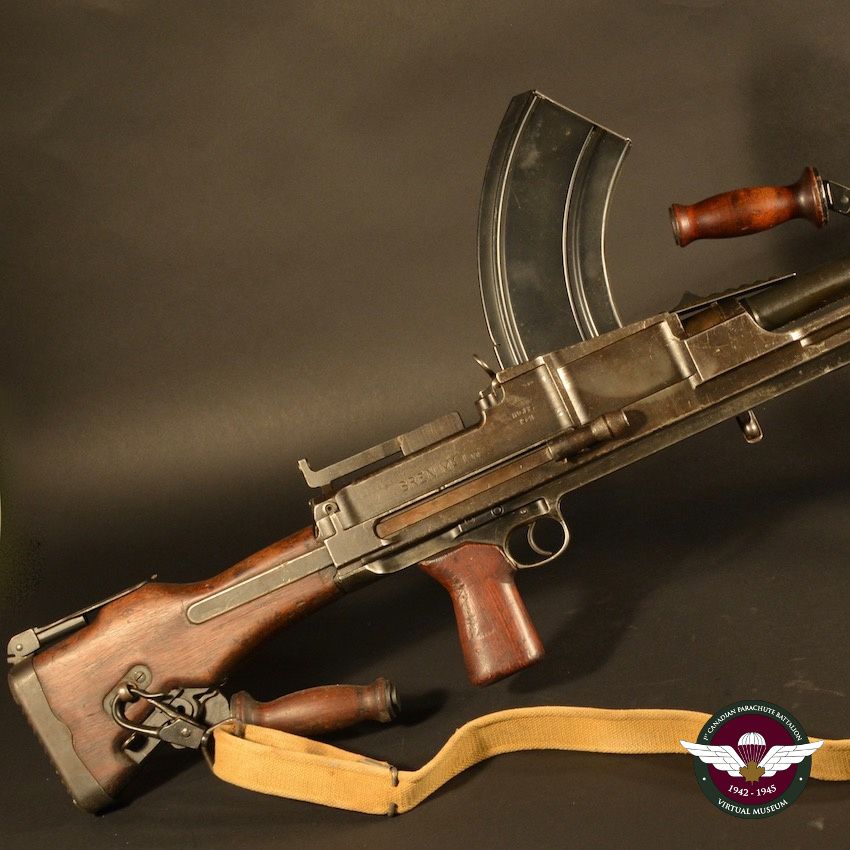
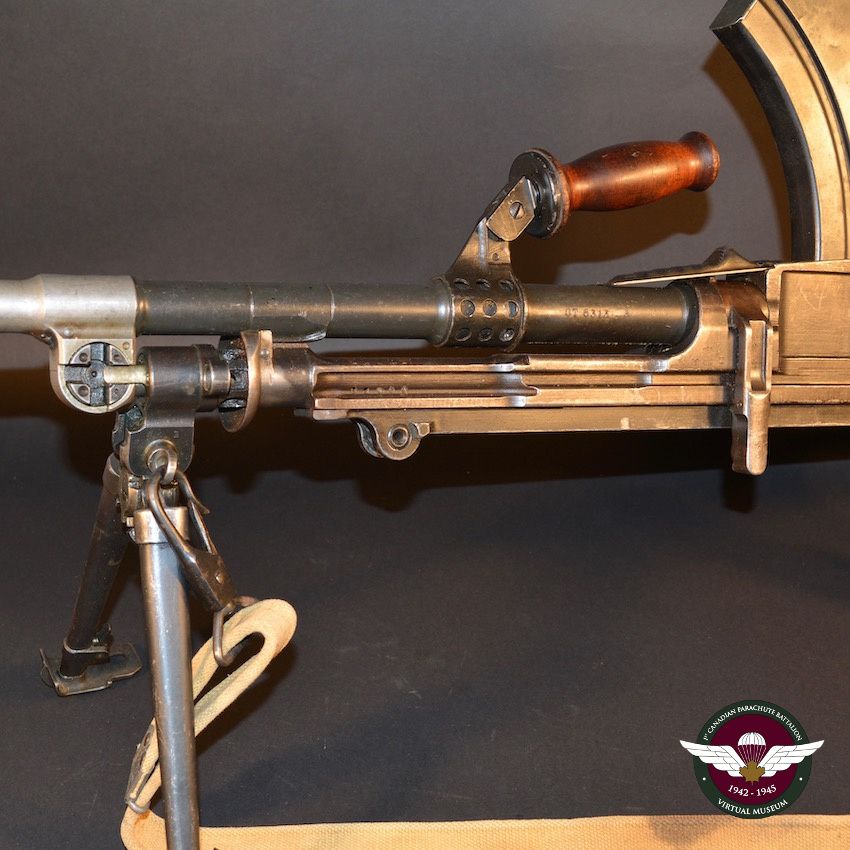
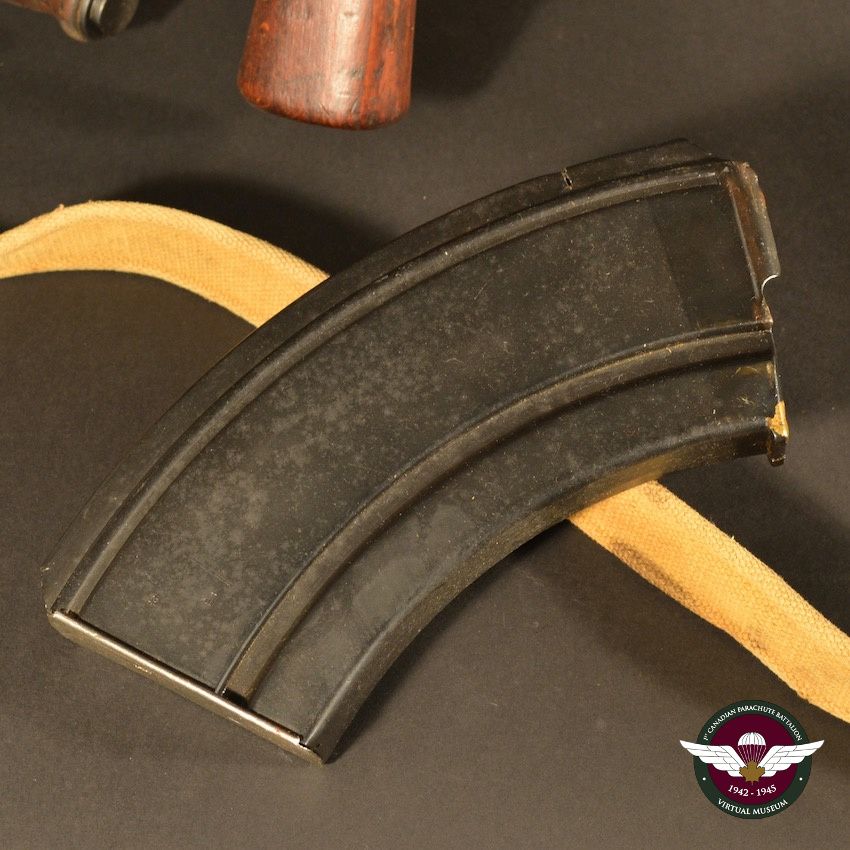
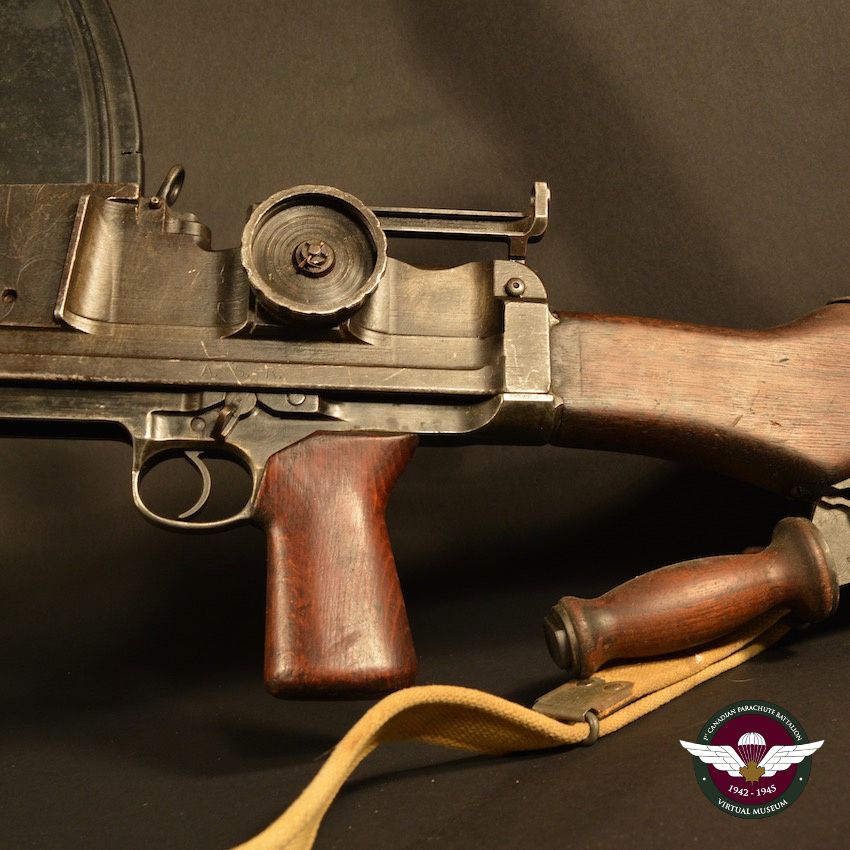
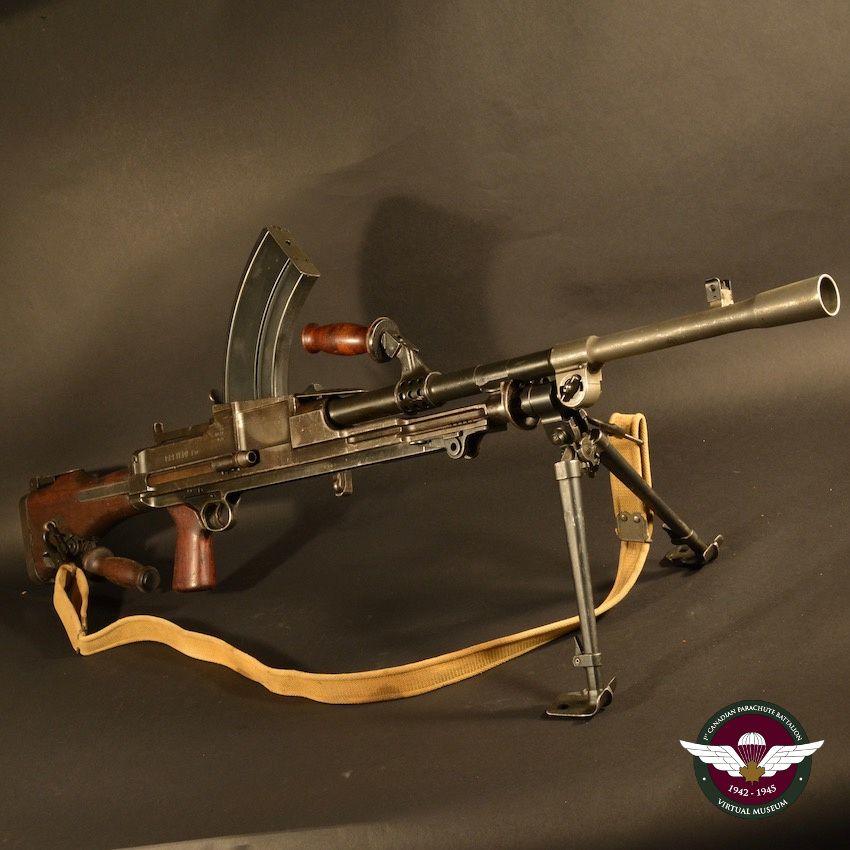
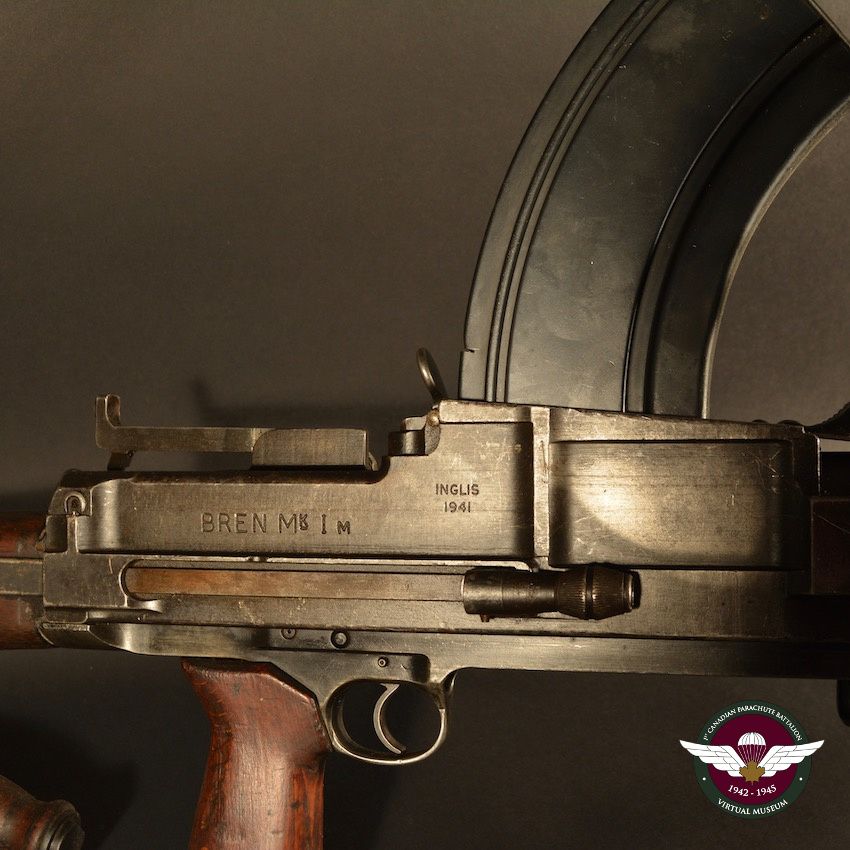
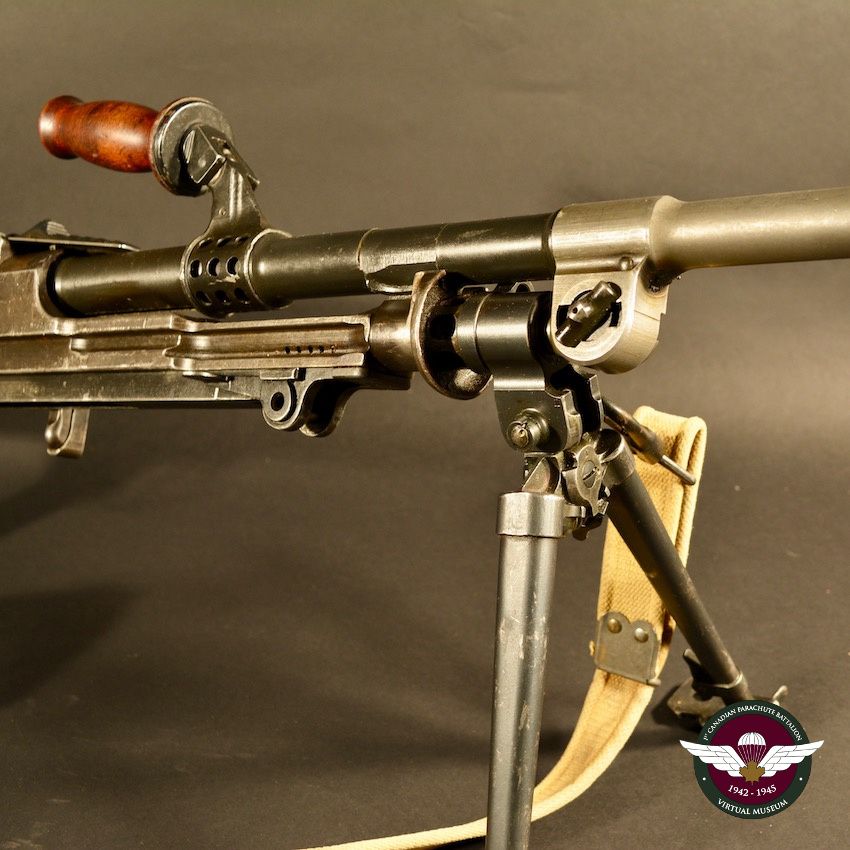
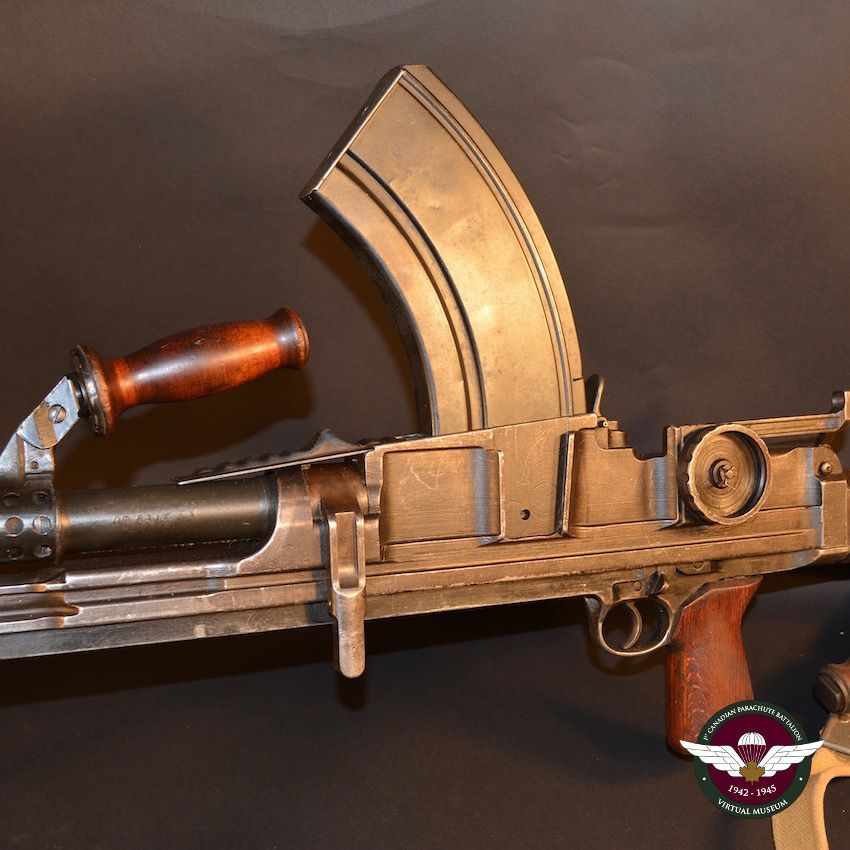
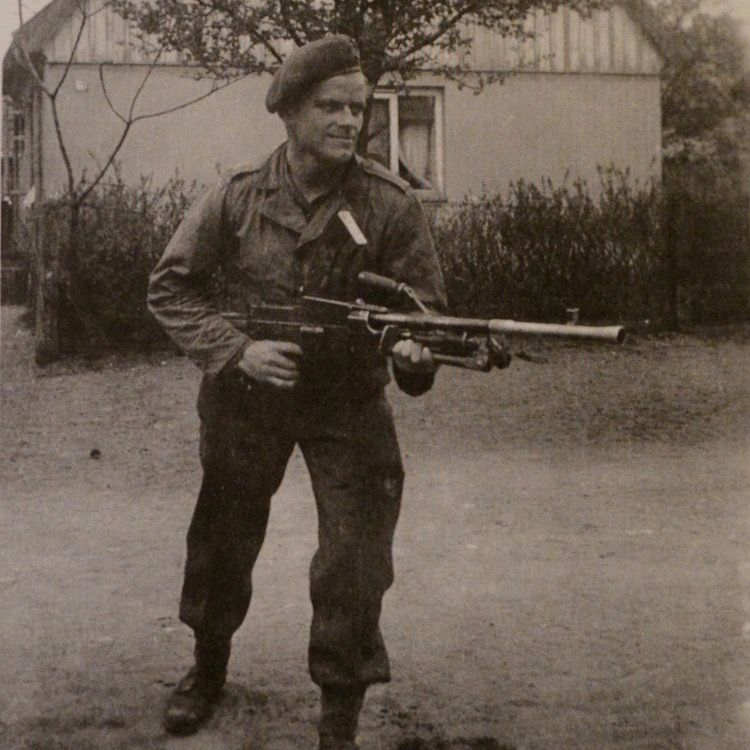
Bren Light Machine Gun MK1
The Bren Light Machine Gun MK1 was often referred to as a Bren. It was magazine-fed 303 ammunition and primarily used in a two-man team. The second member of the team would carry an extra barrel and additional 30 round magazines. It weighed approximately 25 pounds and had a rate of 500 rounds per minute with an effective range of 600 yards. When the action began, the Bren was every soldier's best friend. Courtesy of Collectors Source.
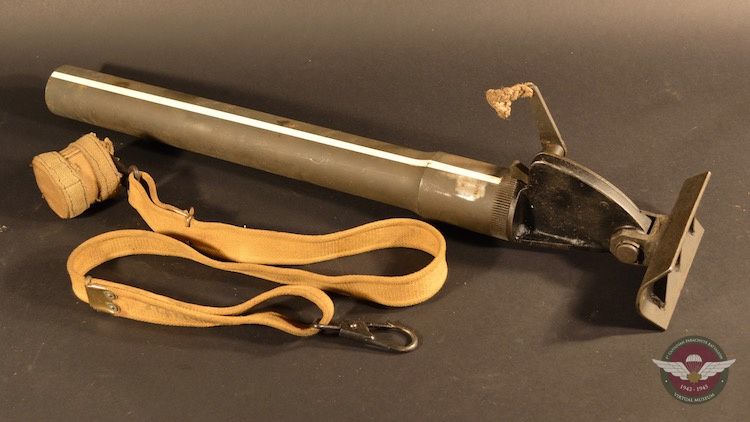
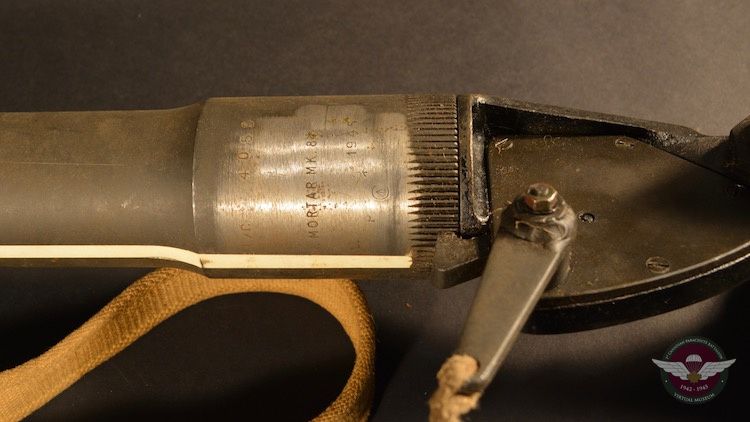
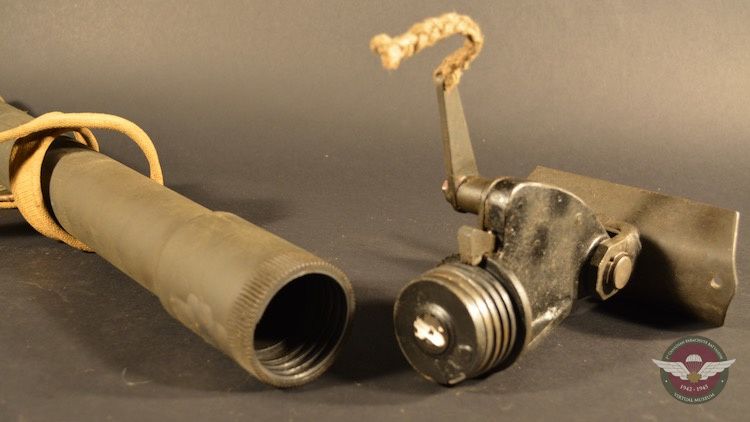
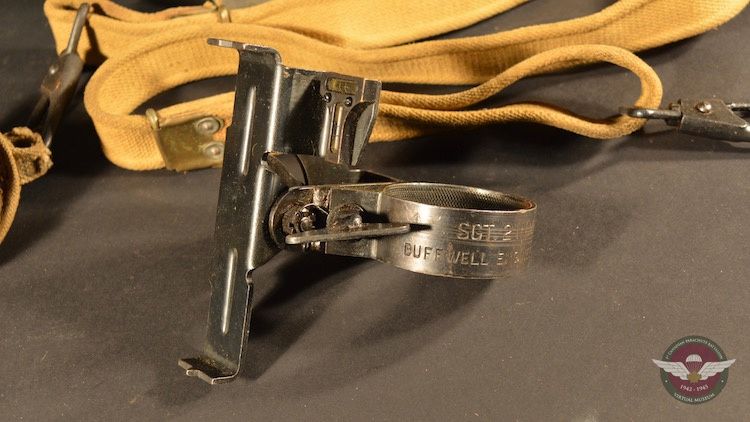
2" Mortar
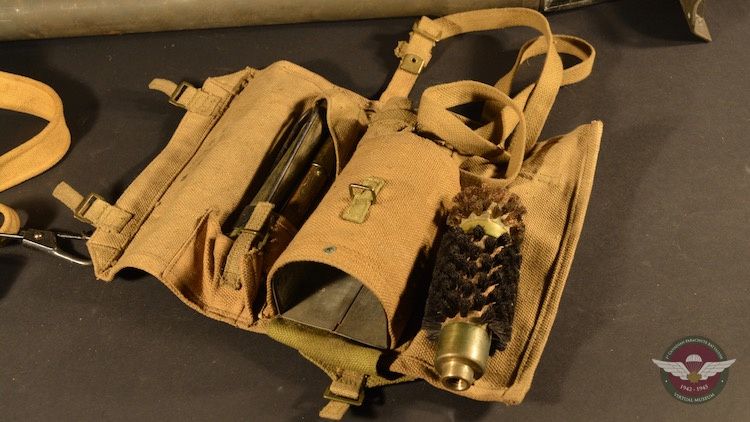
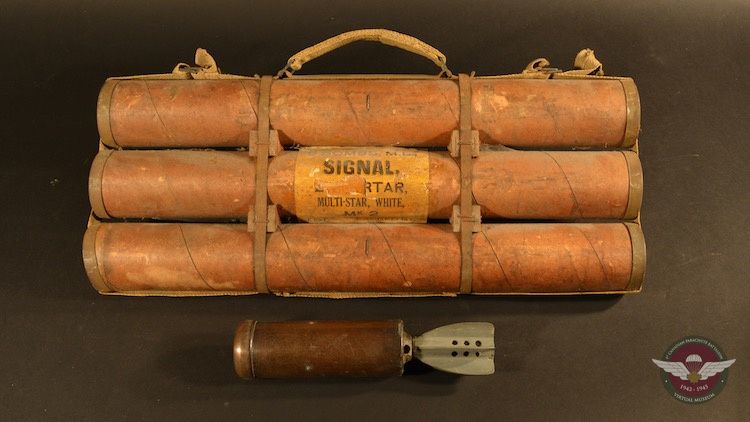
The 2” Mortar was referred to as the light mortar as it was compact enough for ground troops to transport and use. The mortar itself weighed approximately 10 pounds and there were many variants of this weapon system. A well-trained two-man crew could fire 8 rounds per minute with an effective range of 500 yards. It could be used with a selection of ammunition such as High Explosive, Smoke and Illuminating rounds depending on your application needs. Each round weighed roughly 2 pounds. Courtesy of Collectors Source.
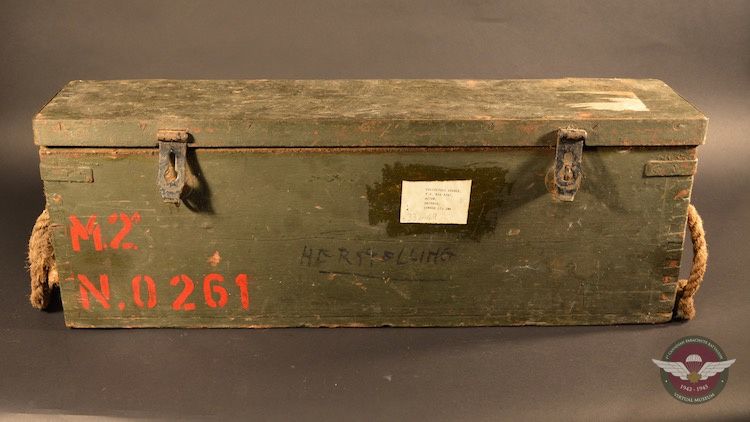
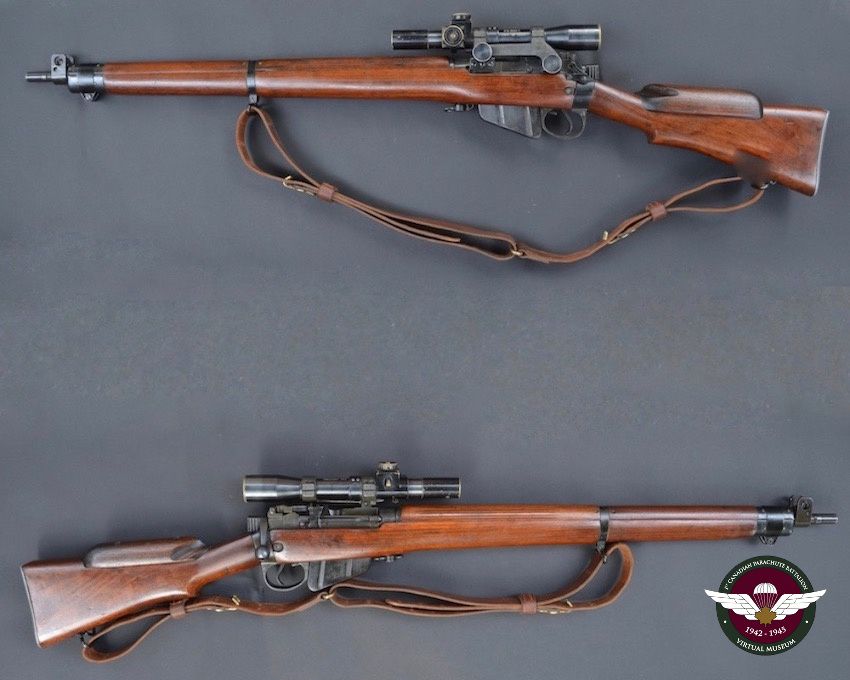
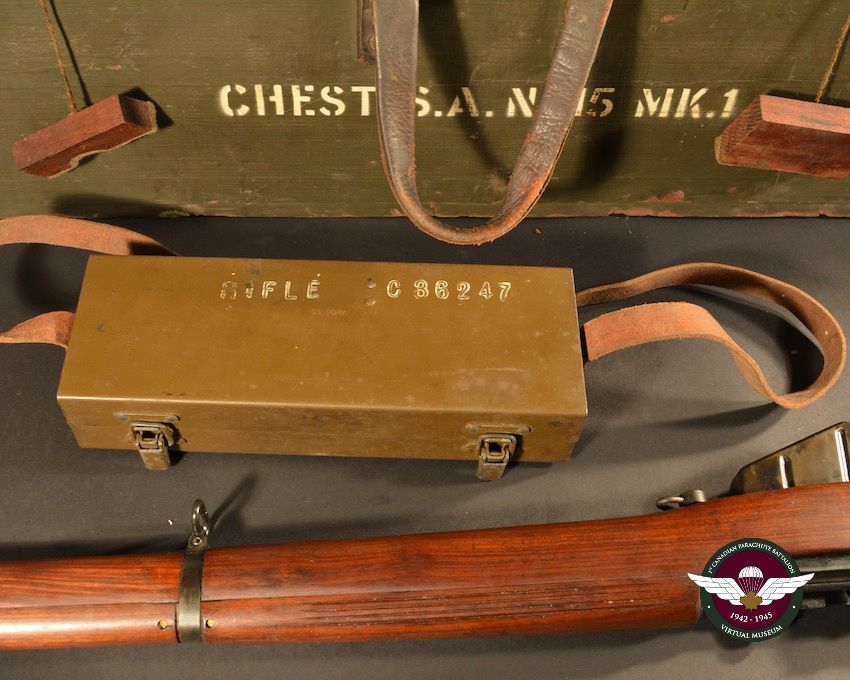
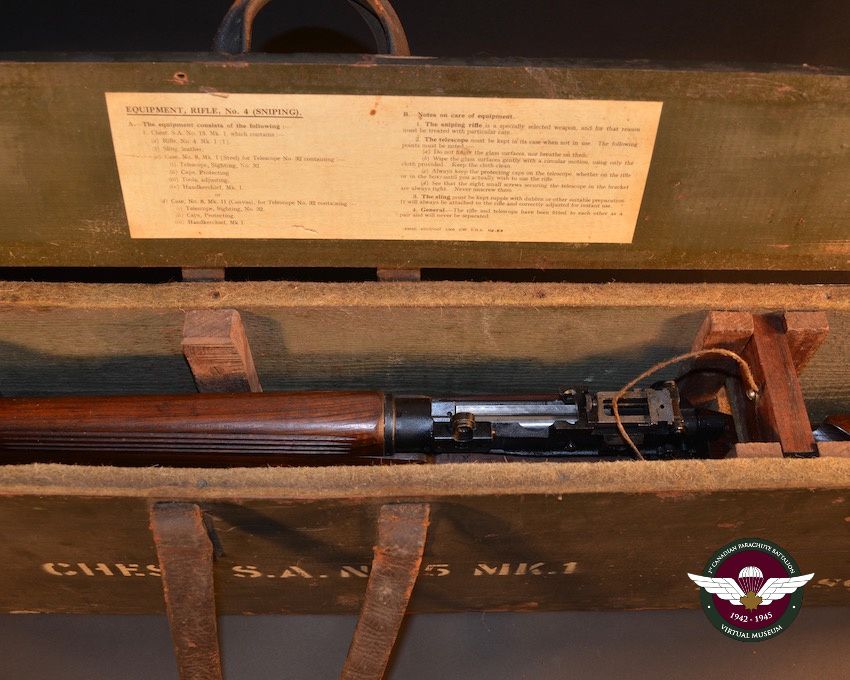
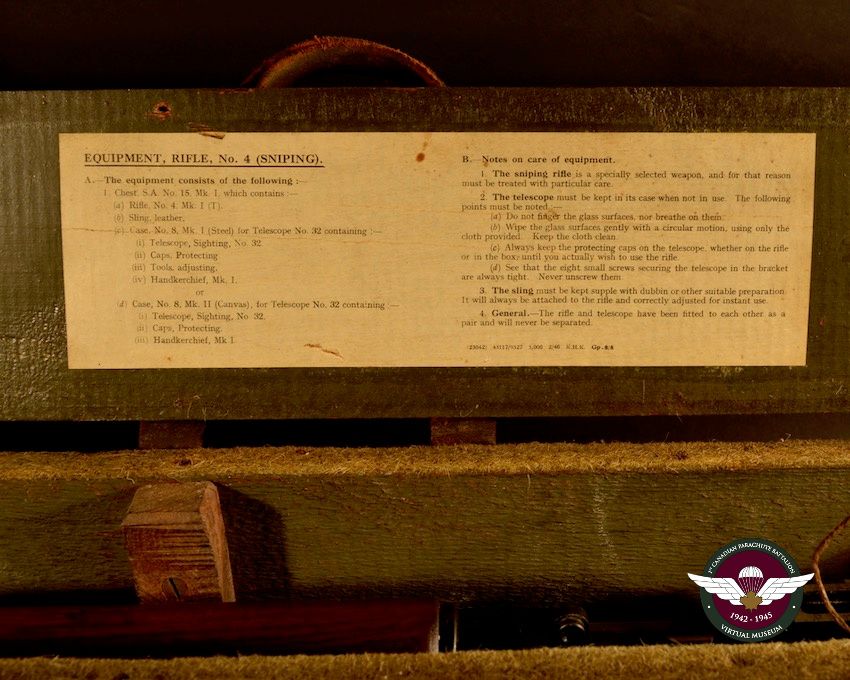
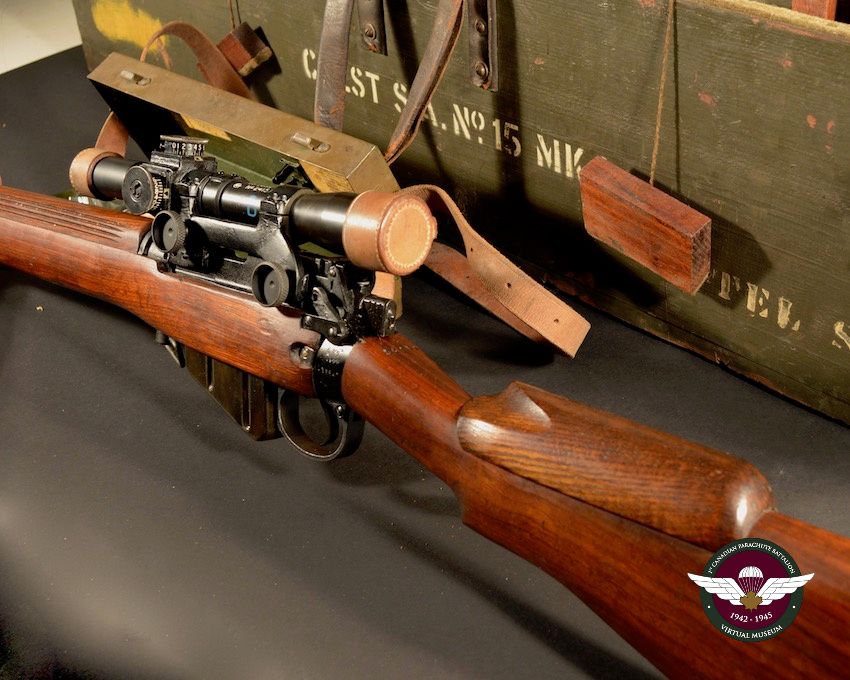
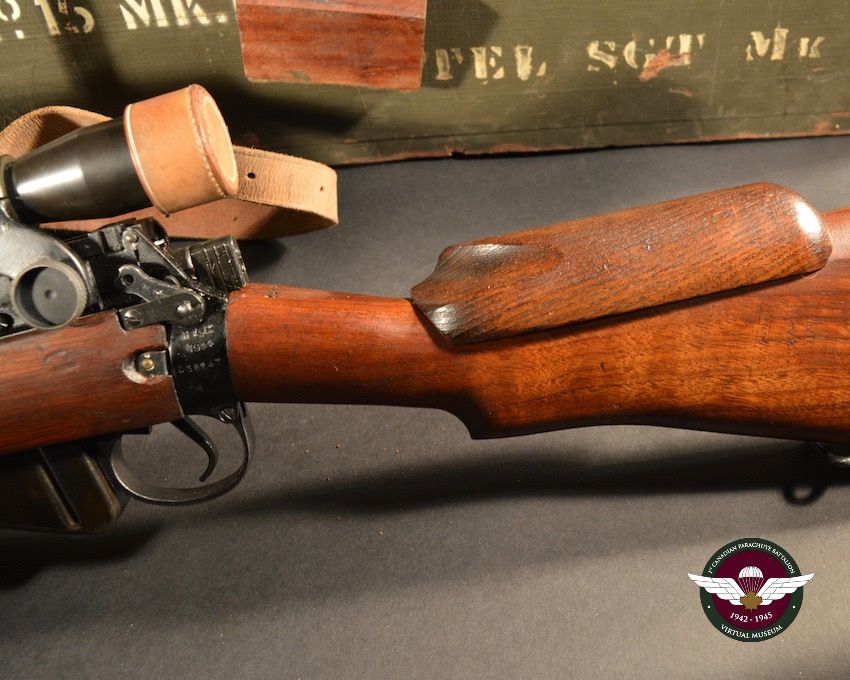
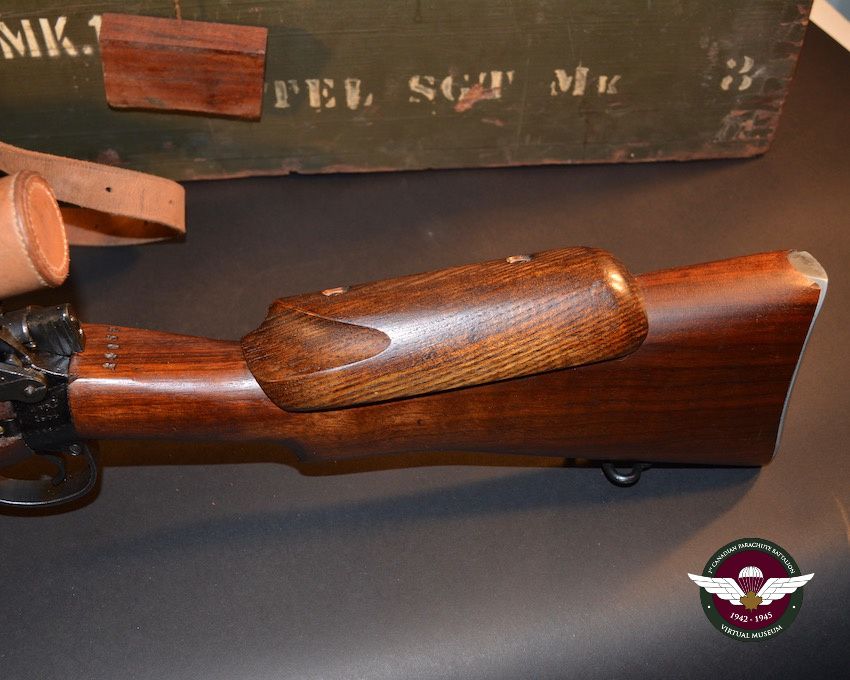
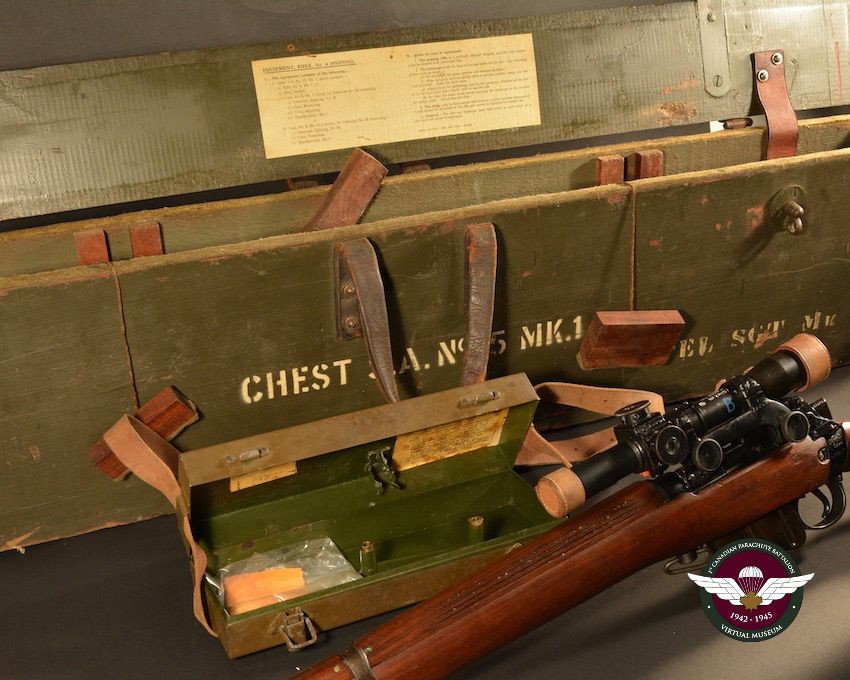
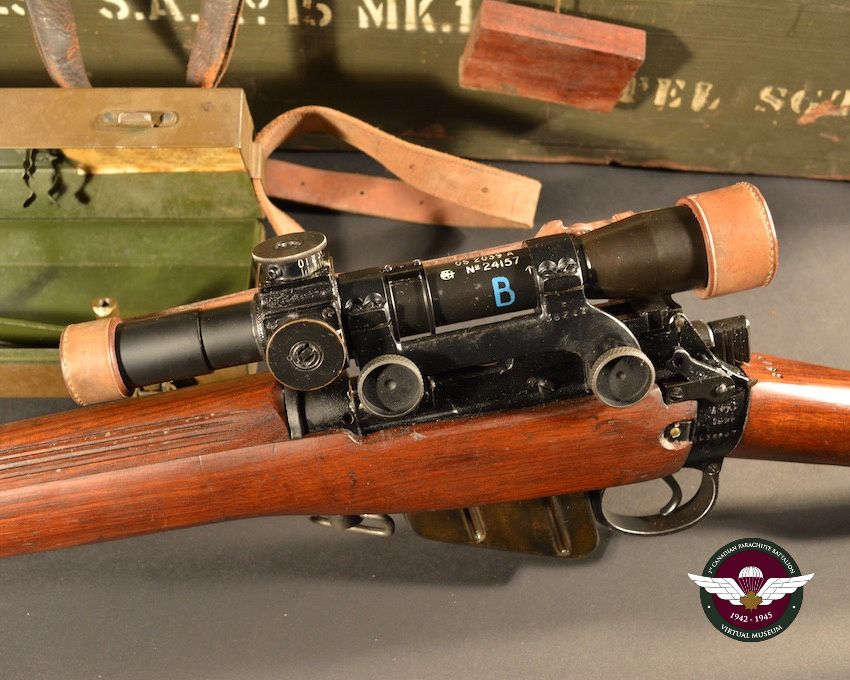
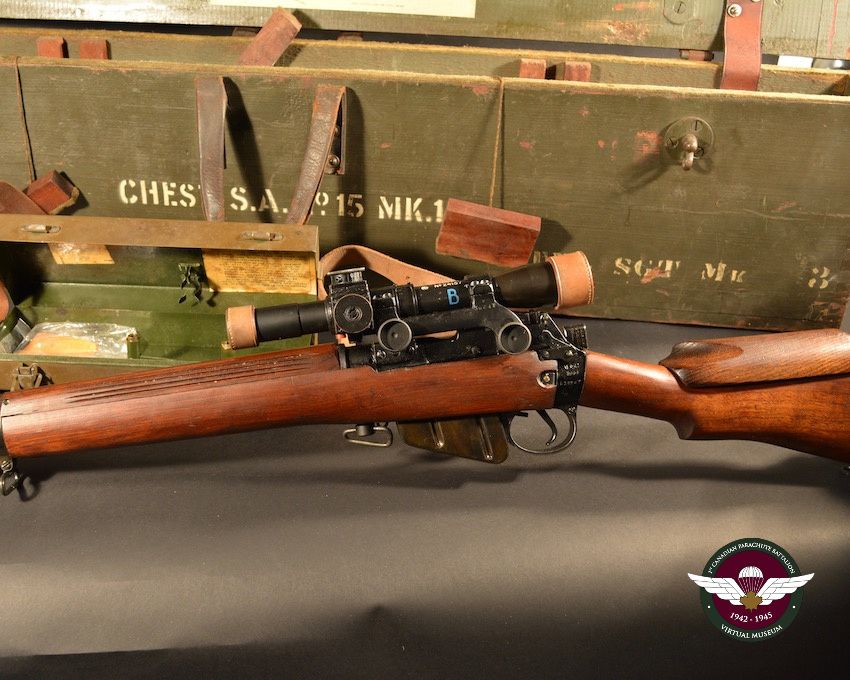
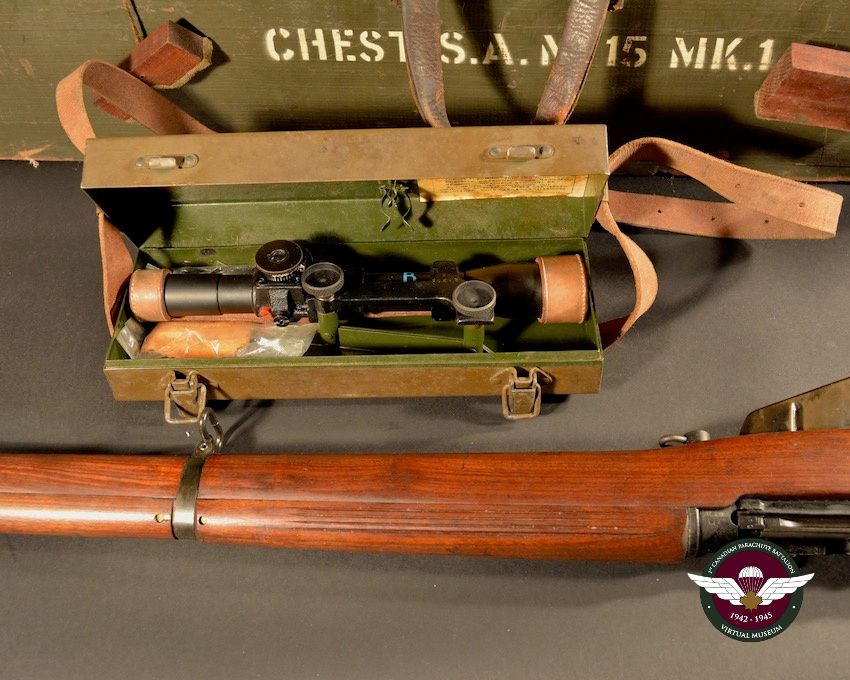
Lee Enfield MK1 Sniper Rifle
The Lee Enfield Mk1 Sniper Rifle was a better quality 303 rifle with a scope to allow a soldier to reach the enemy at a greater distance. The men chosen to become snipers received special training in advanced shooting, patrolling and fieldcraft making them a lethal addition to the Battalion. Courtesy of Collectors Source.
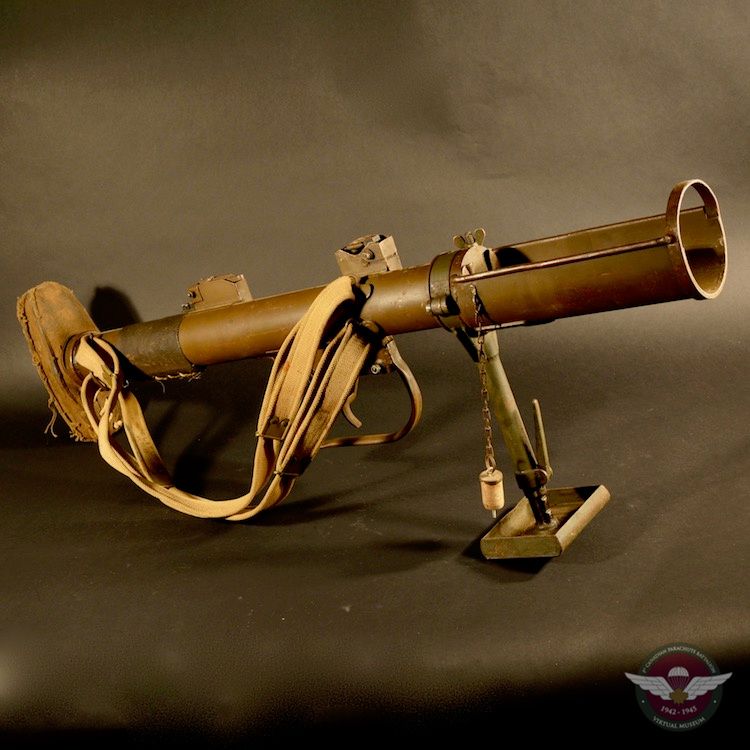
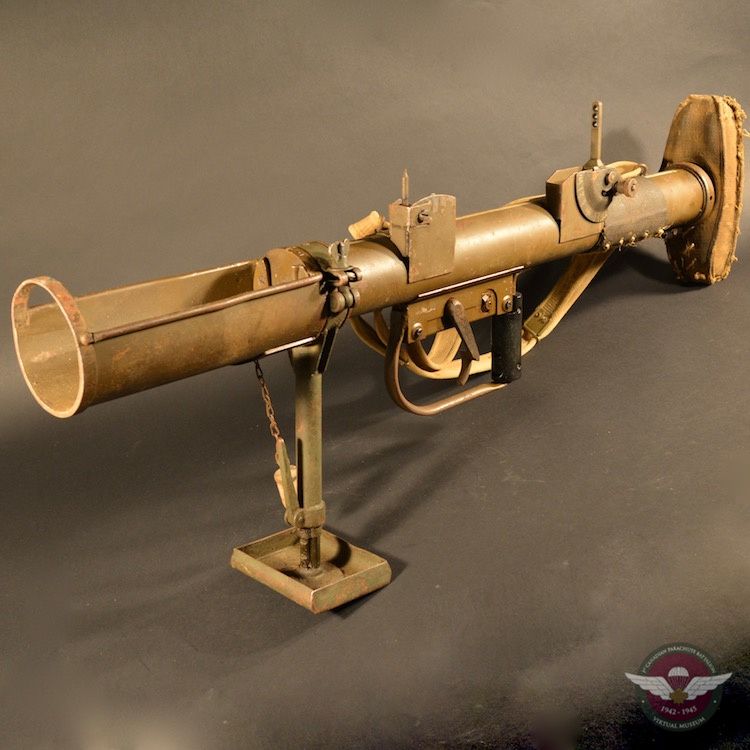
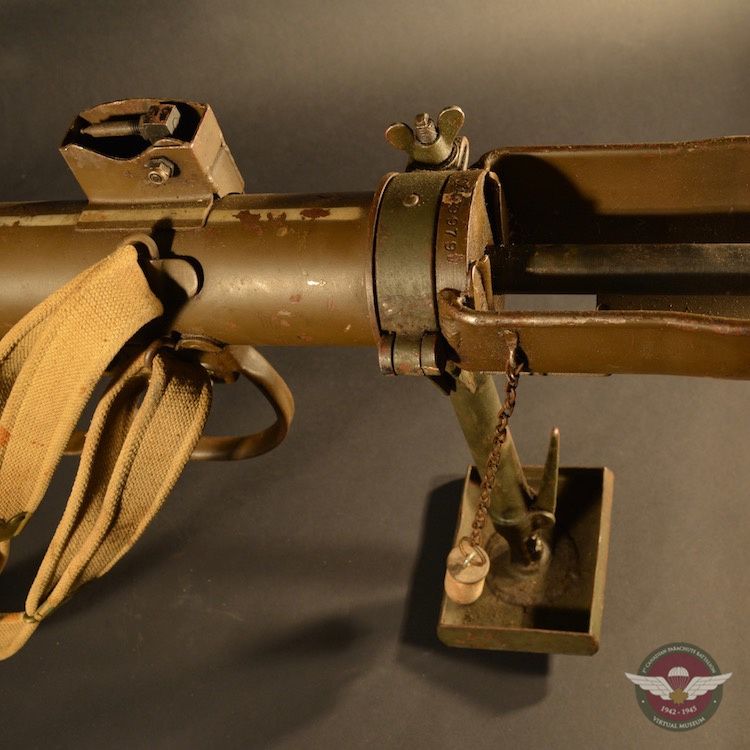
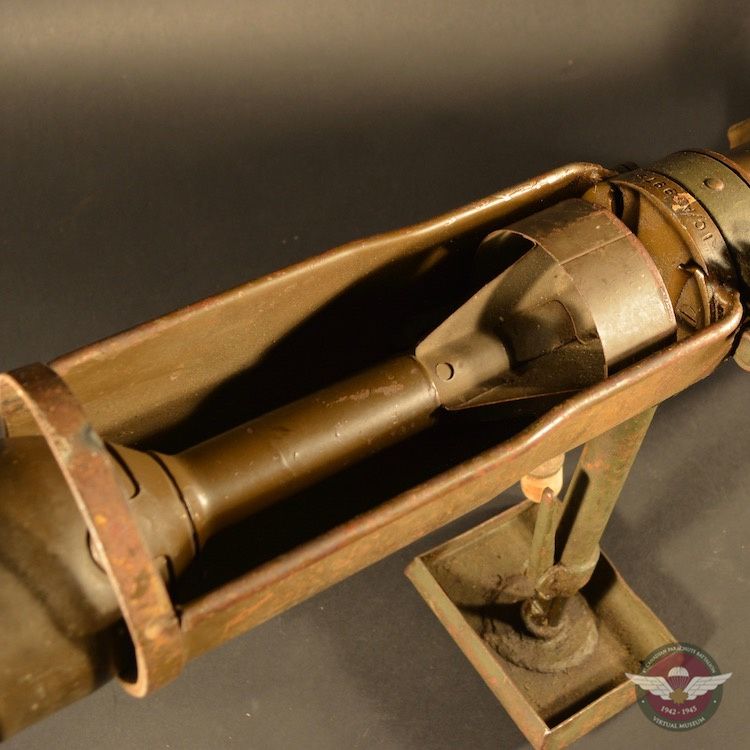
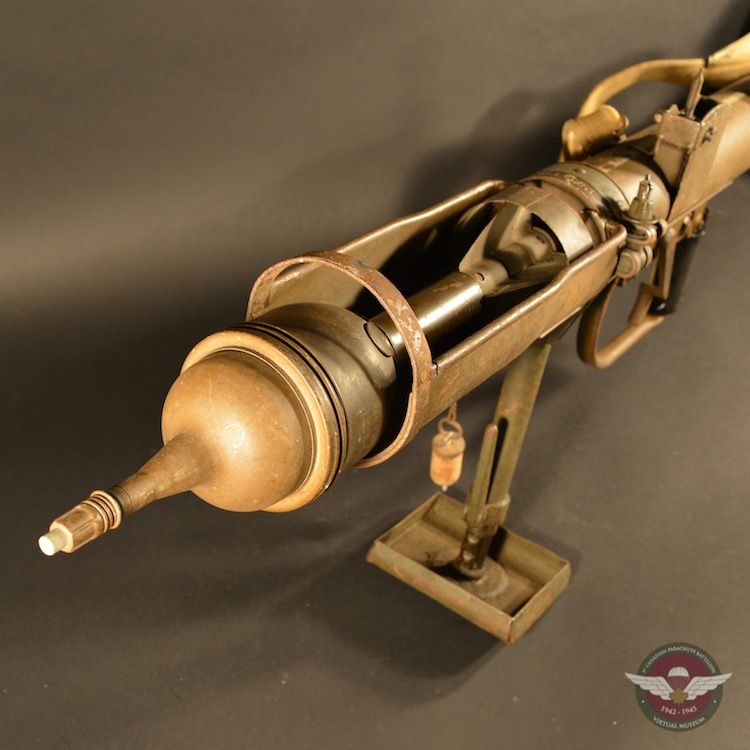
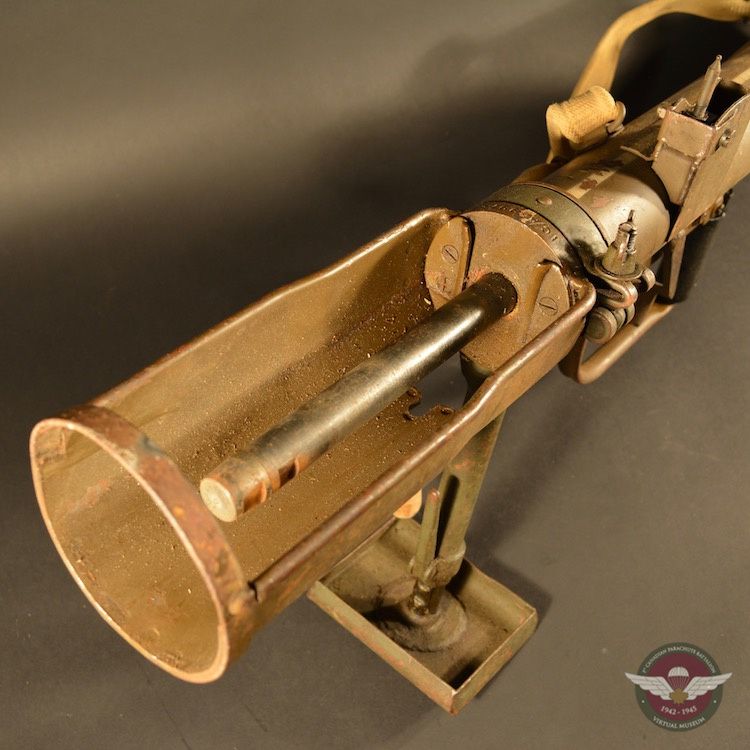
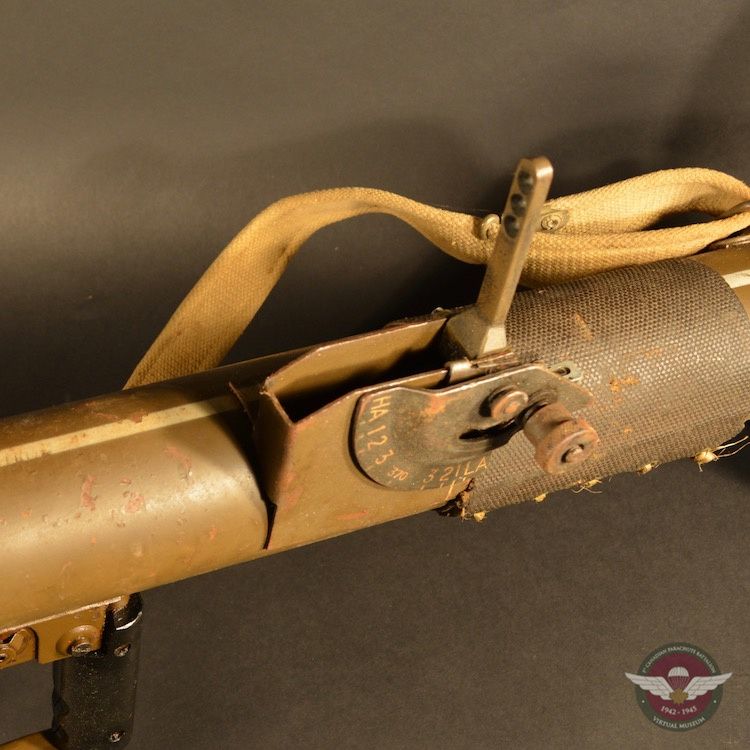
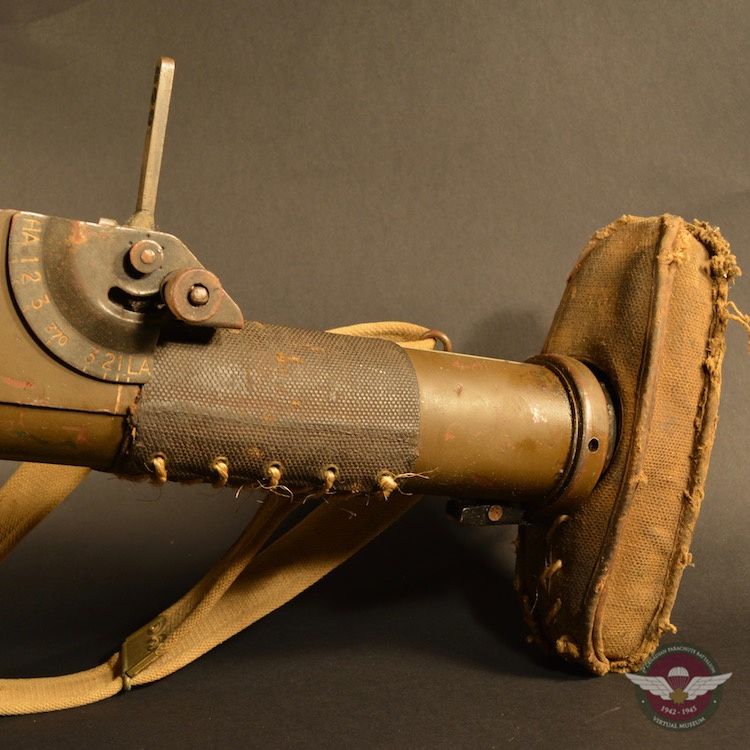
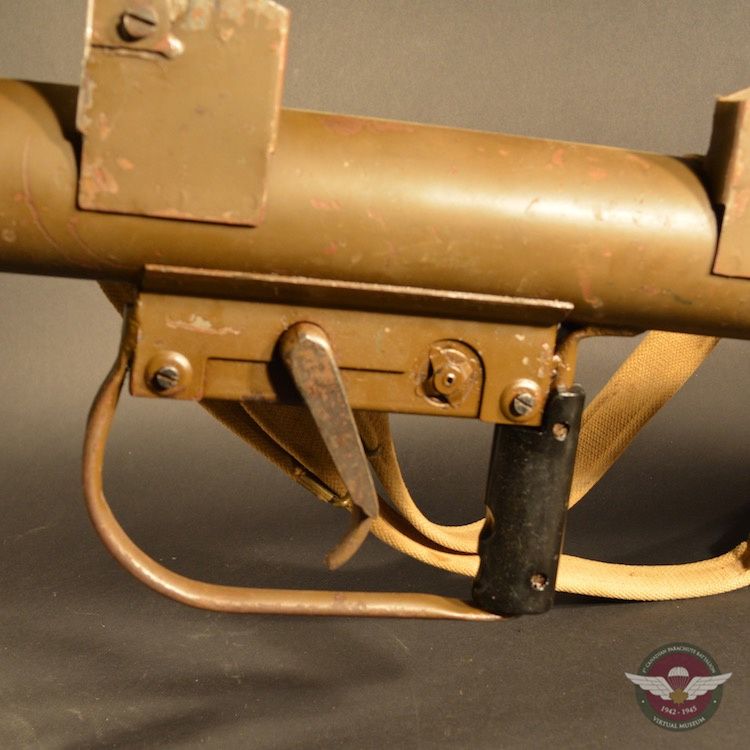
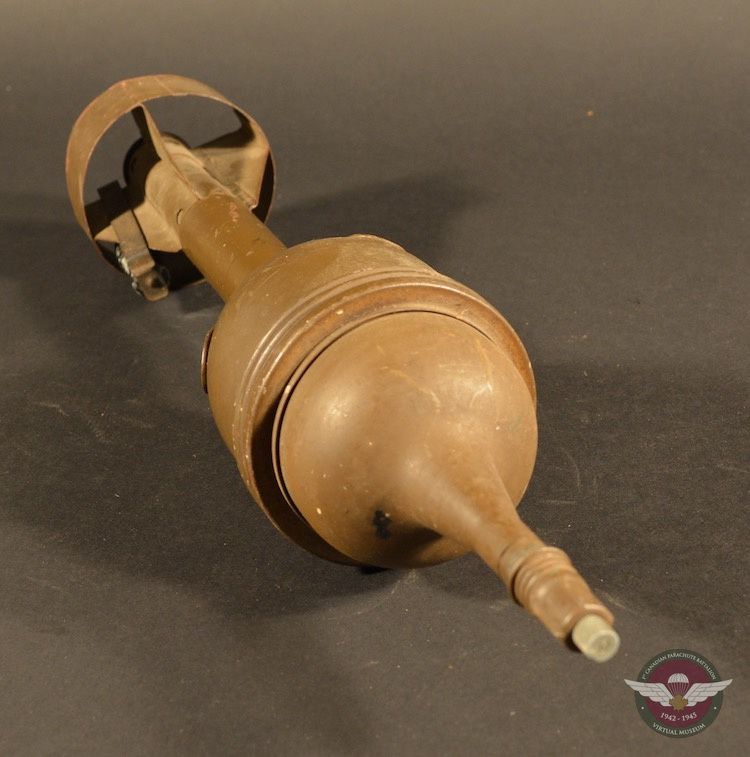
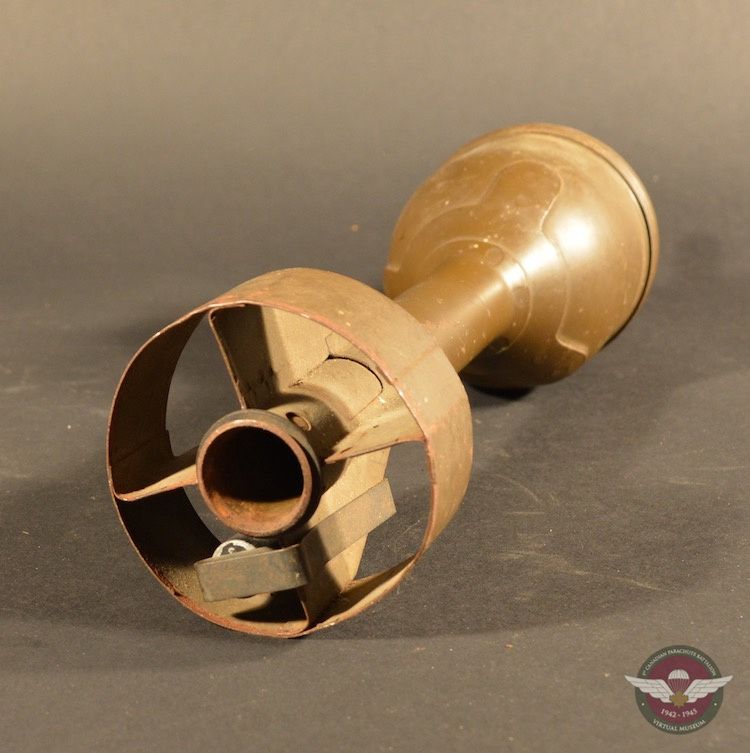
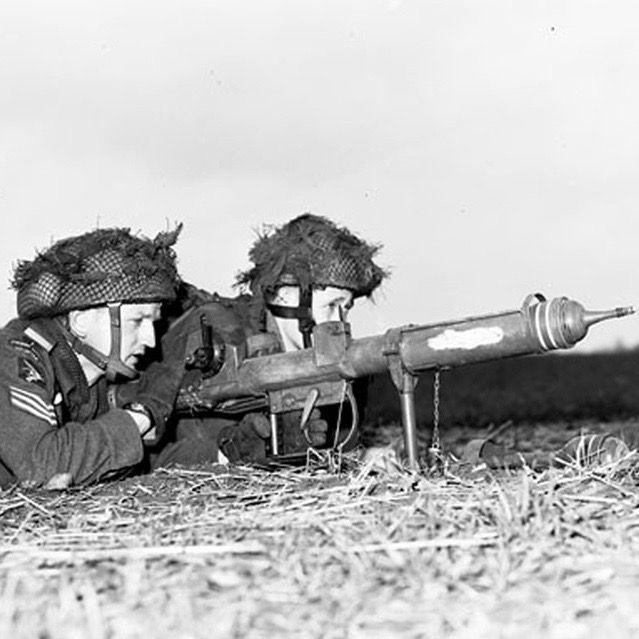
Projector Infantry Anti Tank
The Projector Infantry Anti Tank weapons system often referred to as a PIAT was employed by ground troops in order to disable tanks and other armoured vehicles. The effective range of the PIAT against a tank was 115 yards, which meant you required nerves of steel to allow a tank to get close enough before engaging. The PIAT could also be used for breaching buildings, which allowed for a greater distance, up to 350 yards and still be effective. The PIAT itself weighed 32 pounds and a bomb weighed approximately 2.5 pounds, being carried in a container of 3 rounds. The PIAT was heavy and cumbersome to carry around. It was also challenging to prepare for loading, making the rate of fire less than desirable. Courtesy of Collectors Source.
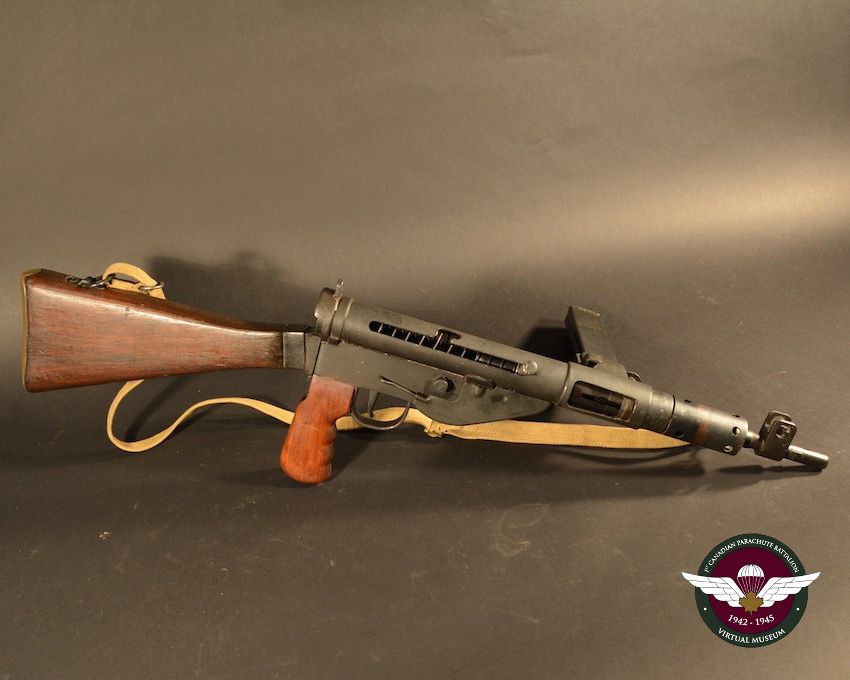
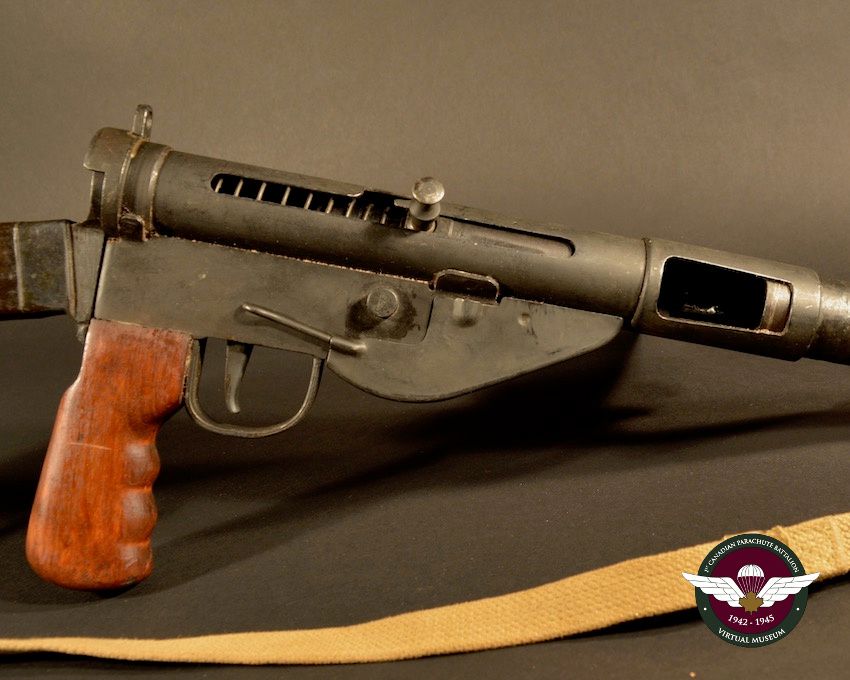
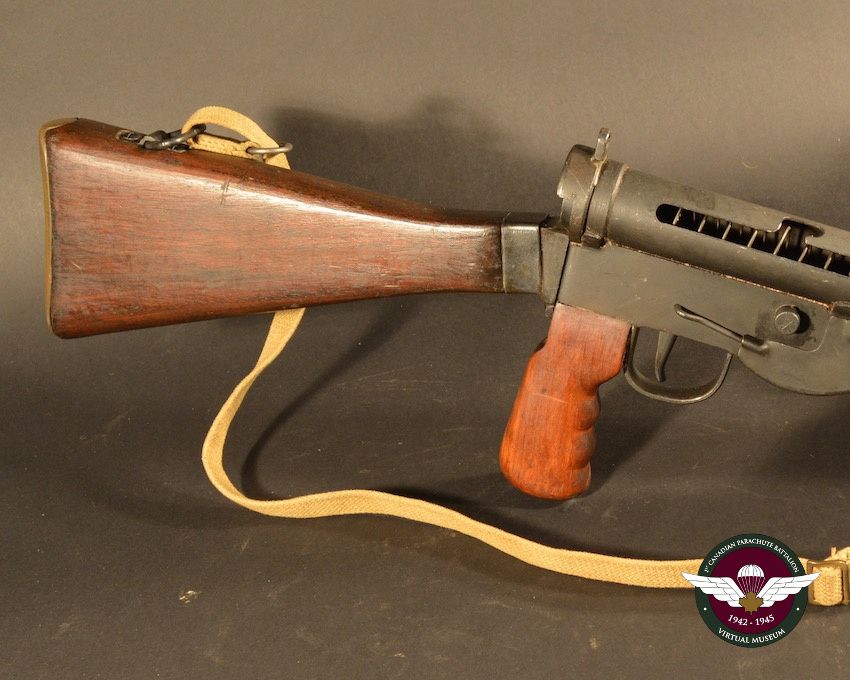
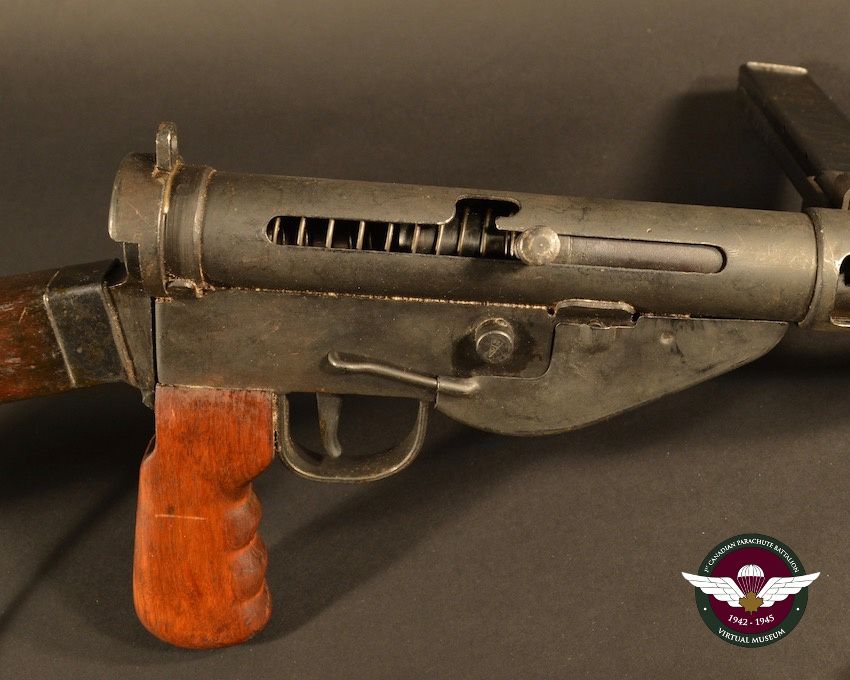
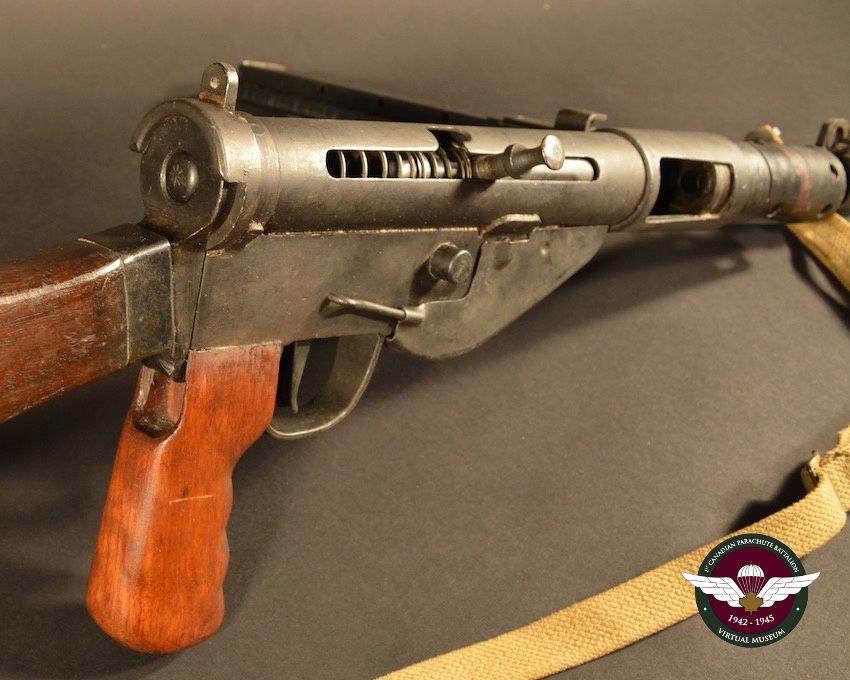
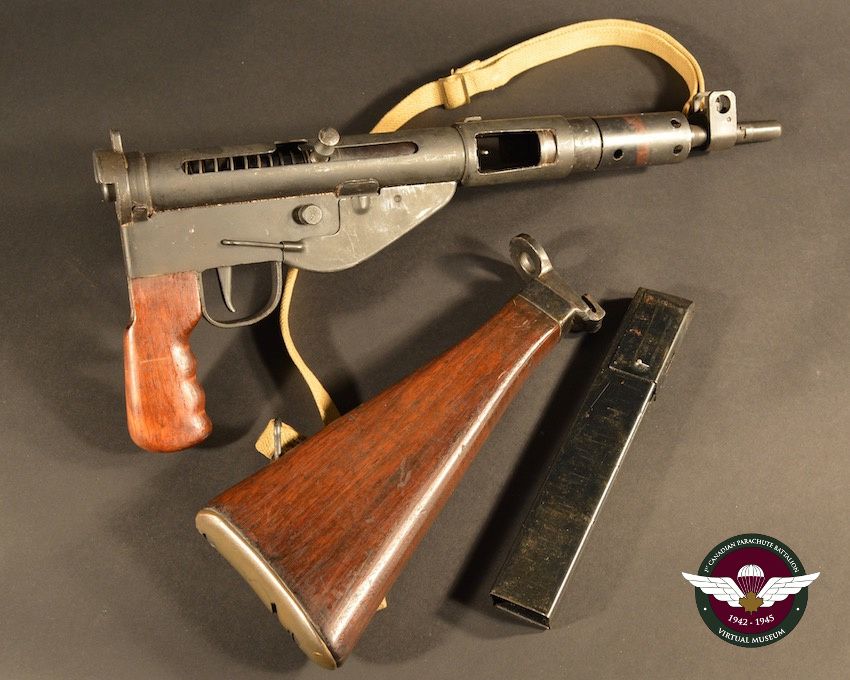
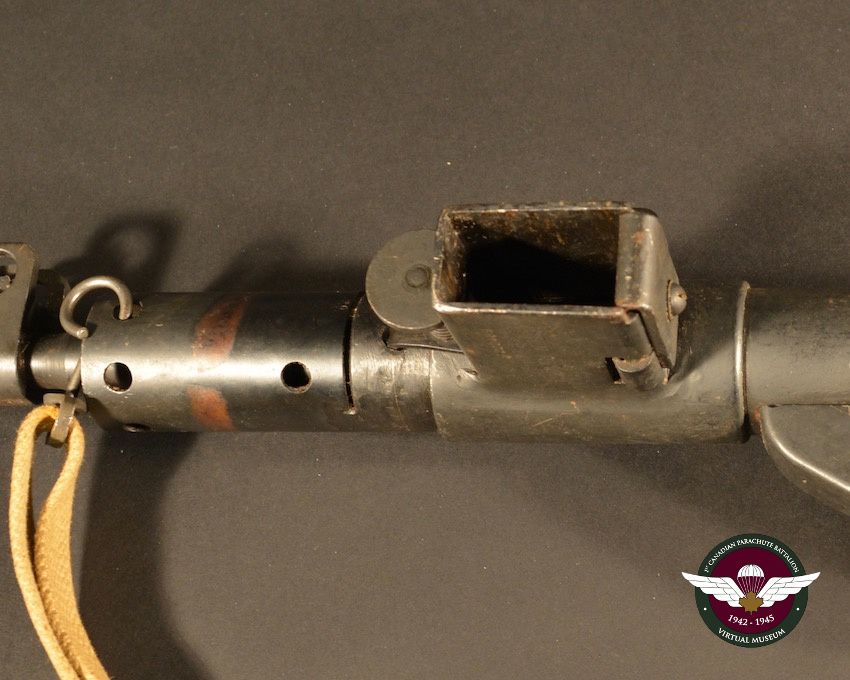
Sten Submachine Gun MKV
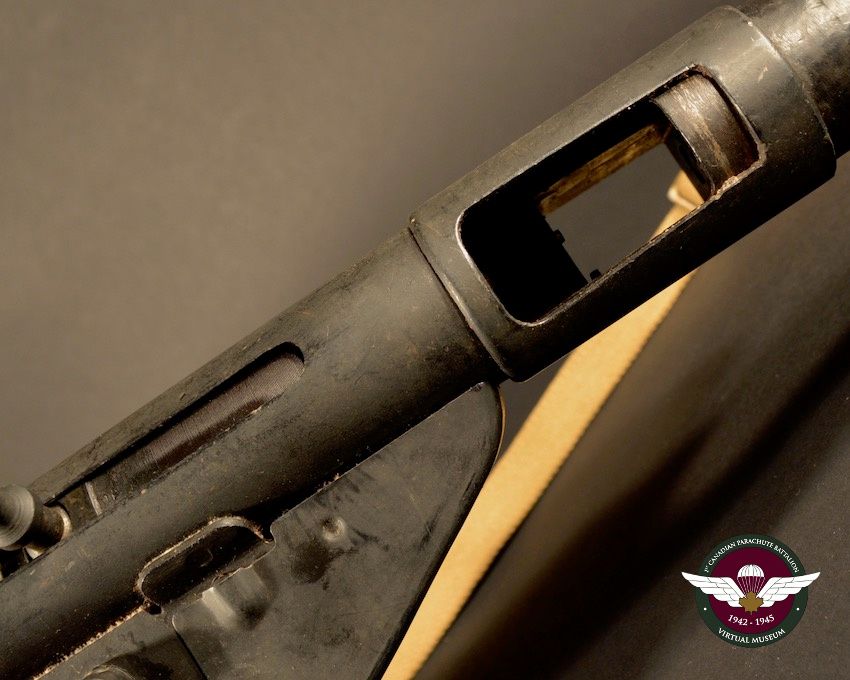
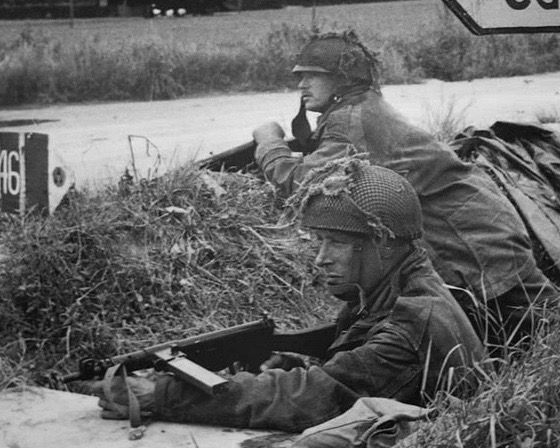
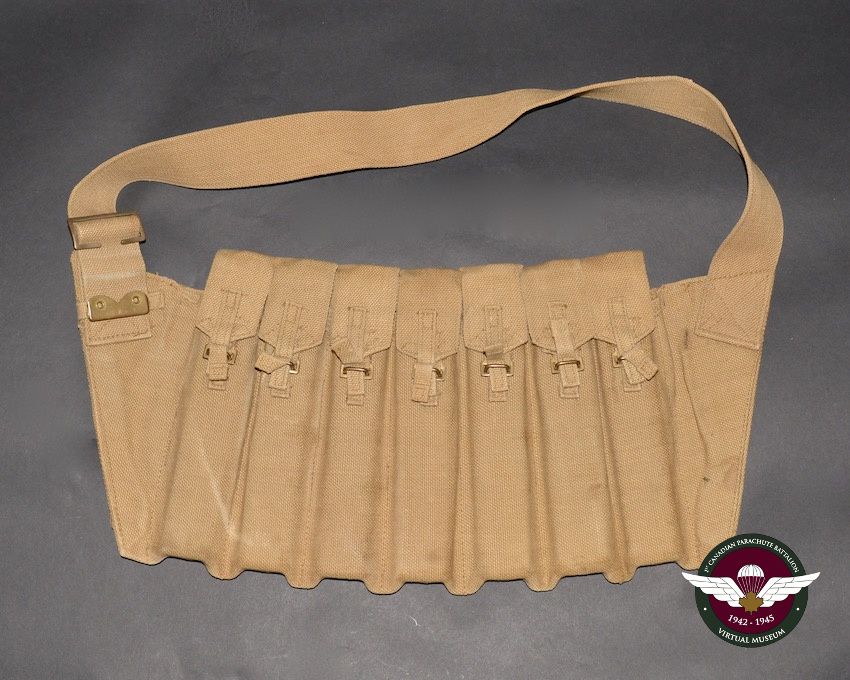
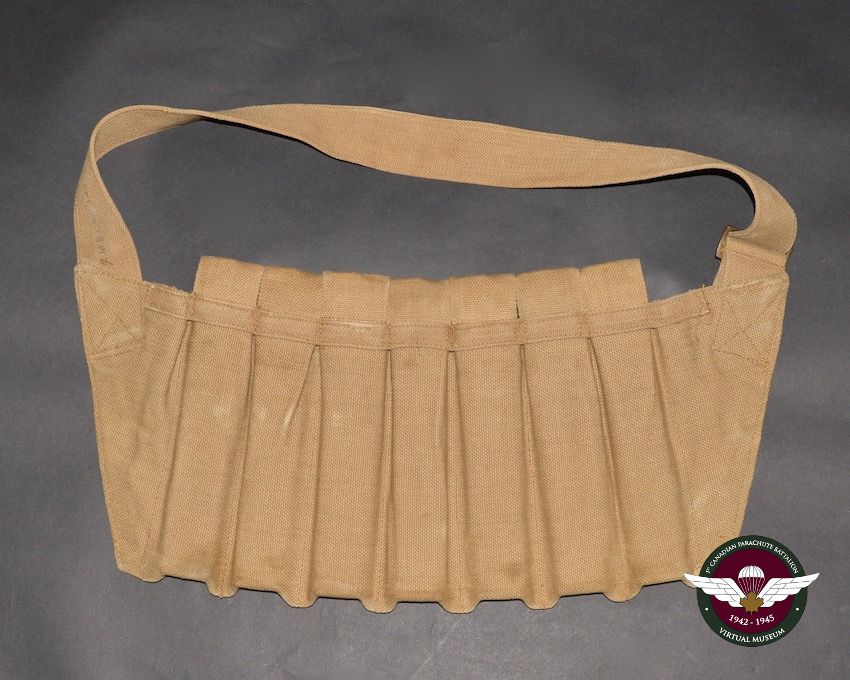
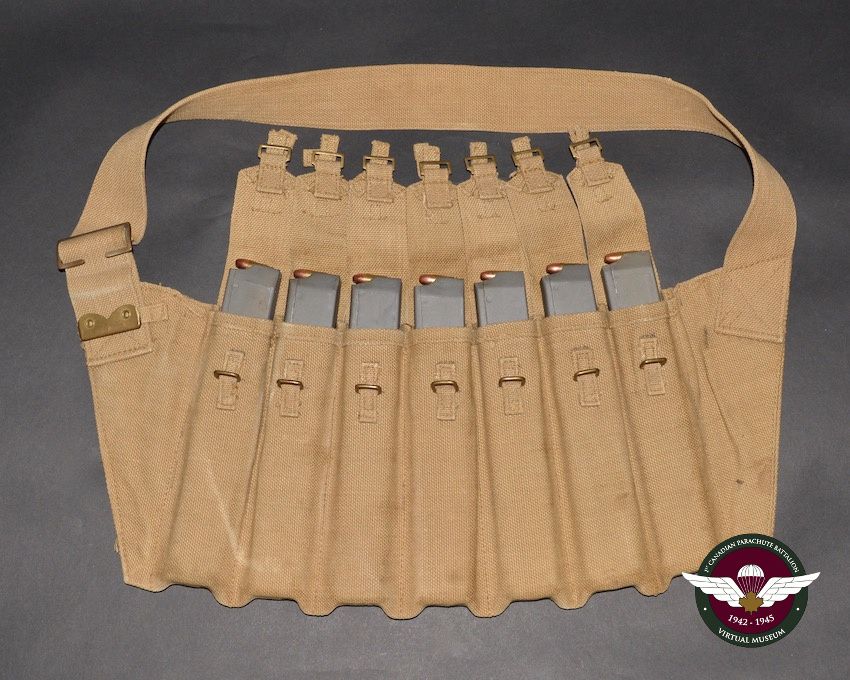
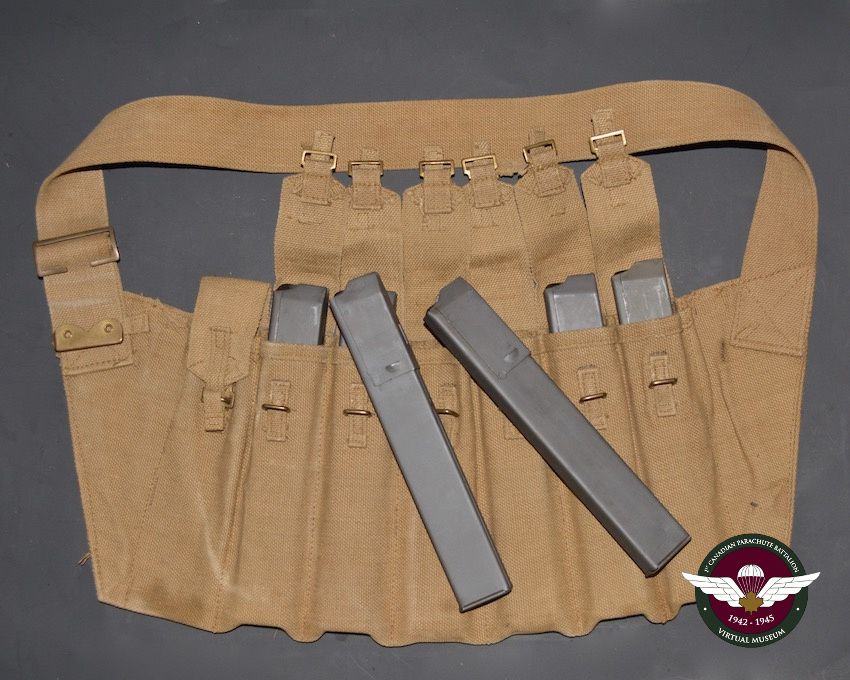
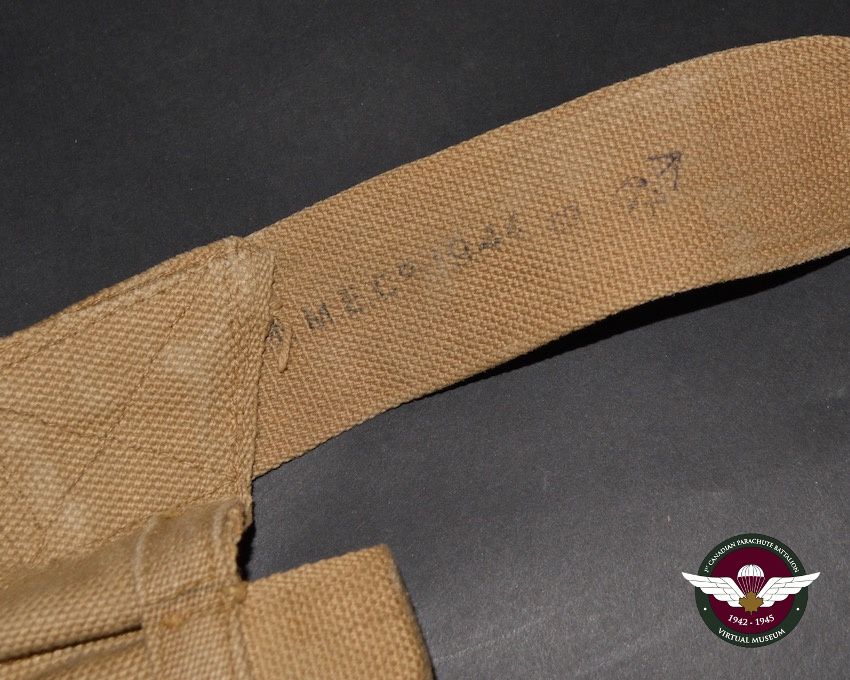
The Sten submachine gun can be found in several models, the one pictured here is a Sten MKV, produced for the Paratroopers. It was an inexpensive firearm to produce, costing less than $10.00 per unit. It chambered a 9mm cartridge with a firing rate of 550 rounds per minute and an effective range of 100 yards. Also shown is a magazine pouch or bandolier that allowed a soldier to carry an additional 30 round magazines. Courtesy of Collectors Source.
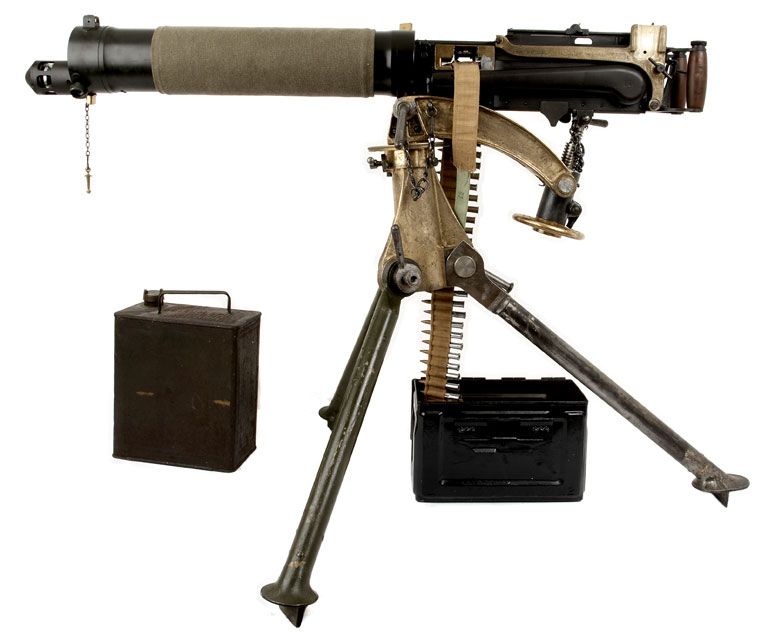
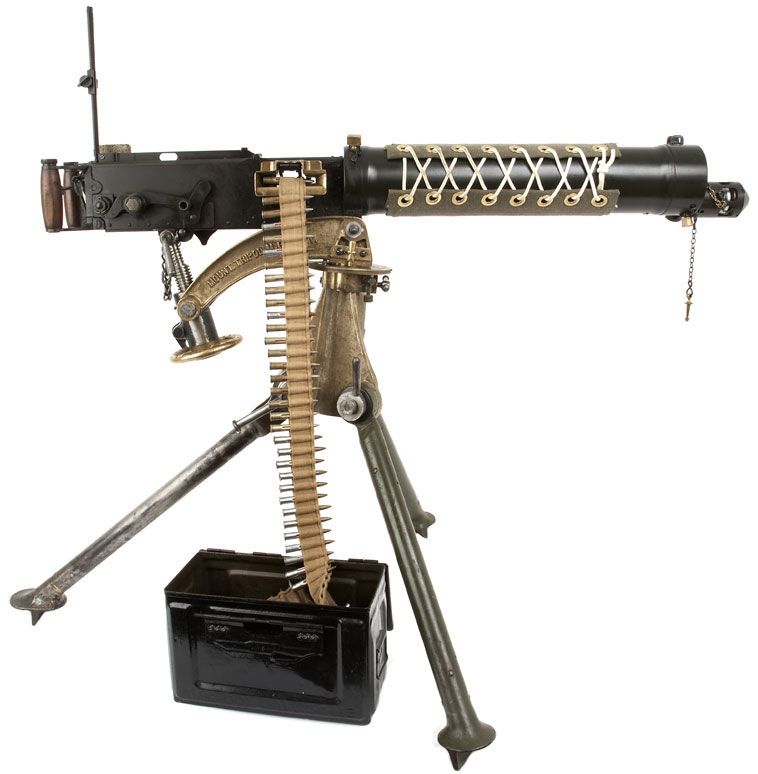
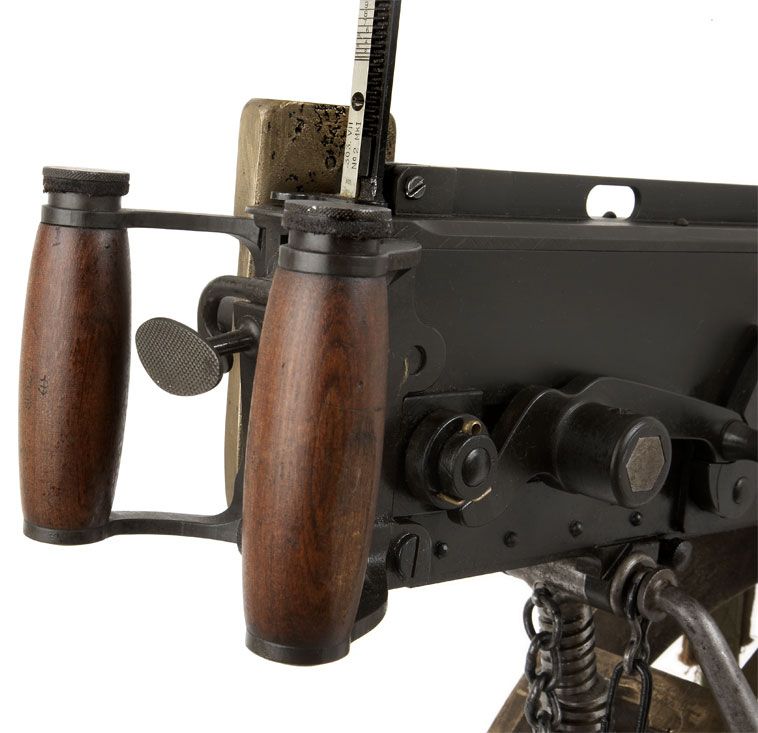
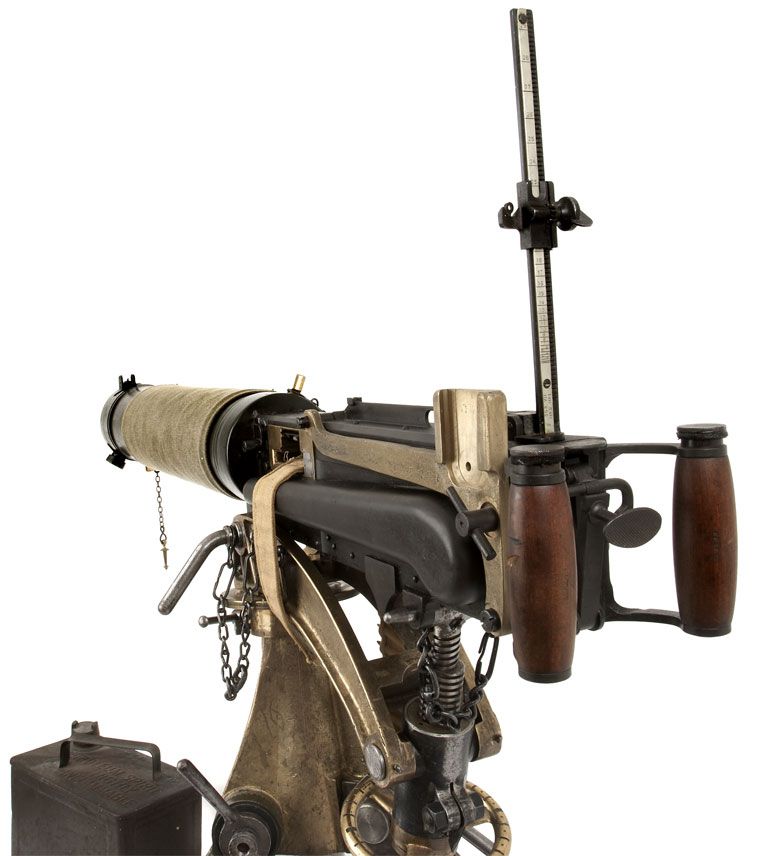
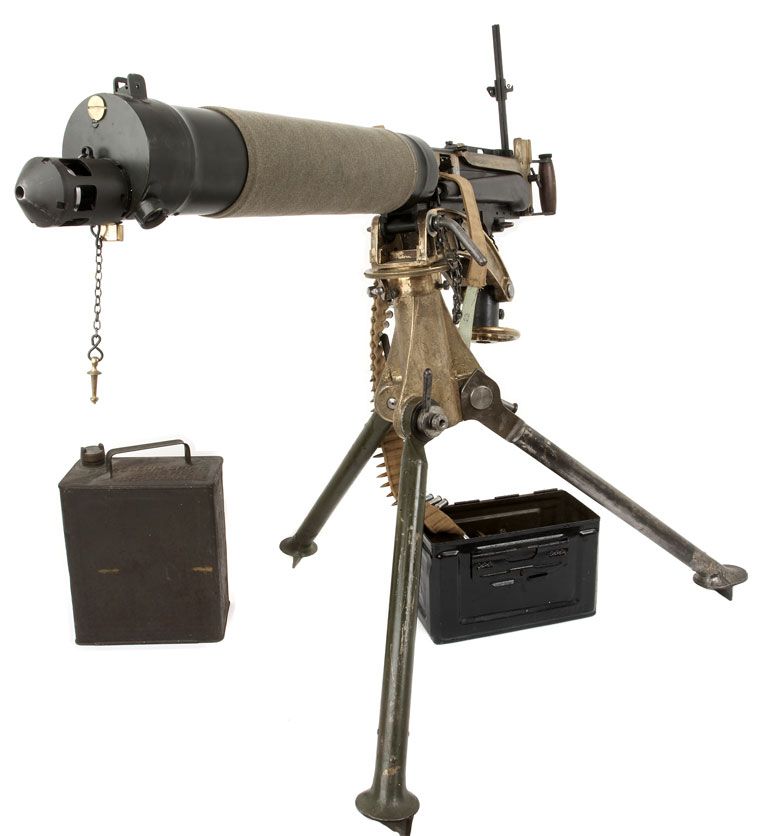
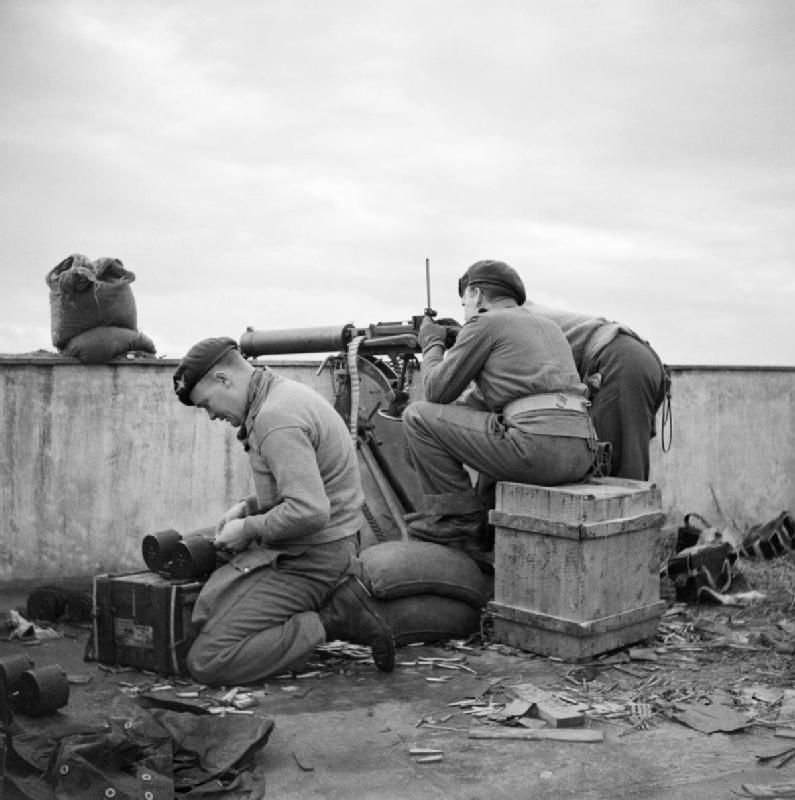
Vickers Machine Gun
The Vickers Machine Gun has been in service since prior to World War 1 and continued its usage during World War 2. It chambered a British .303 cartridge and had a firing rate of 450 – 500 rounds per minute, with an effective range of 2,000 meters. The Vickers Machine Gun was usually employed by a 3-man team in order to carry all the parts and ammunition required. Due to it having such a long-range, it was employed to support the platoon at a greater distance from the enemy. Photographs courtesy of Arundel Militaria in the U.K.
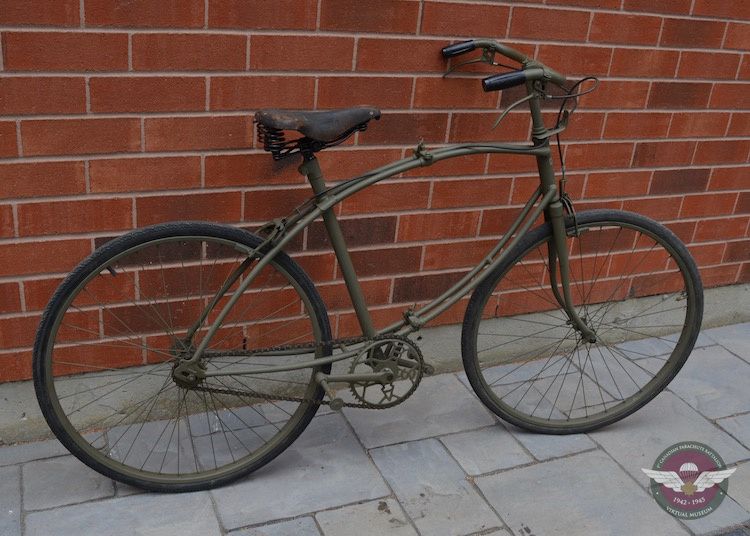
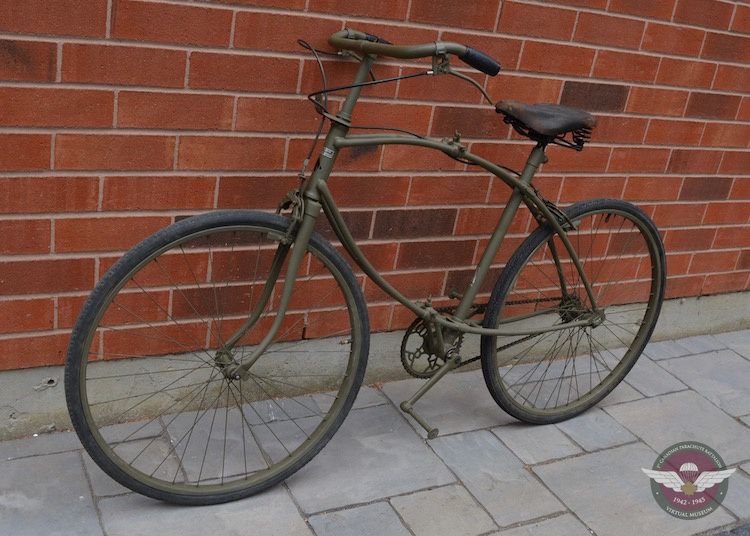
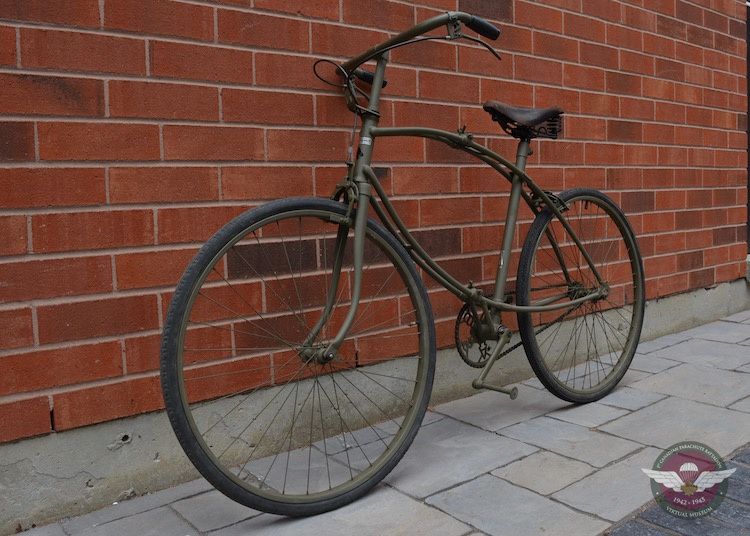
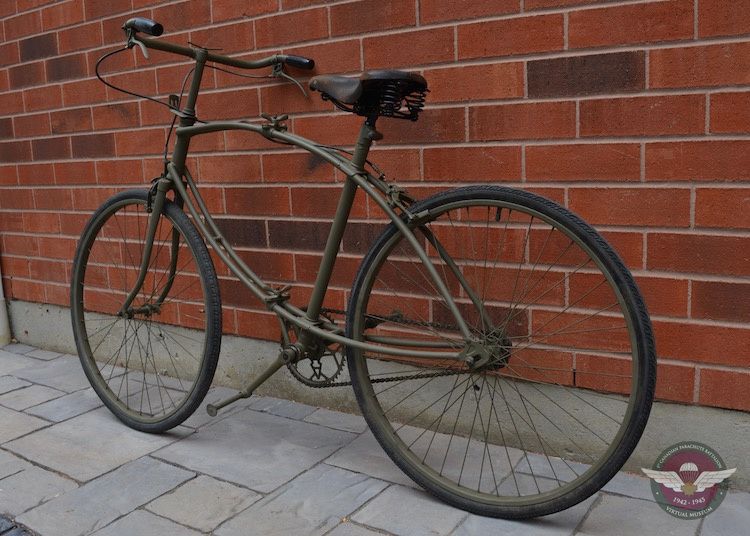
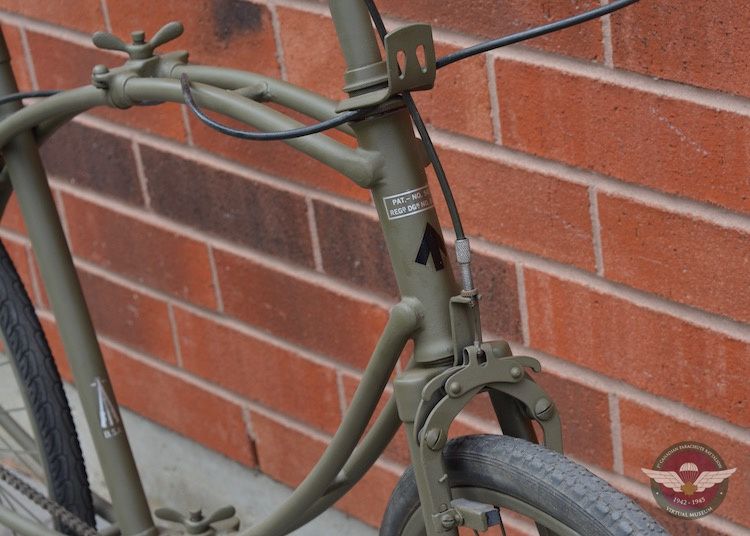
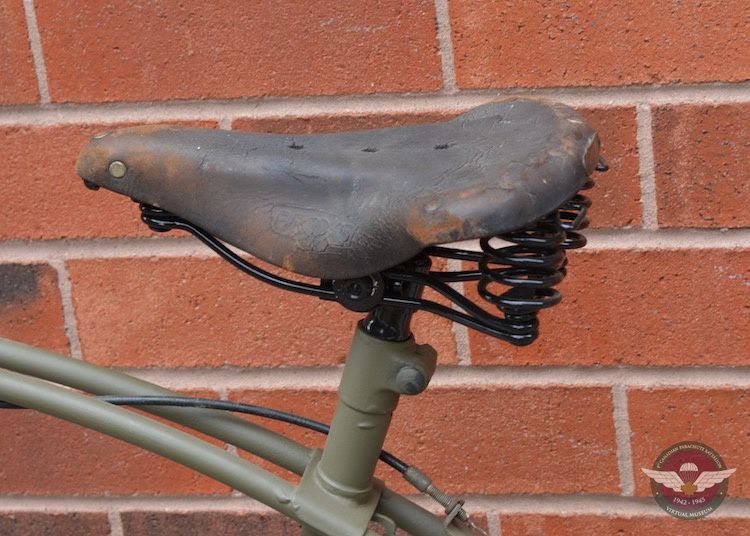
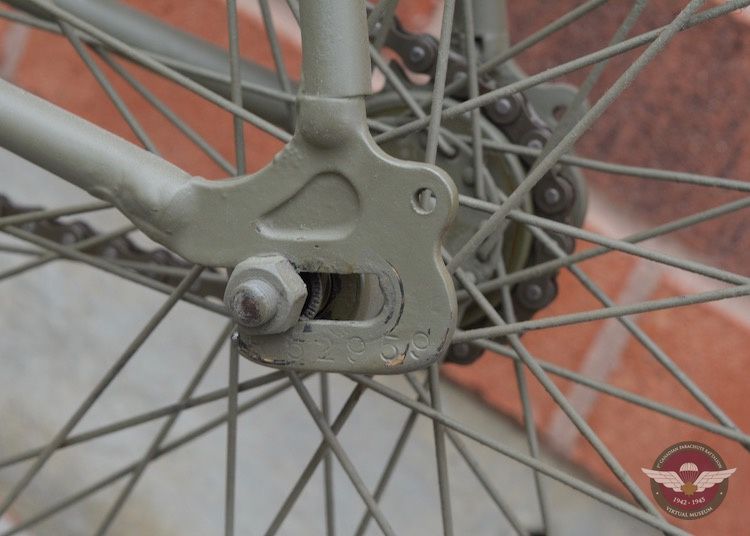
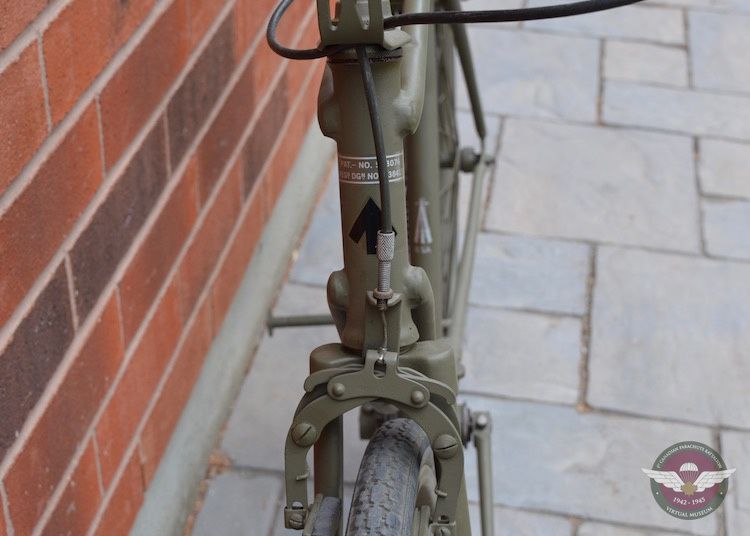
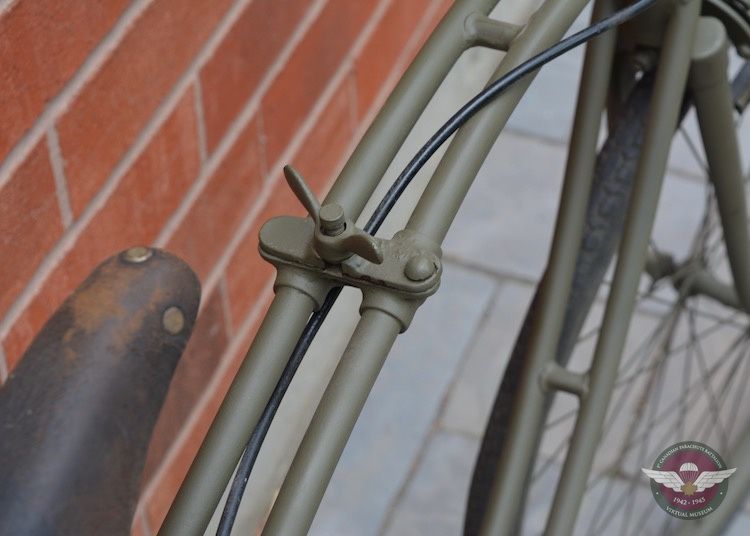
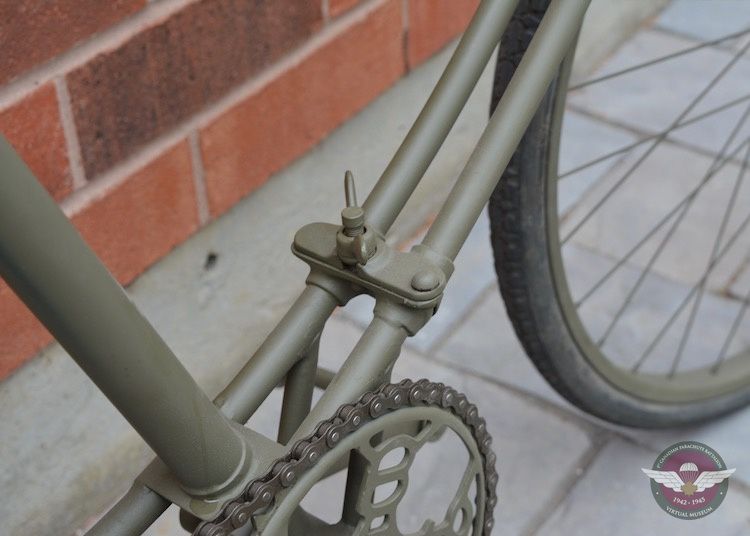
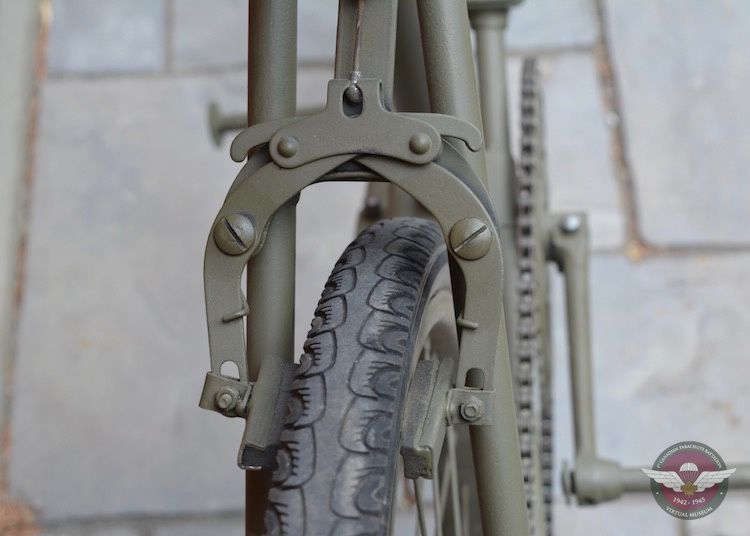
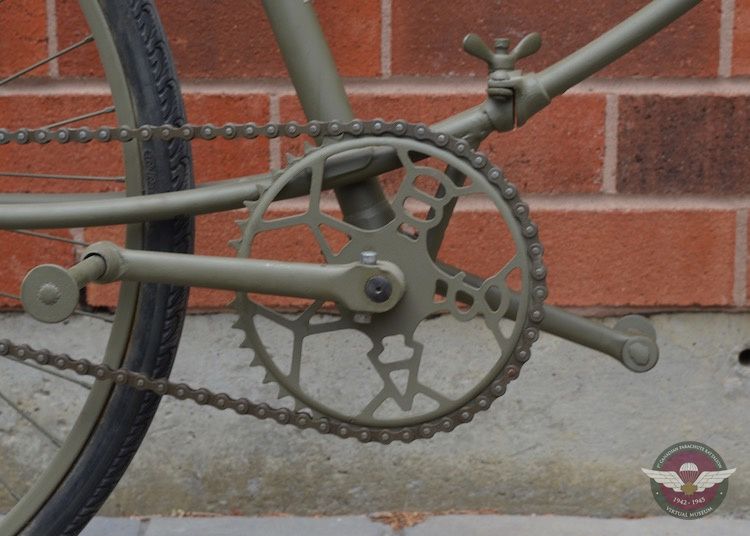
2nd Pattern Folding Airborne Bicycle
World War II 2nd pattern folding Airborne Bicycle produced by BSA. These bicycles were designed to fold in order to be more compact and easier to transport by either a paratrooper jumping, glider or container. They were far less expensive than a motorcycle and much quieter as well. A bicycle allowed a soldier the ability to cover greater distances in a shorter amount of time rather than on foot.
In Memory
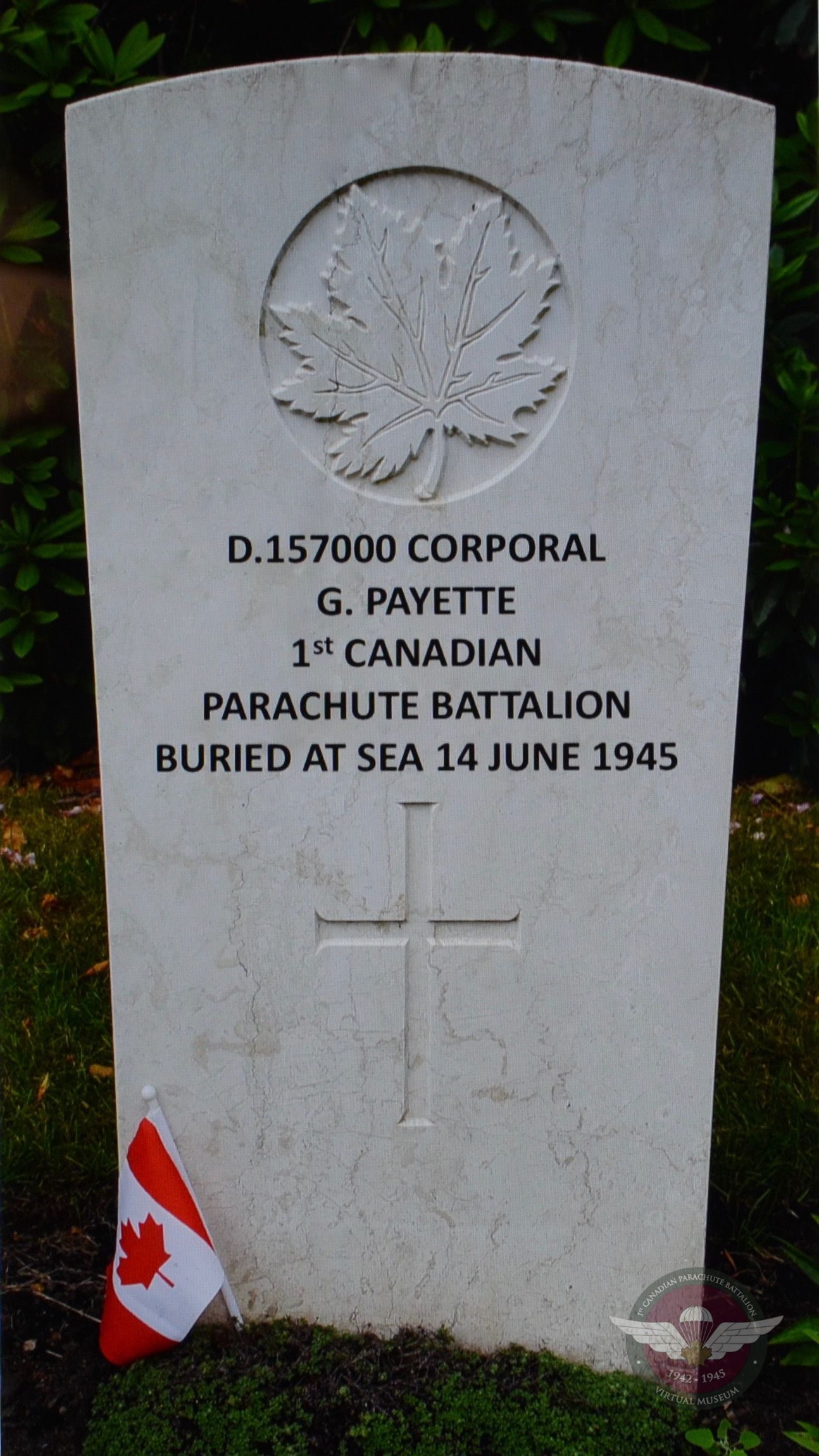
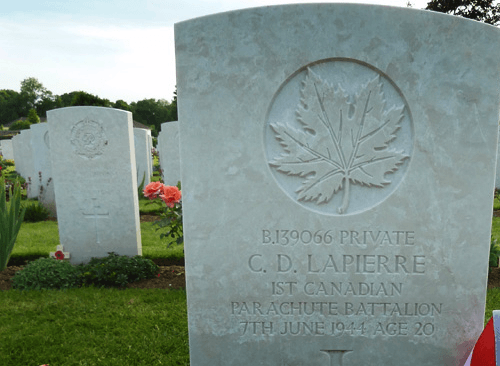
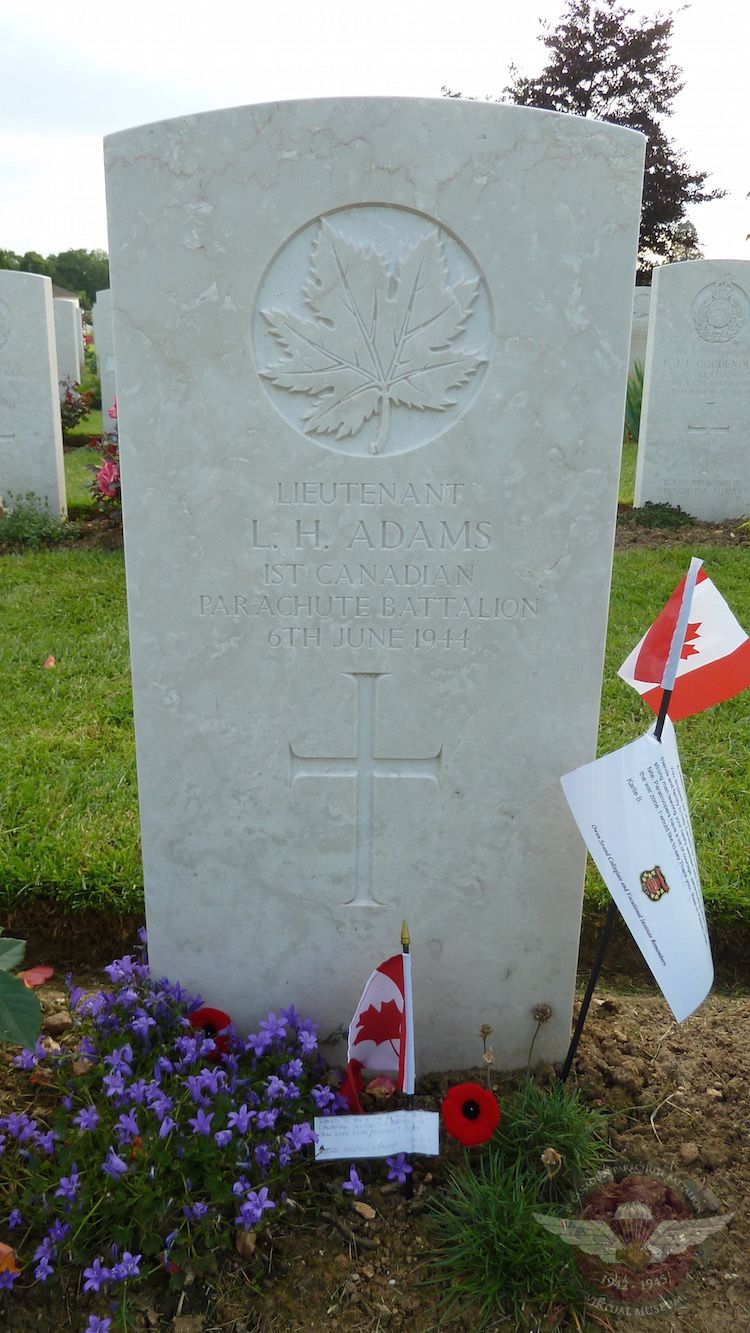
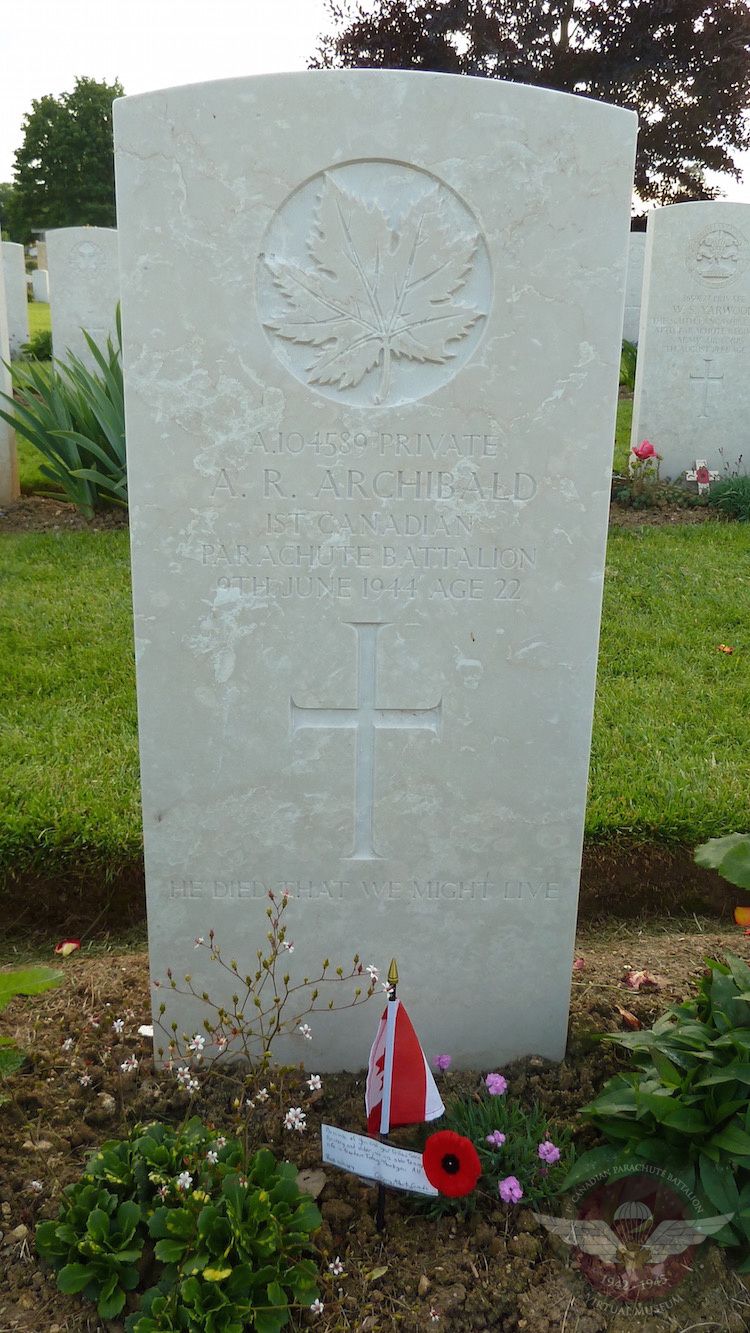
Thank you for visiting the In Memory section and taking the time to remember those who never returned home after the war. There are a few members whose bodies have never been recovered or buried at sea therefore don’t have an official resting place. I have created headstones in their memory so they can be visited here.
Turn on your speakers to hear 'Last Post' playing. Select any image to zoom in:
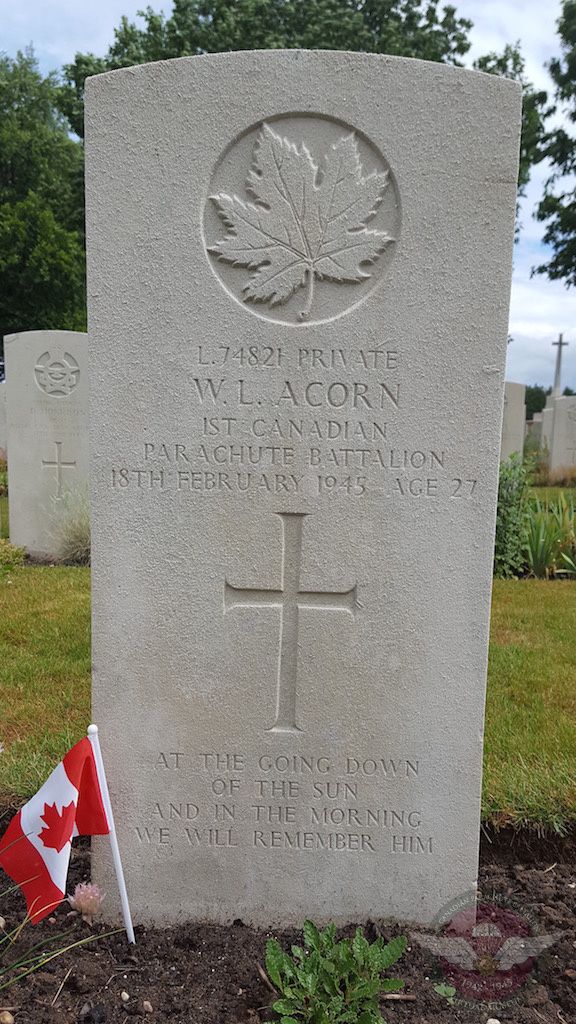
Acorn W.L.
Groesbeek Canadian War Cemetery
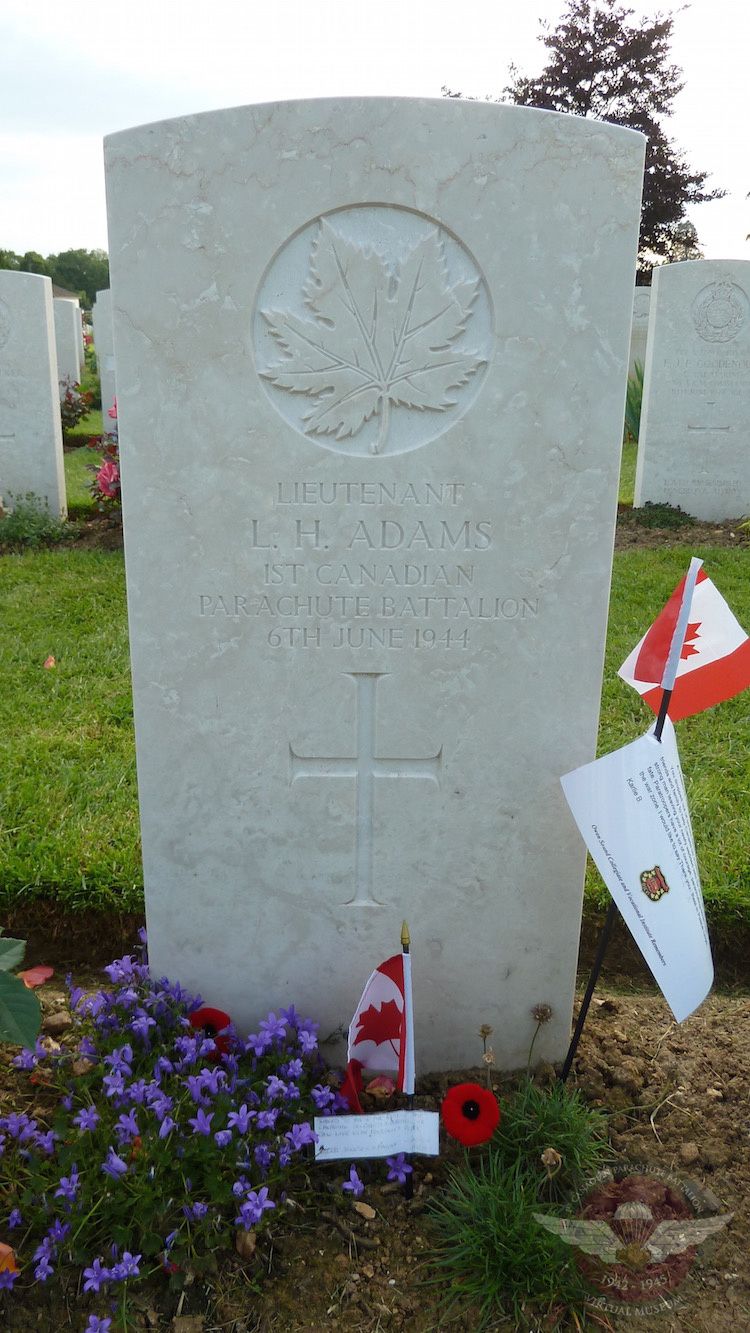
Adams L.H.
Ranville War Cemetery
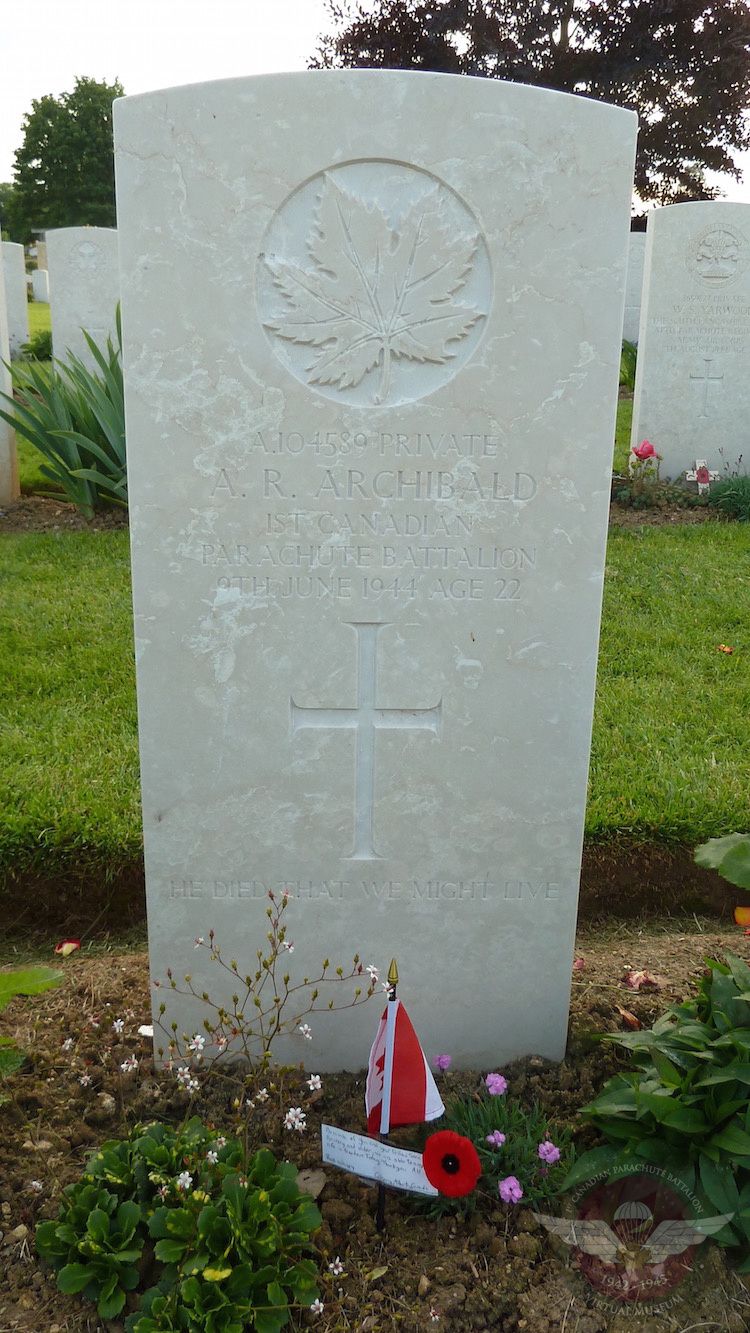
Archibald A.R.
Ranville War Cemetery
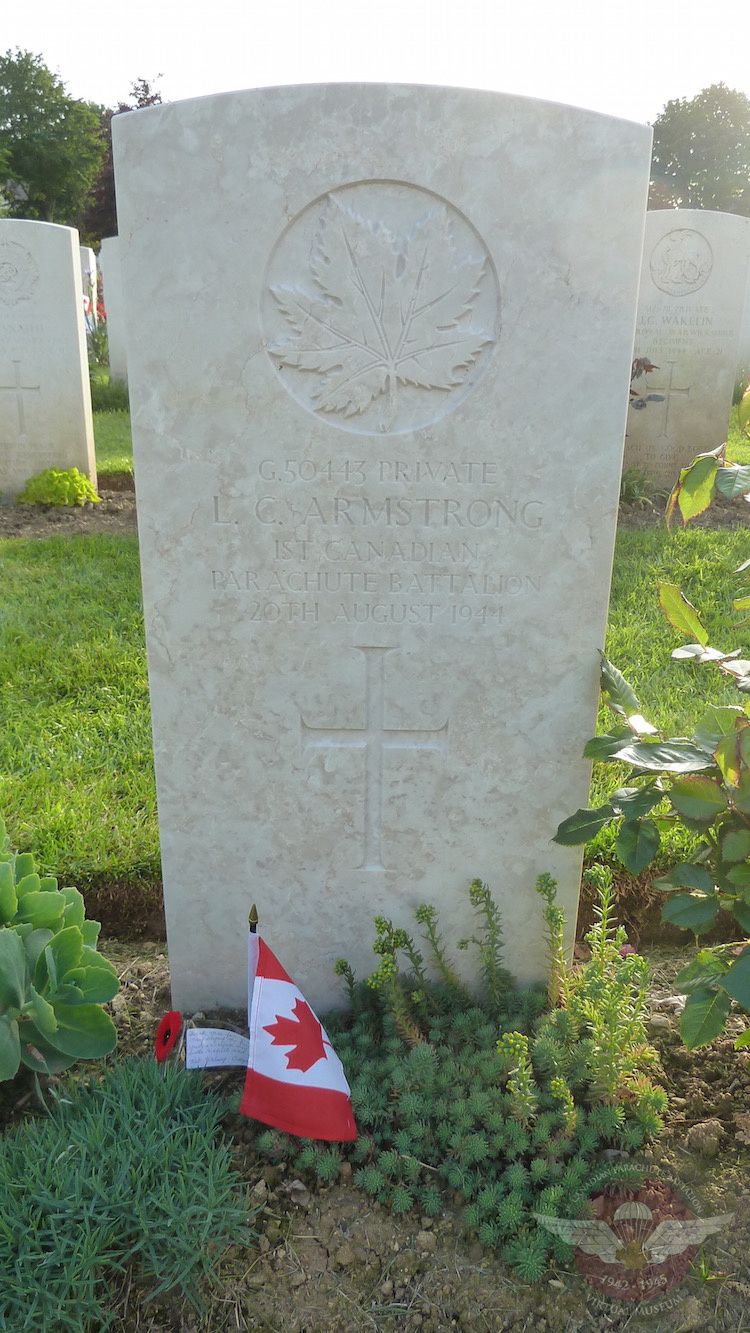
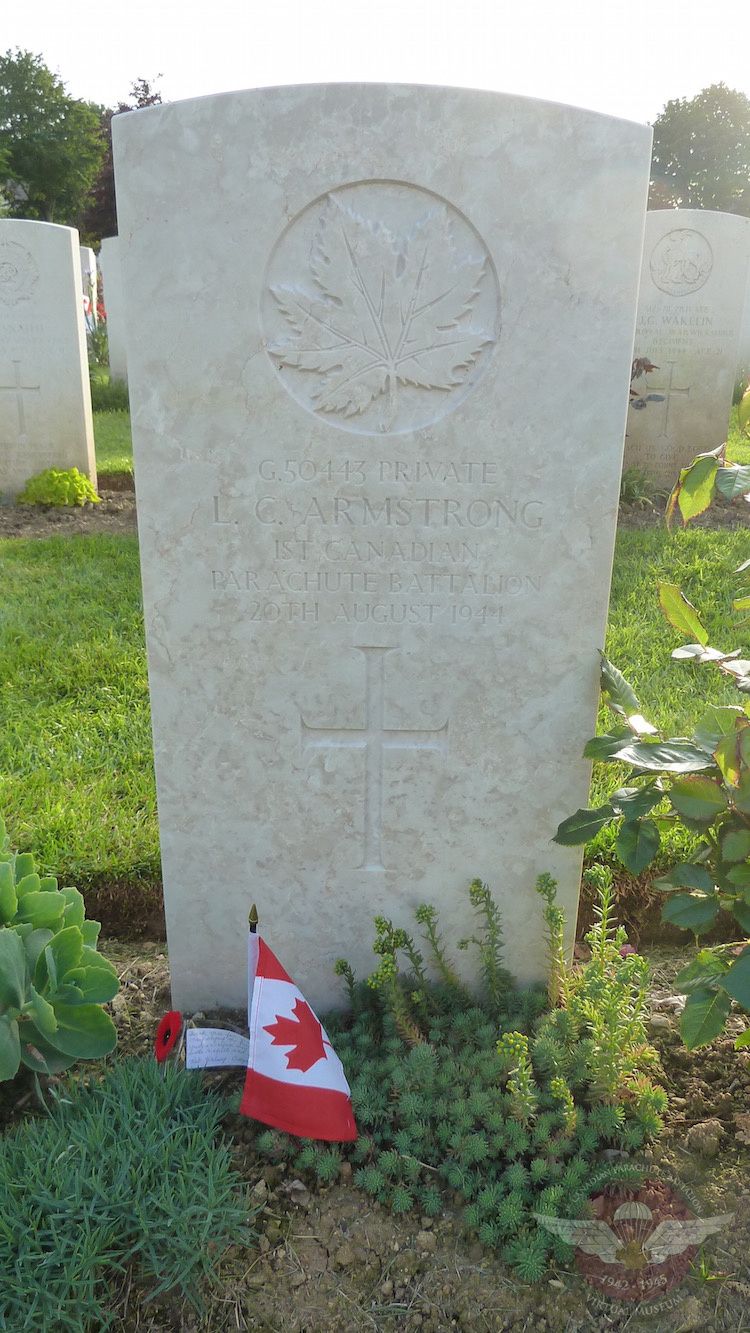
Armstrong L.C.
Ranville War Cemetery
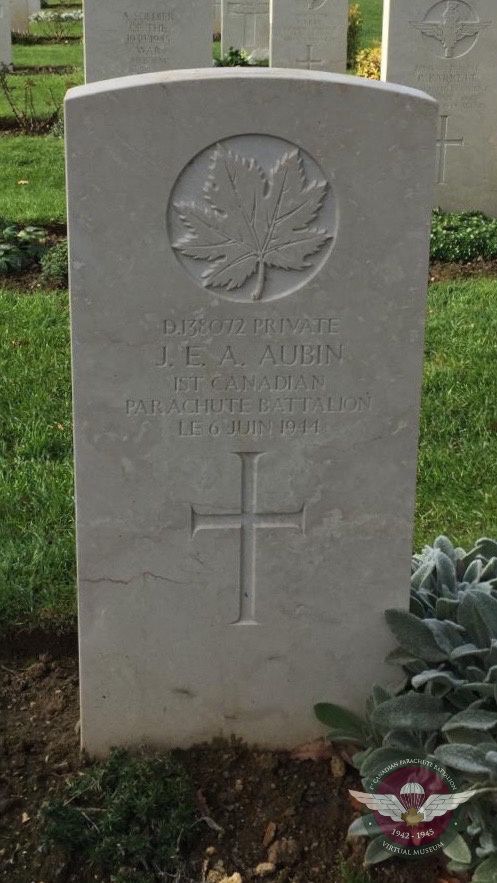
Aubin J.E.A.
Ranville War Cemetery
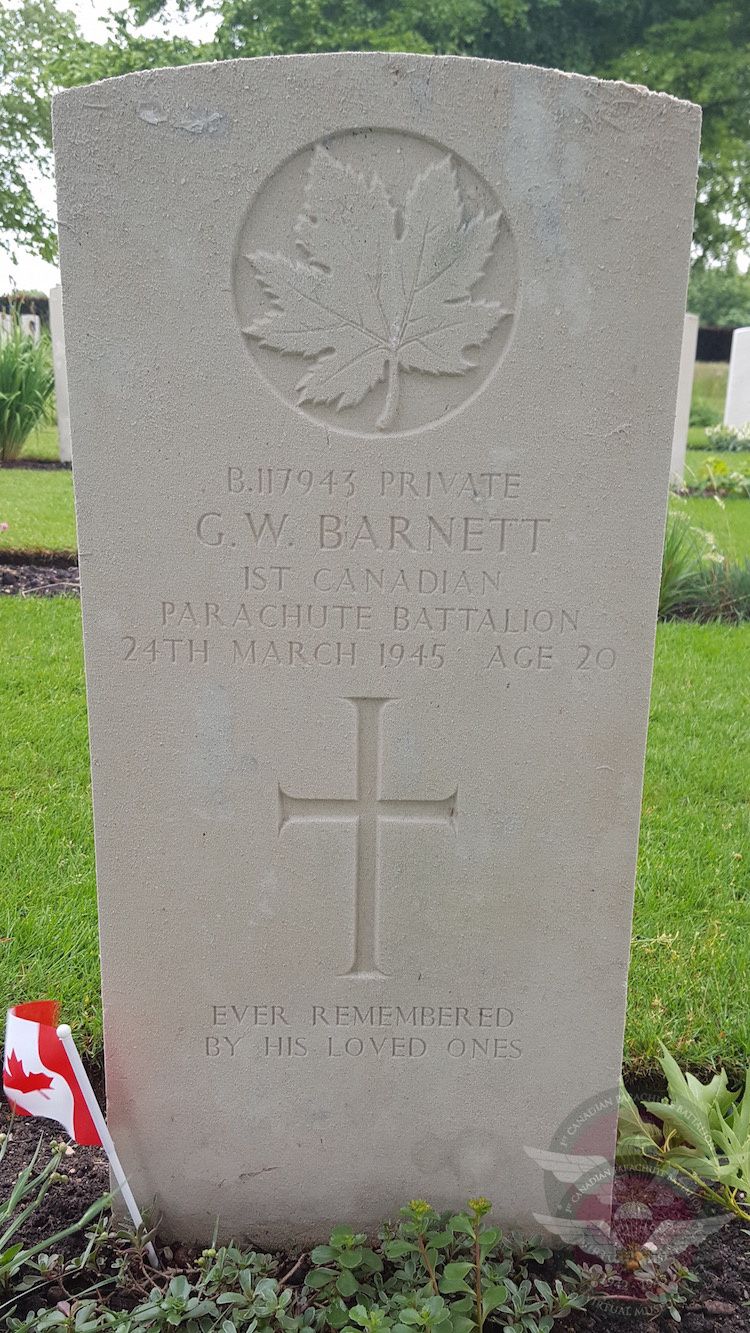
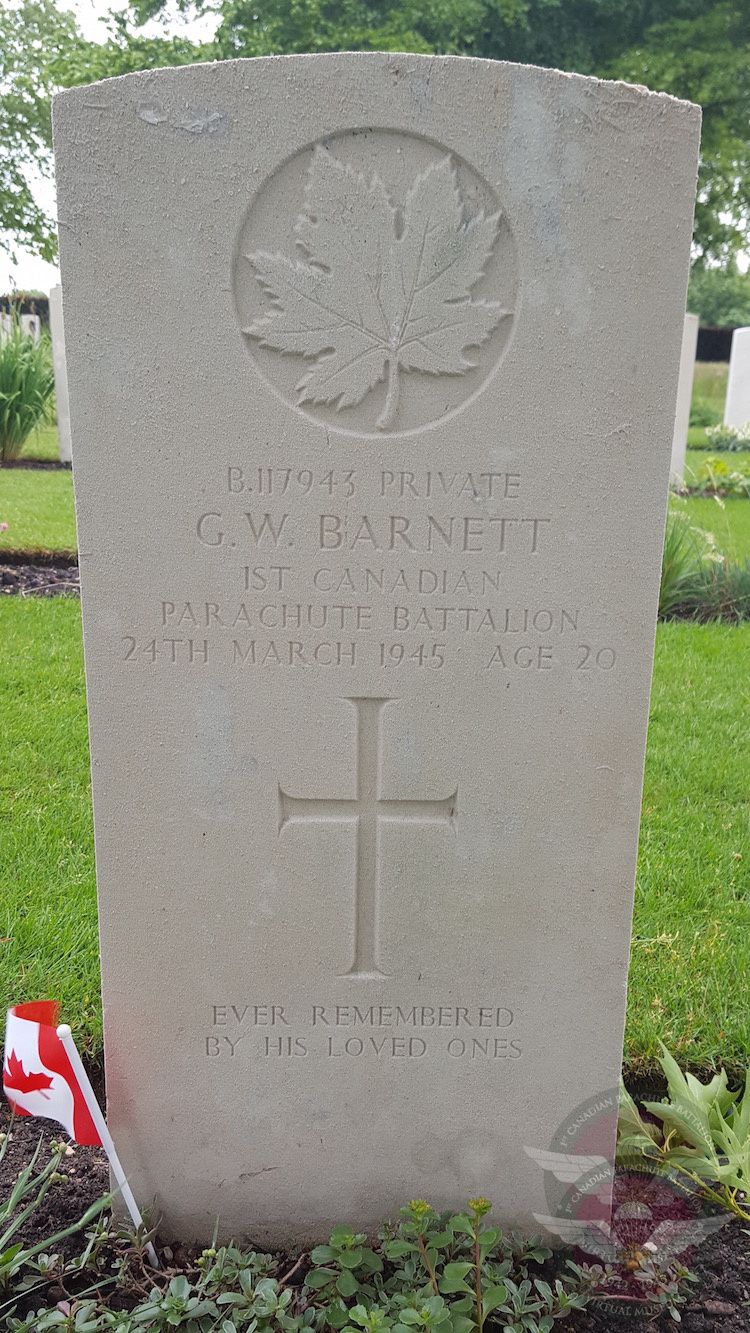
Barnett G.W.
Groesbeek Canadian War Cemetery
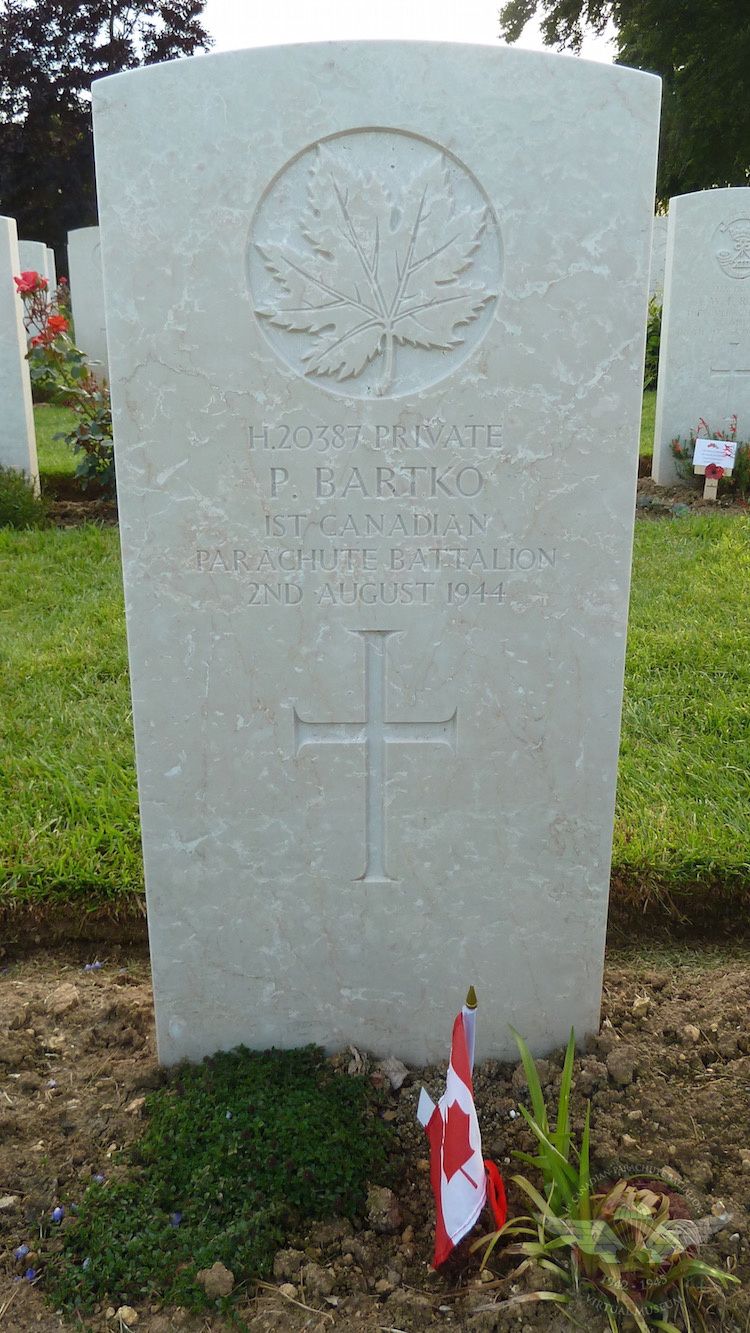
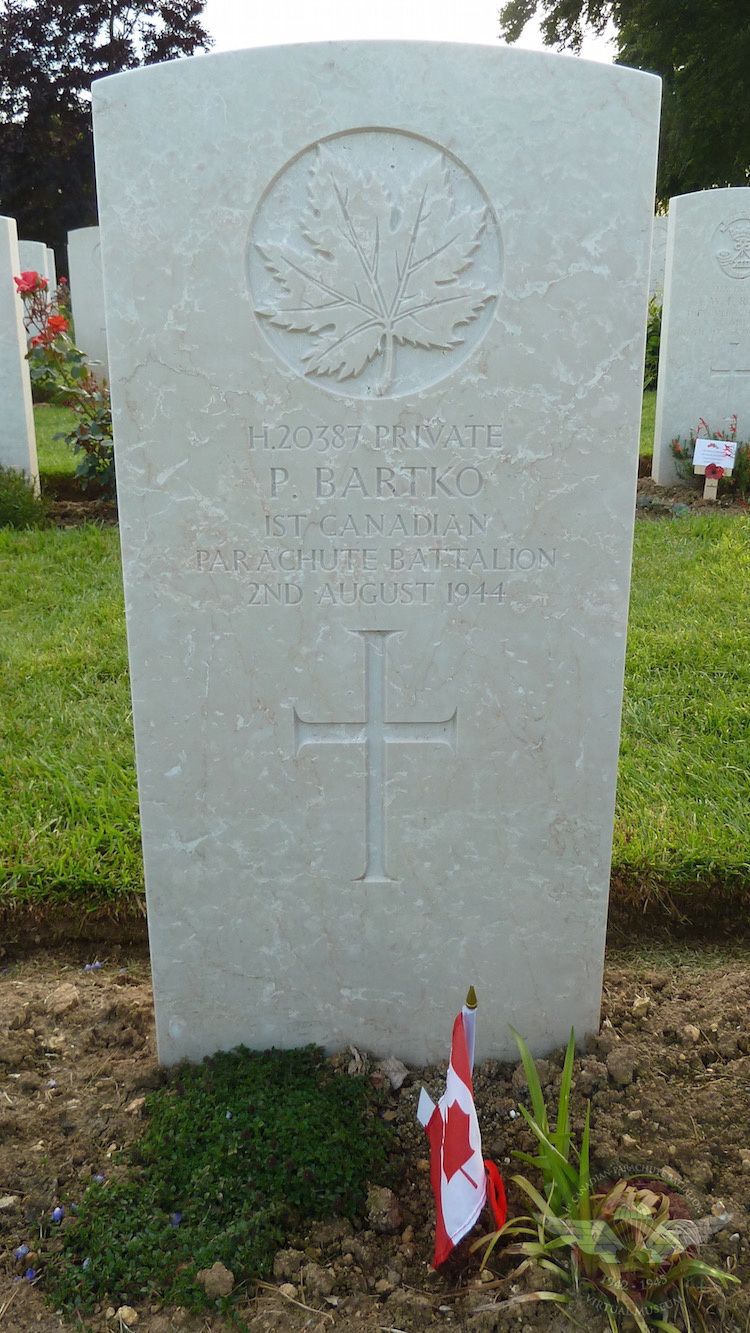
Bartko P.
Ranville War Cemetery
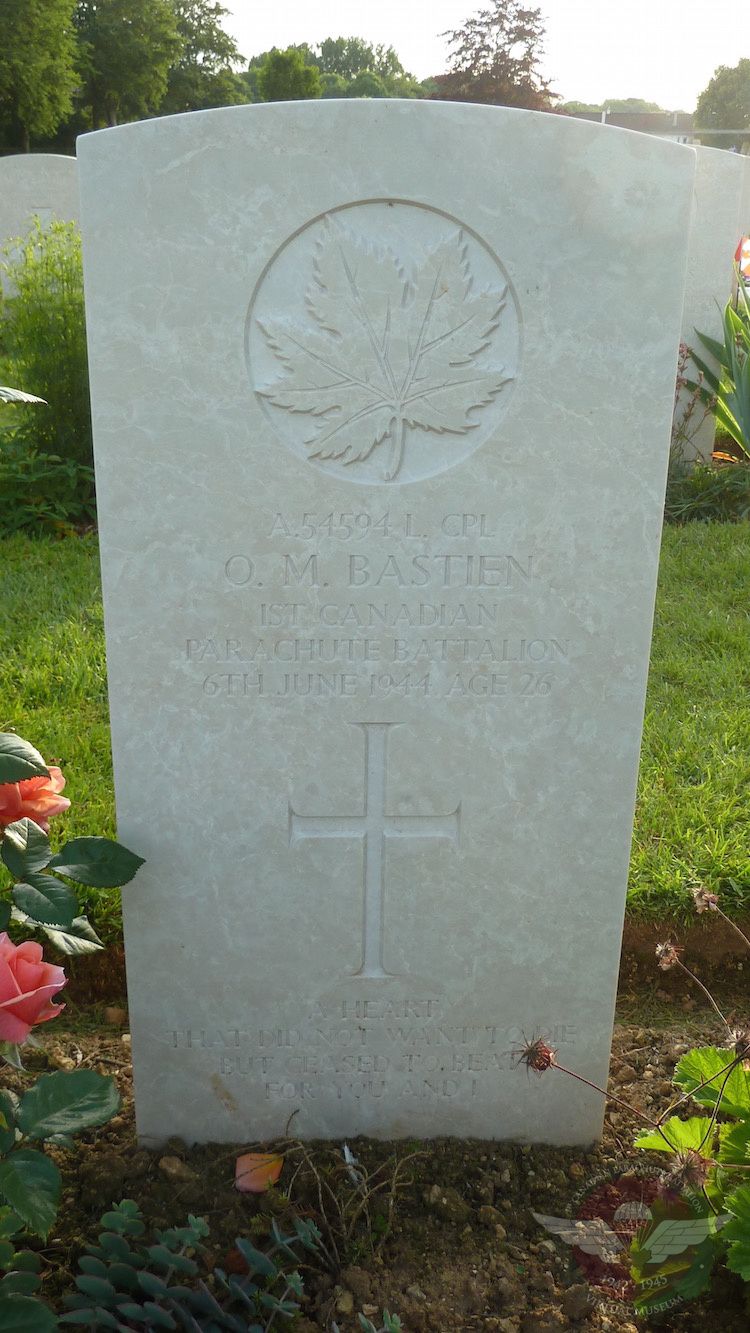
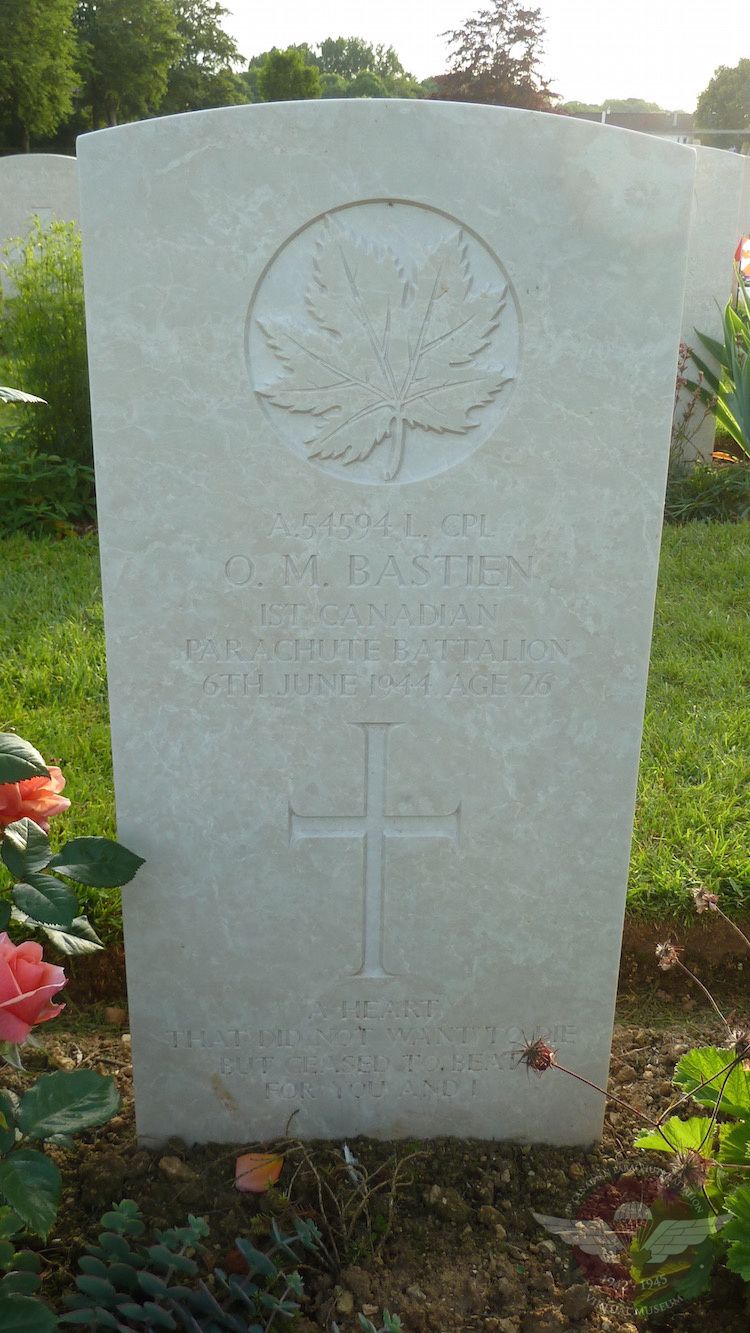
Bastien O.M.
Ranville War Cemetery
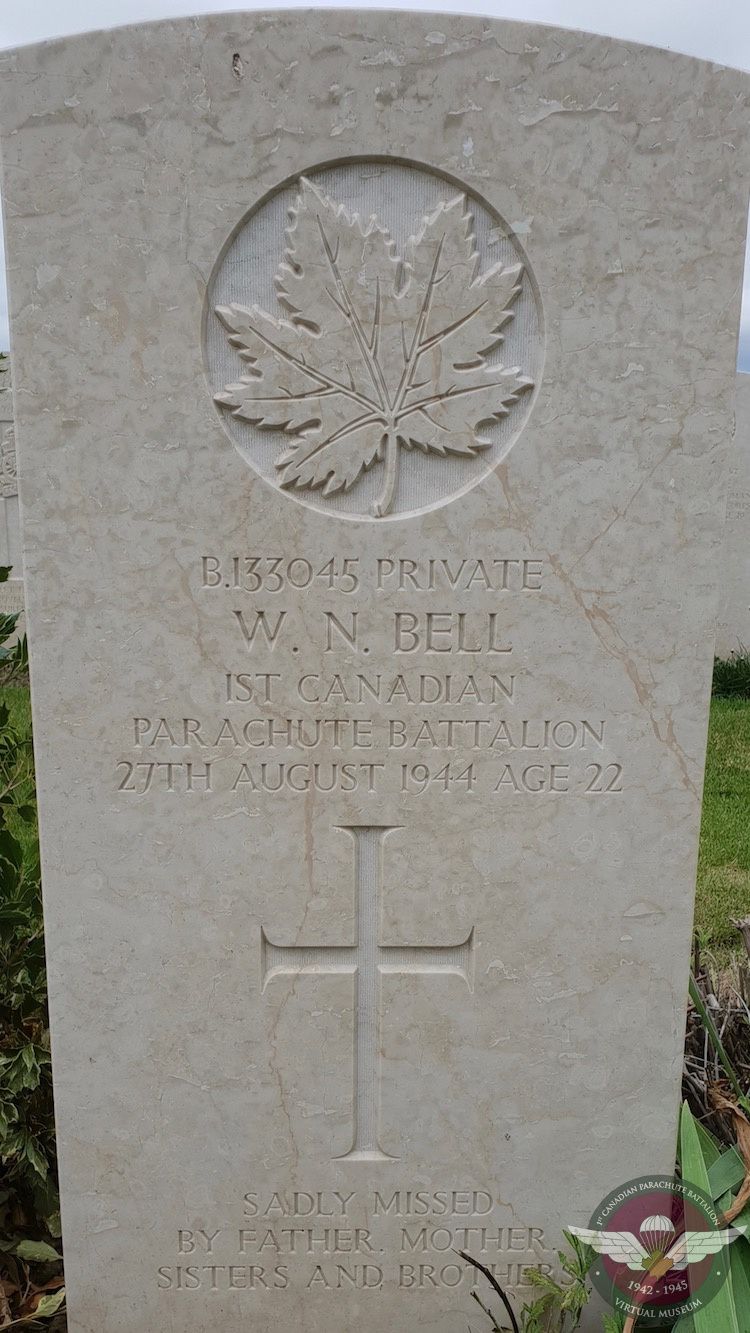
BELL W.N
Bayeux War Cemetery
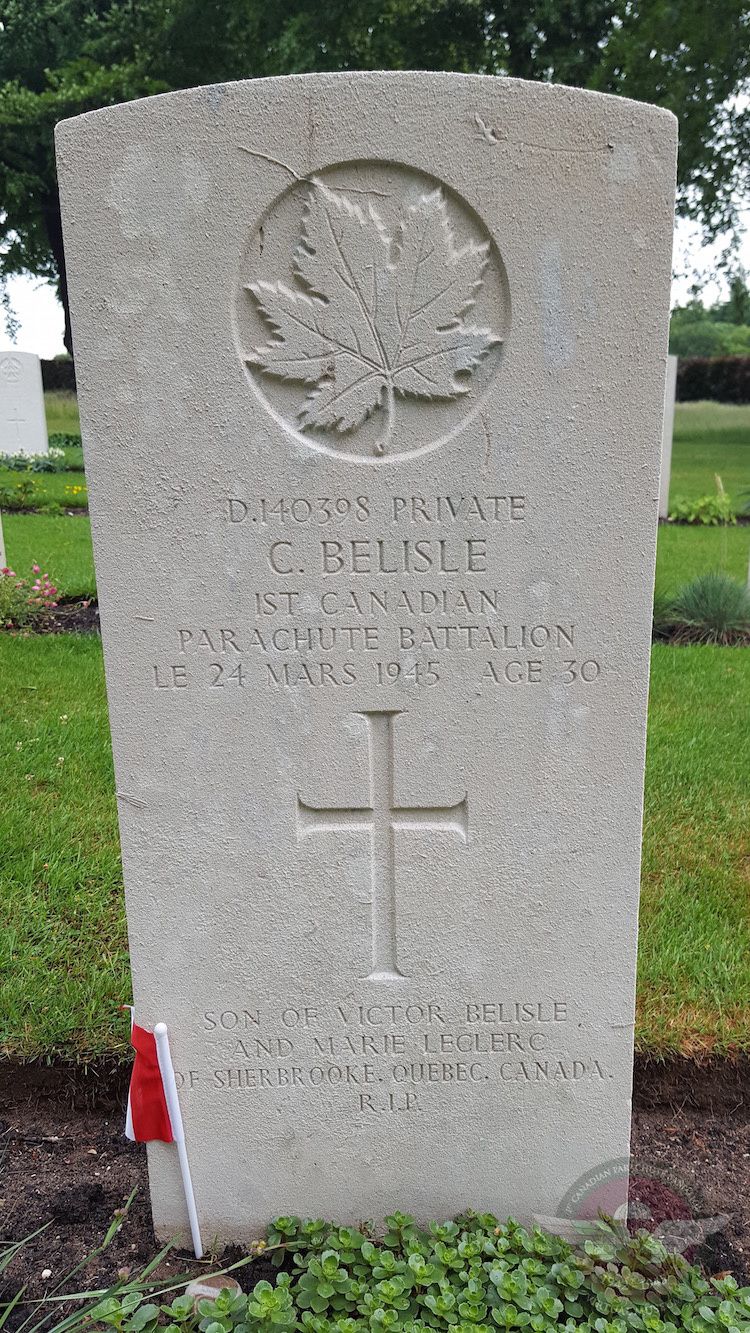
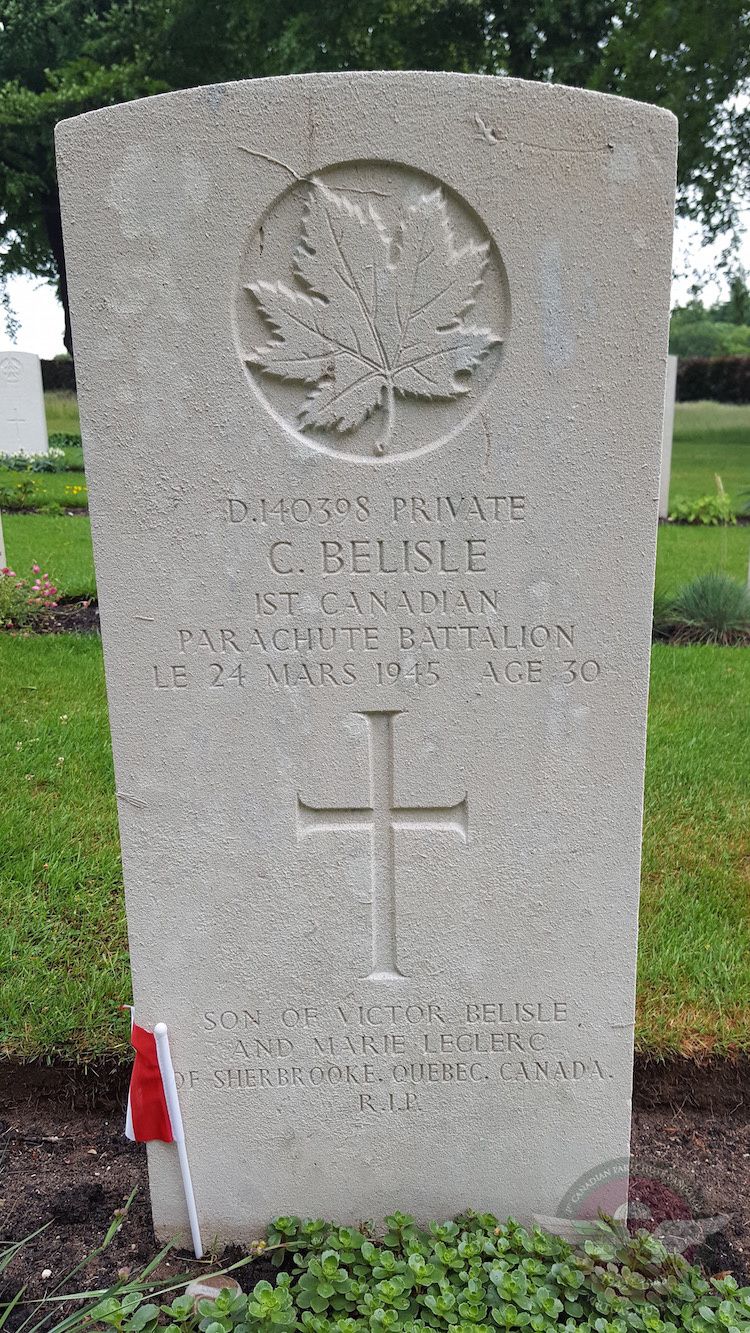
Belisle C.
Groesbeek Canadian War Cemetery
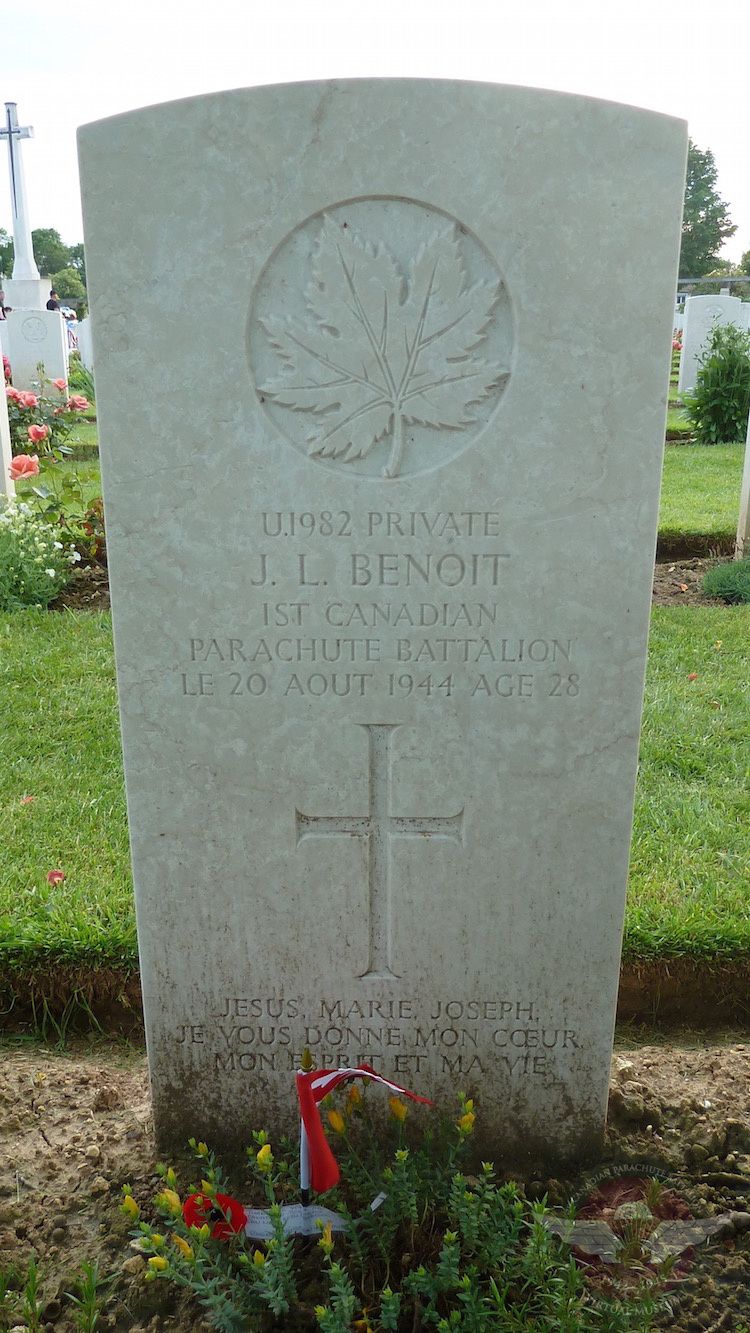
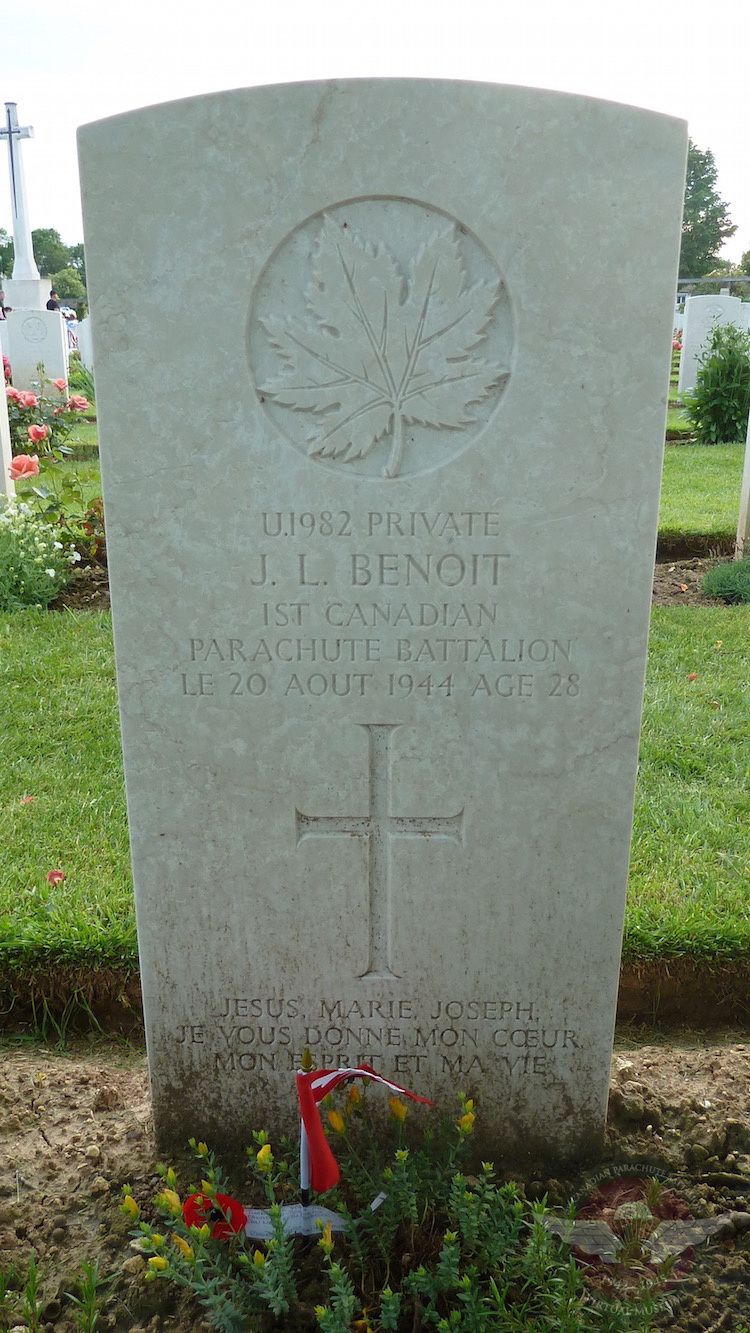
Benoit J.L.
Ranville War Cemetery
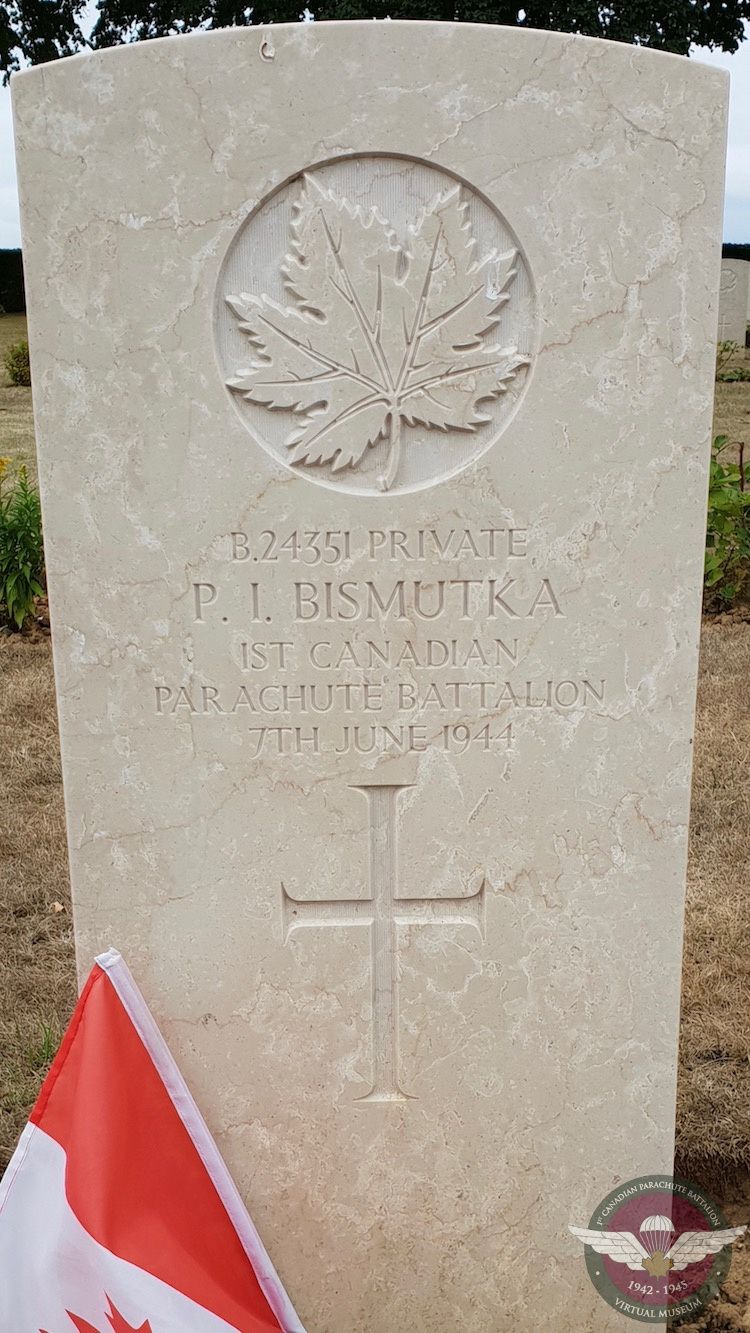
BISMUTKA P.I
Bretteville-Sur-Laize Canadian War Cemetery
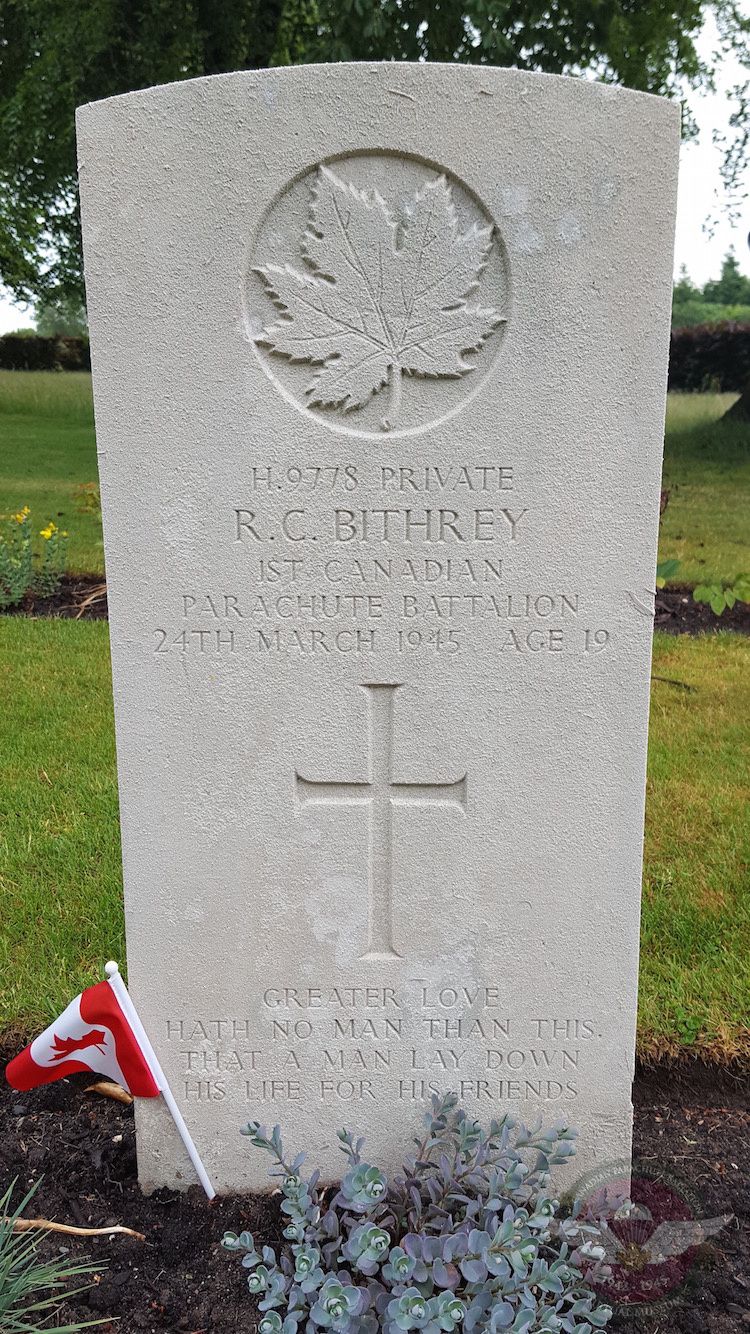
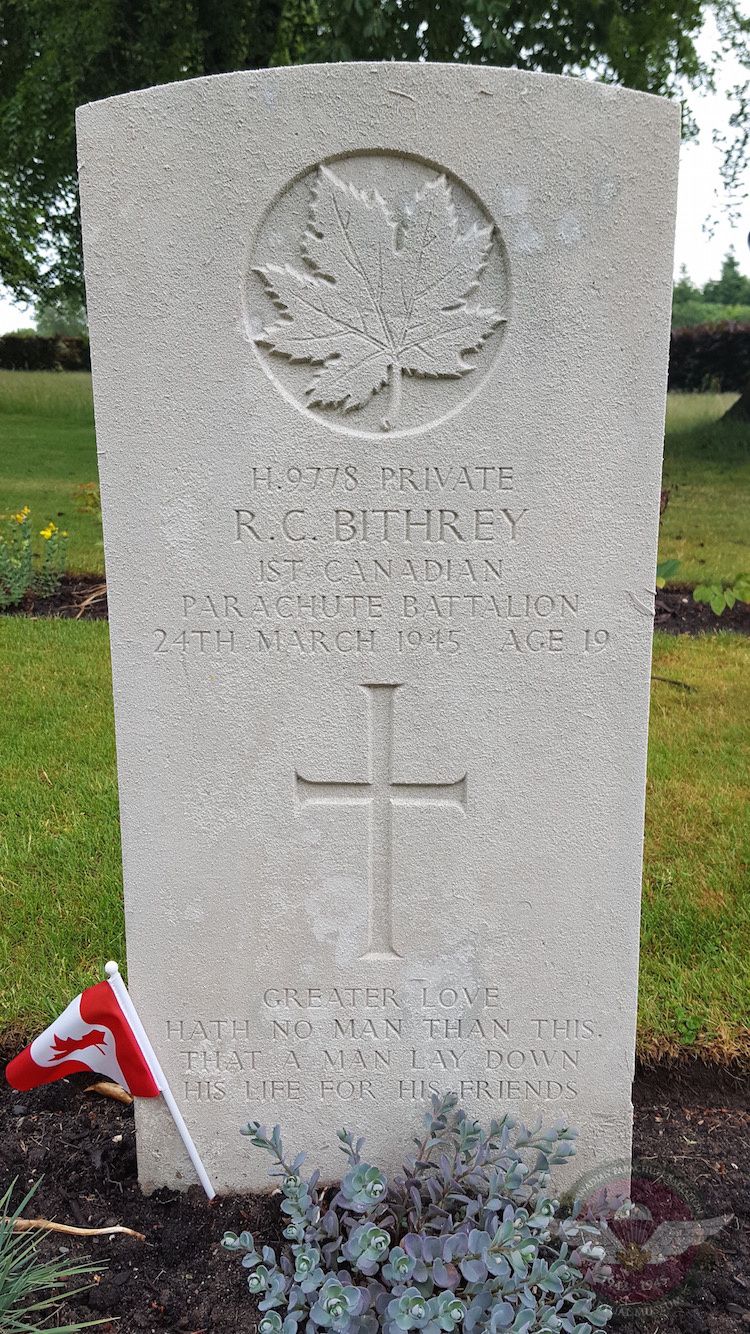
Bithrey R.C.
Groesbeek Canadian War Cemetery
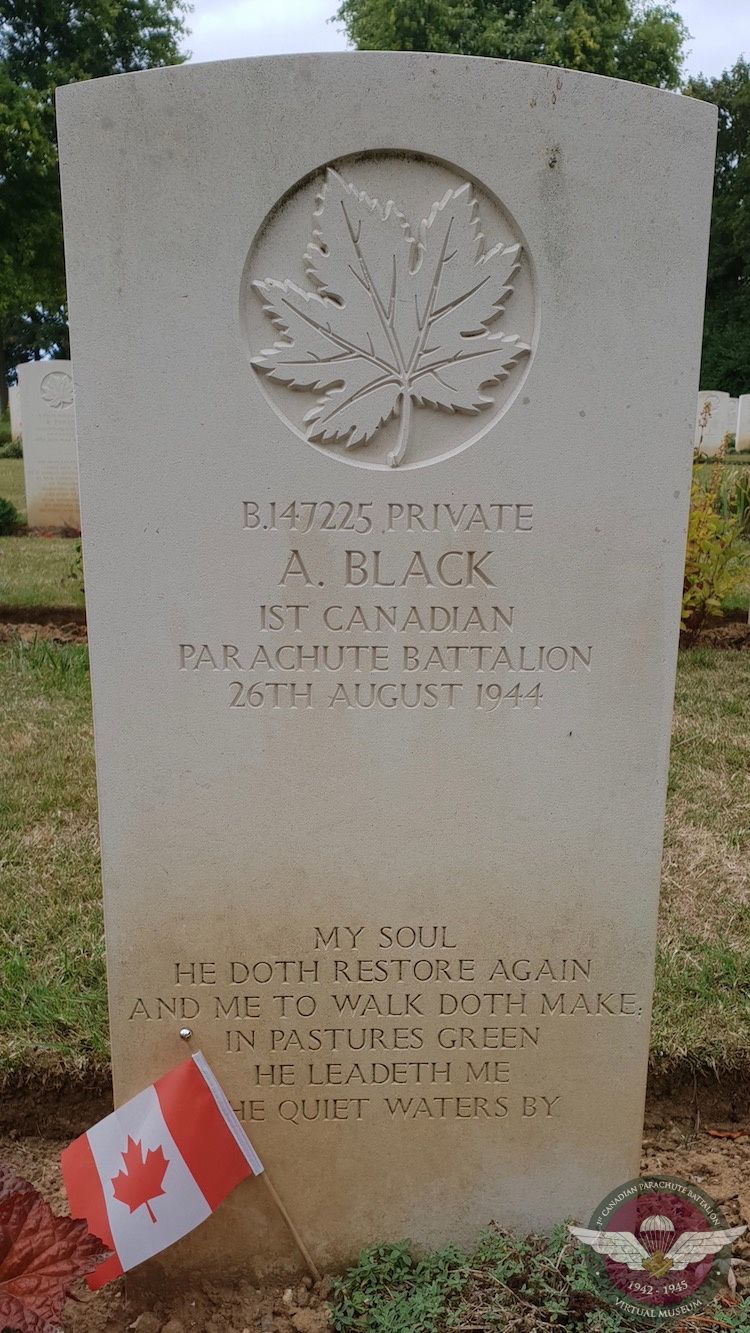
BLACK A
Beny-Sur-Mer Canadian War Cemetery, Reviers
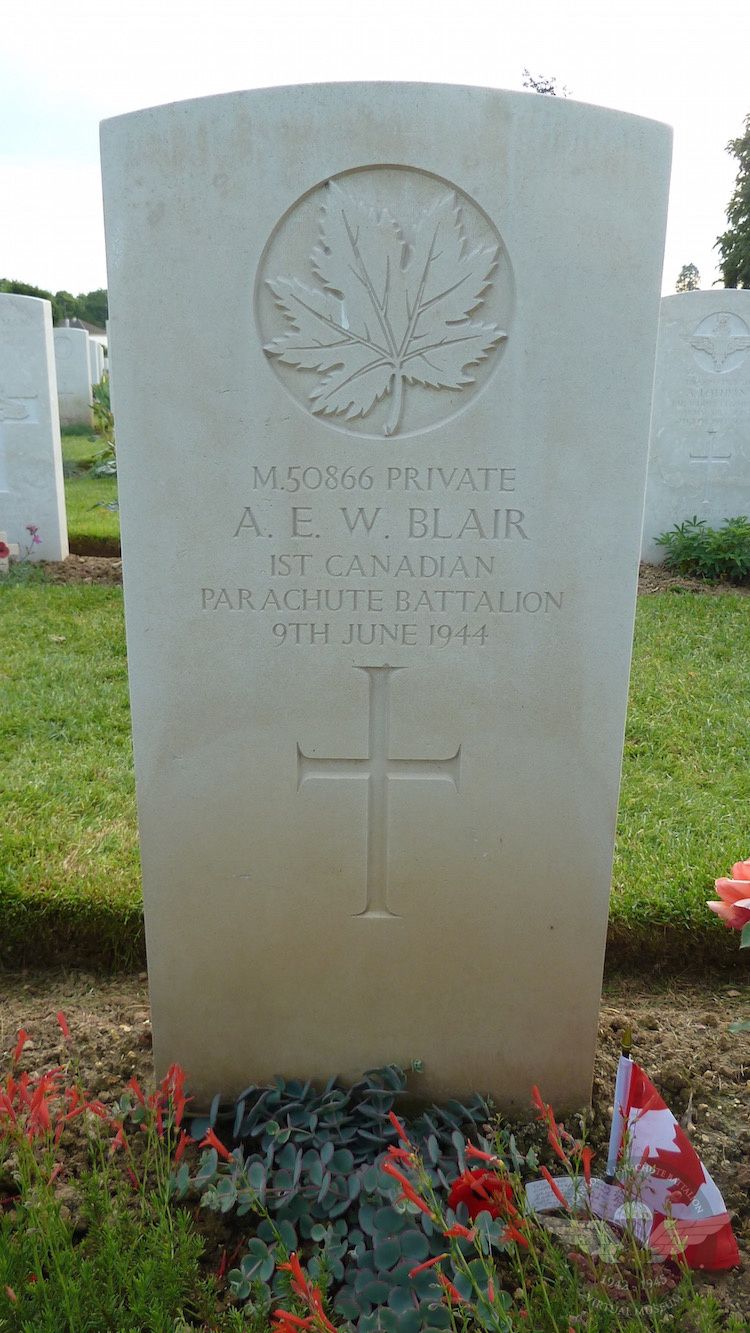
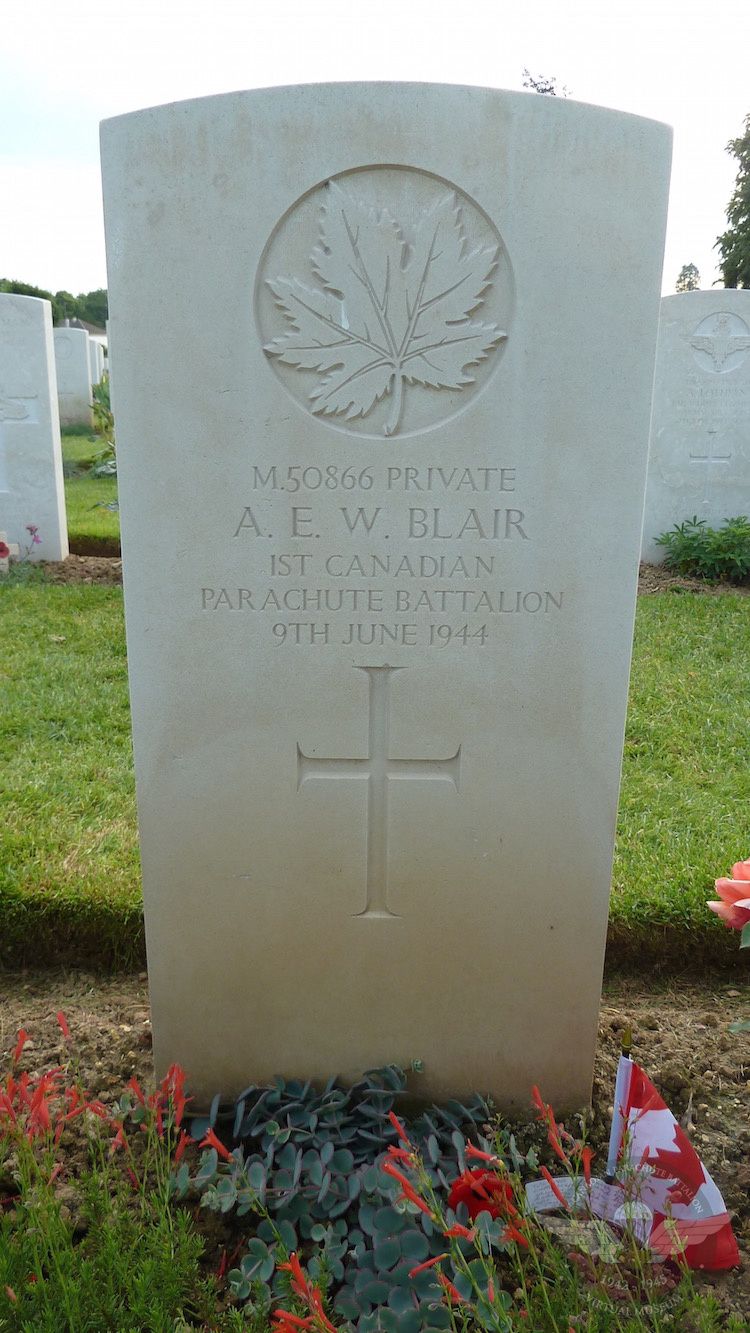
Blair A.E.W.
Ranville War Cemetery
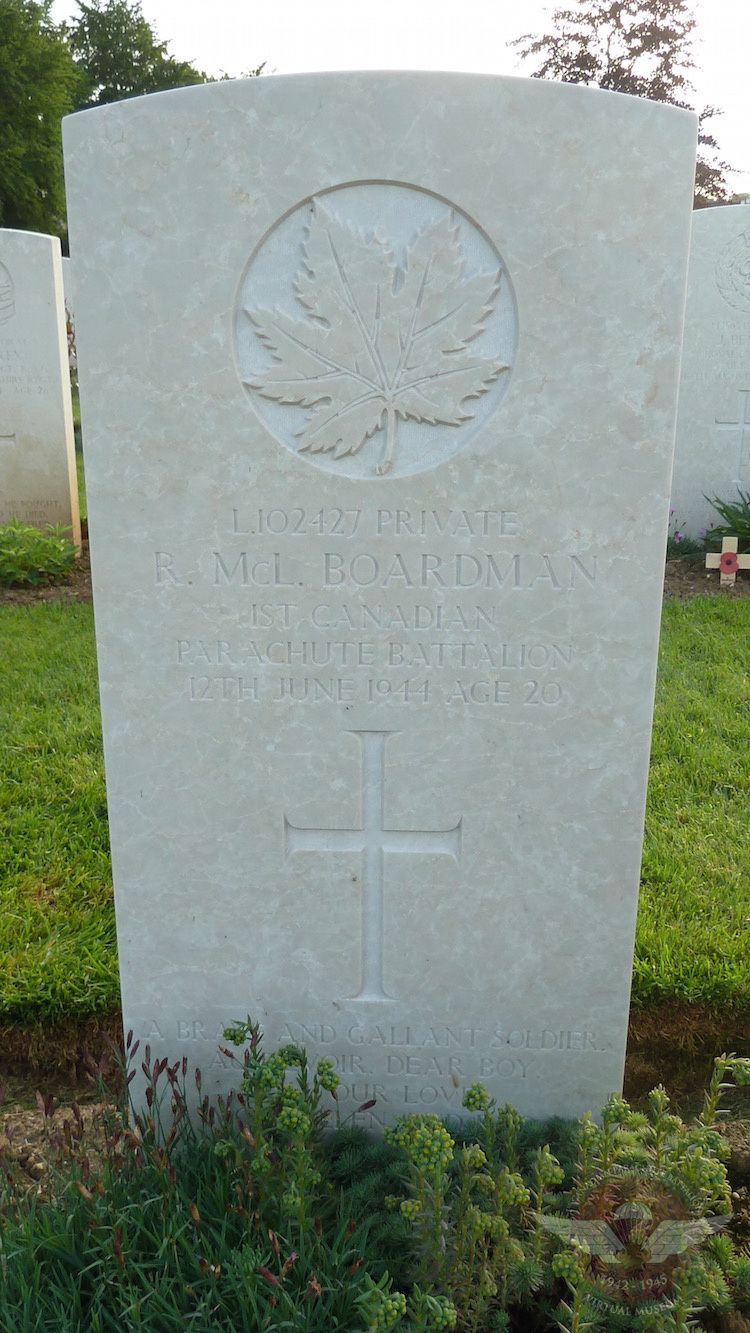
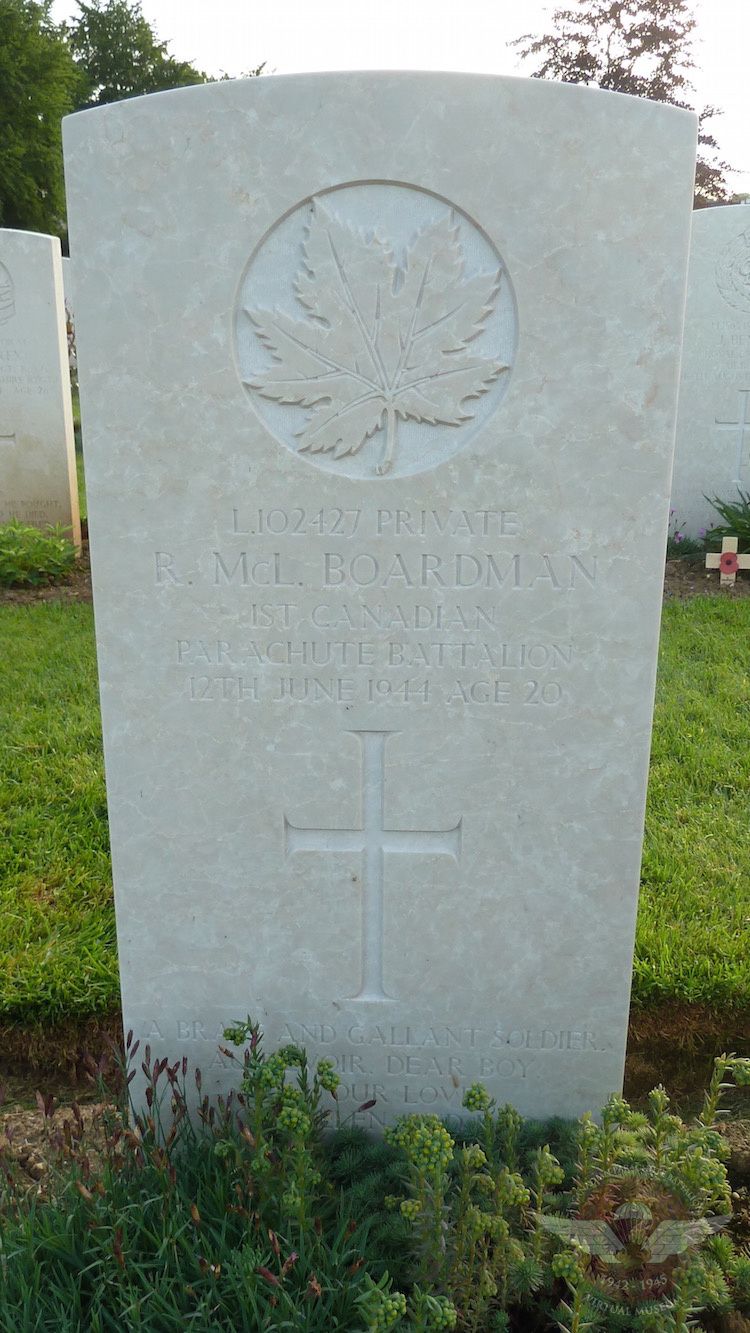
Boardman R. McL.
Ranville War Cemetery
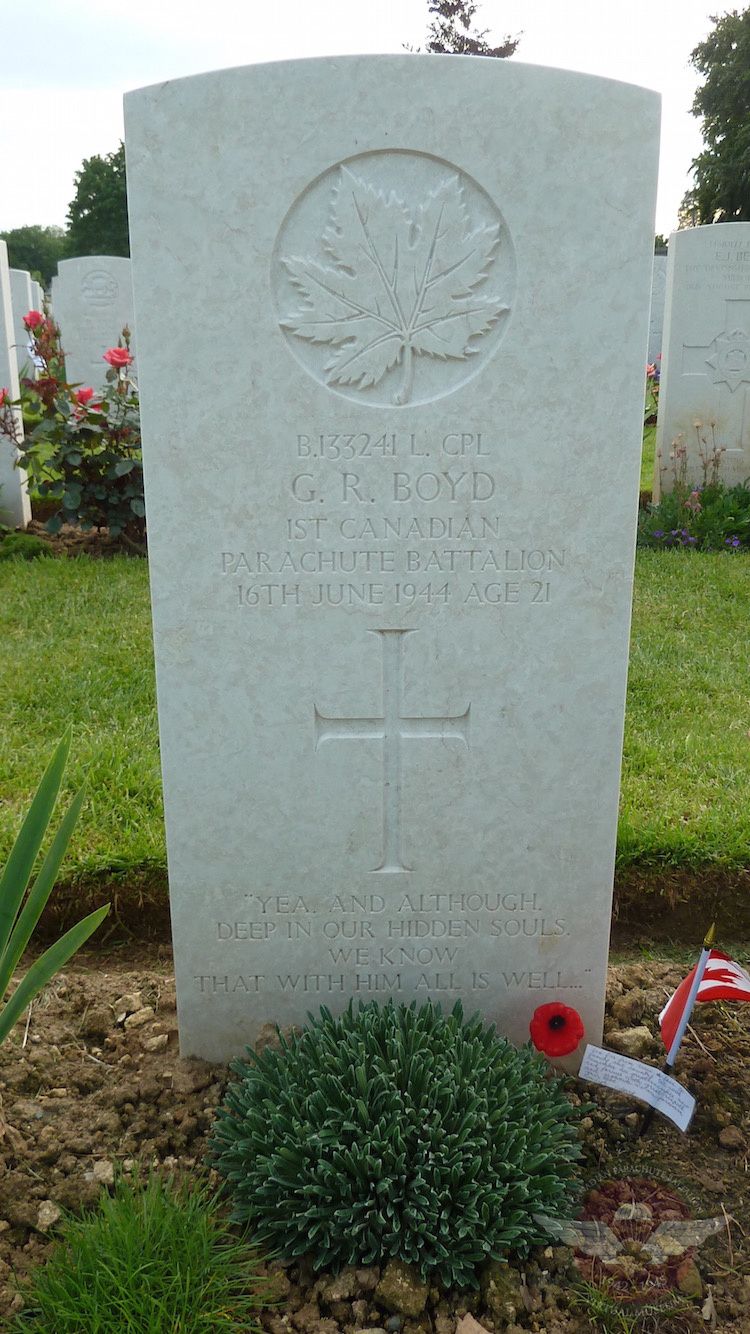
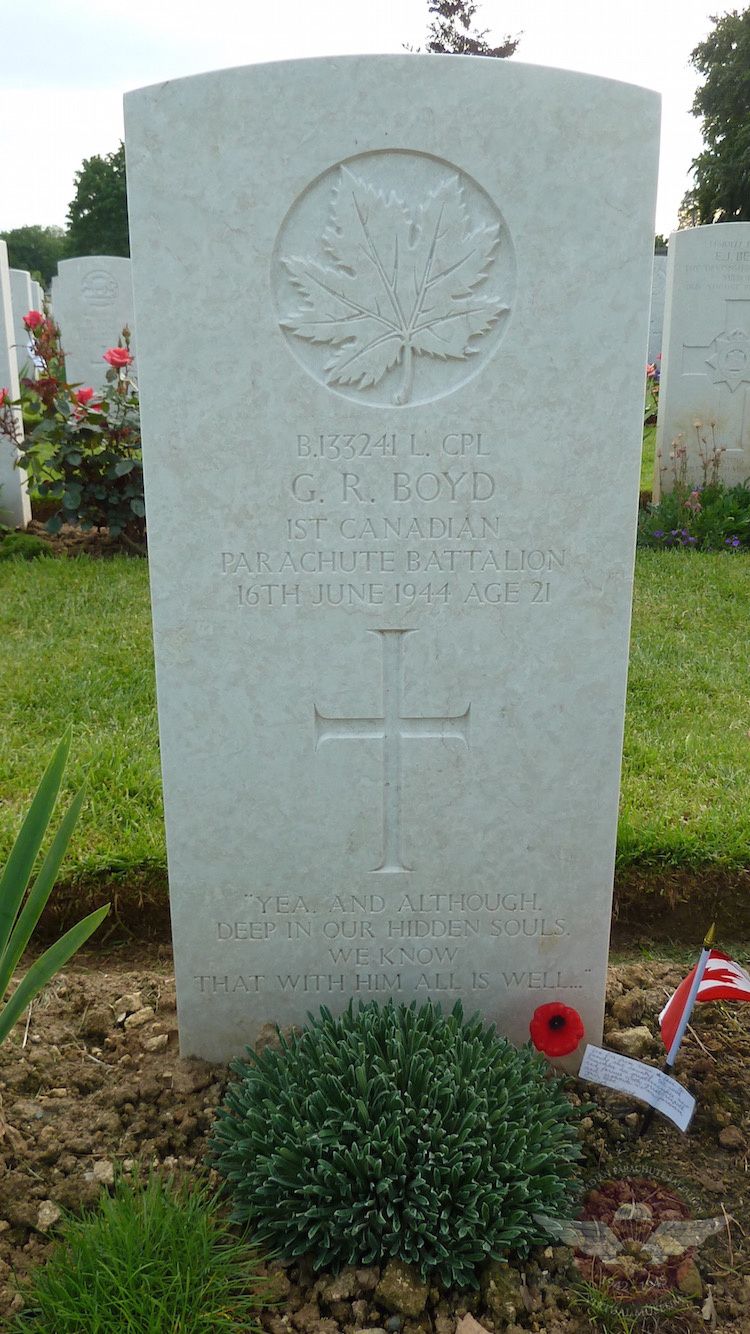
Boyd G.R.
Ranville War Cemetery
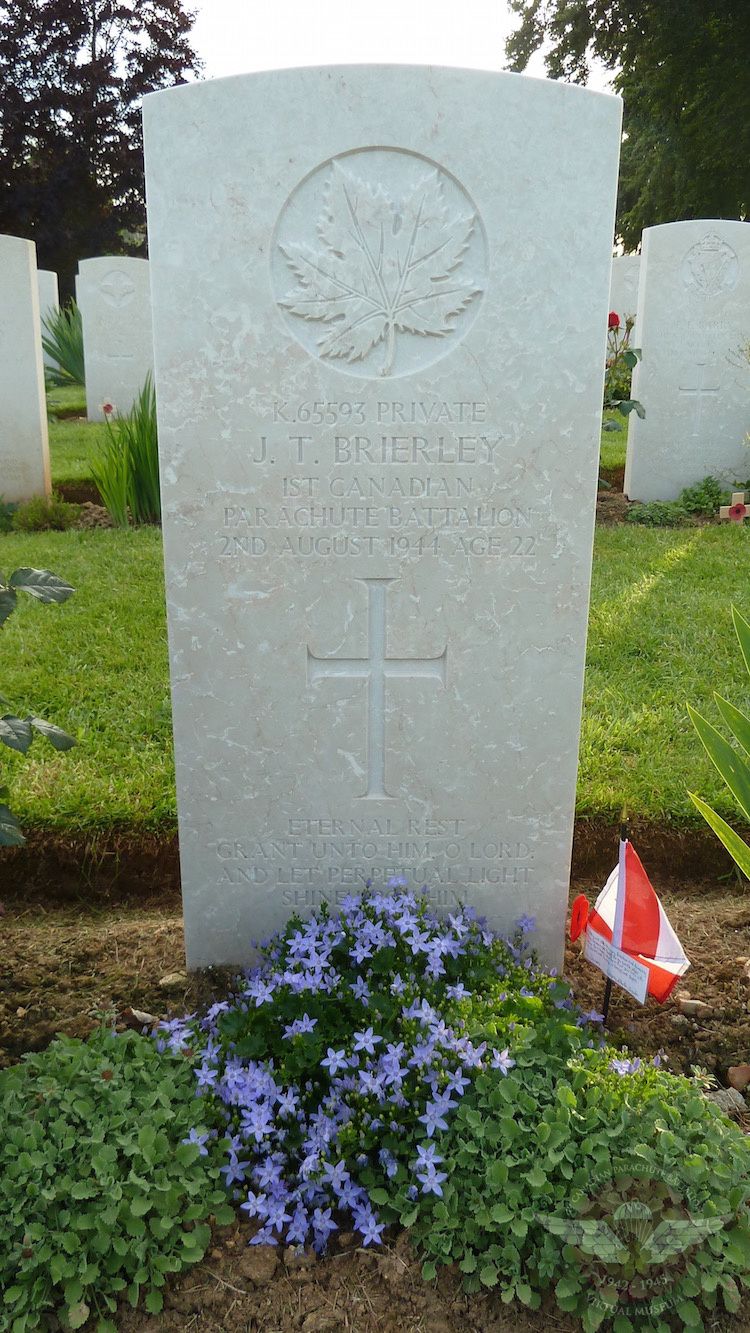
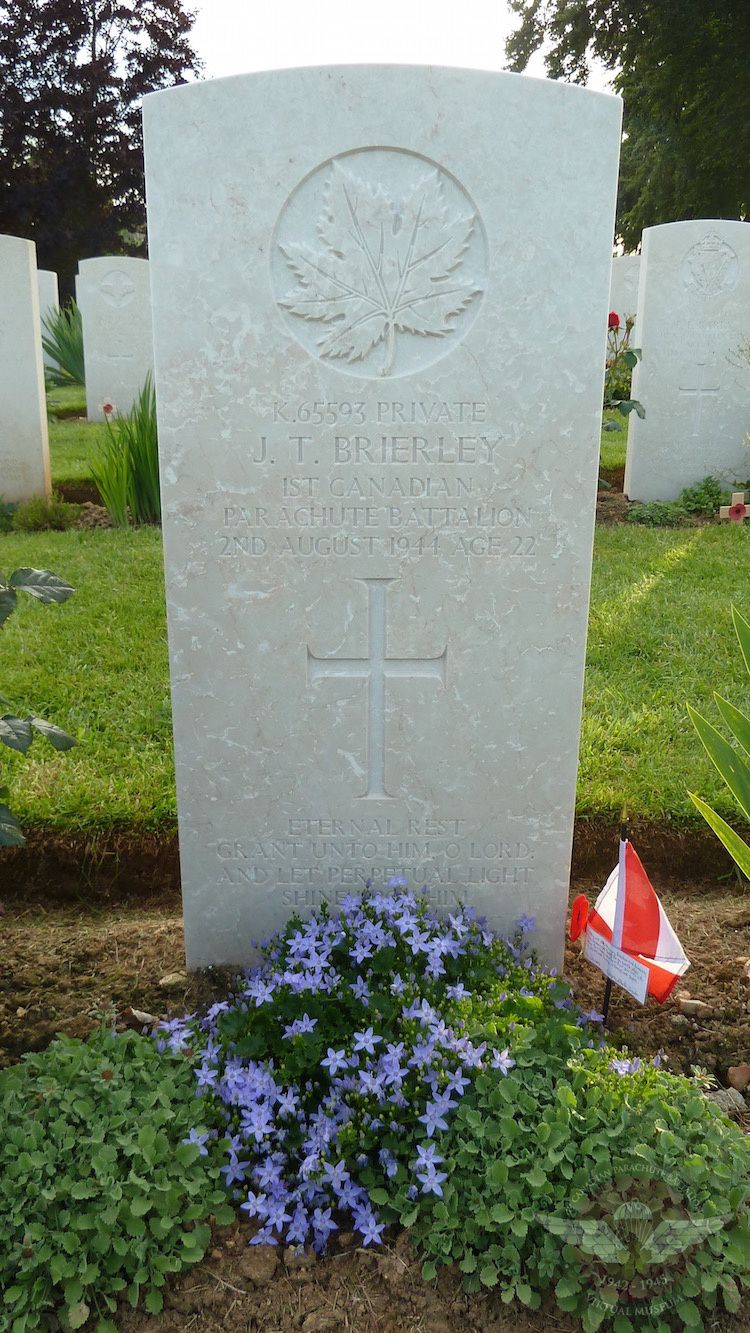
Brierley J.T.
Ranville War Cemetery
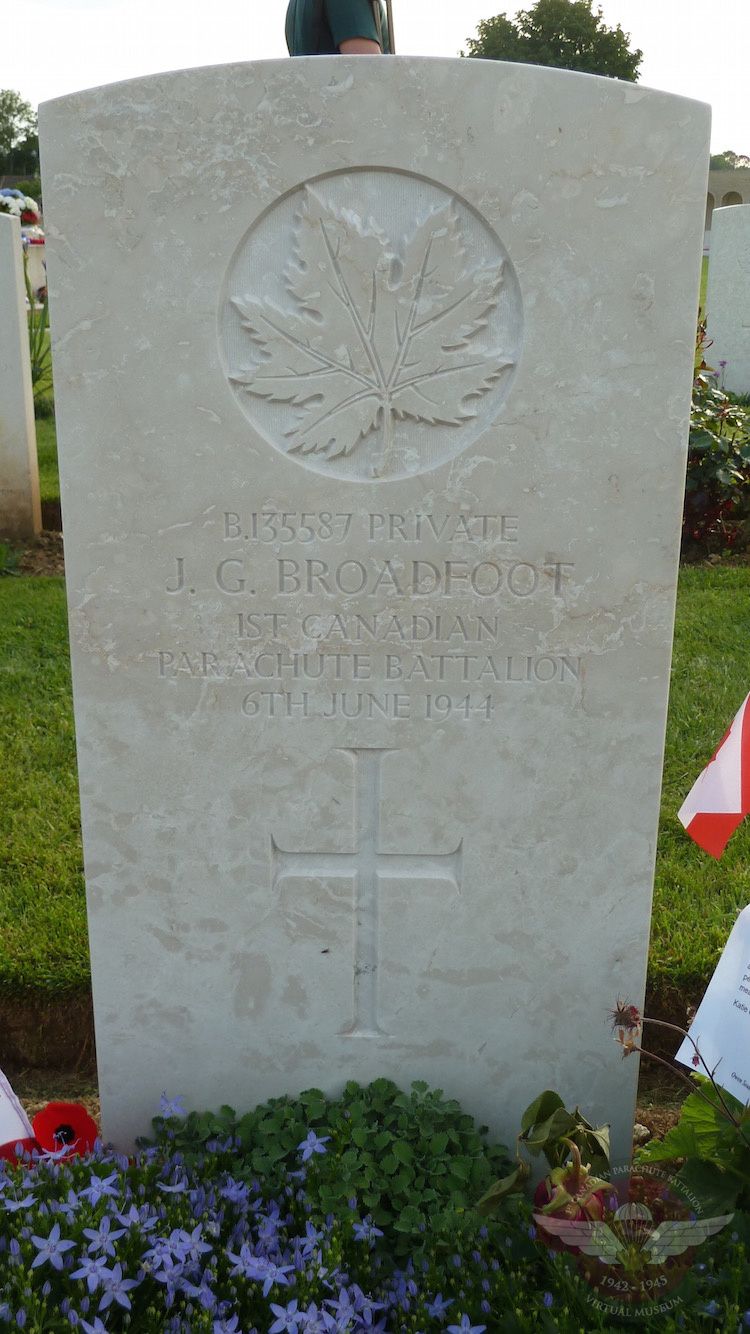
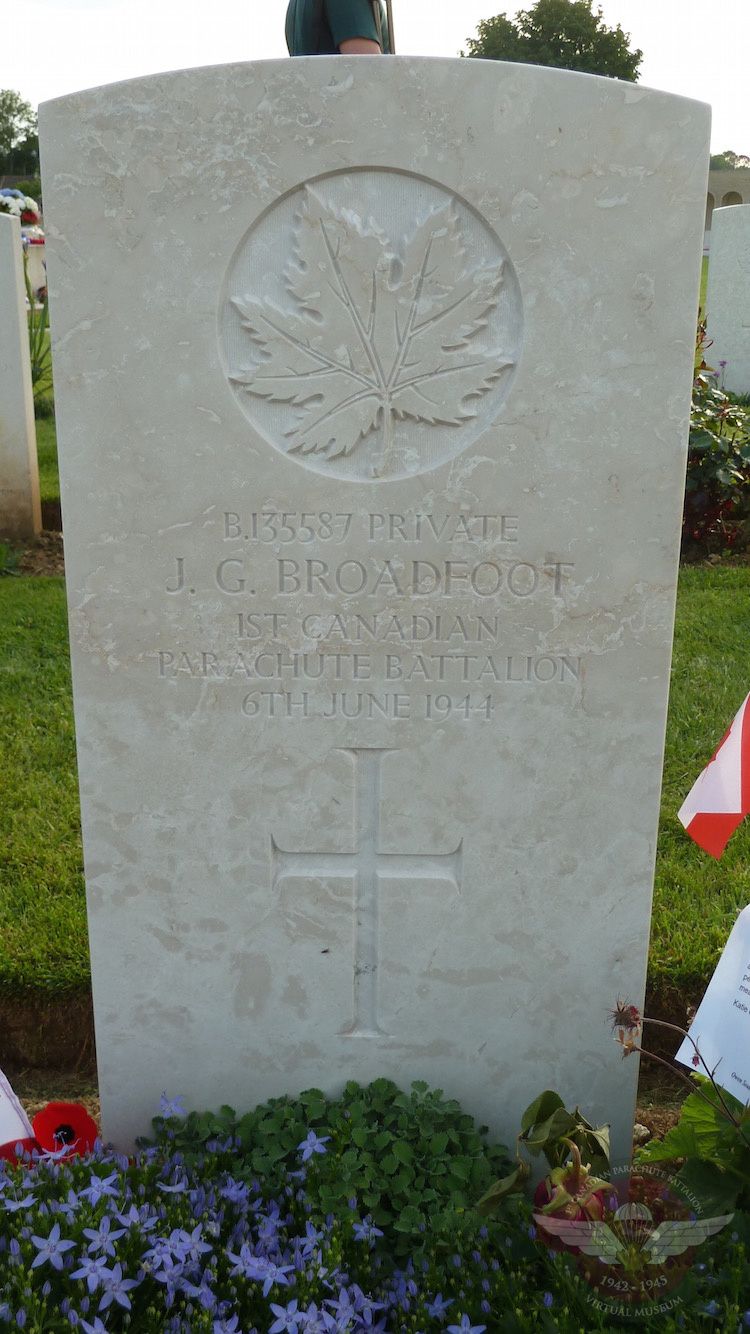
Broadfoot J.G.
Ranville War Cemetery
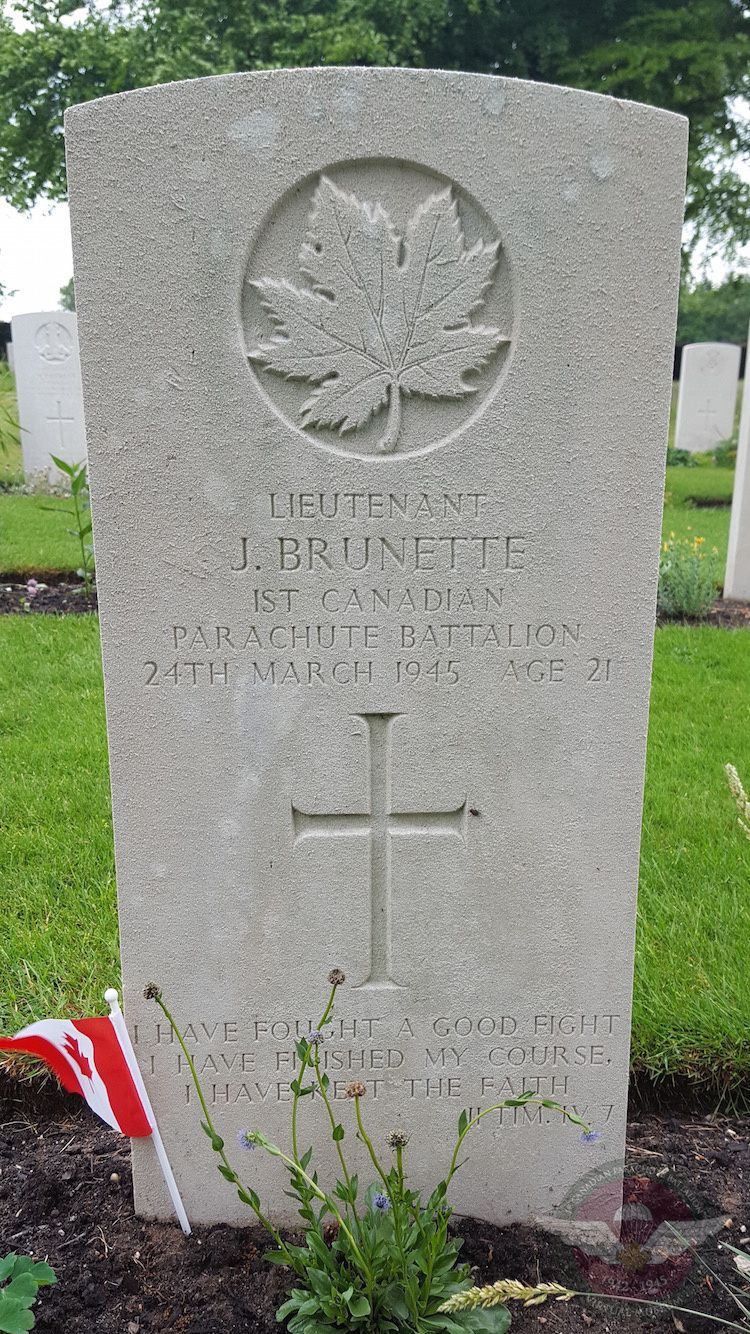
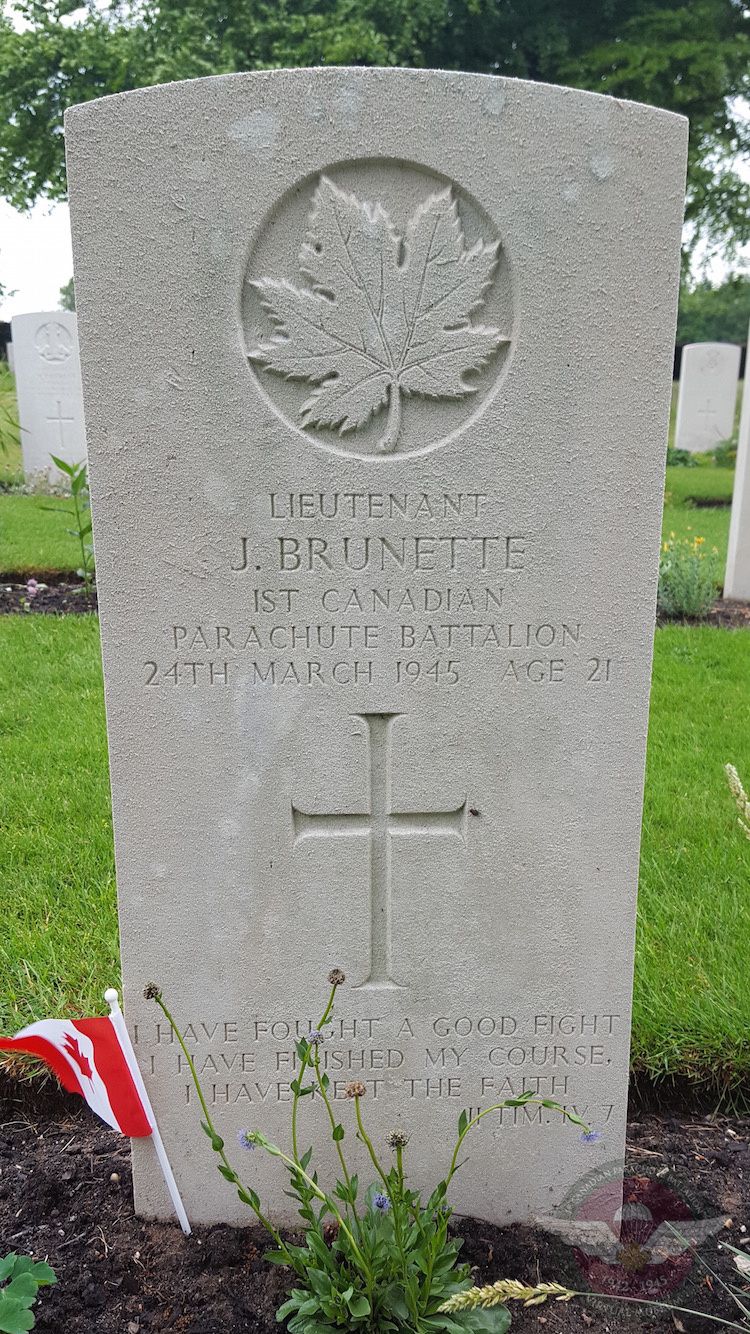
Brunette J.
Groesbeek Canadian War Cemetery
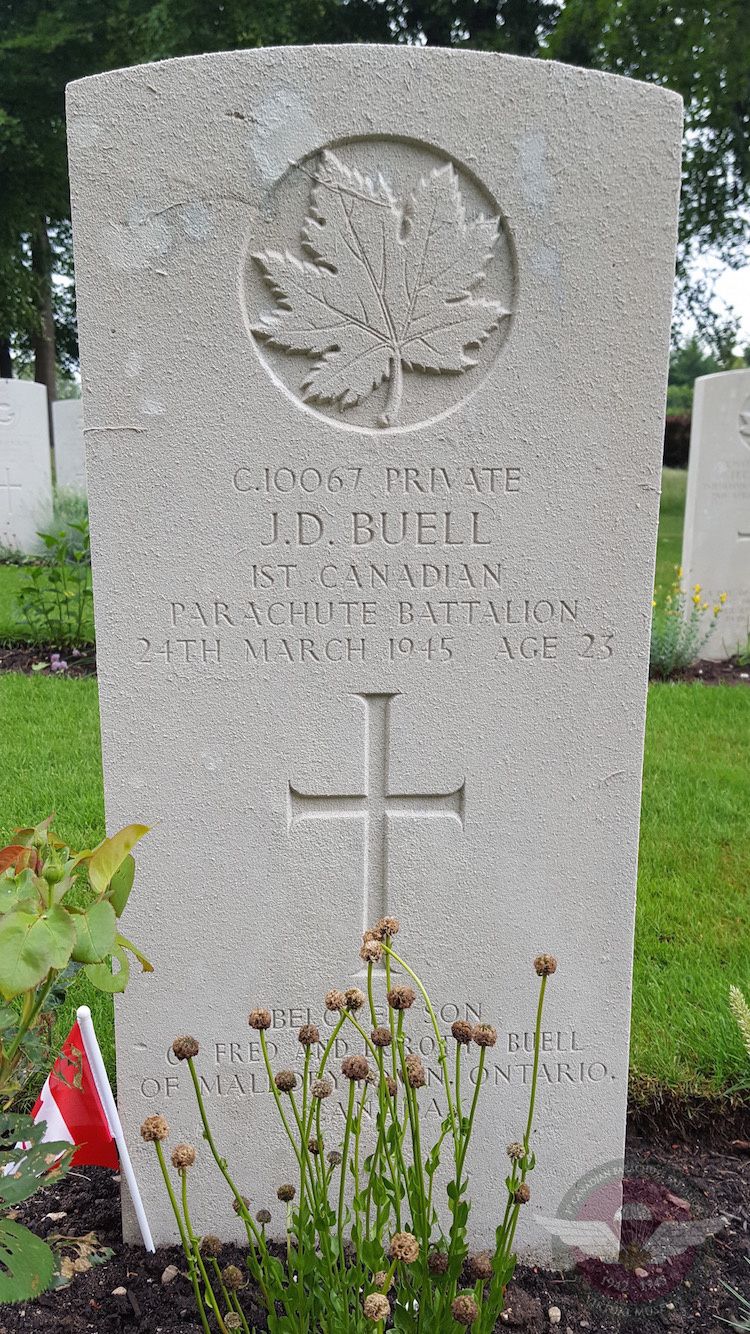
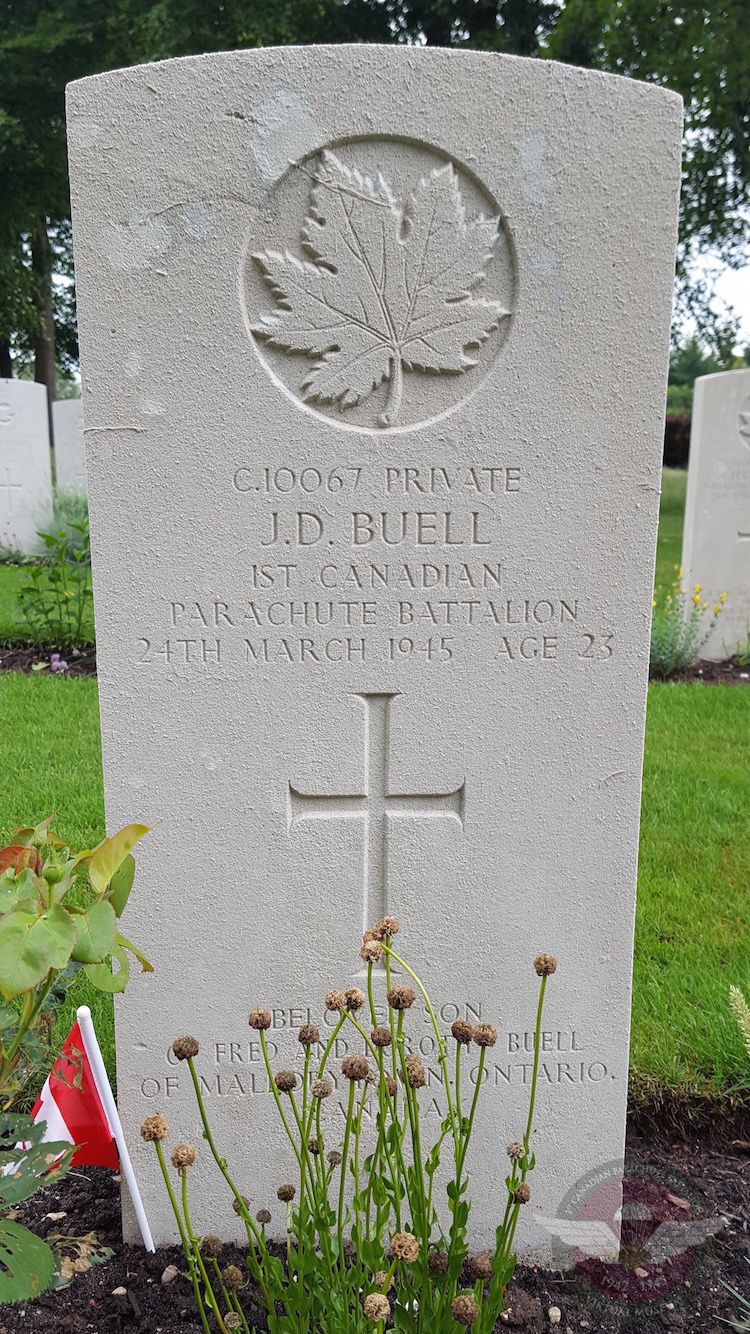
Buell J.D.
Groesbeek Canadian War Cemetery
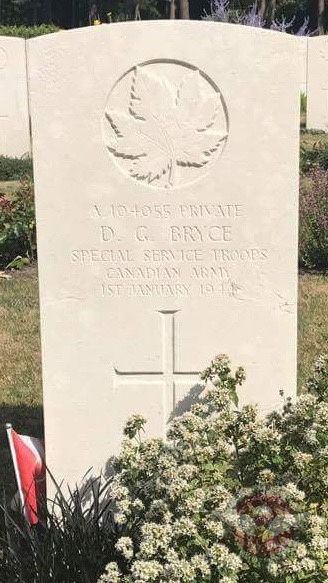
BRYCE D.G.
Brookwood Military Cemetery
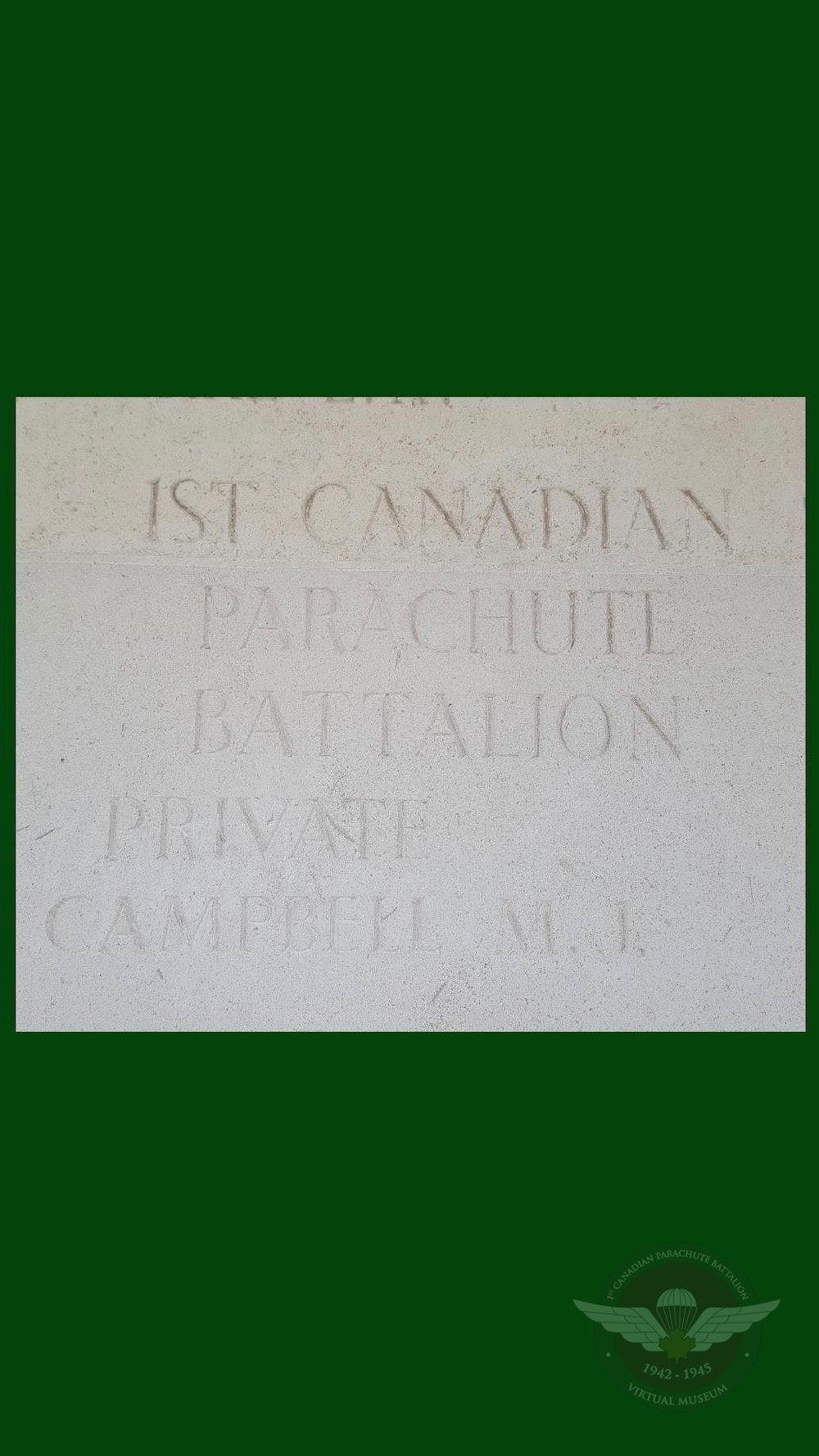
Campbell M.J. - MIA
Groesbeek Memorial
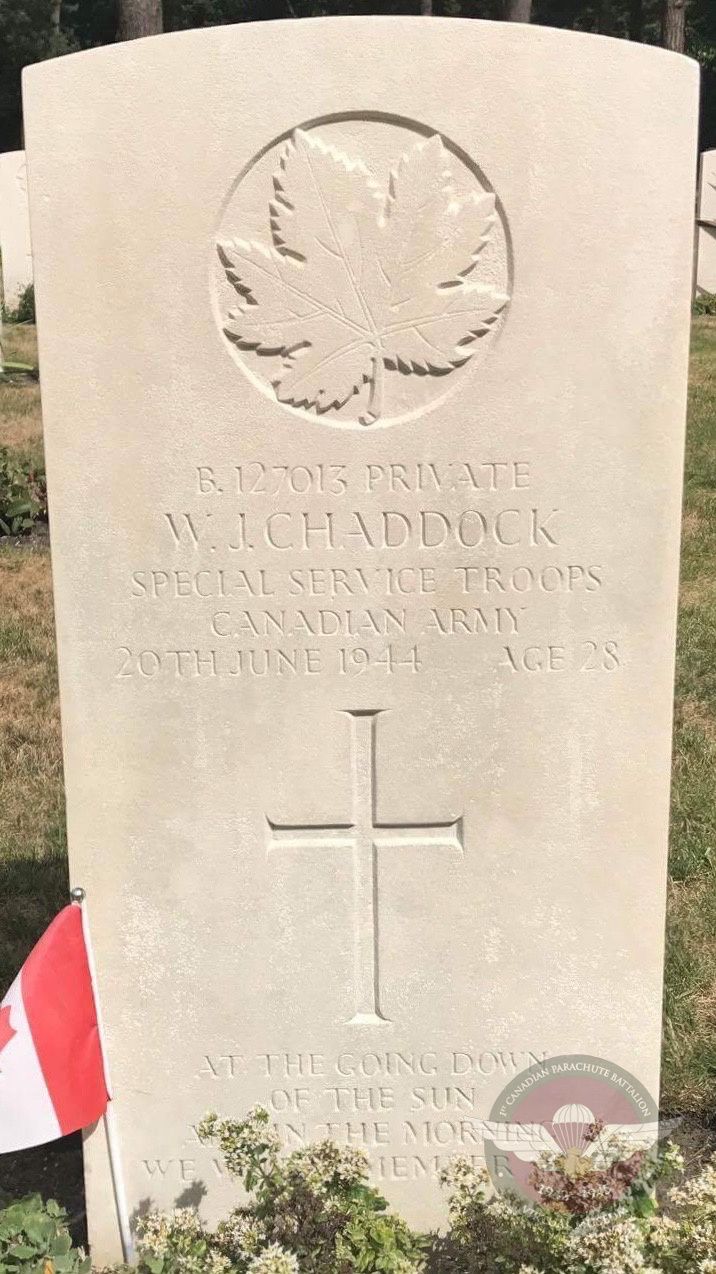
CHADDOCK W.J.
Brookwood Military Cemetery
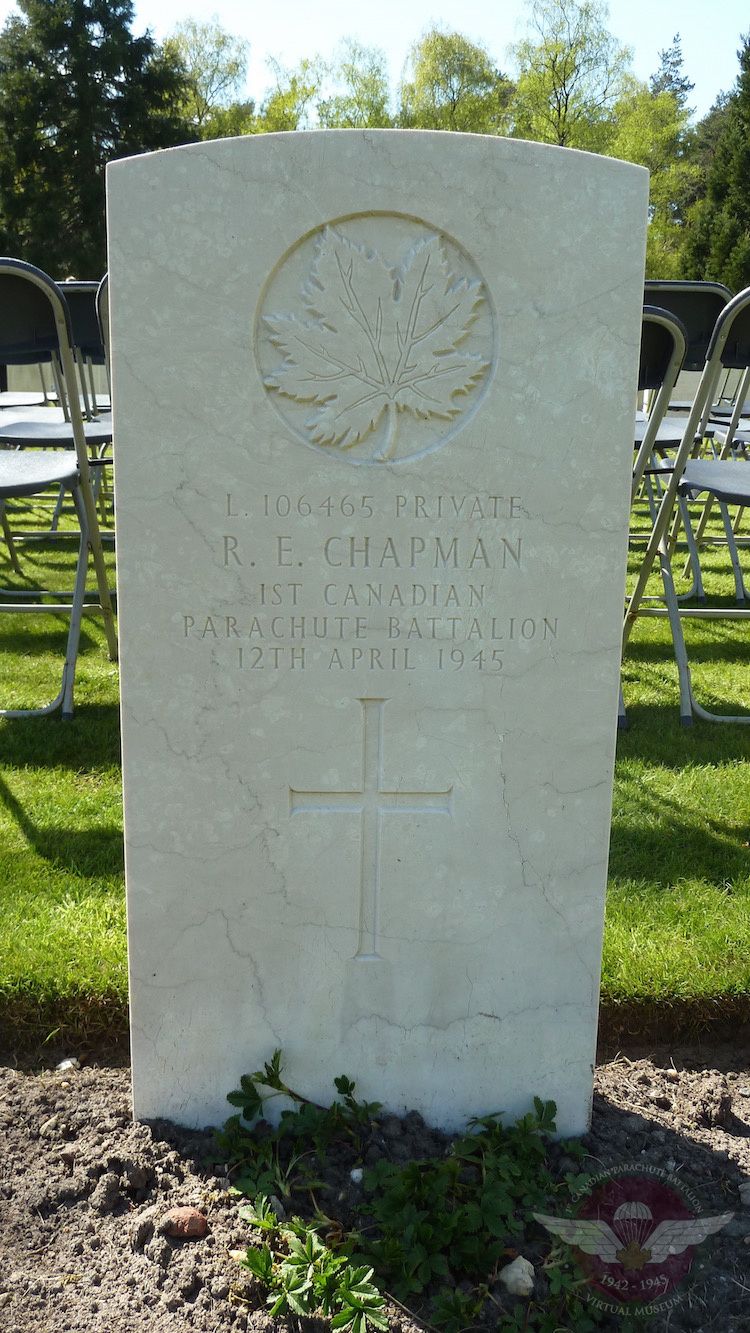
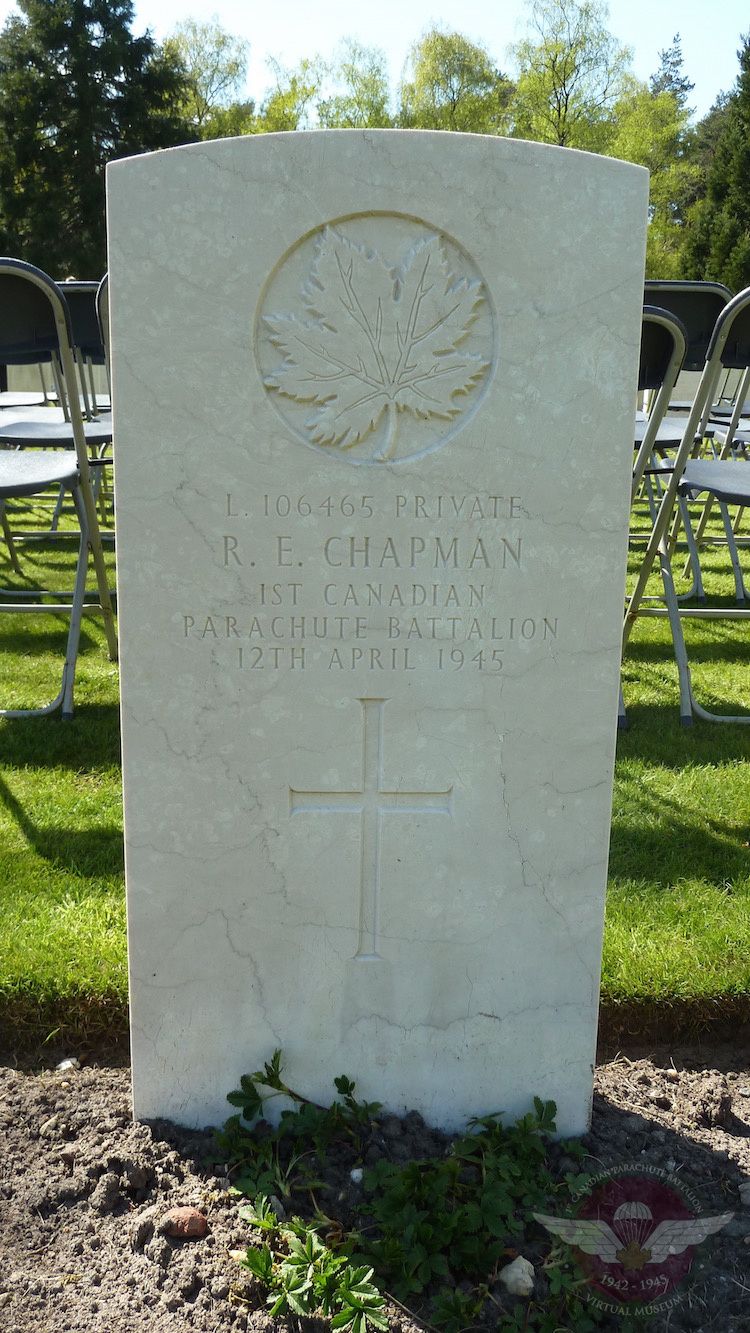
Chapman R.E.
Holten Canadian War Cemetery
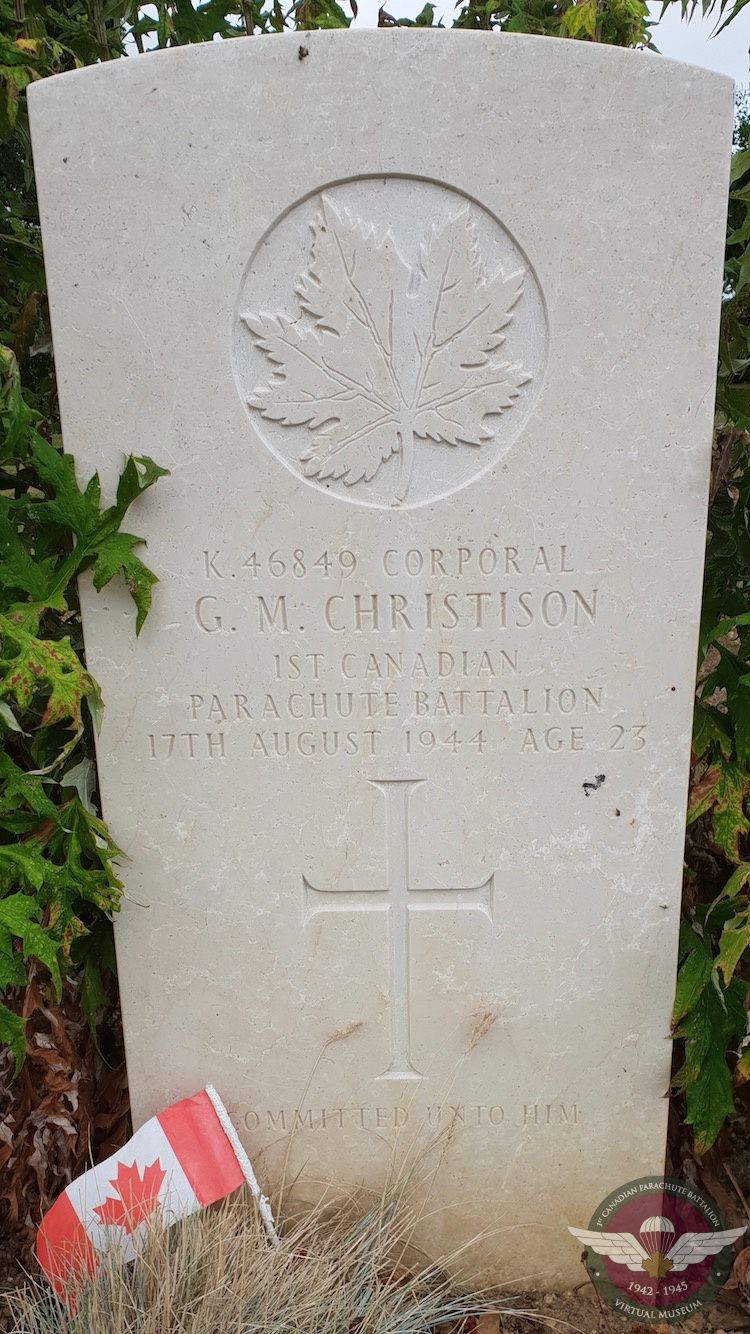
CHRISTISON G.M
Hottot-Les-Bagues War Cemetery
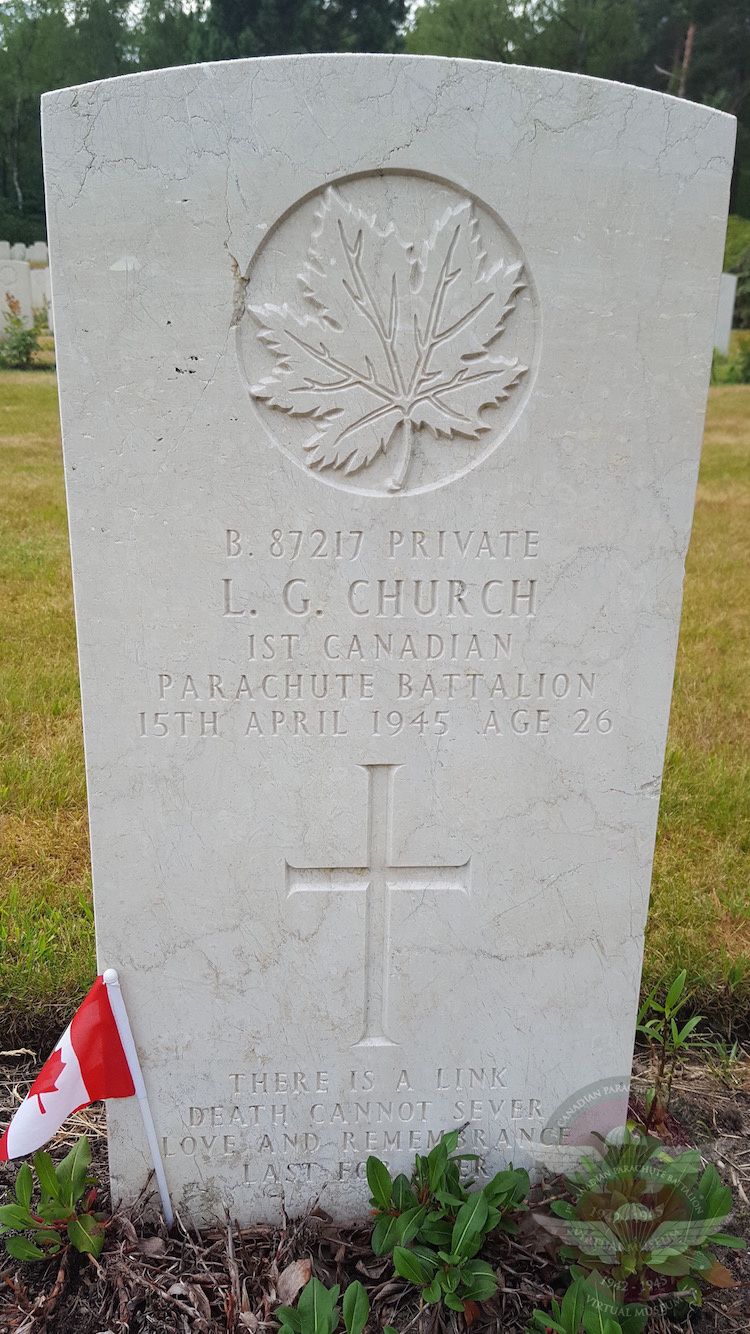
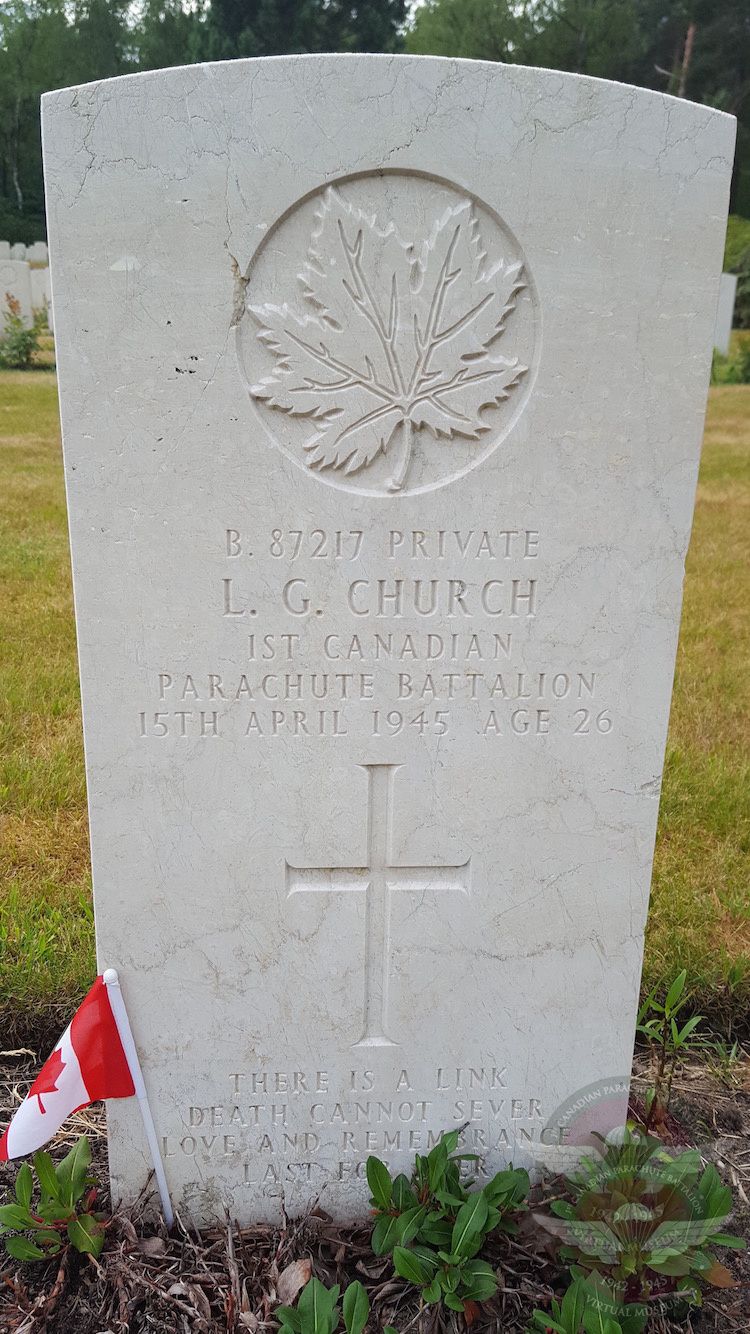
Church L.G.
Holten Canadian War Cemetery
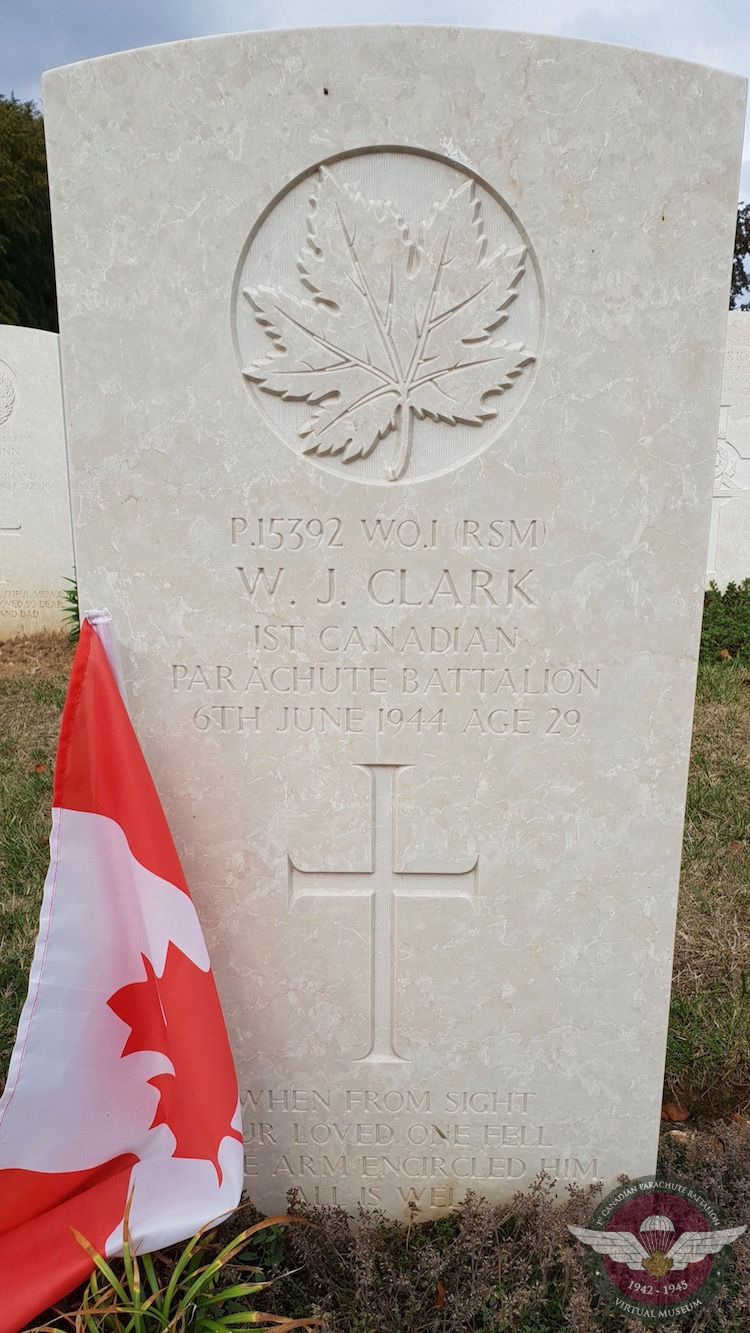
CLARK W.J
Ranville War Cemetery
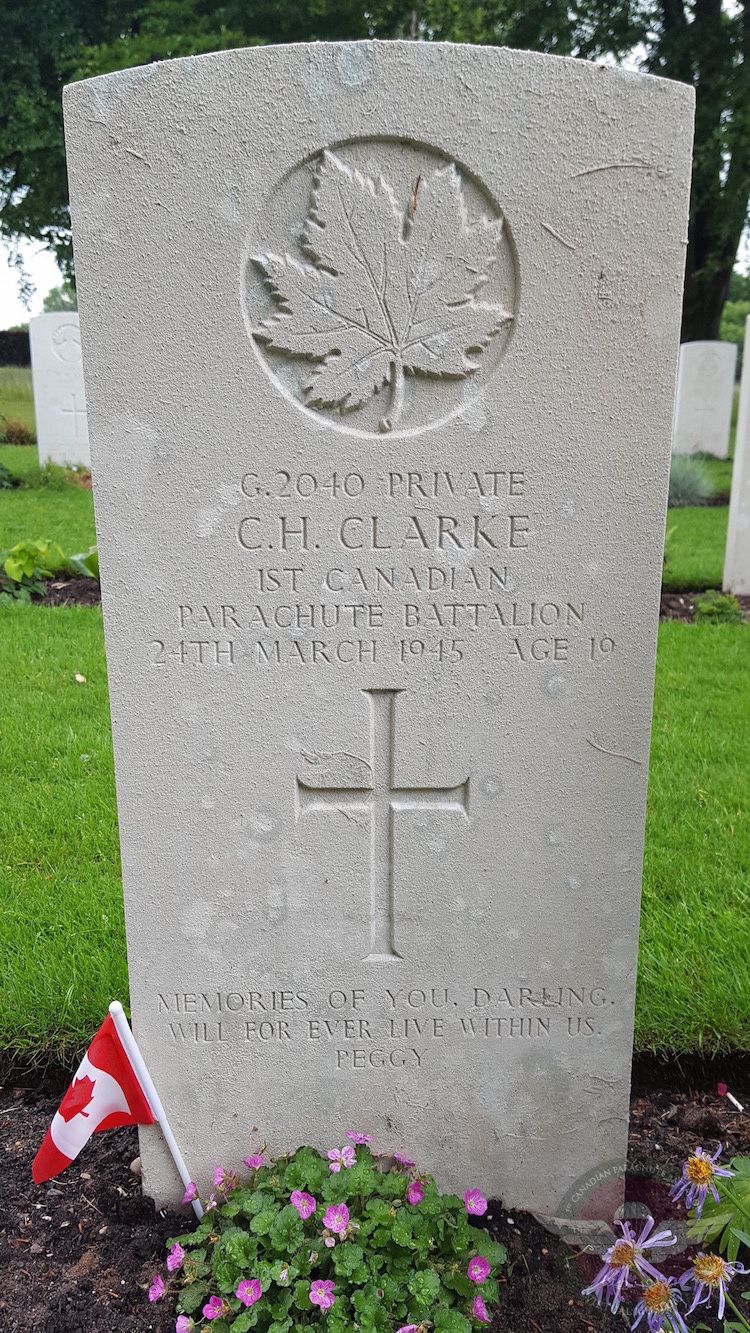
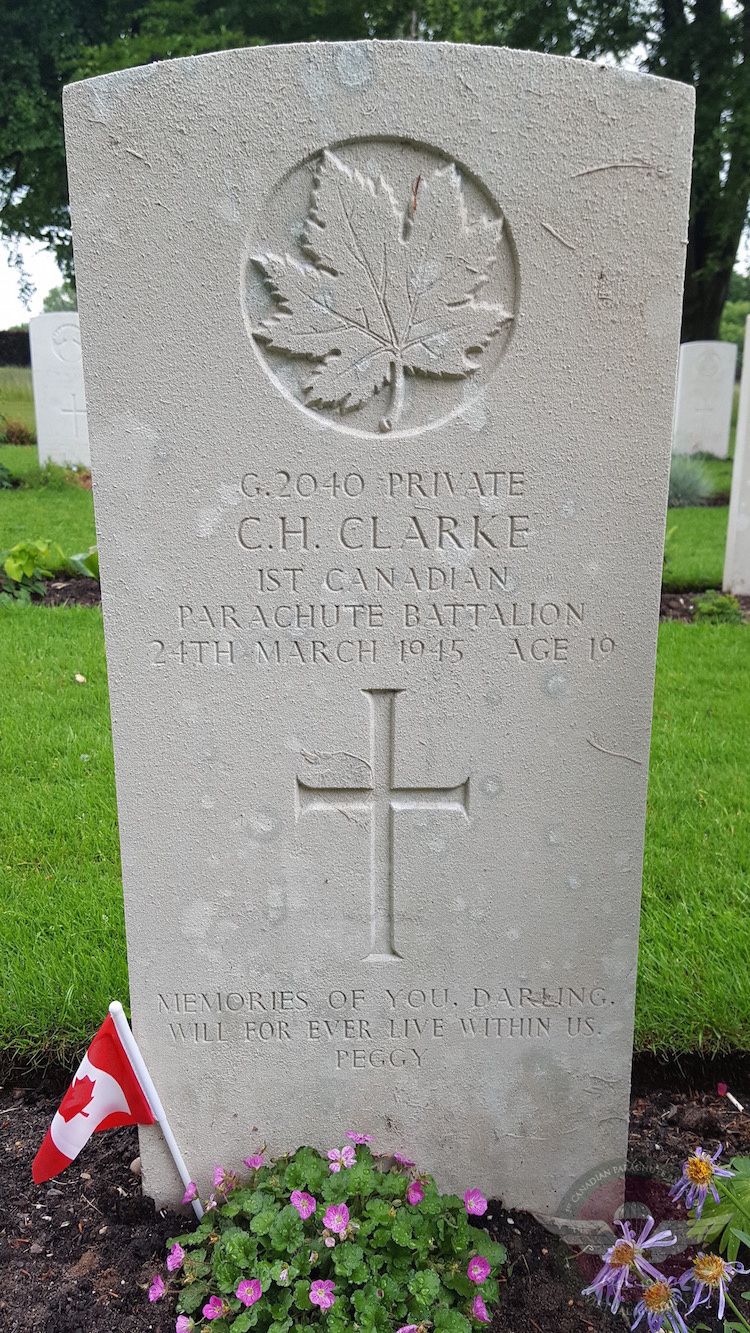
Clarke C.H.
Groesbeek Canadian War Cemetery
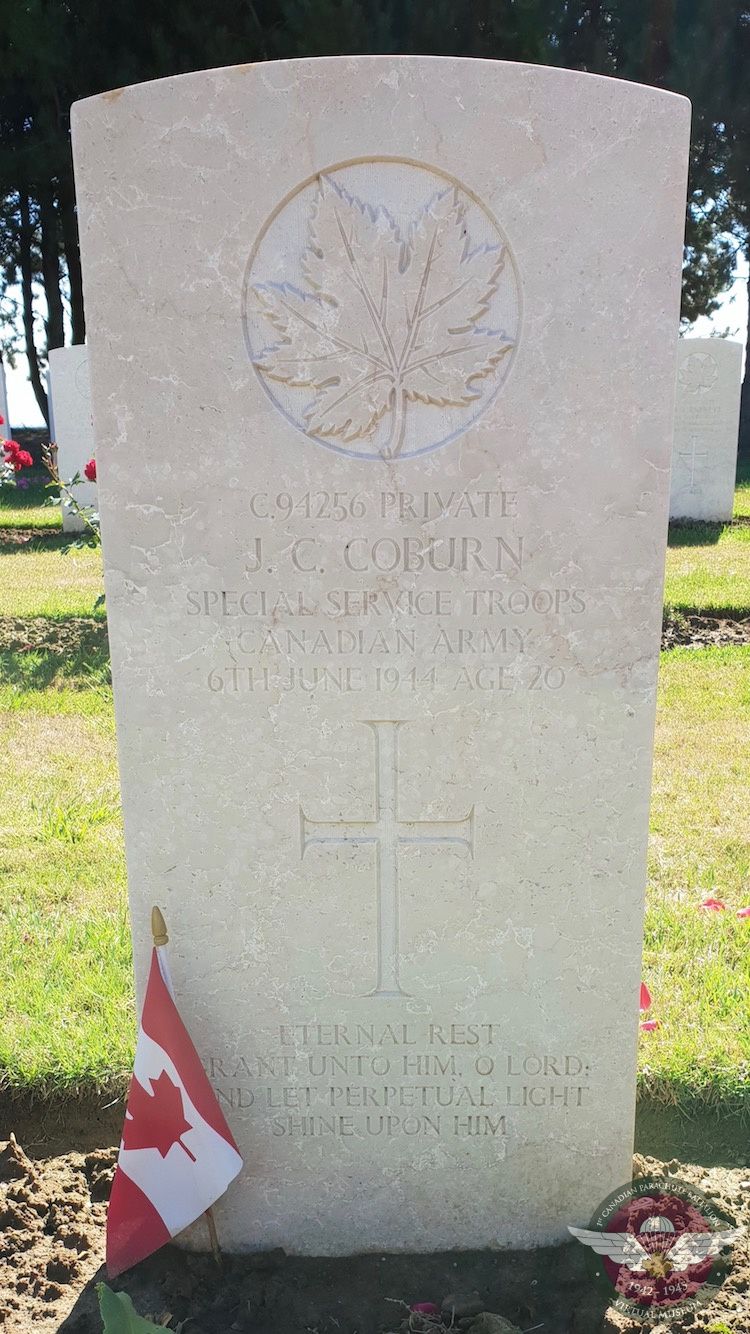
COBURN J.C
Calais Canadian War Cemetery, Leubringhen
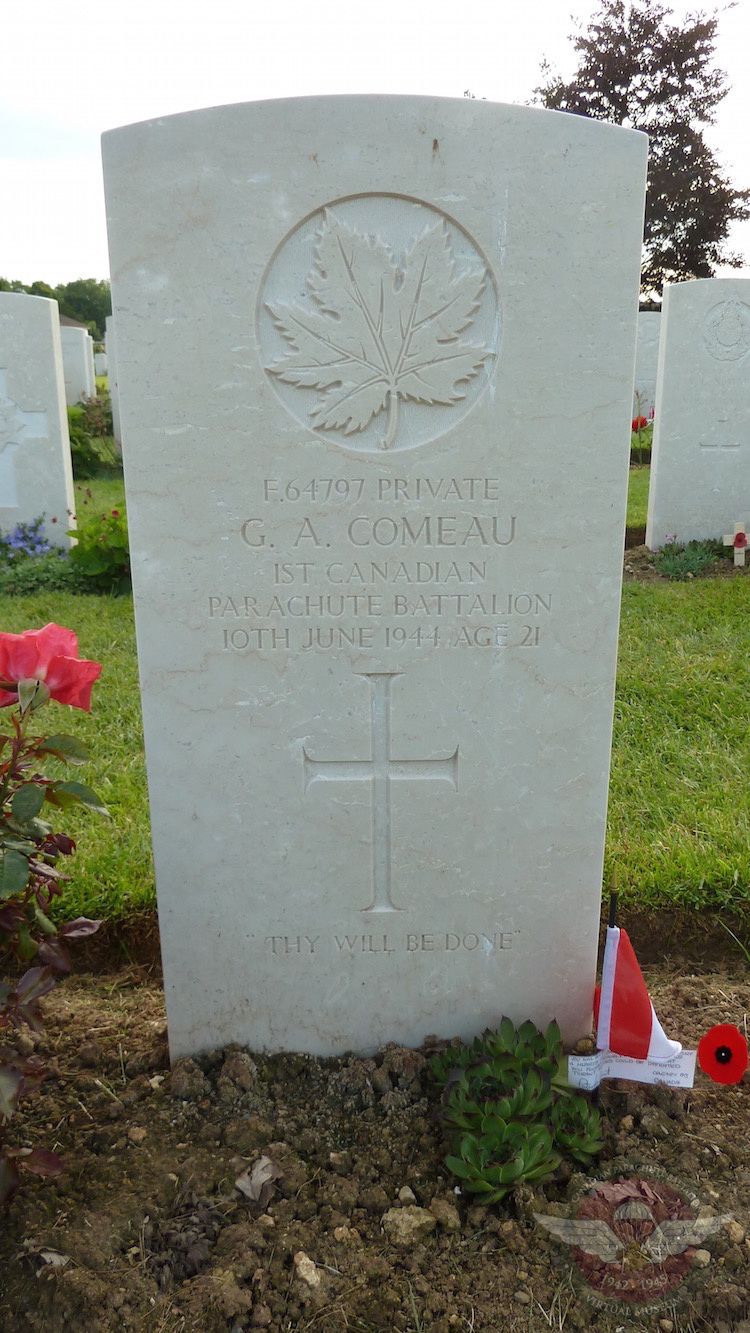
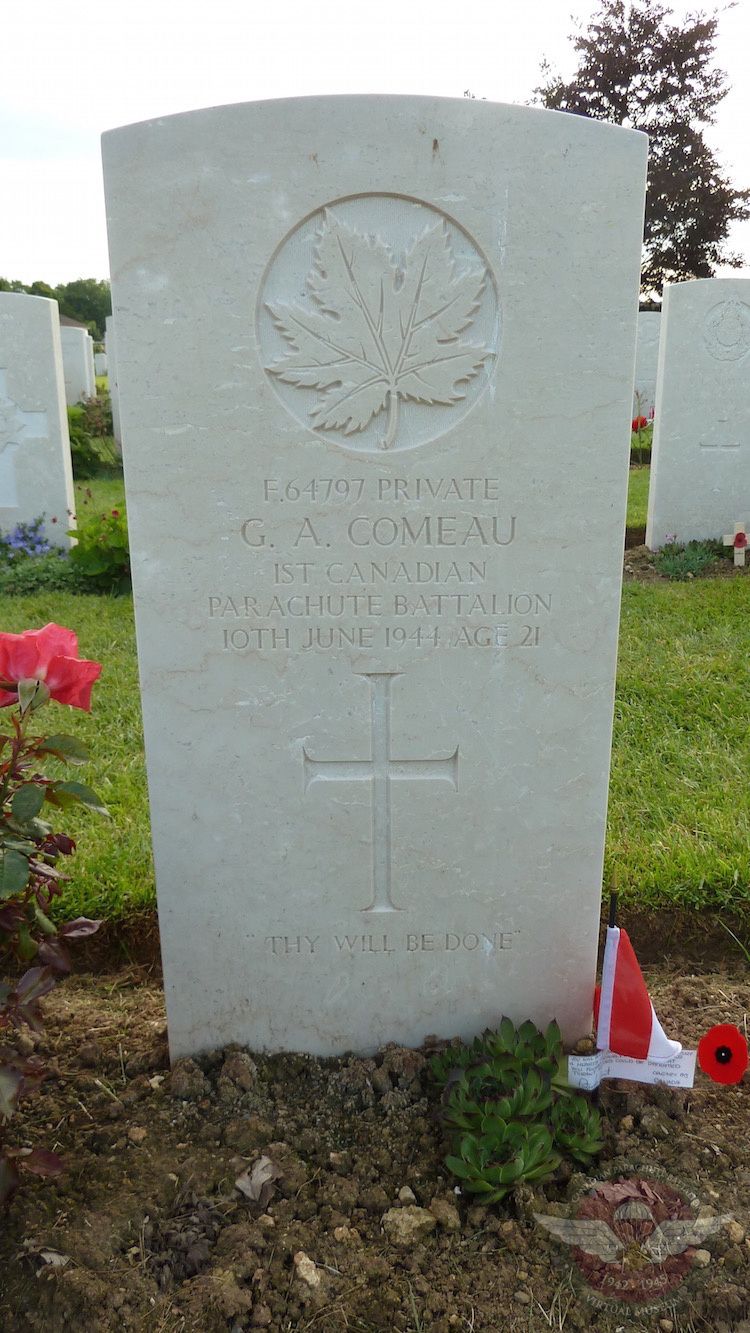
Comeau G.A.
Ranville War Cemetery
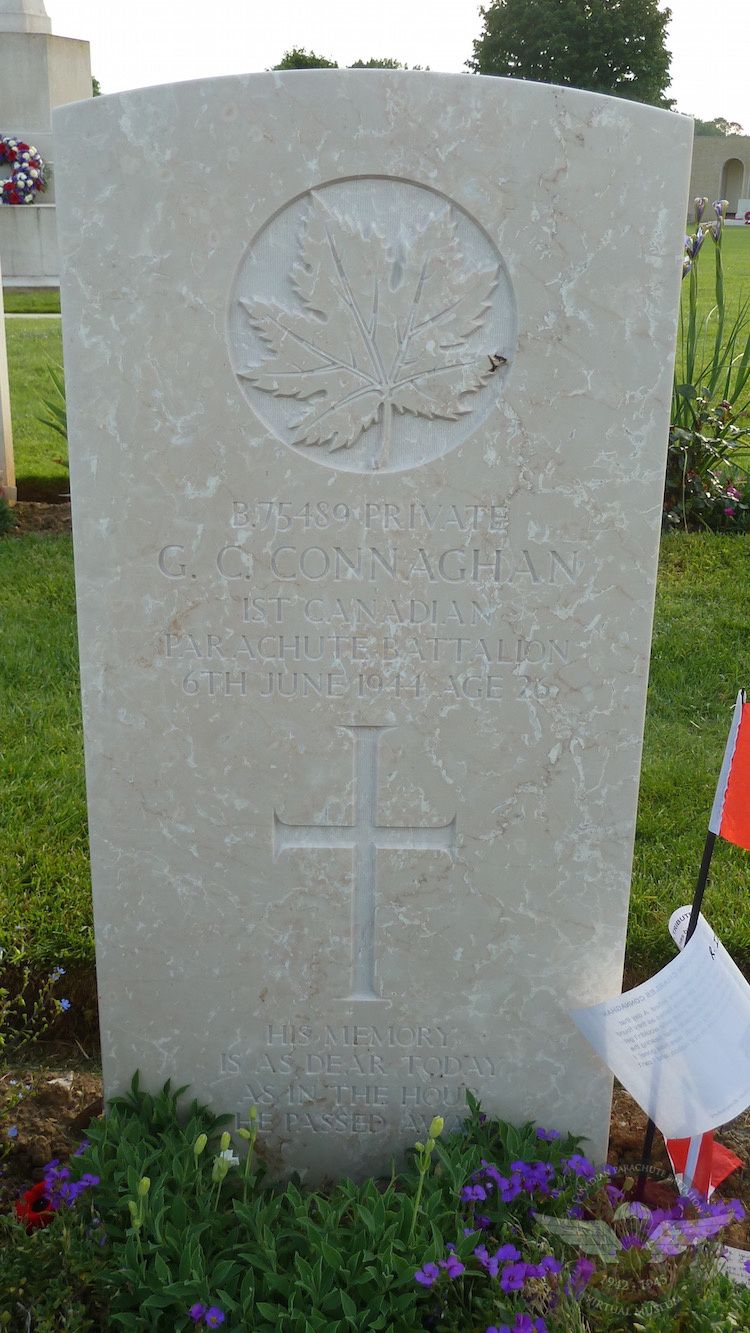
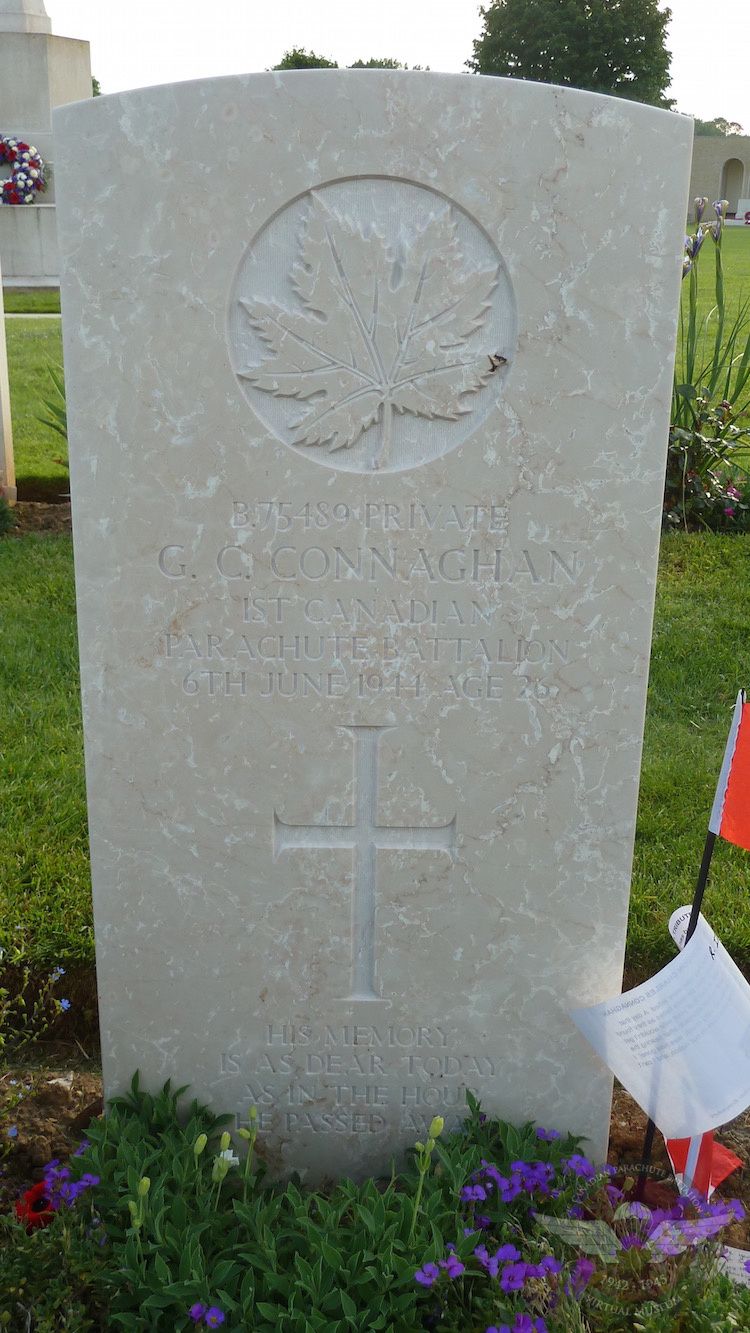
Connaghan G.C.
Ranville War Cemetery
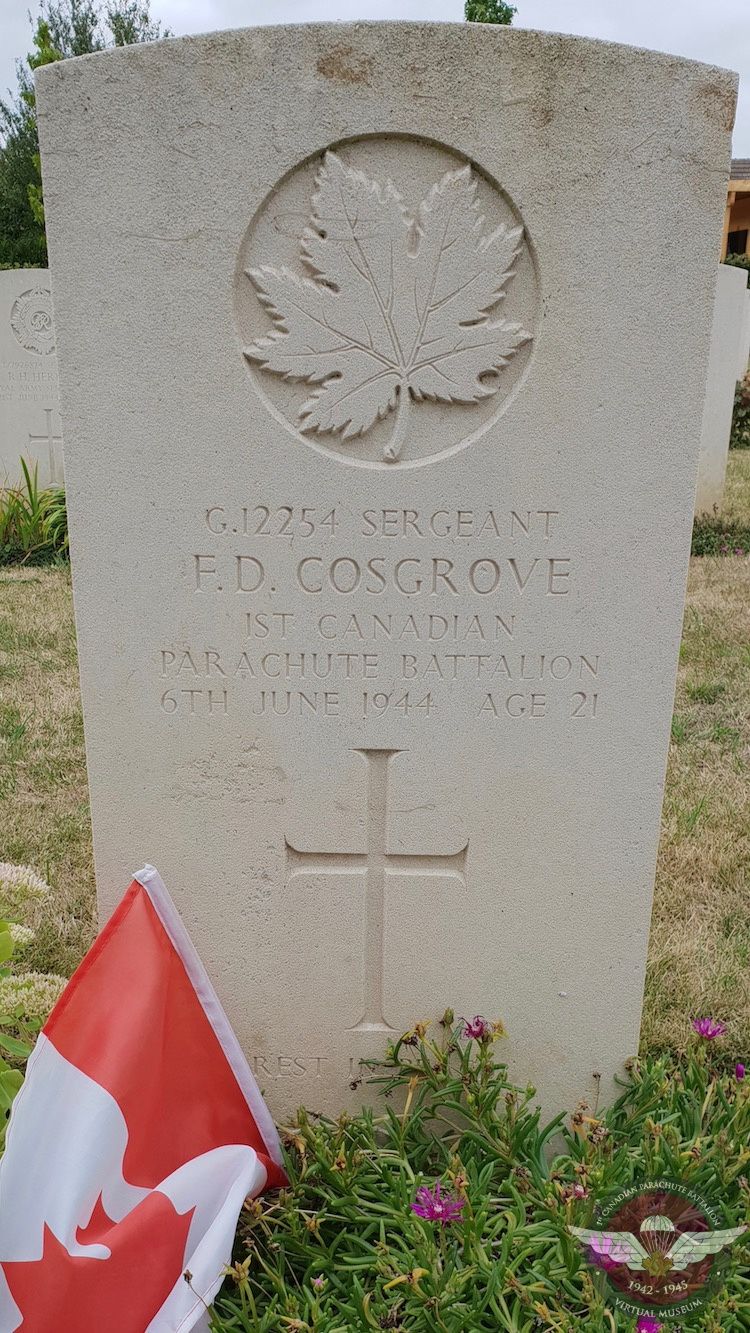
COSGROVE F.D
Ranville War Cemetery
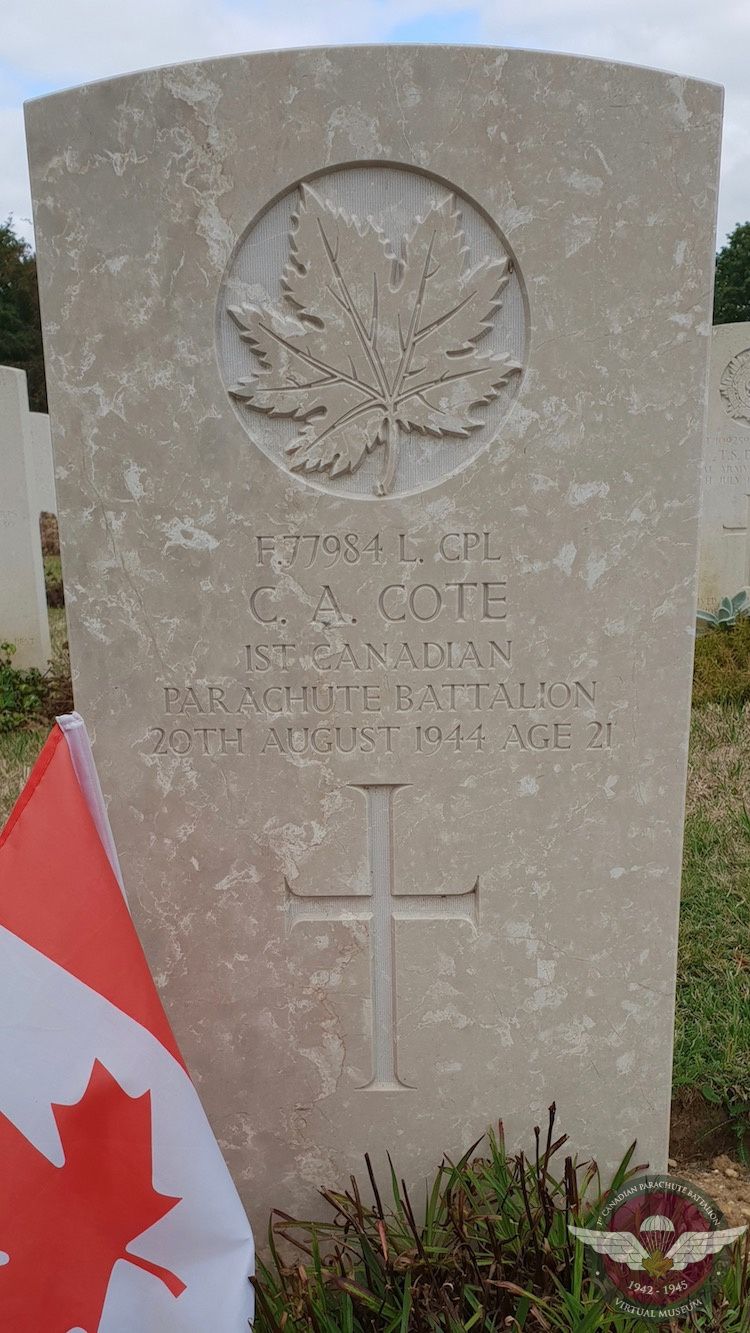
COTE C.A
Ranville War Cemetery
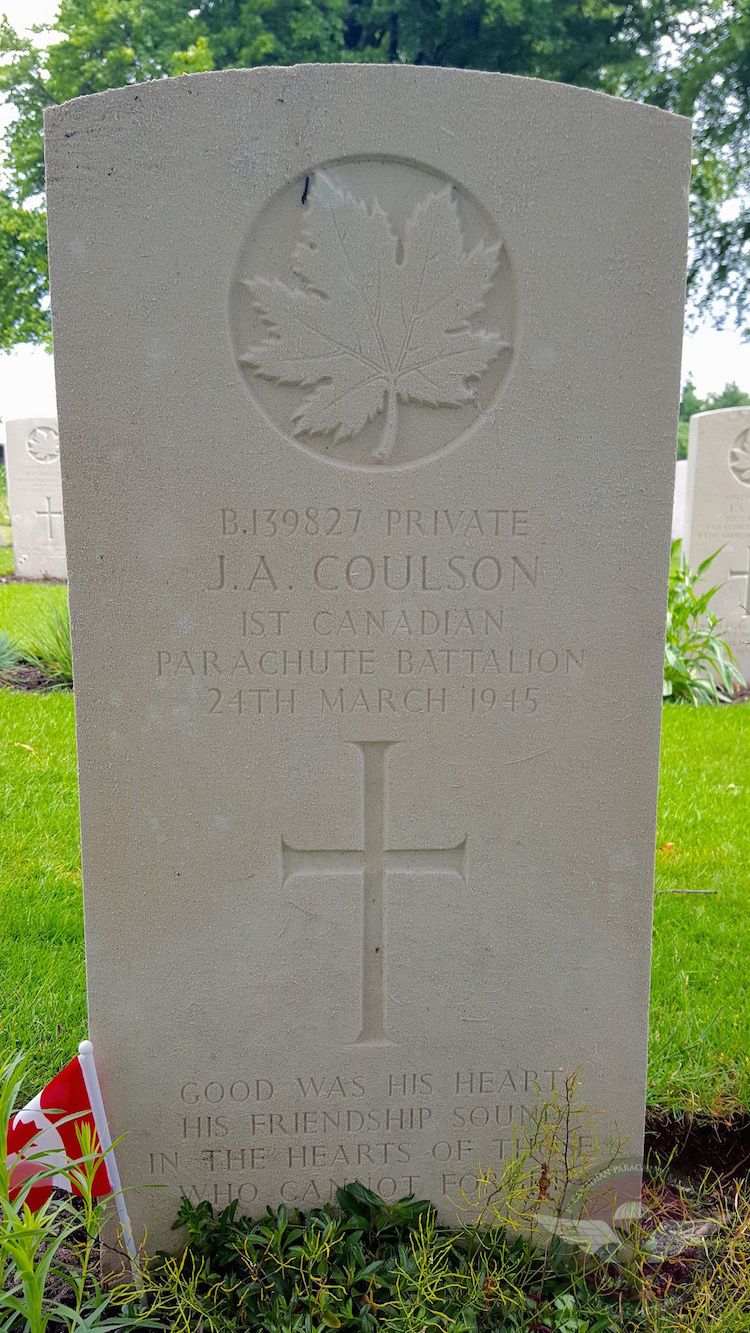
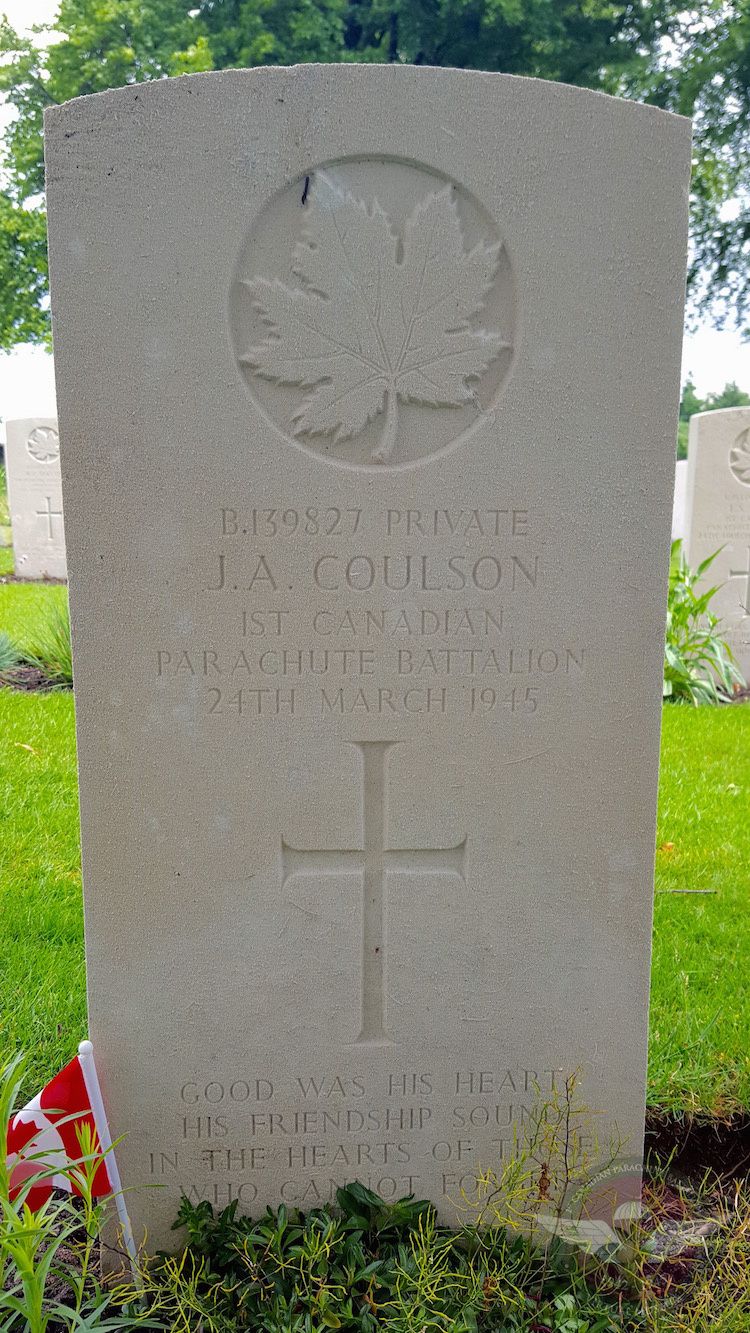
Coulson J.A.
Groesbeek Canadian War Cemetery
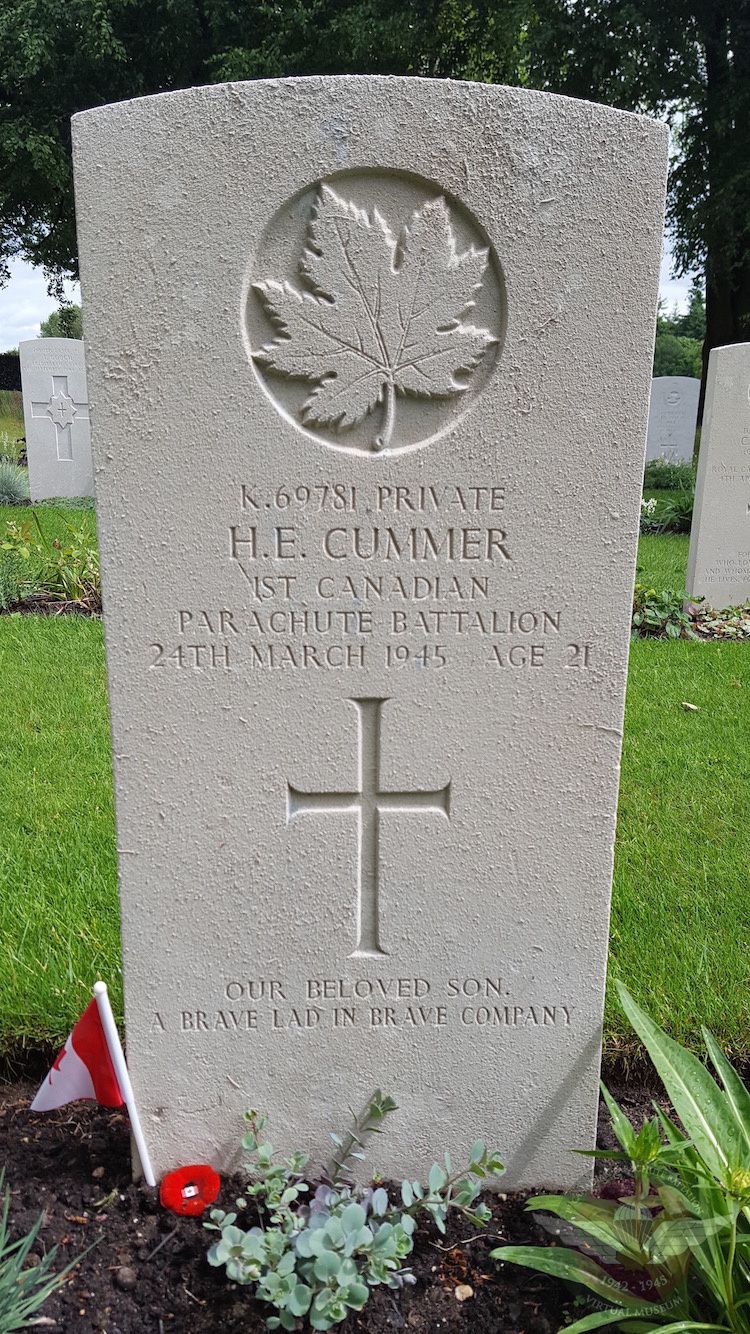
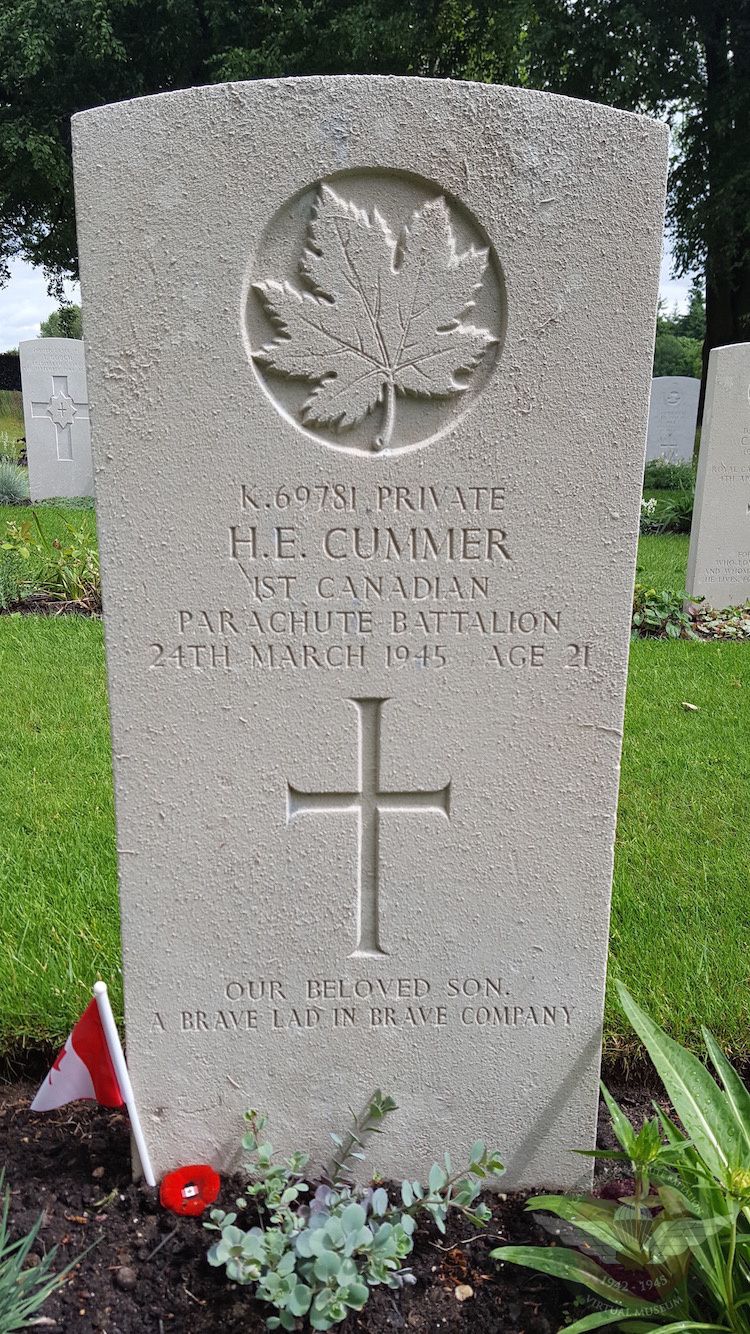
Cummer H.E.
Groesbeek Canadian War Cemetery
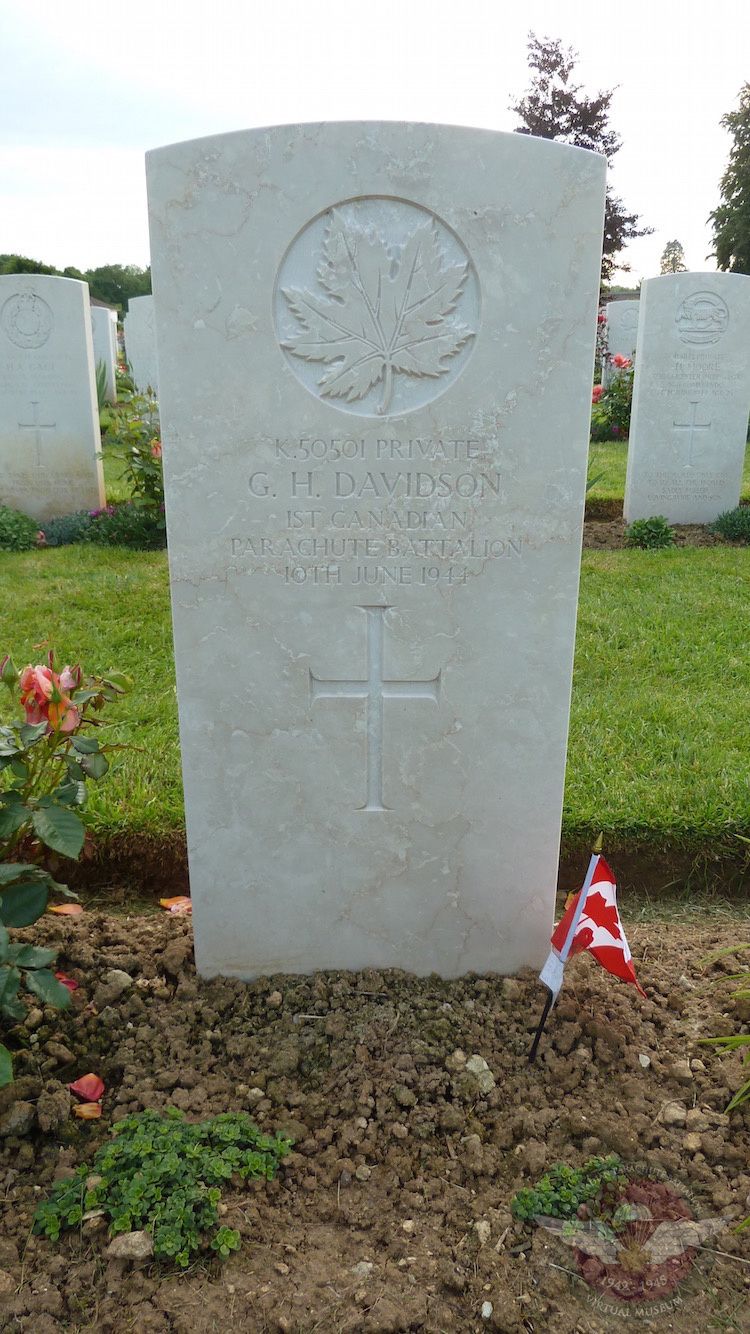
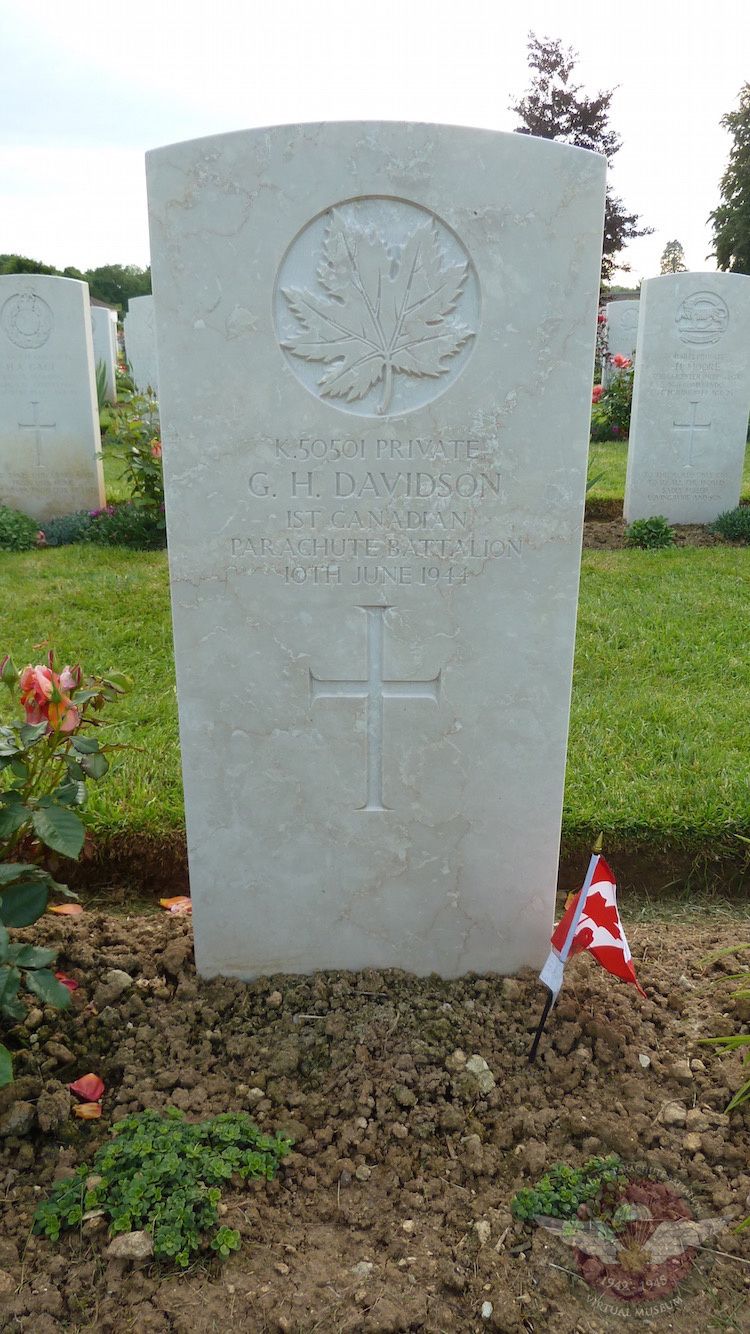
Davidson G.H.
Ranville War Cemetery
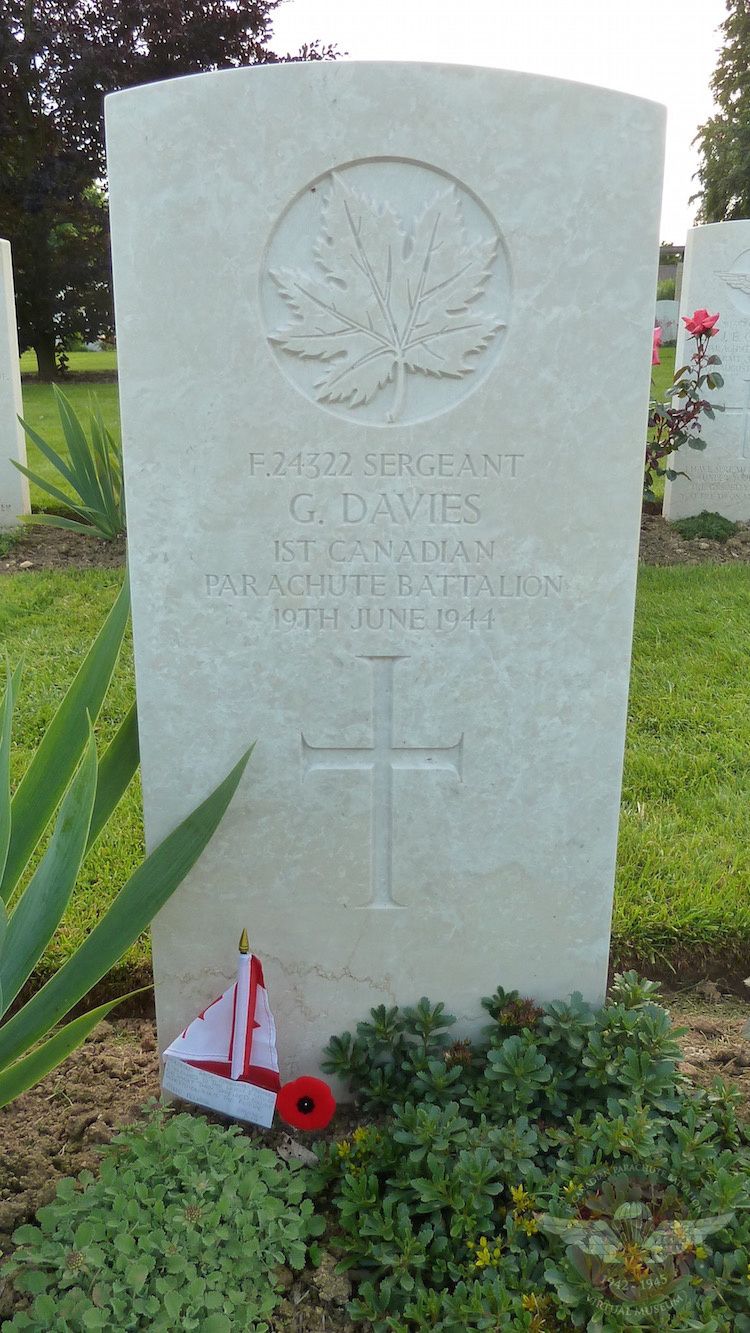
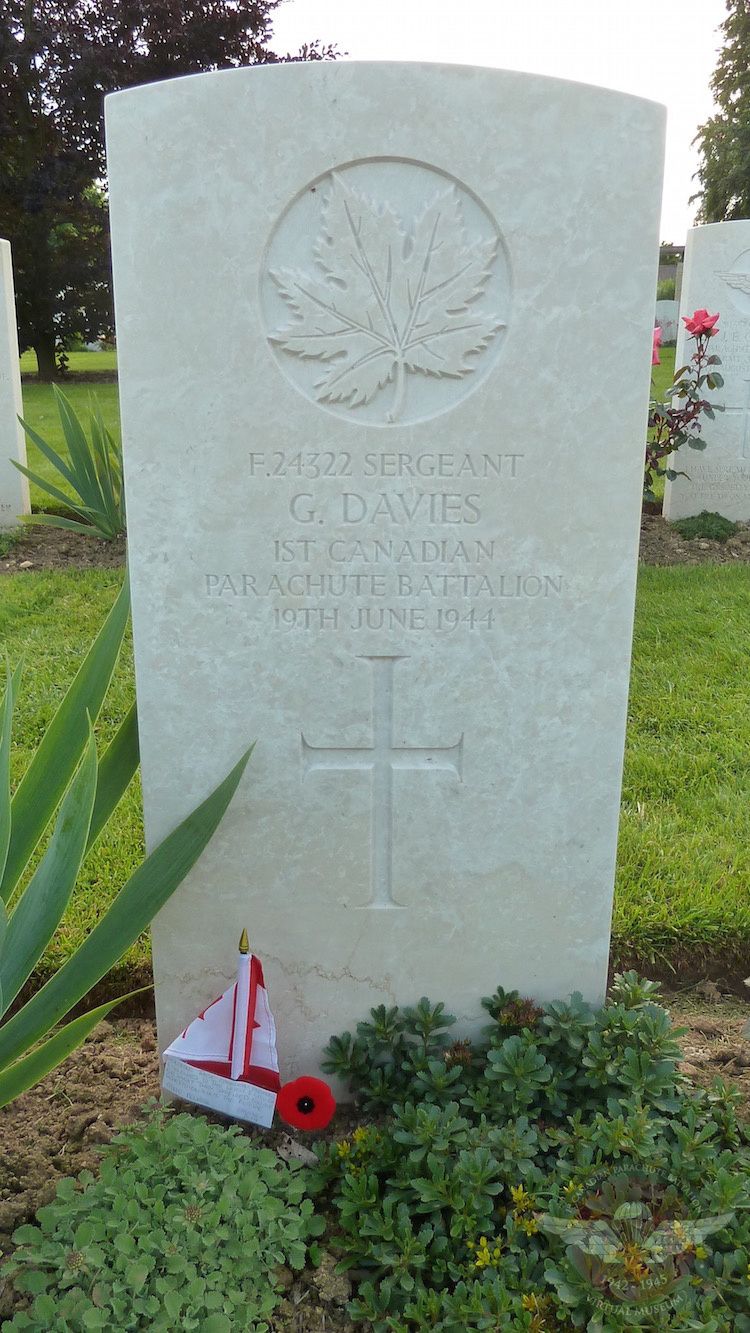
Davies G.
Ranville War Cemetery
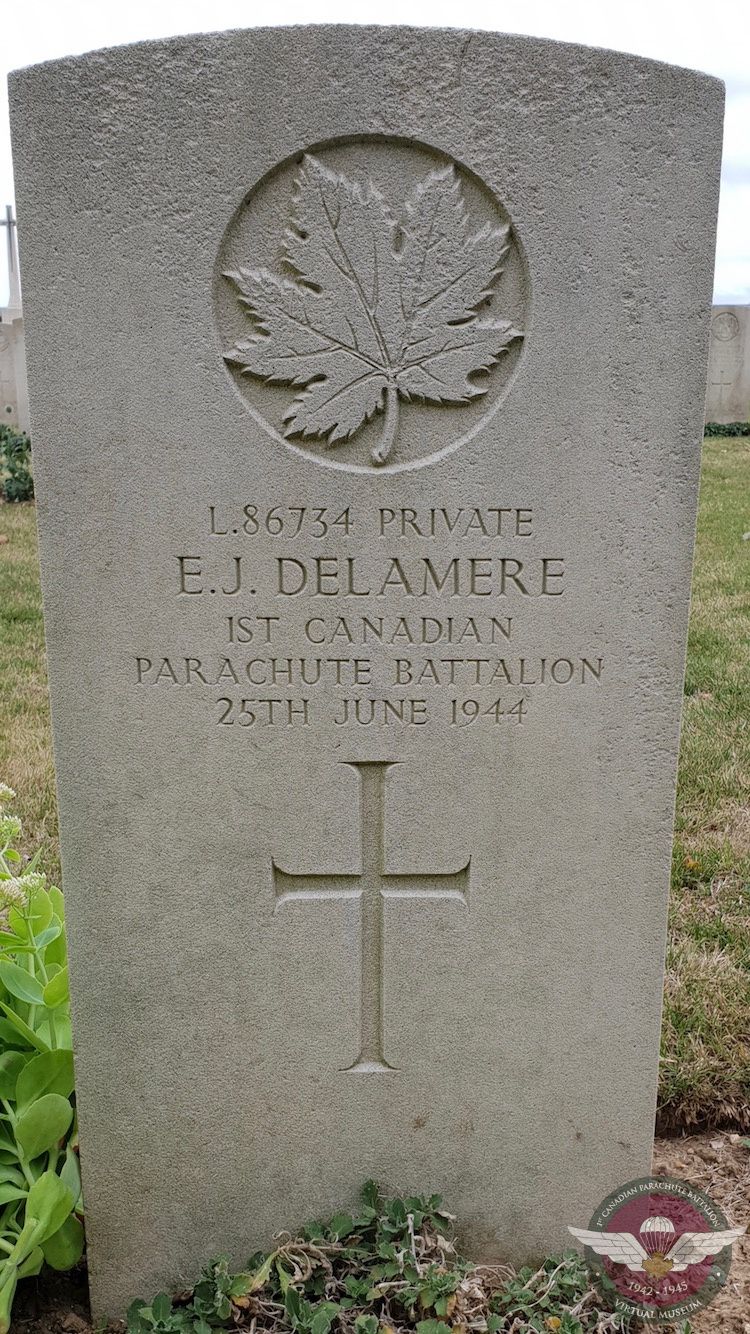
DELAMERE E.J
La Delivrande War Cemetery, Douvres
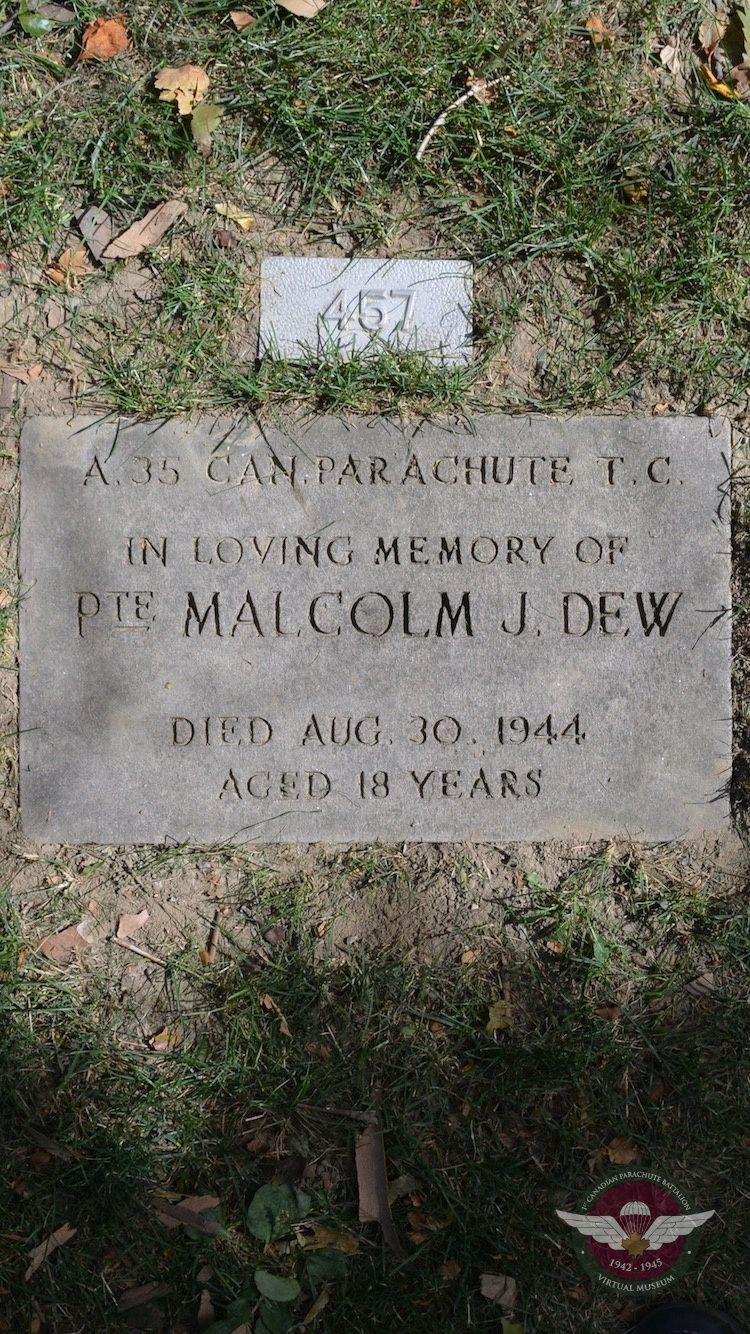
DEW. M. J.
Prospect Cemetery, Toronto, Ontario
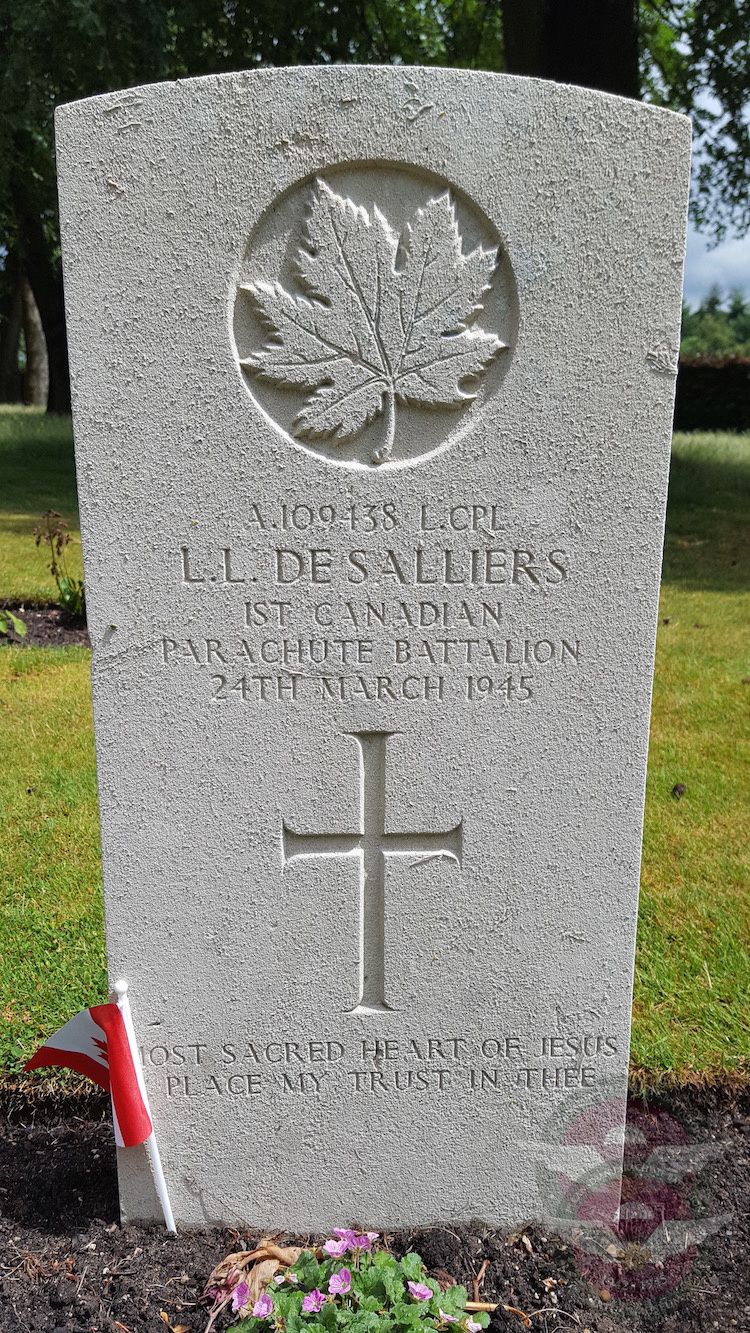
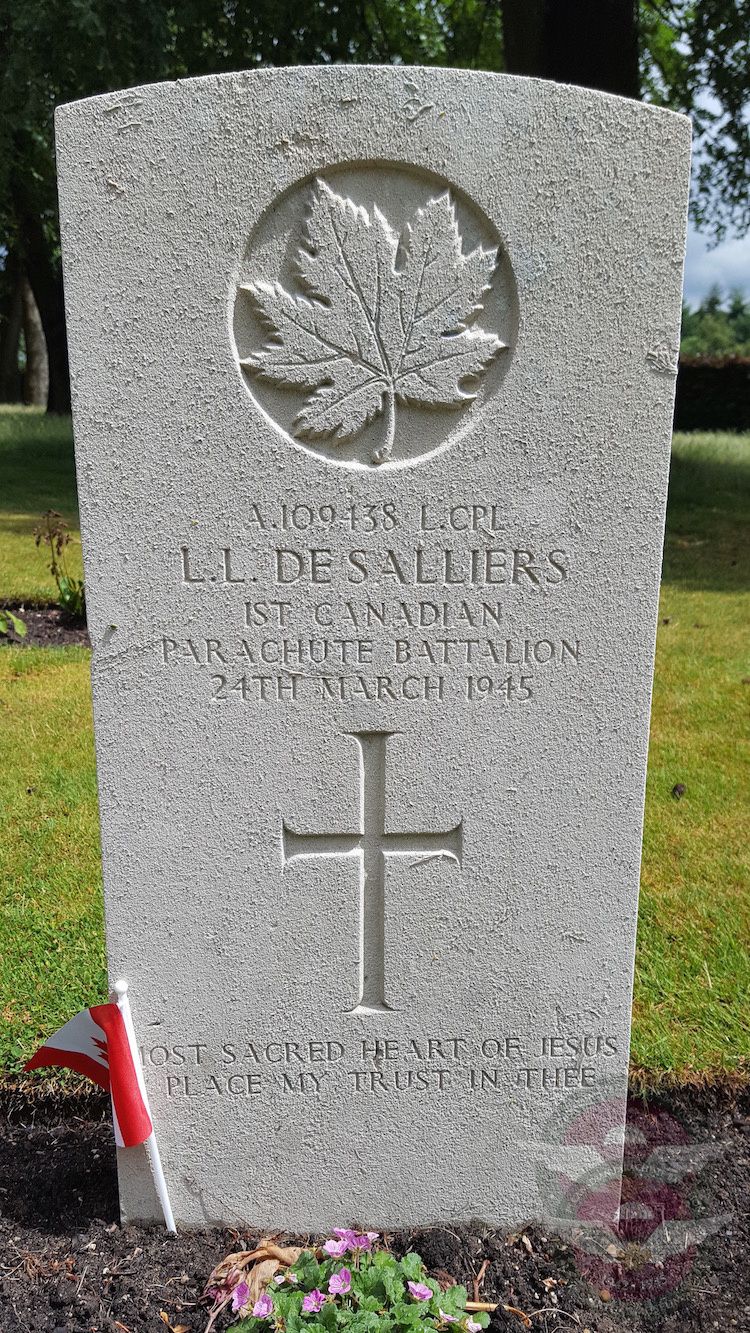
De Salliers L.L.
Groesbeek Canadian War Cemetery
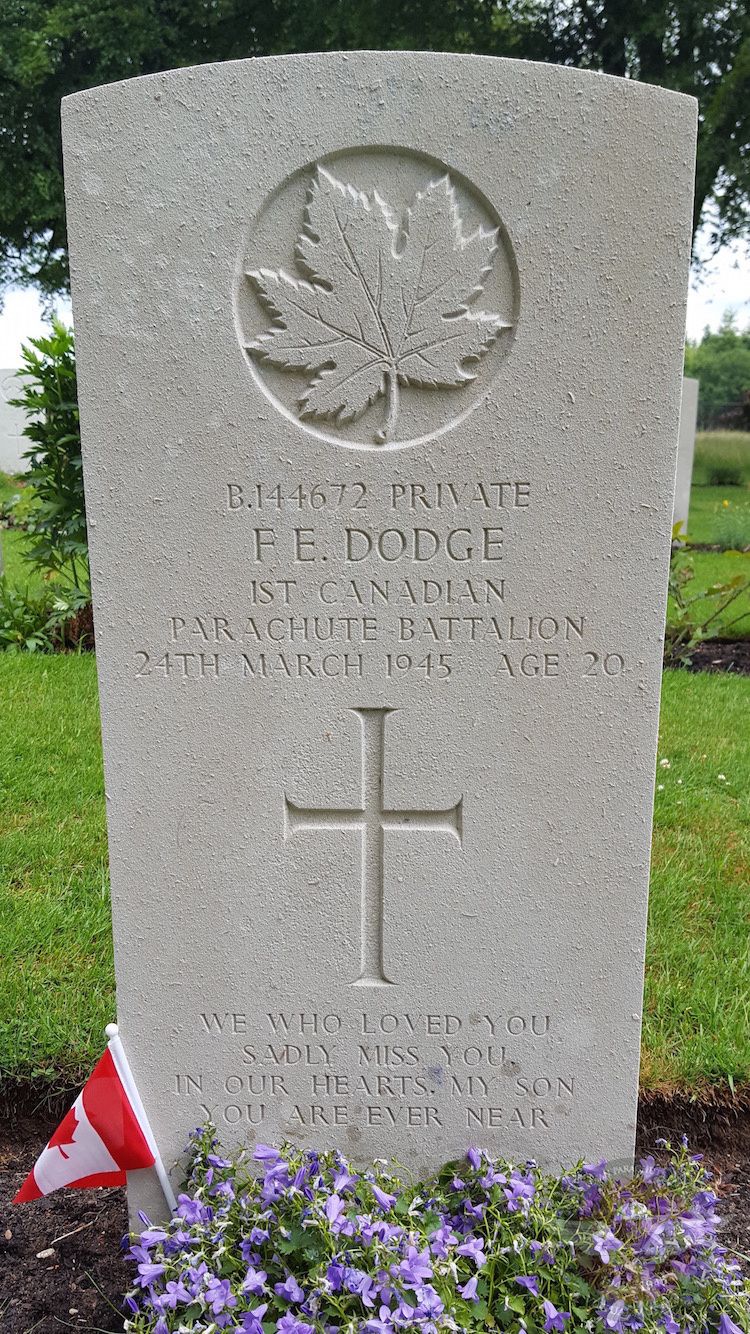
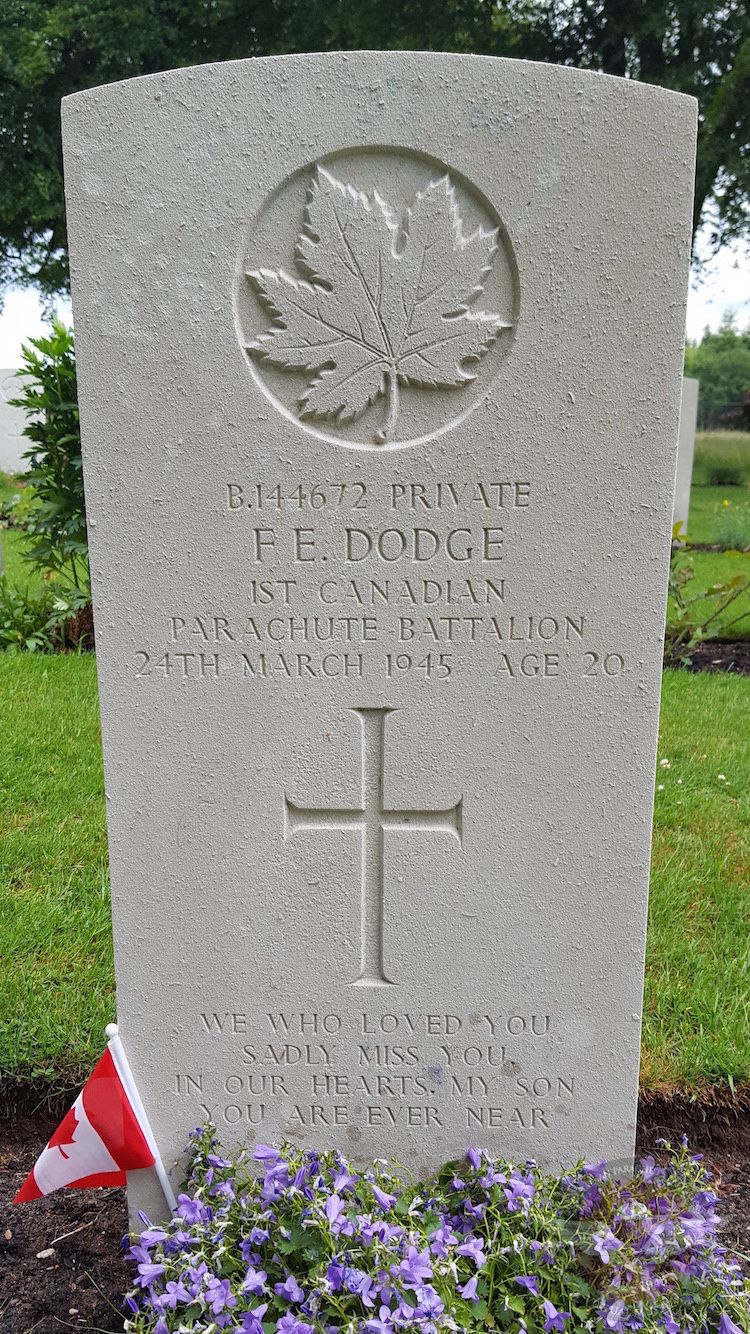
Dodge F.E.
Groesbeek Canadian War Cemetery
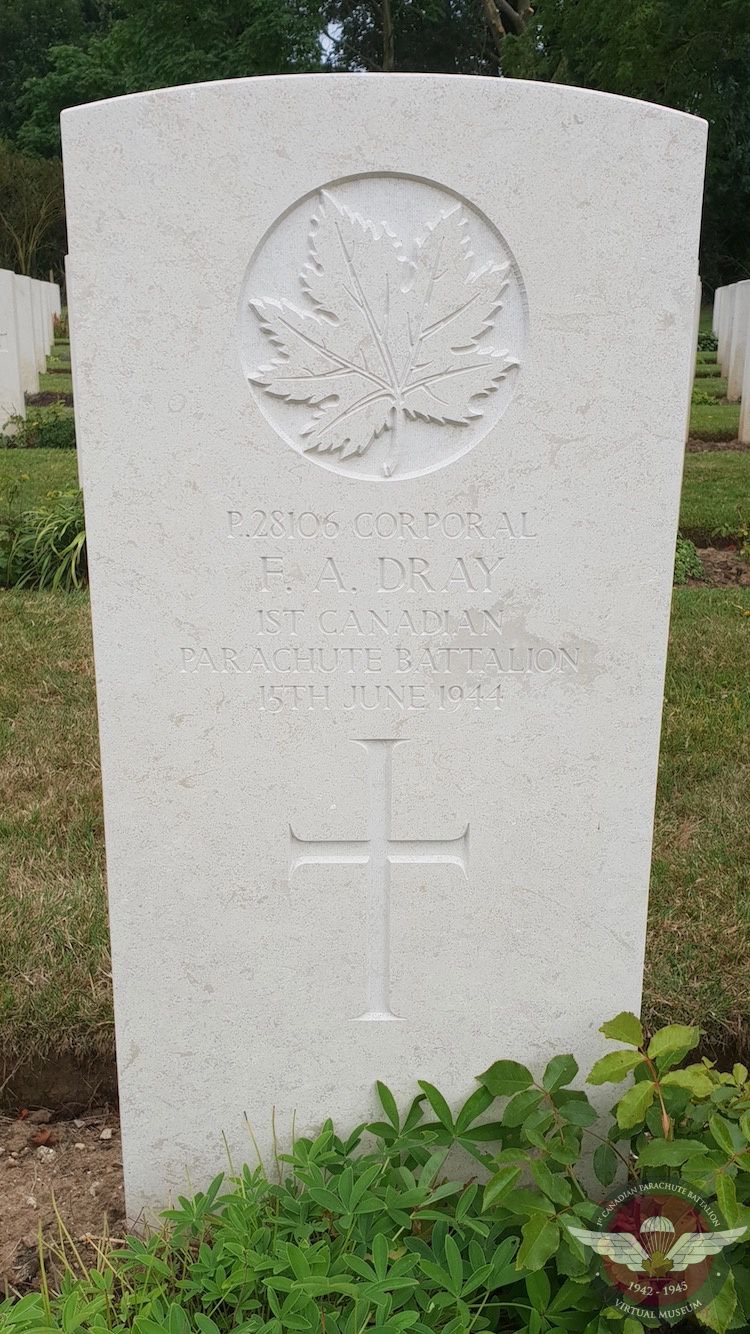
DRAY F.A
Hermanville War Cemetery
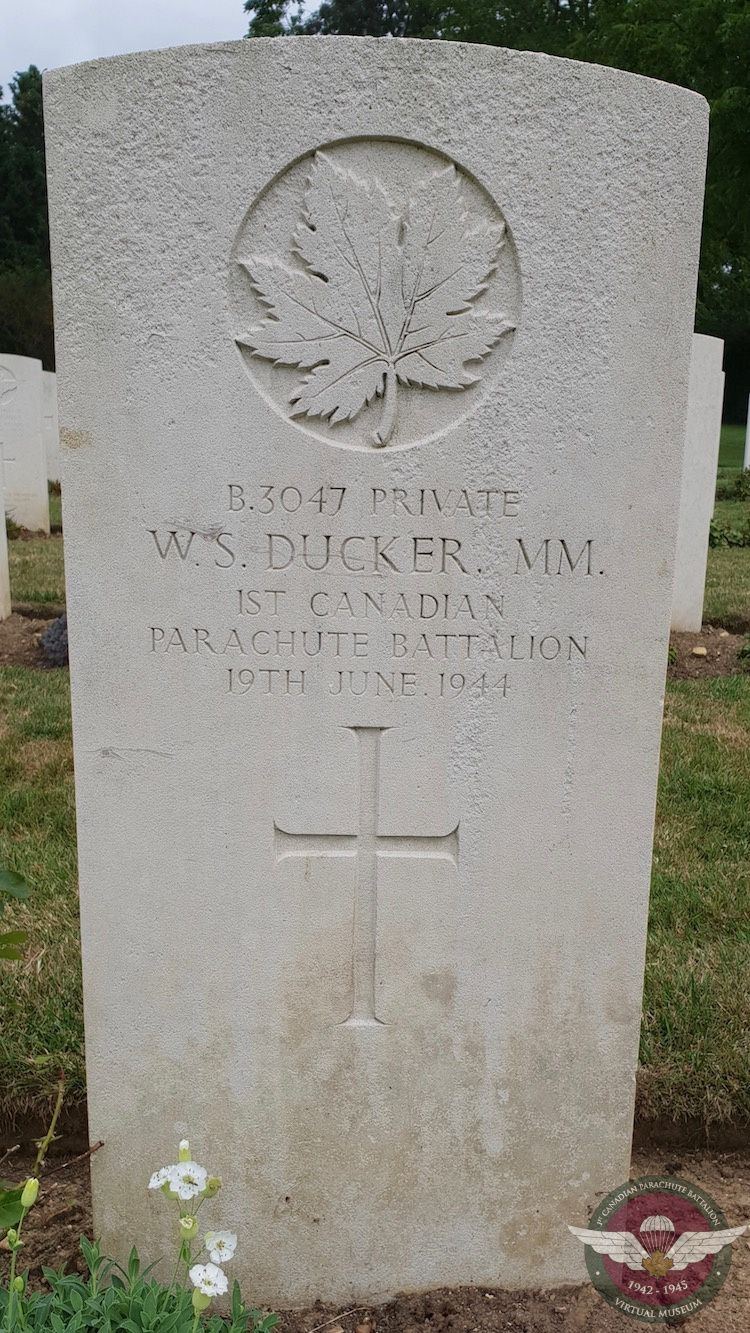
DUCKER W.S
Hermanville War Cemetery
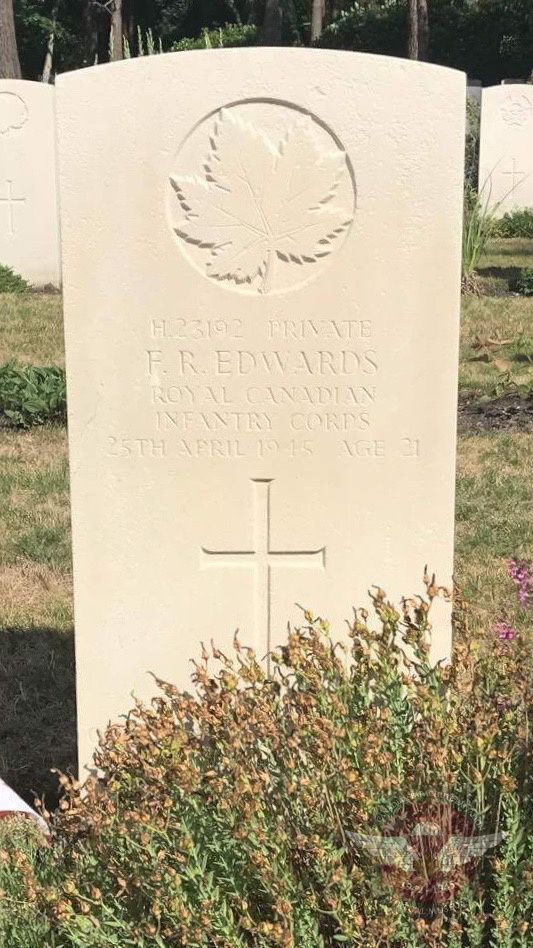
EDWARDS F.R.
Brookwood Military Cemetery
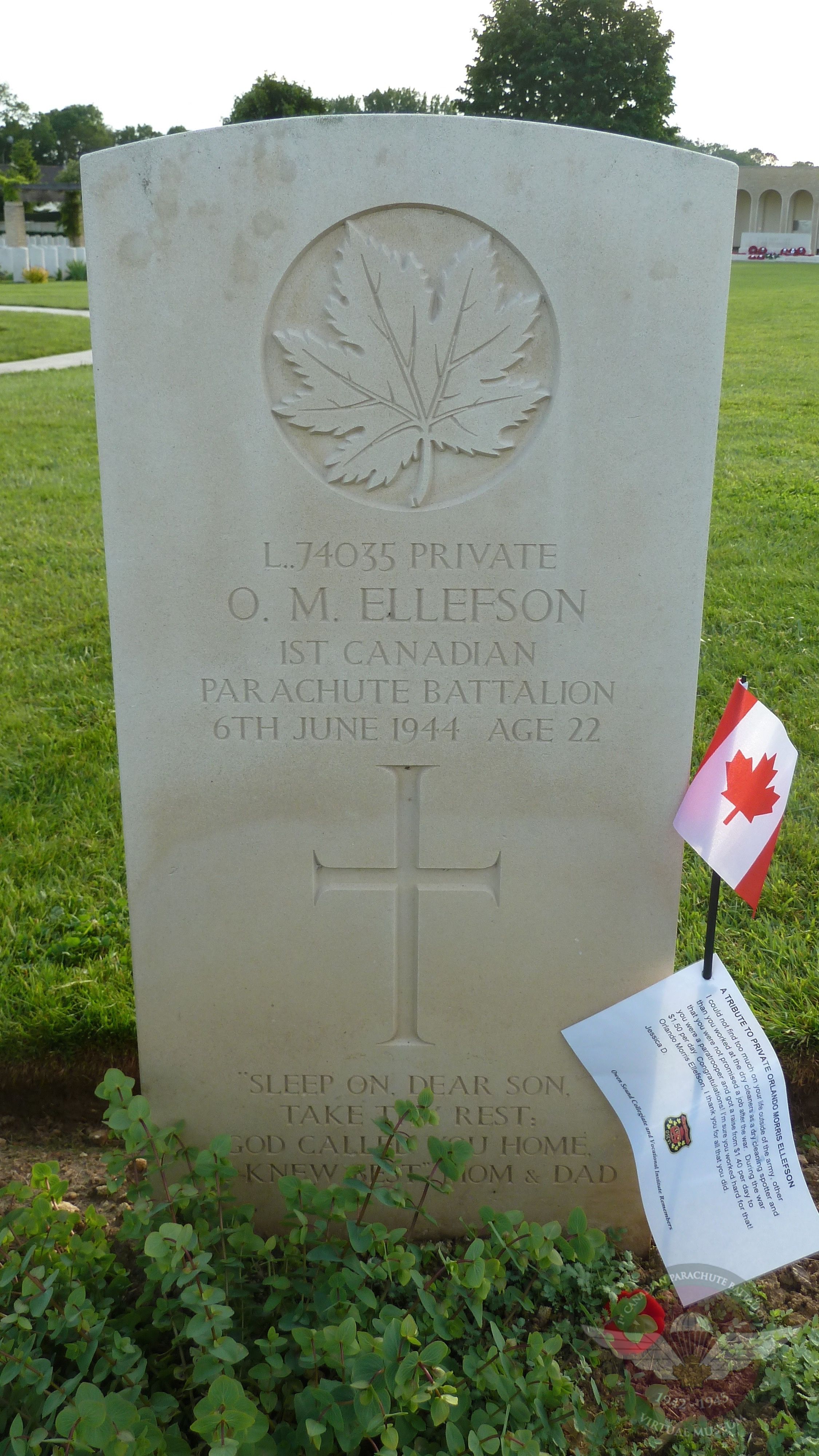
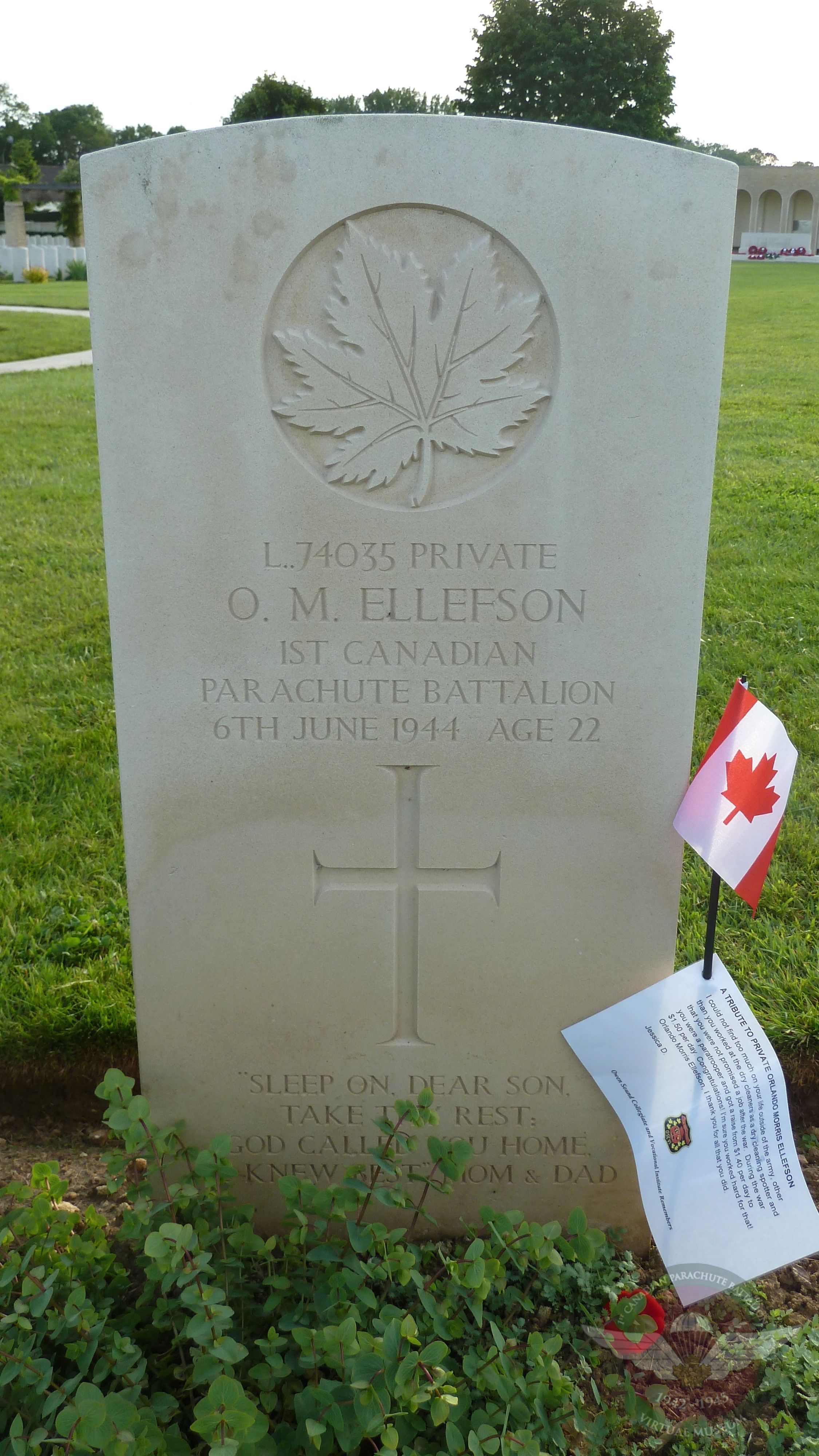
Ellefson O.M.
Ranville War Cemetery
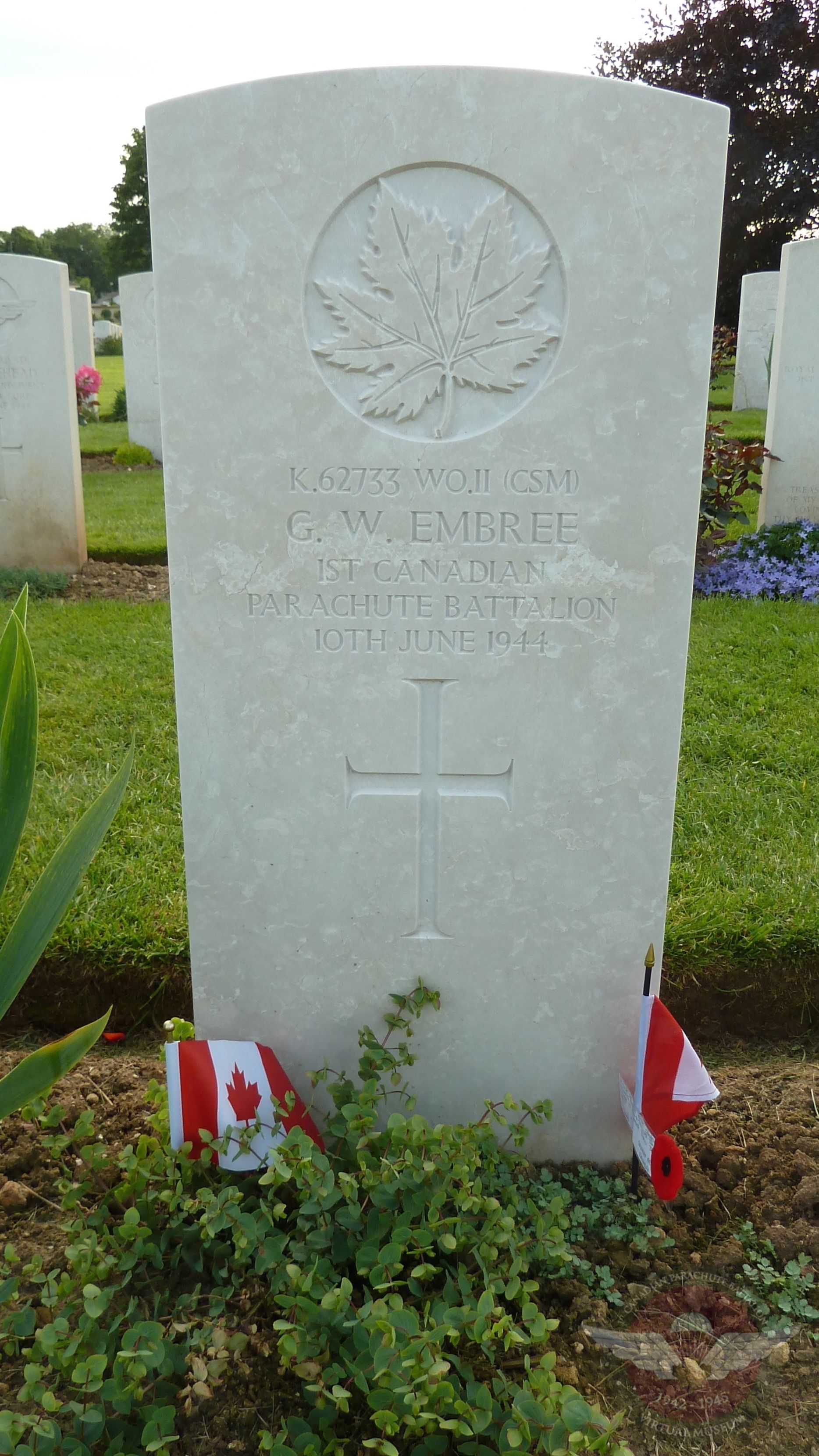
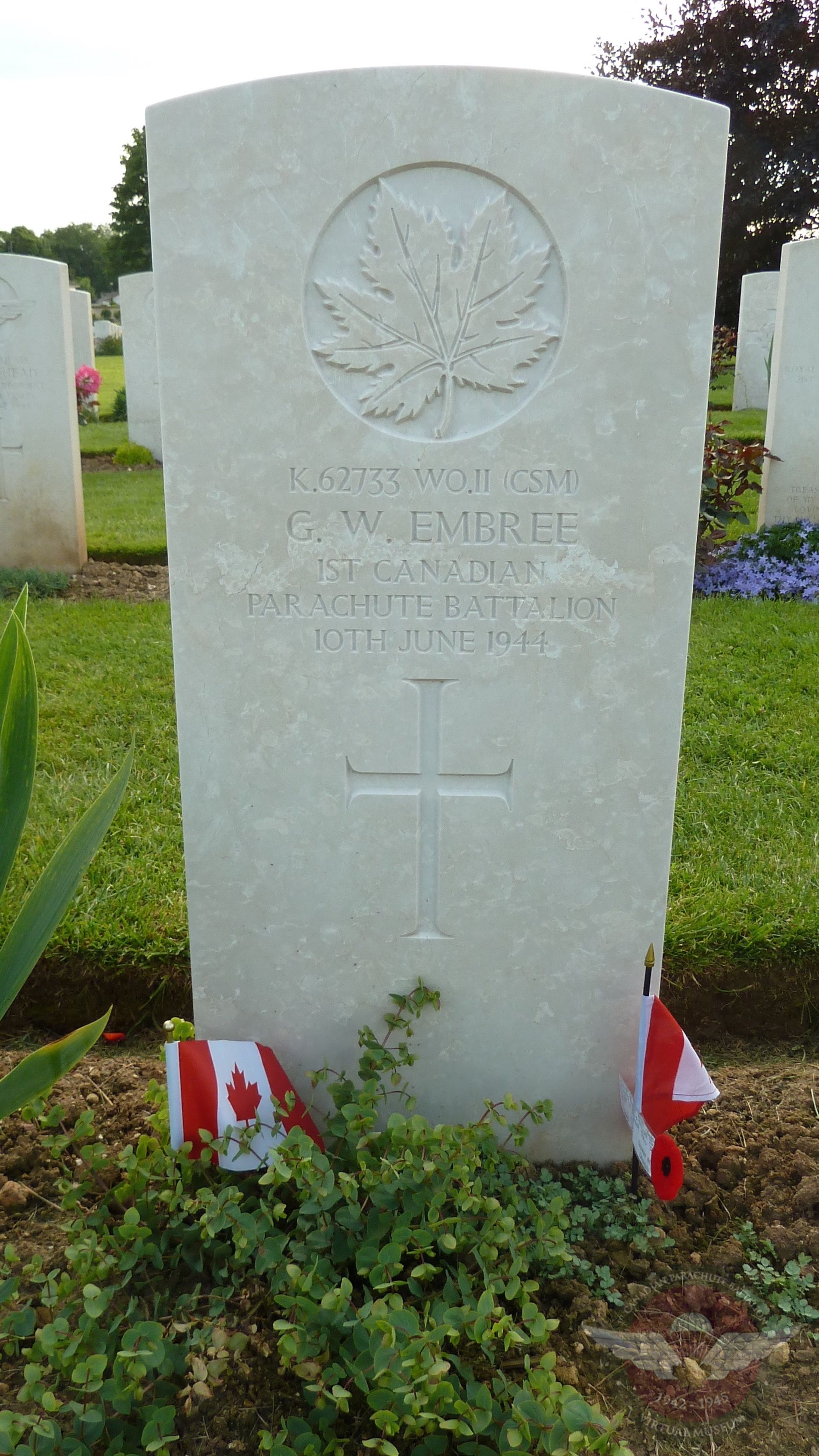
Embree G.W.
Ranville War Cemetery
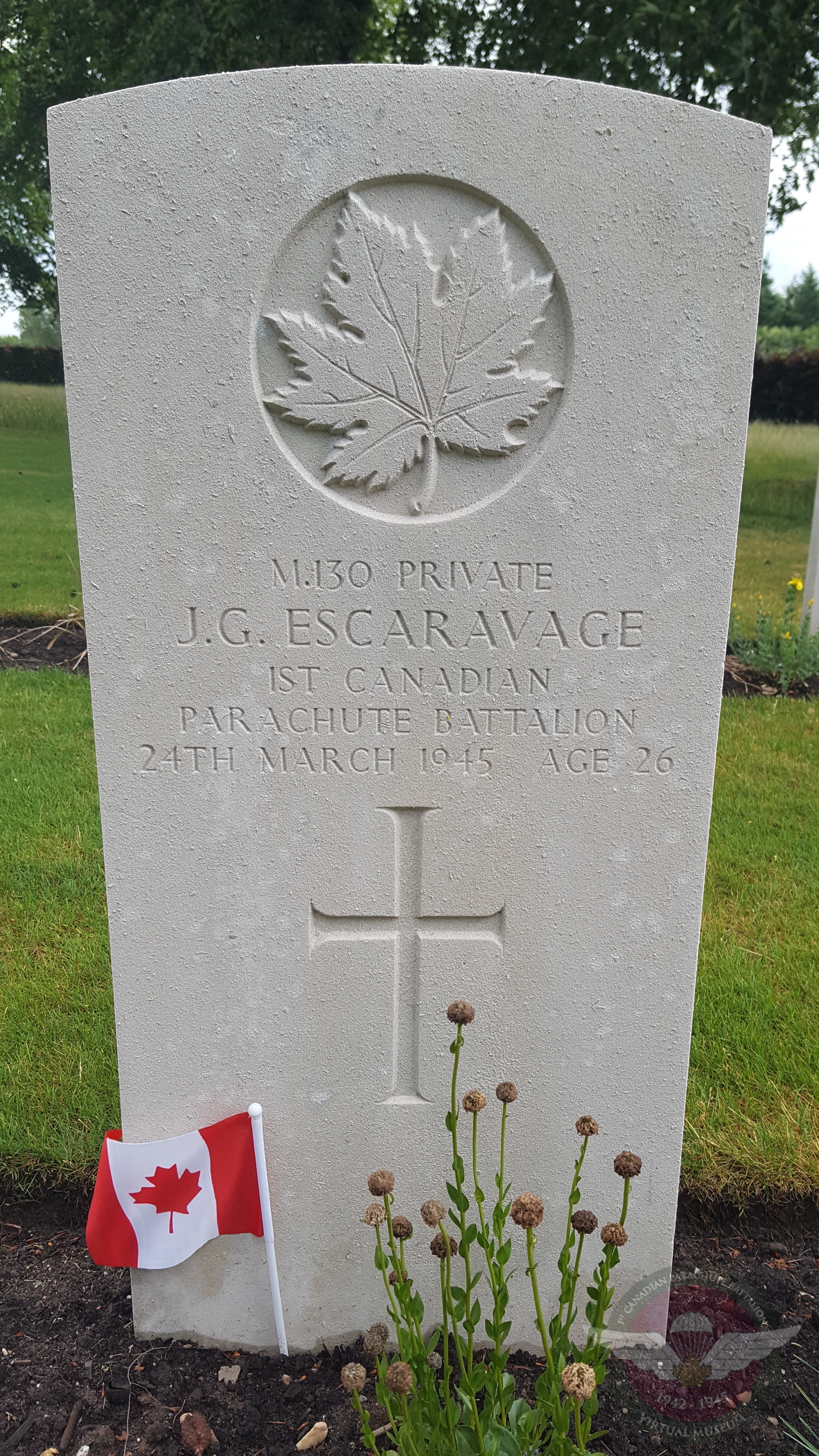
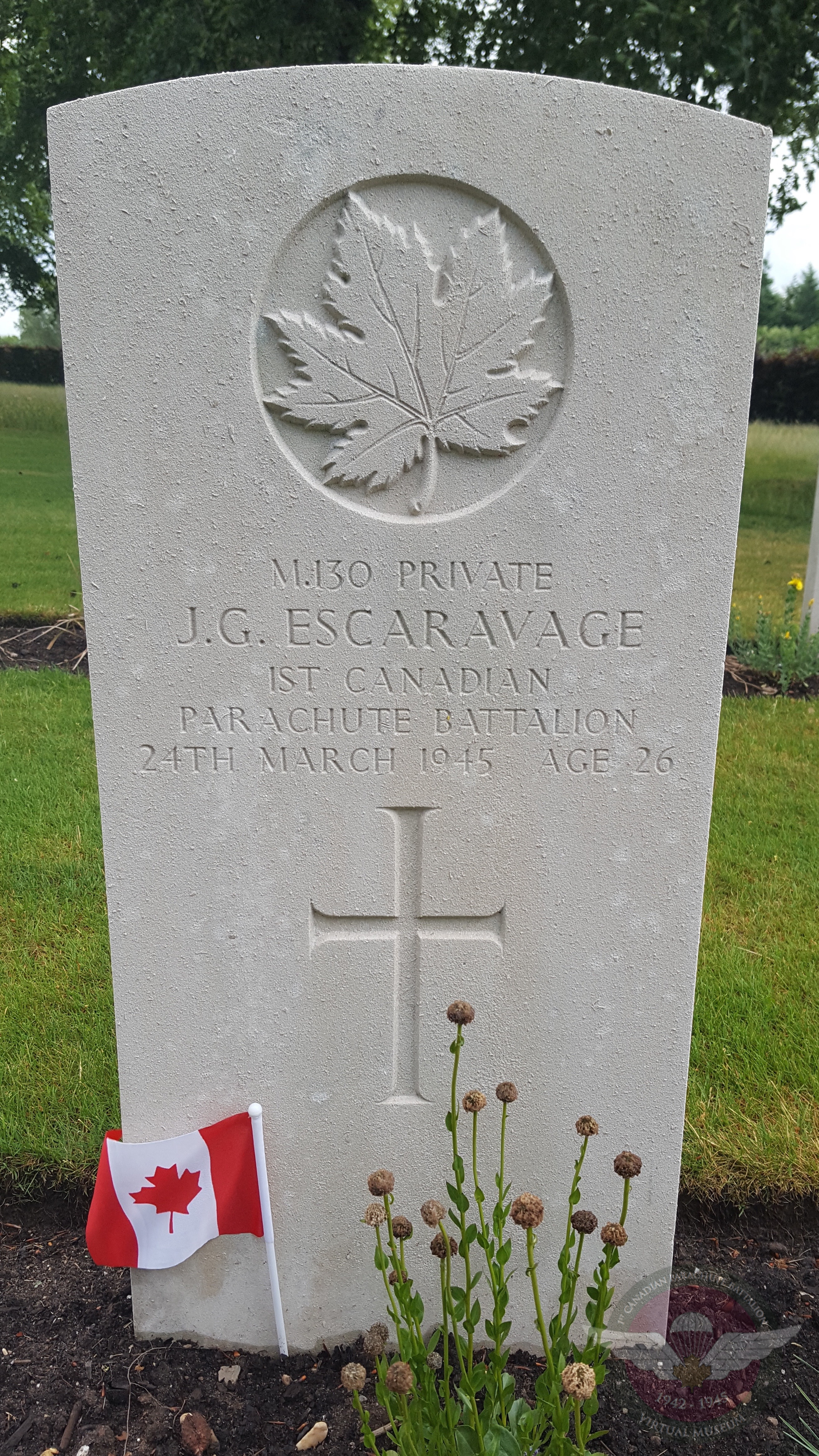
Escaravage J.G.
Groesbeek Canadian War Cemetery
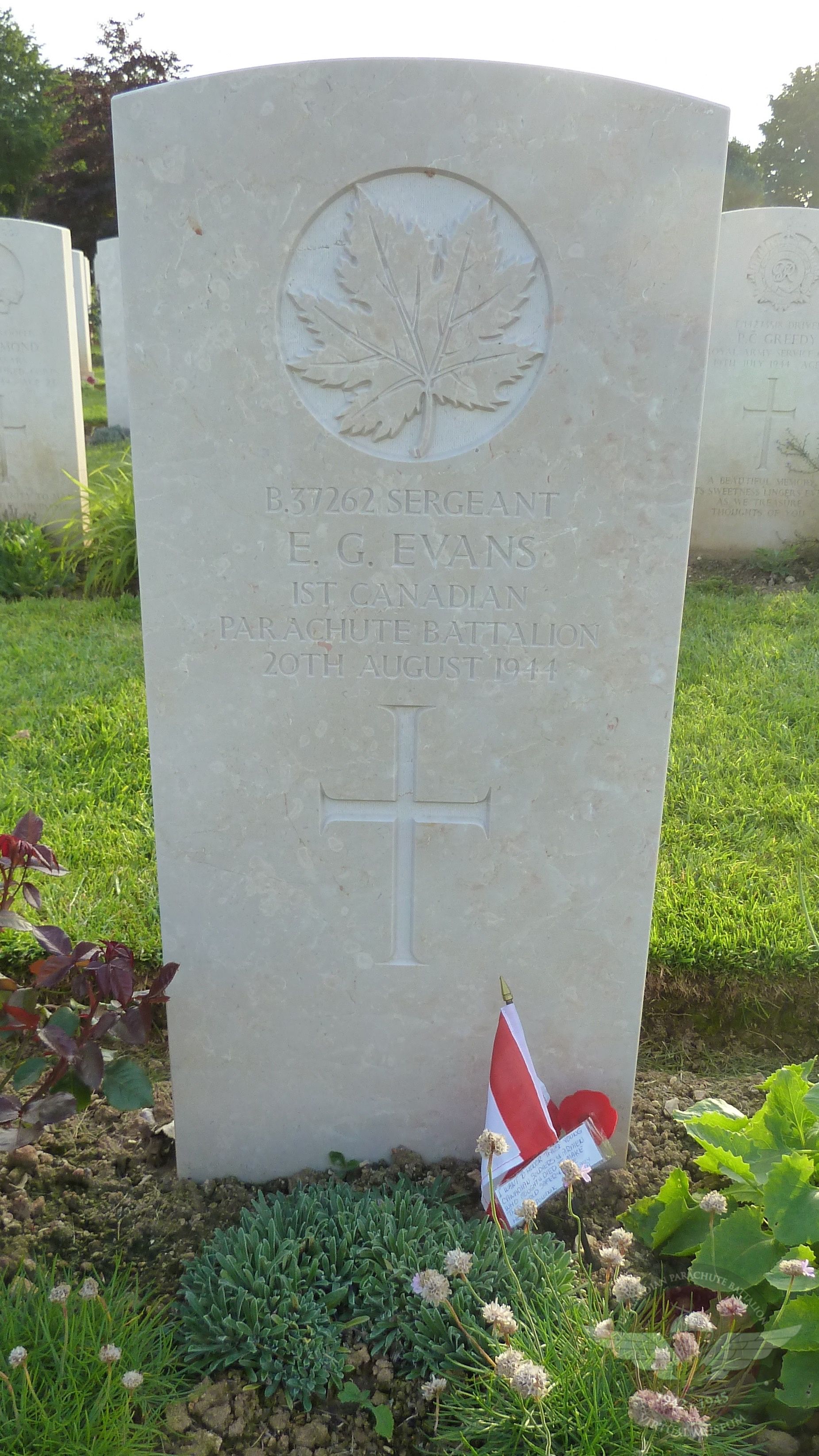
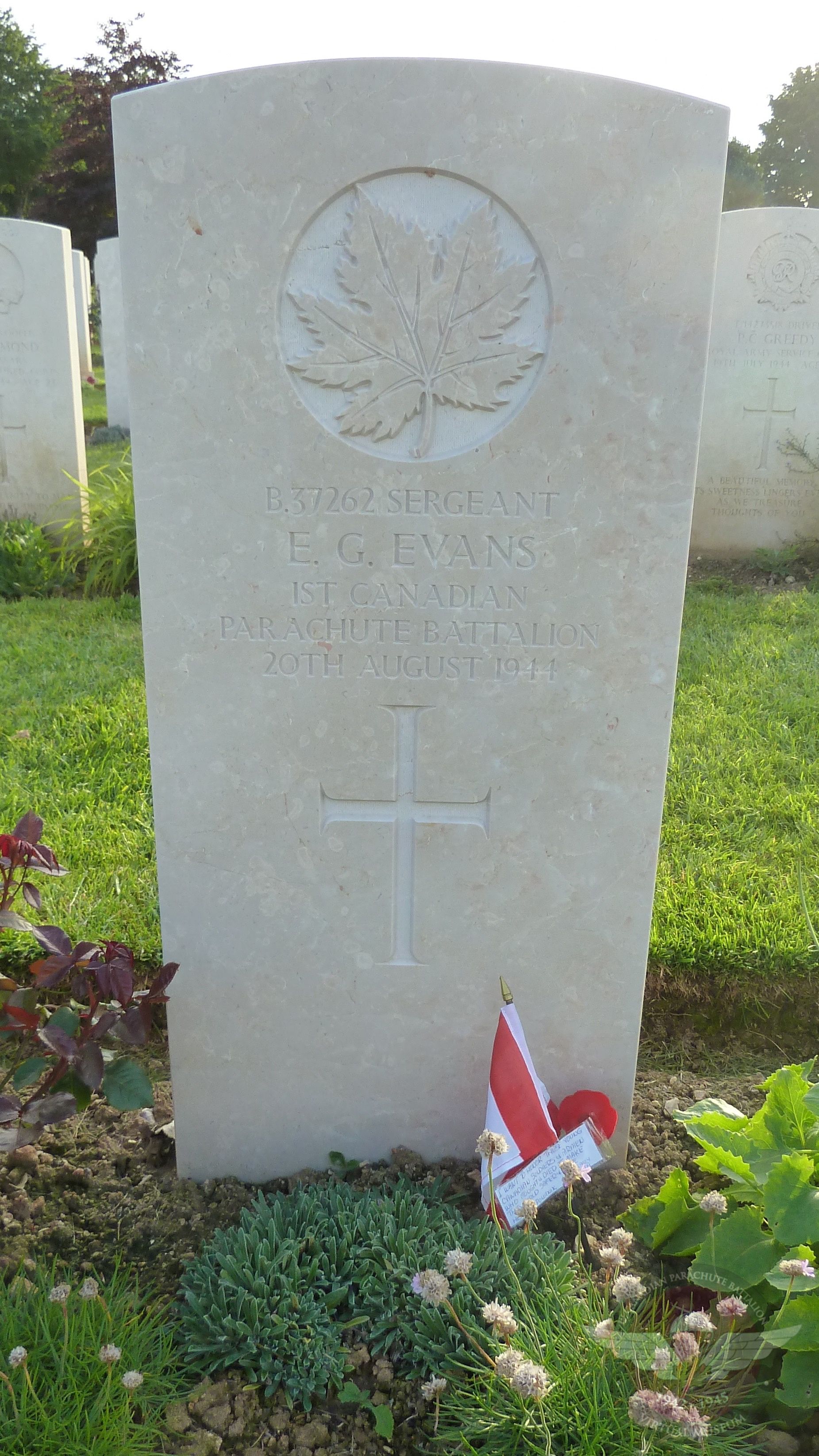
Evans E.G.
Ranville War Cemetery
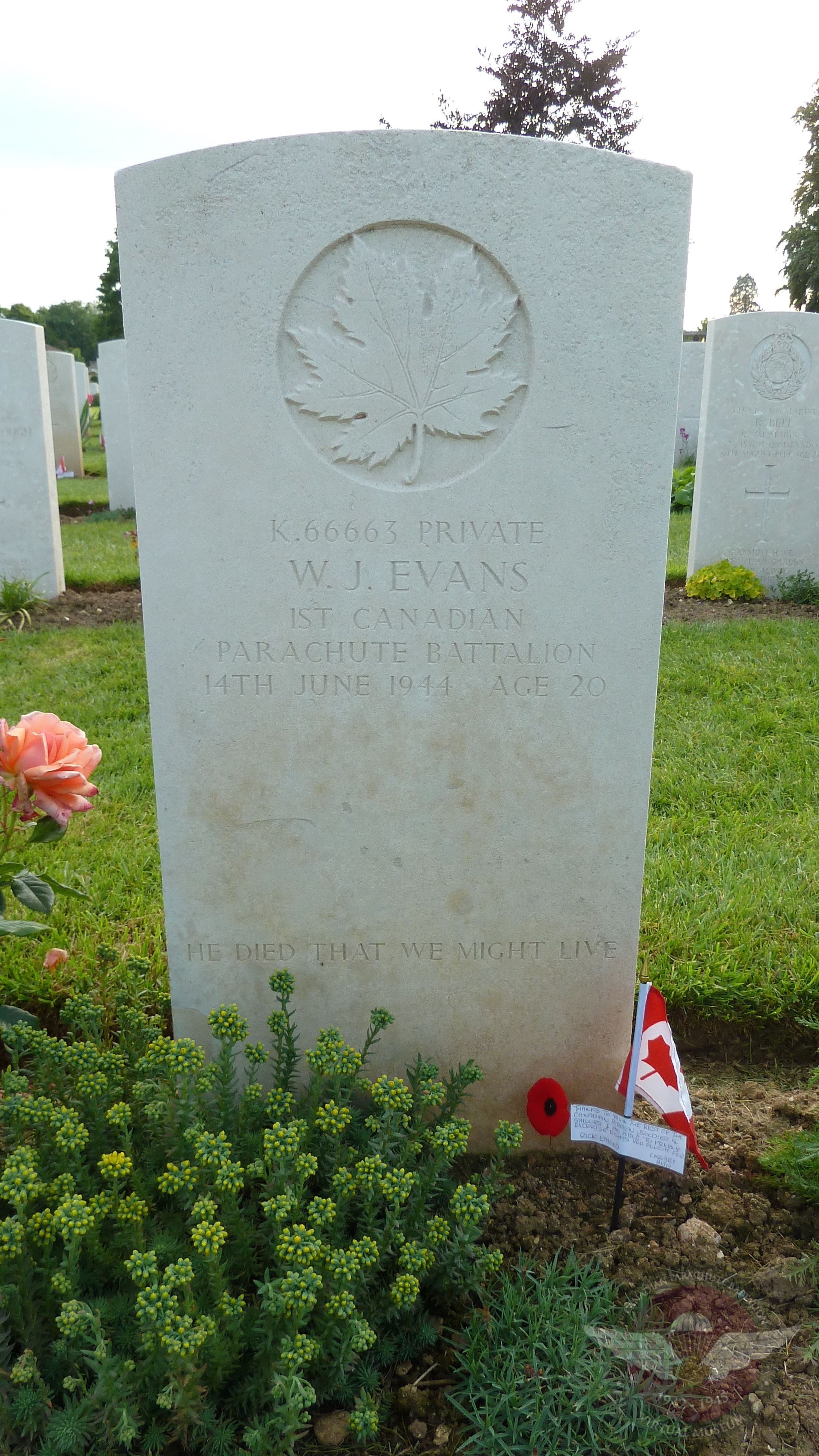
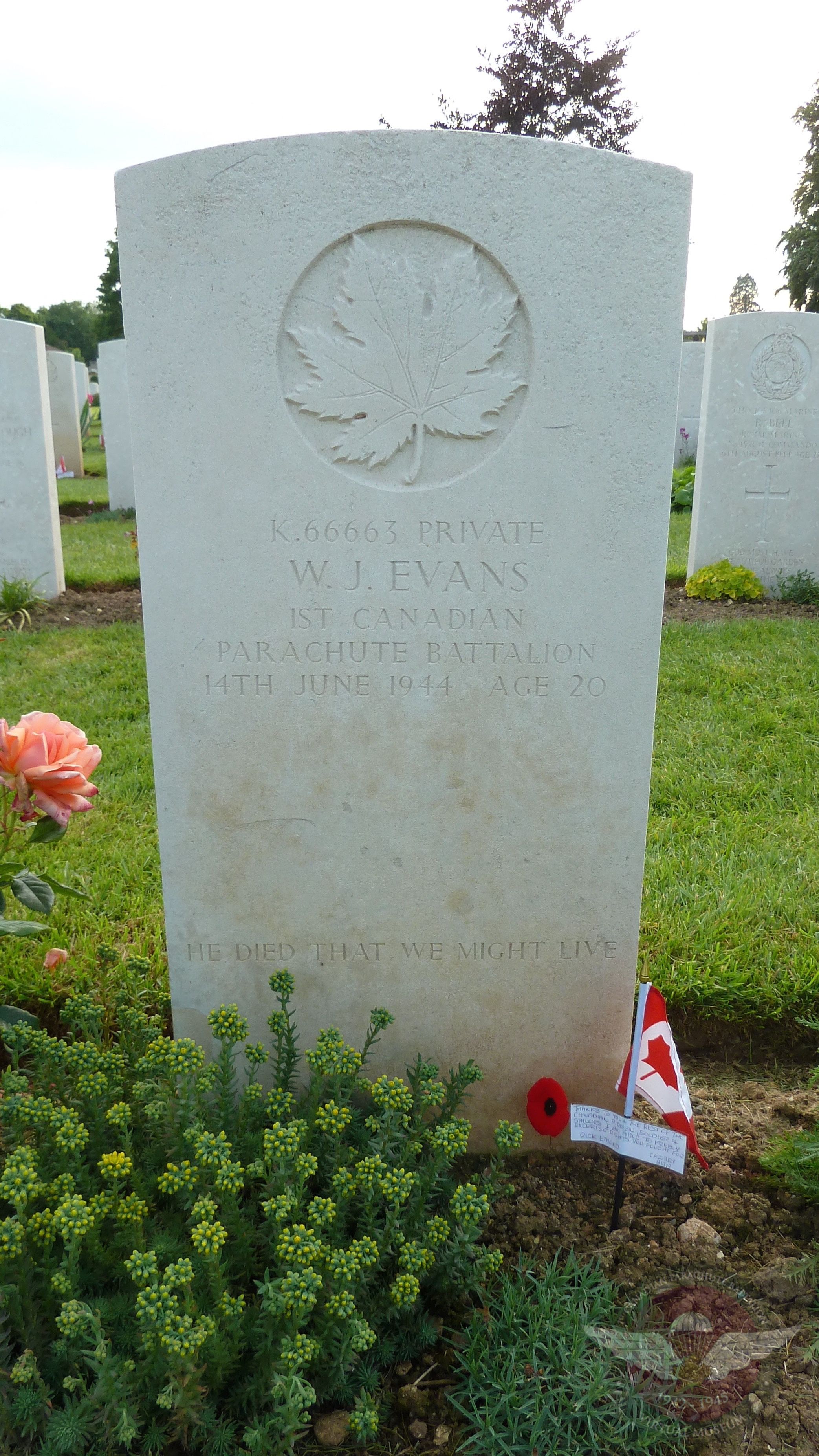
Evans W.J.
Ranville War Cemetery
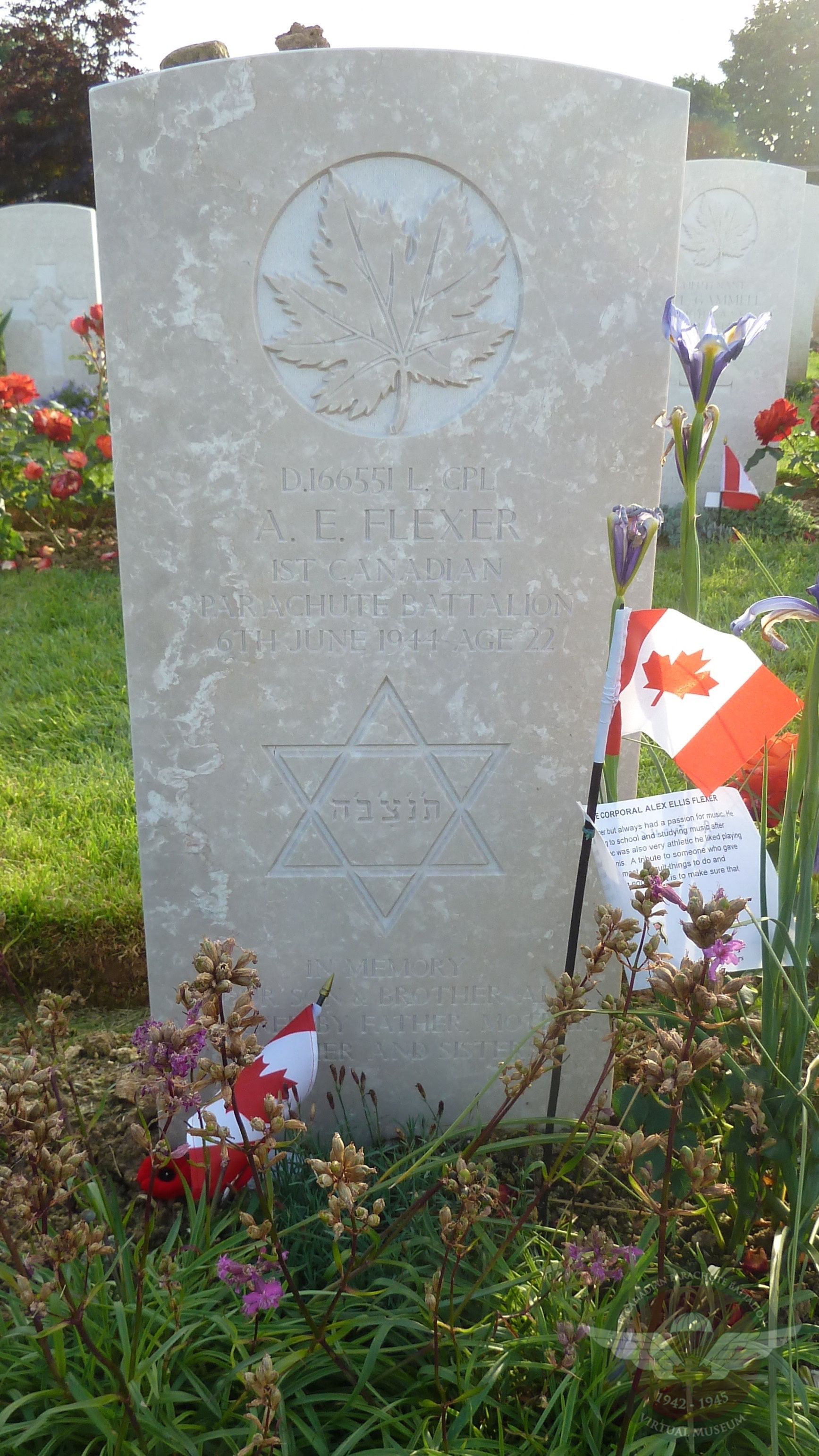
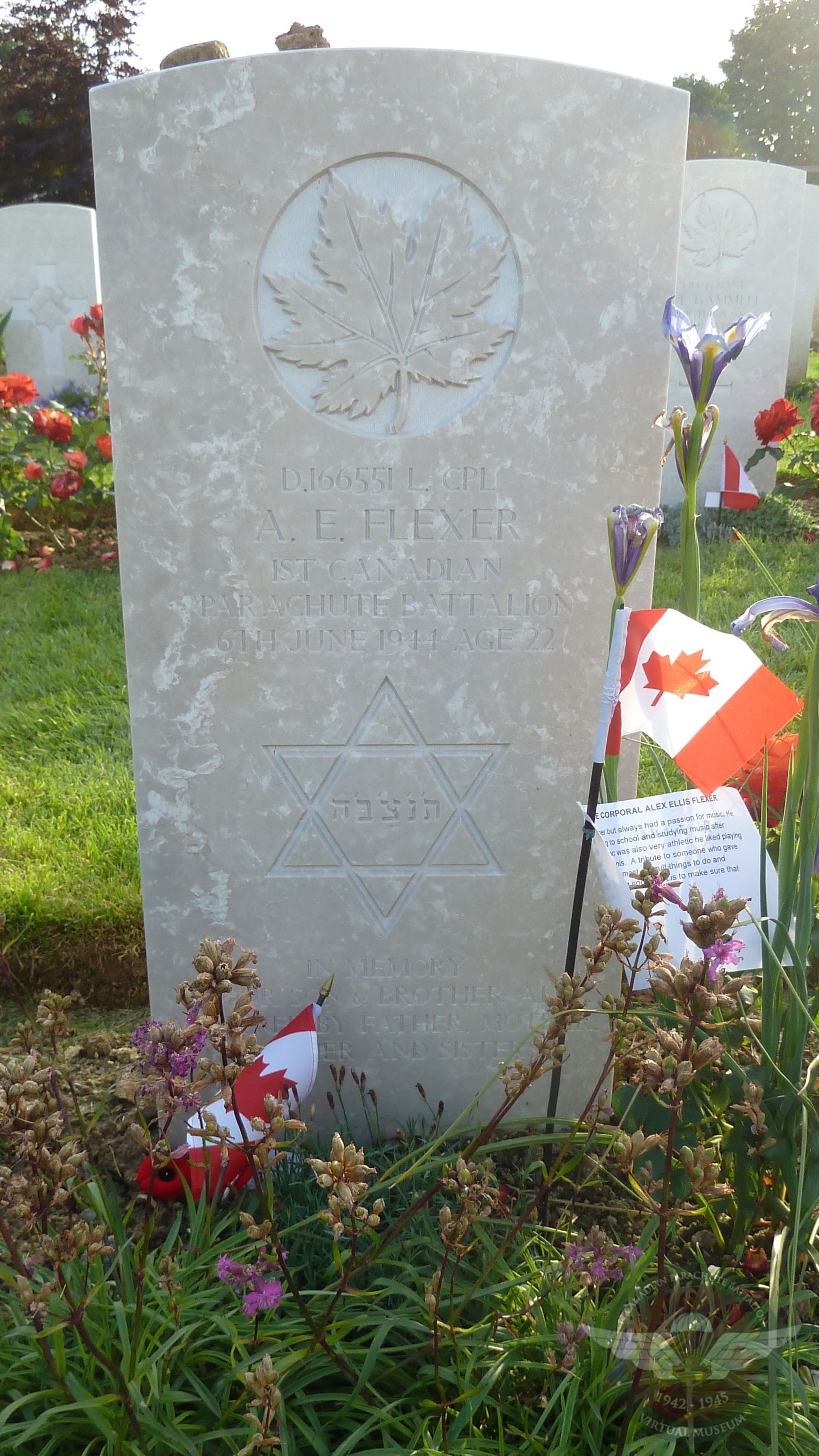
Flexer A.E.
Ranville War Cemetery
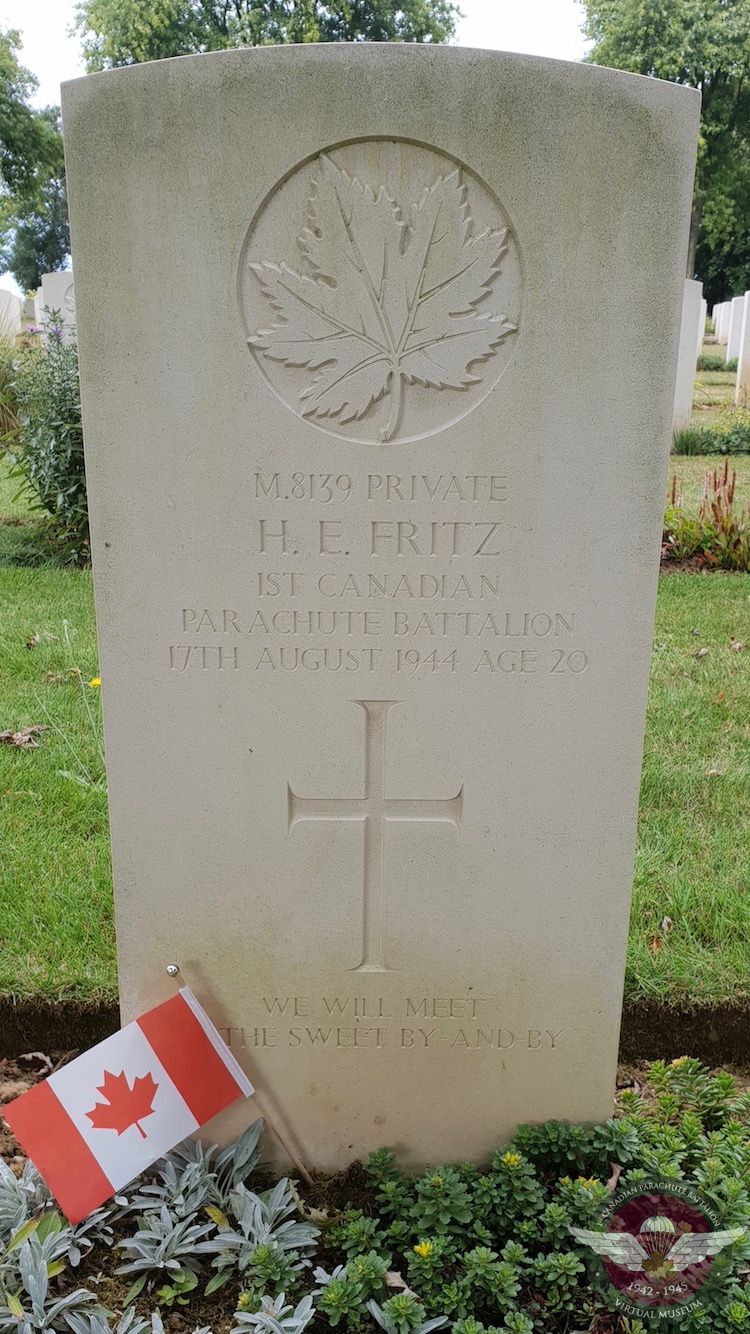
FRITZ H.E
Beny-Sur-Mer Canadian War Cemetery, Reviers
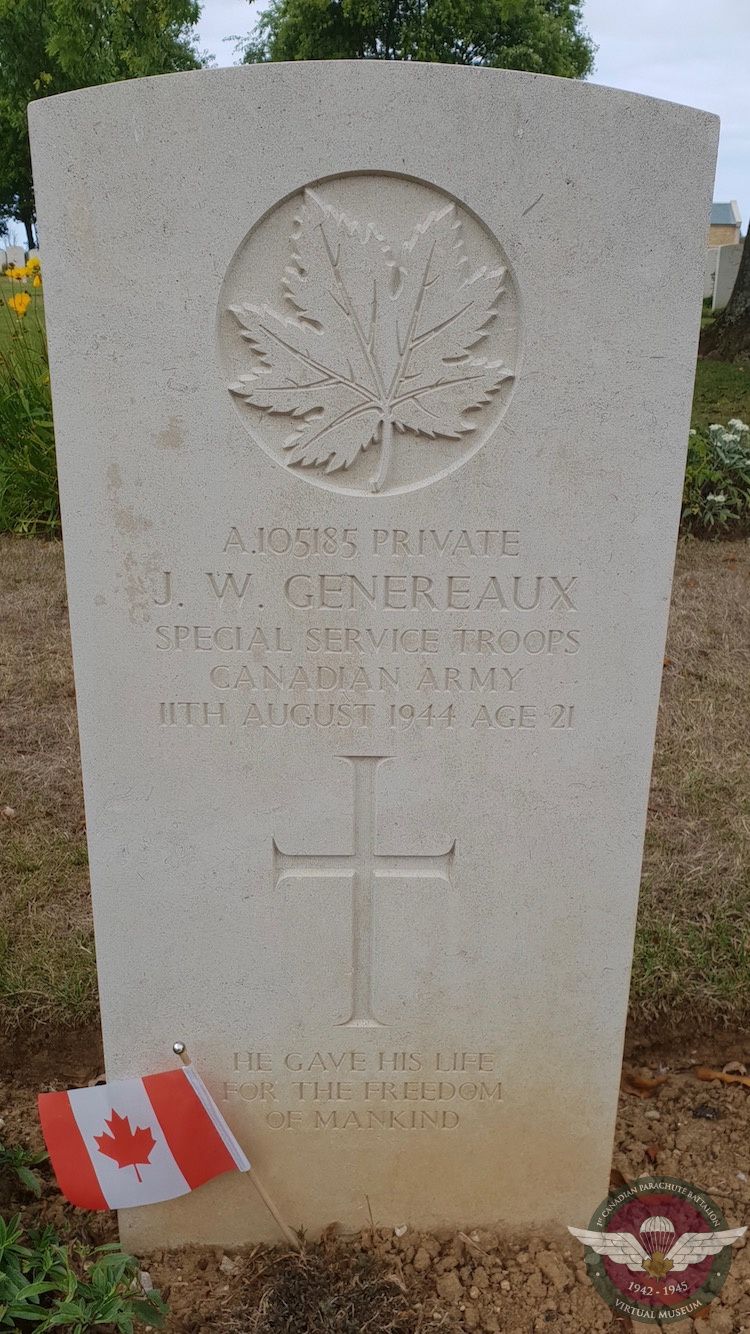
GENEREAUX J.W
Beny-Sur-Mer Canadian War Cemetery, Reviers
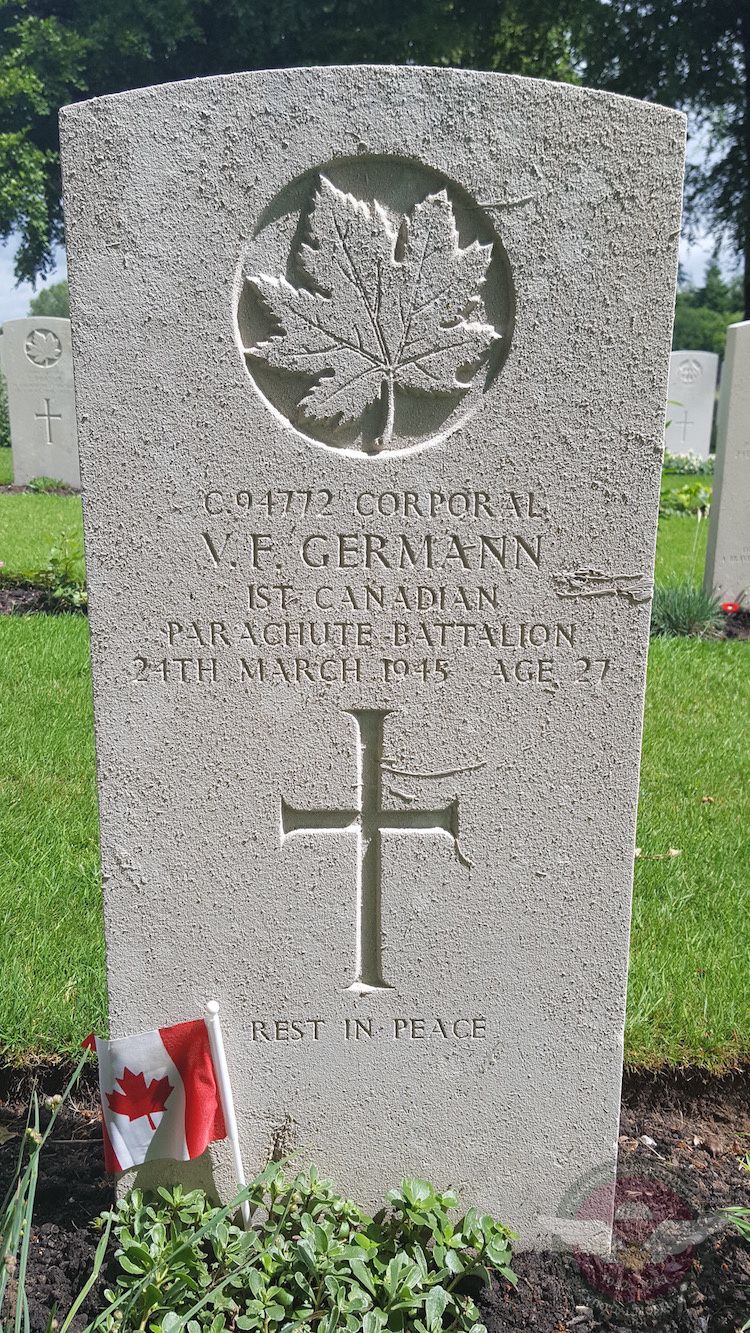
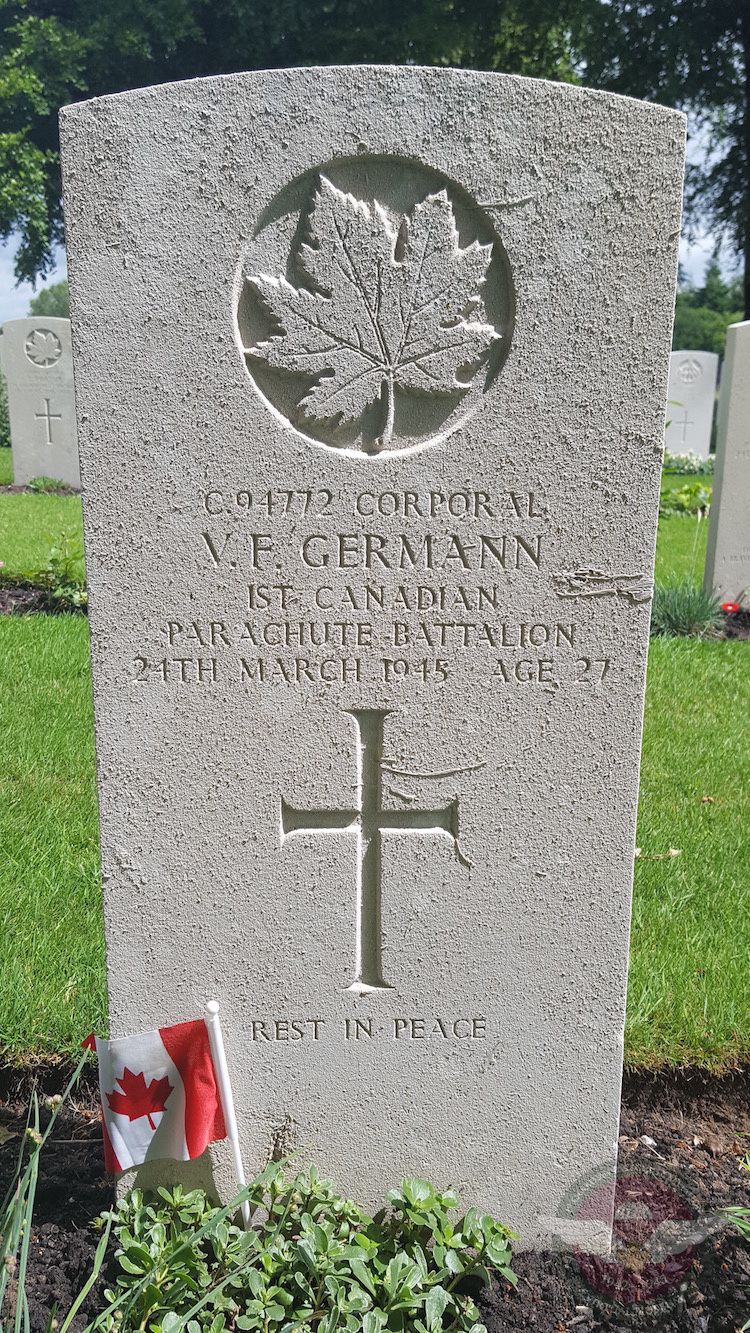
Germann V.F.
Groesbeek Canadian War Cemetery
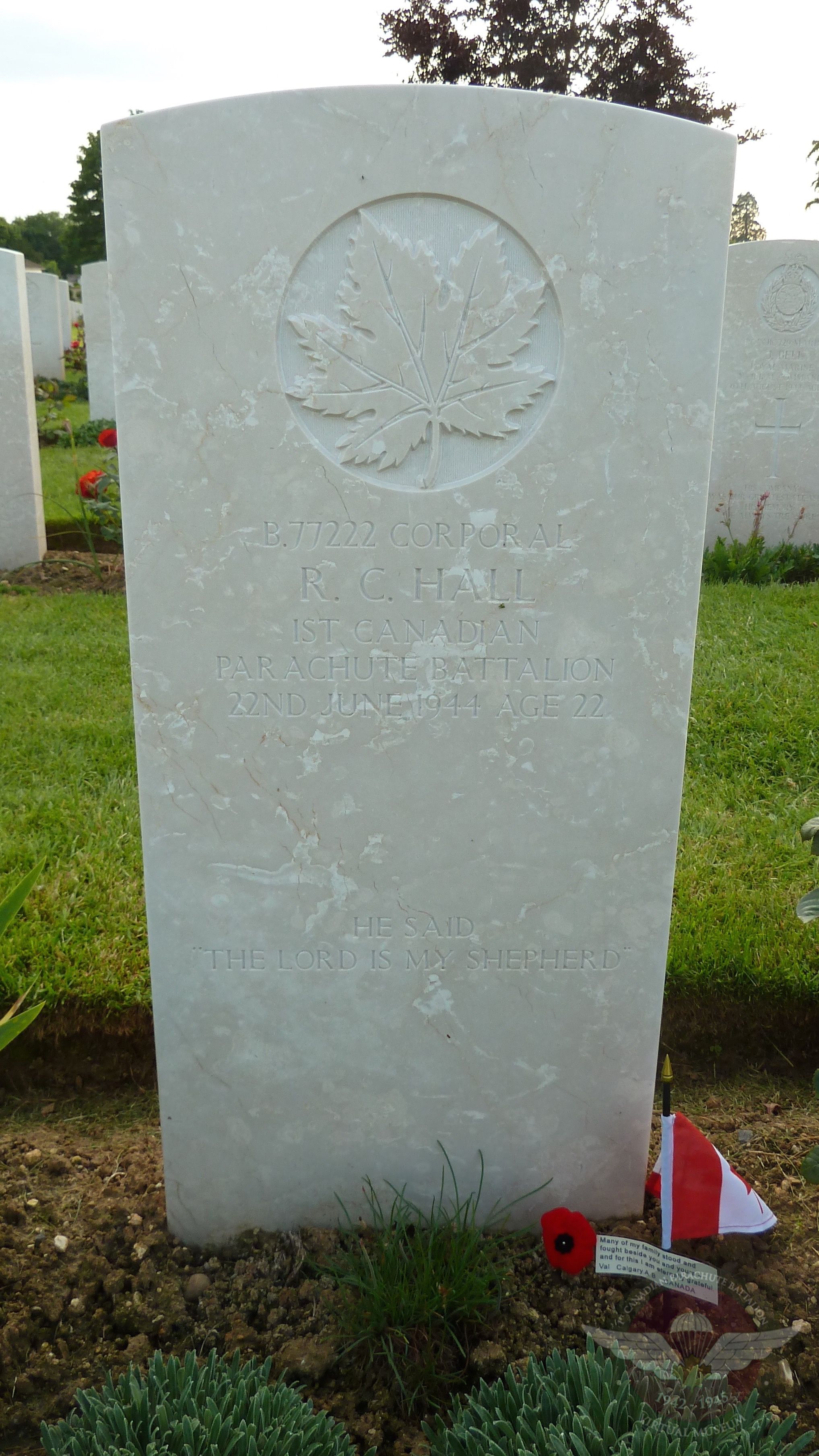
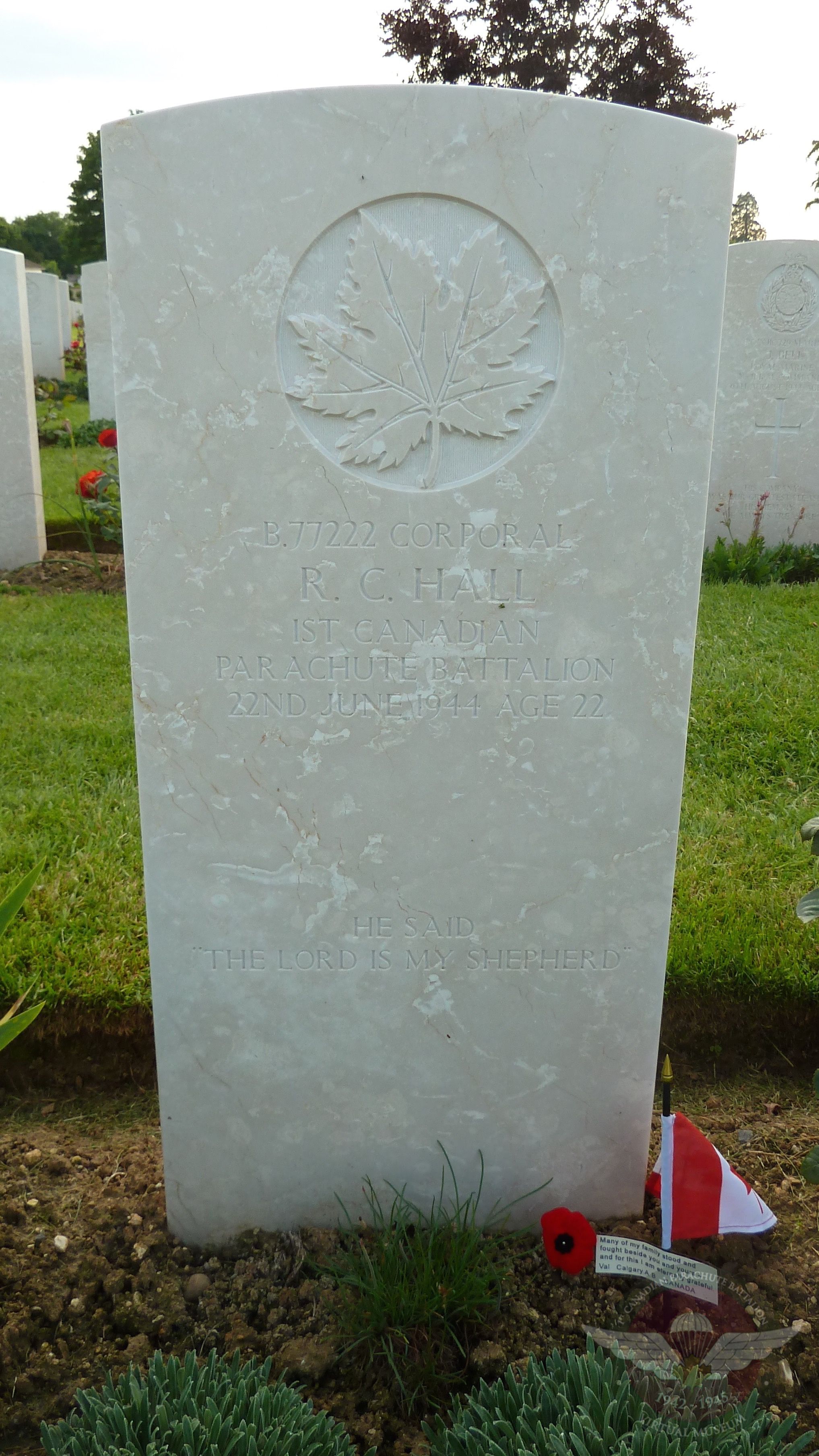
Hall R.C.
Ranville War Cemetery
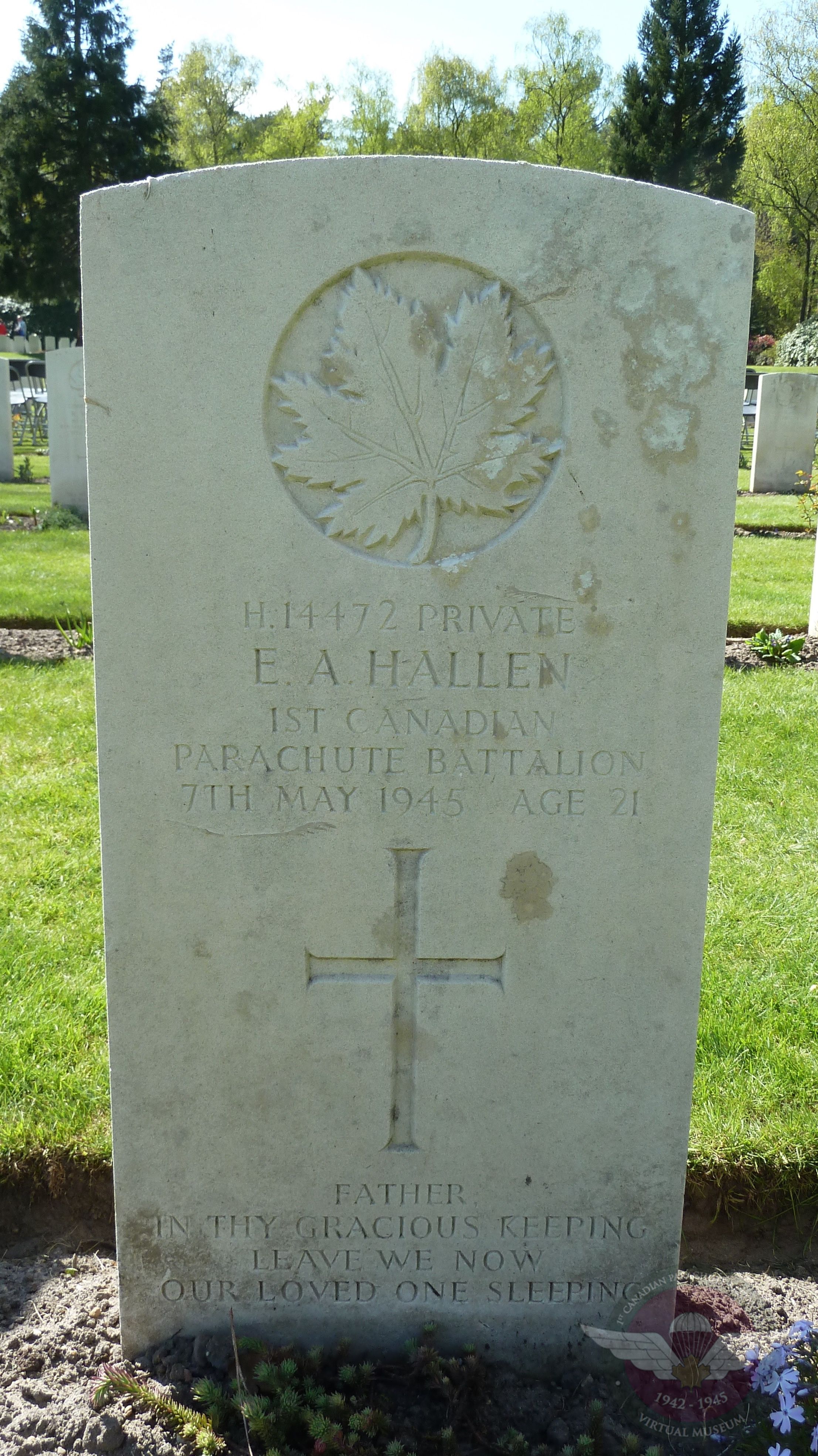
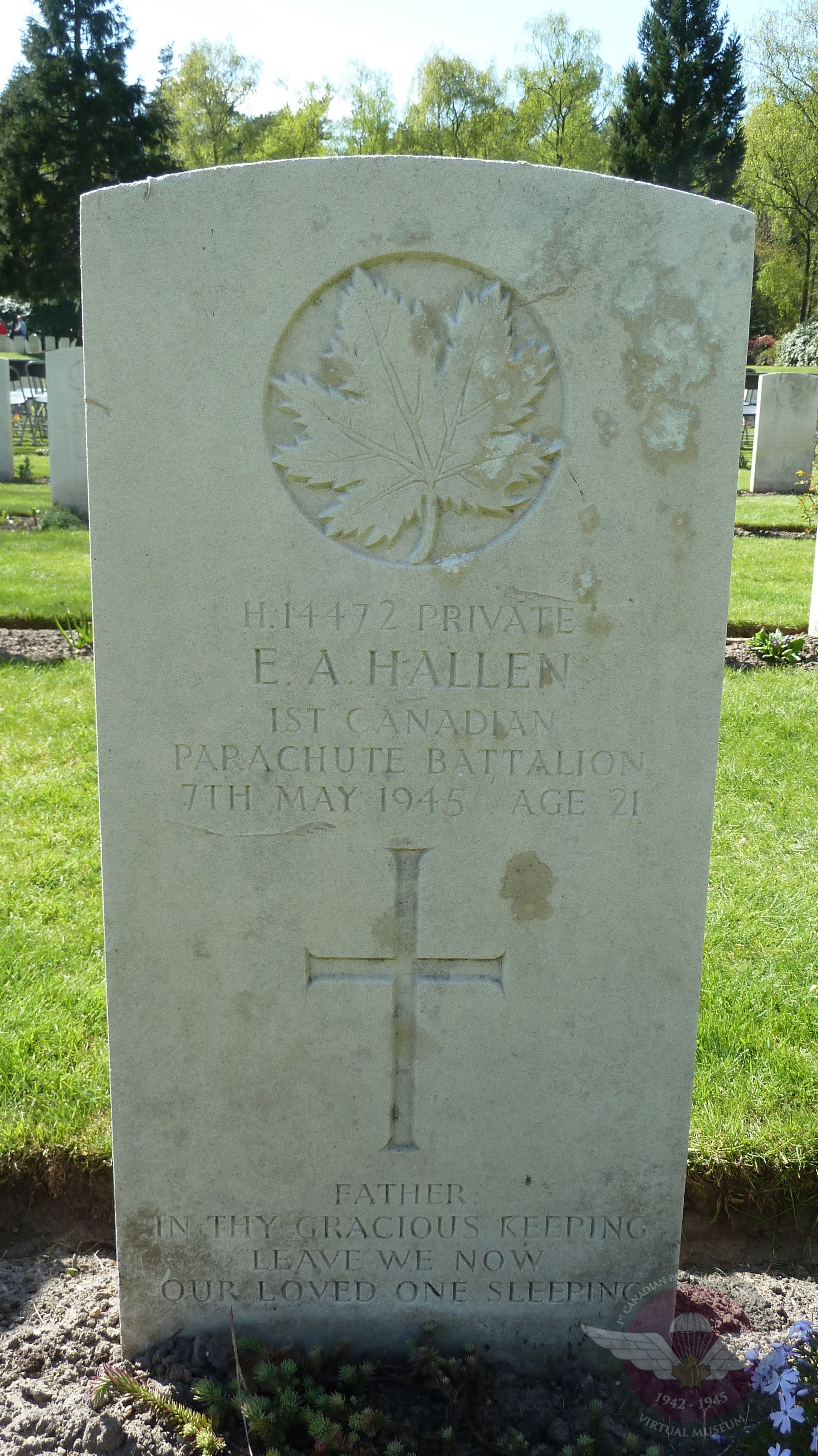
Hallen E.A.
Holten Canadian War Cemetery
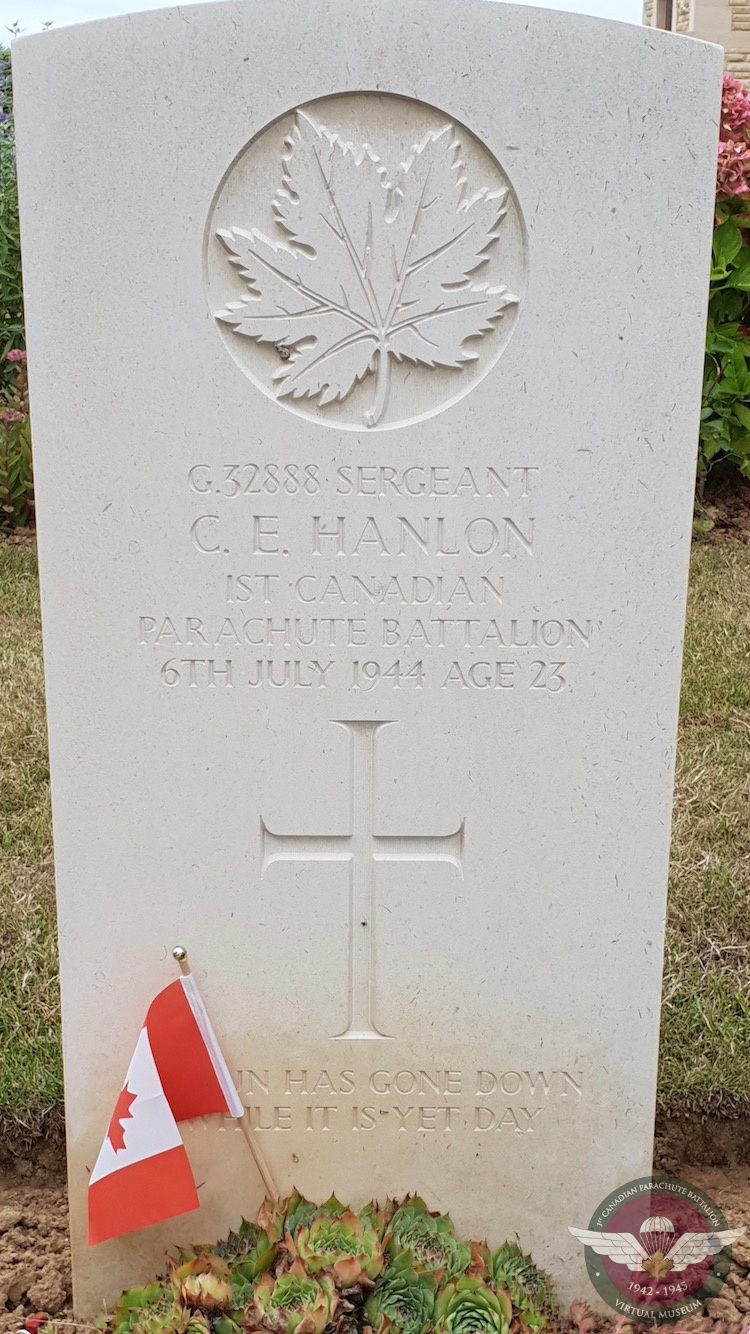
HANLON C.E
Beny-Sur-Mer Canadian War Cemetery, Reviers
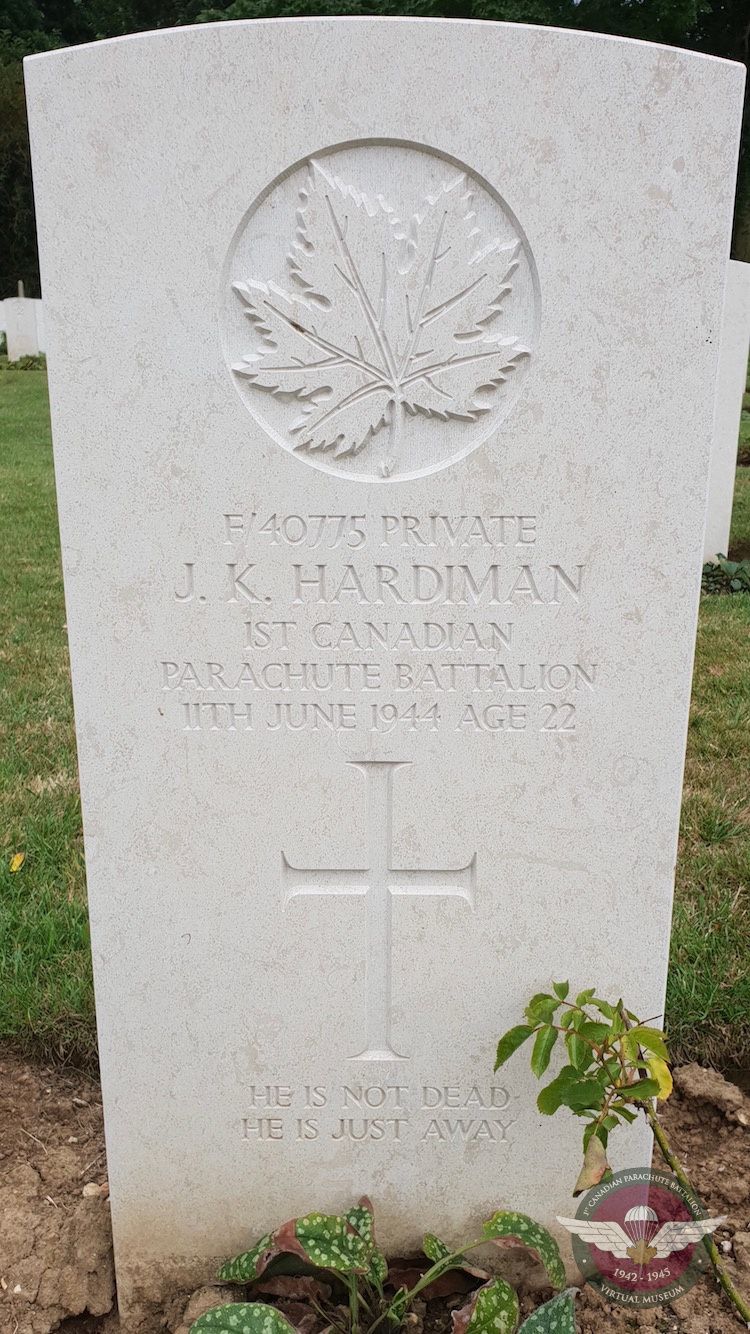
HARDIMAN J.K
Hermanville War Cemetery
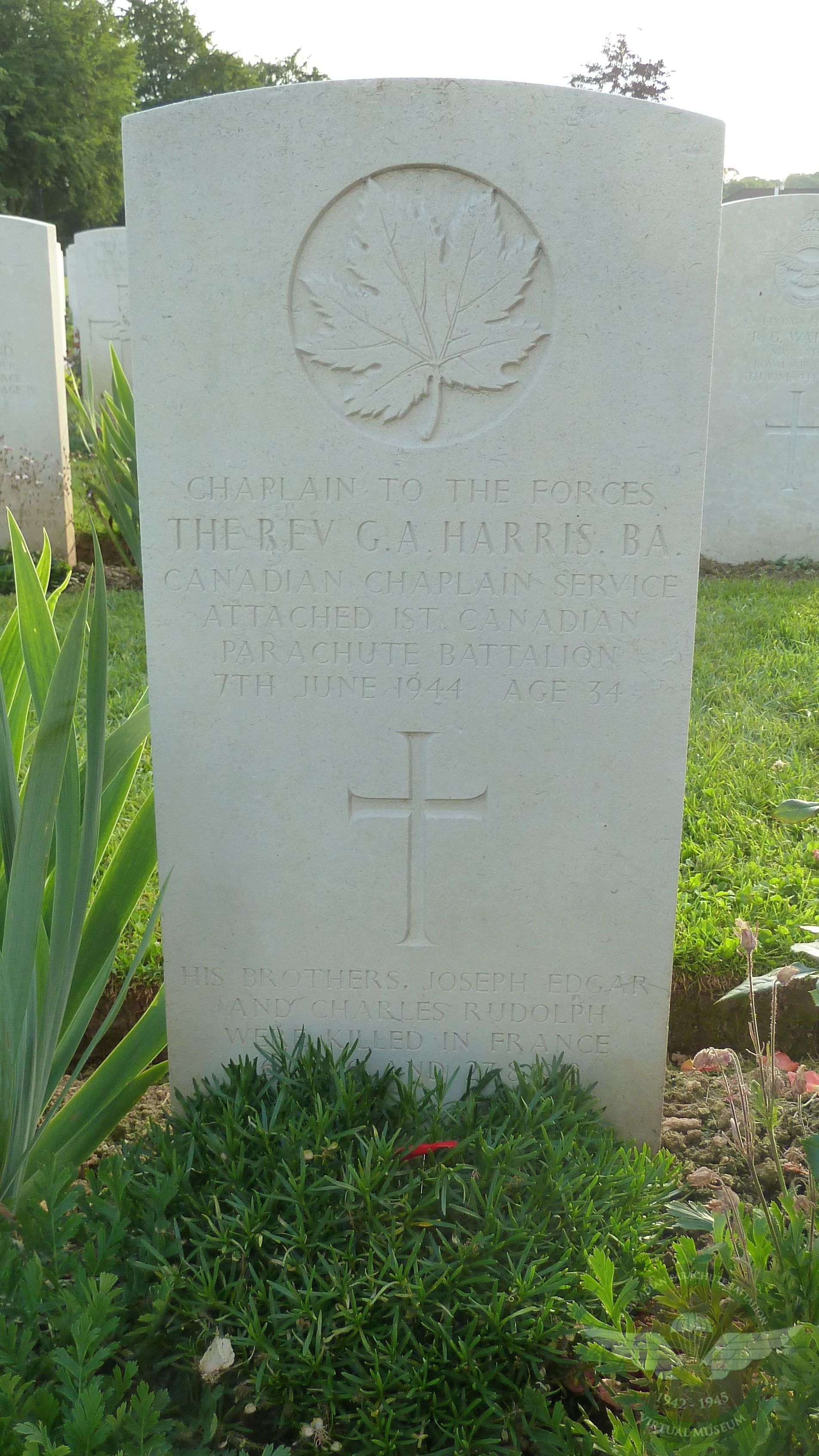
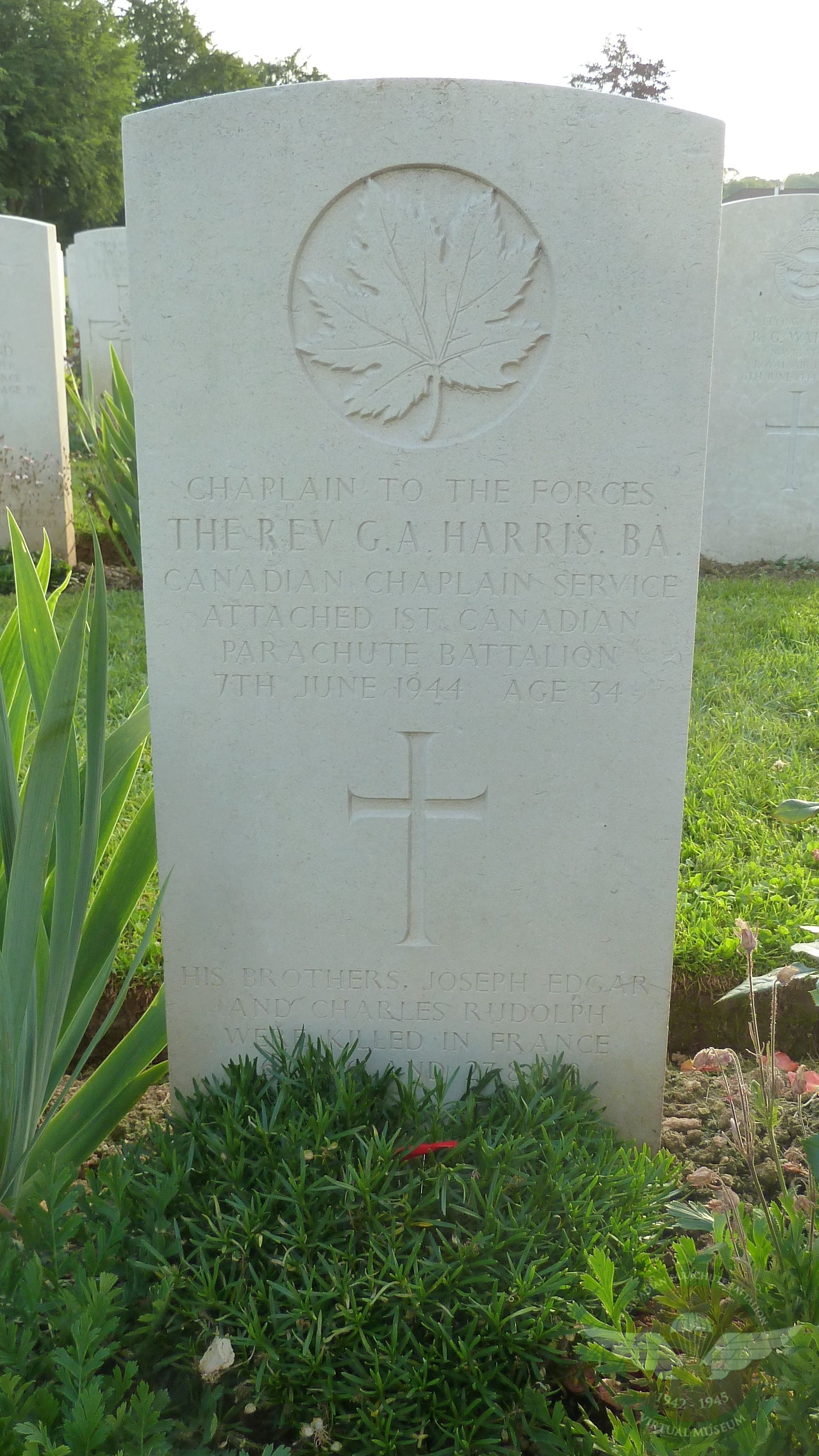
Harris G.A.
Ranville War Cemetery
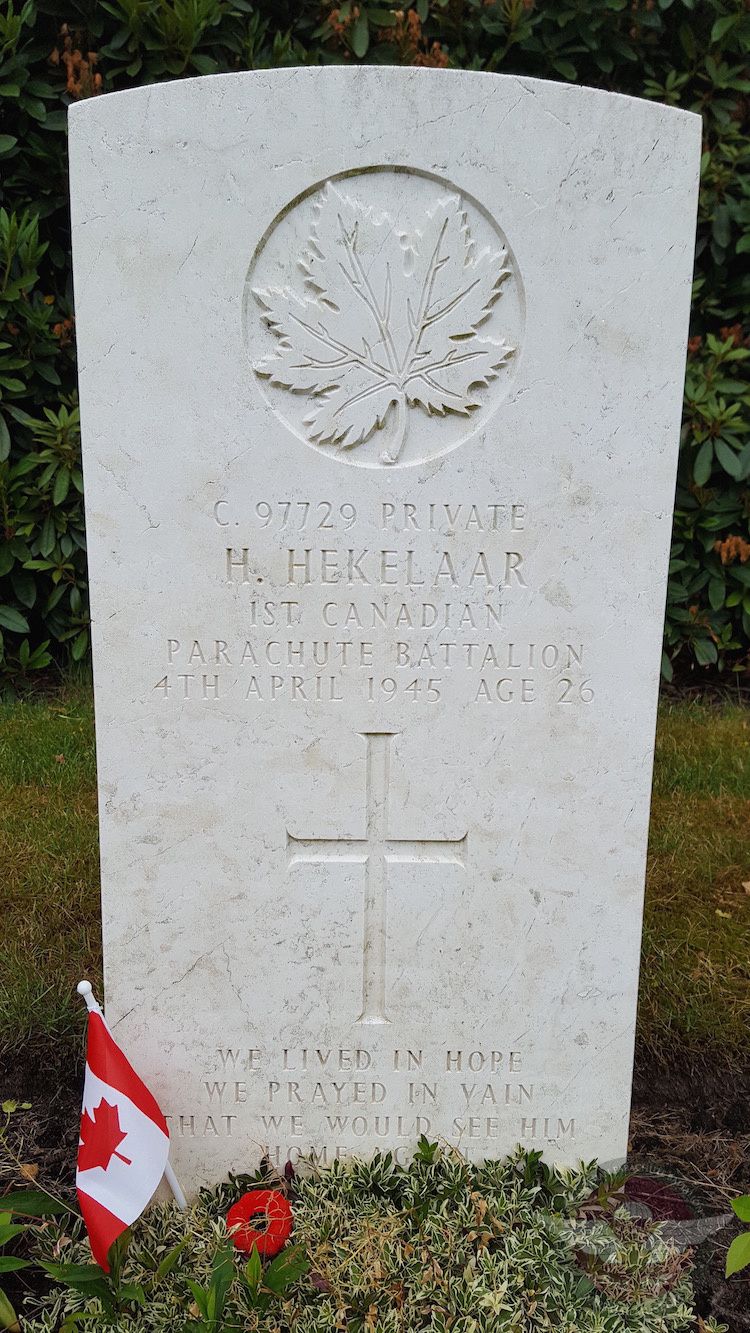
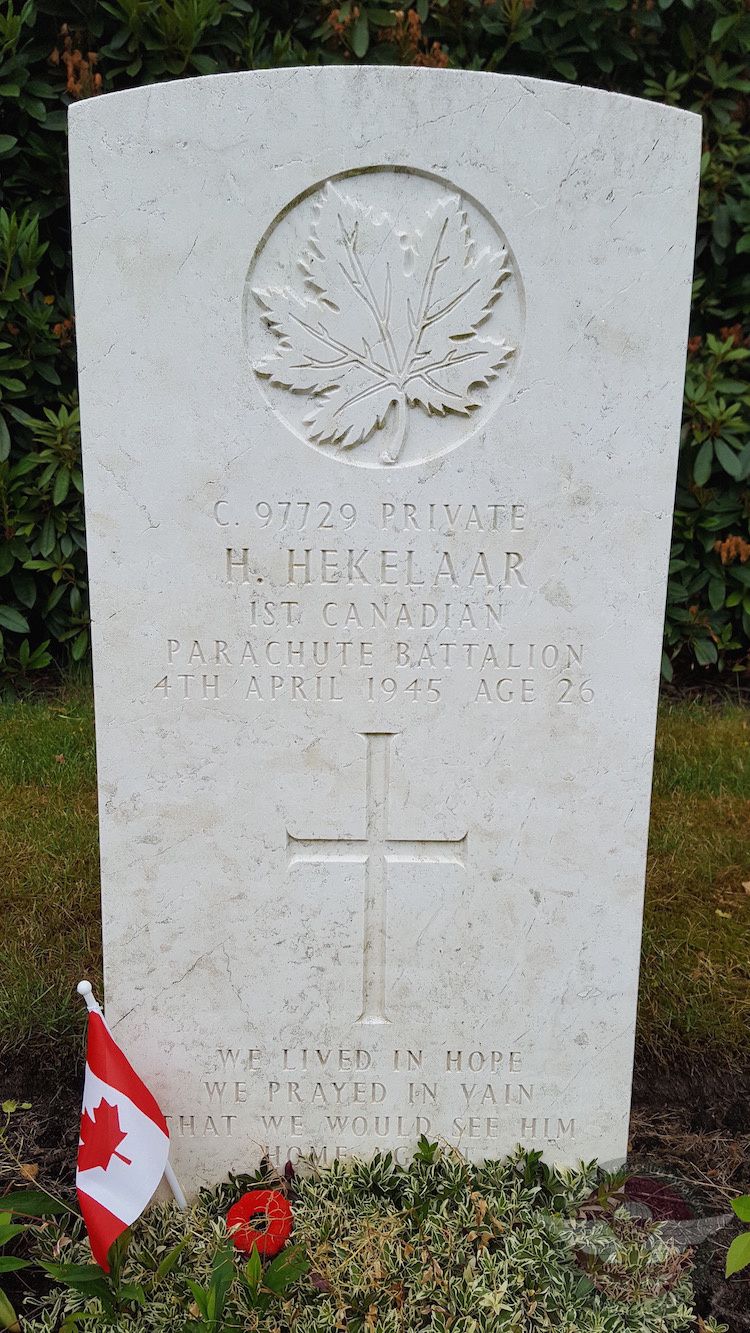
Hekelaar H.
Holten Canadian War Cemetery
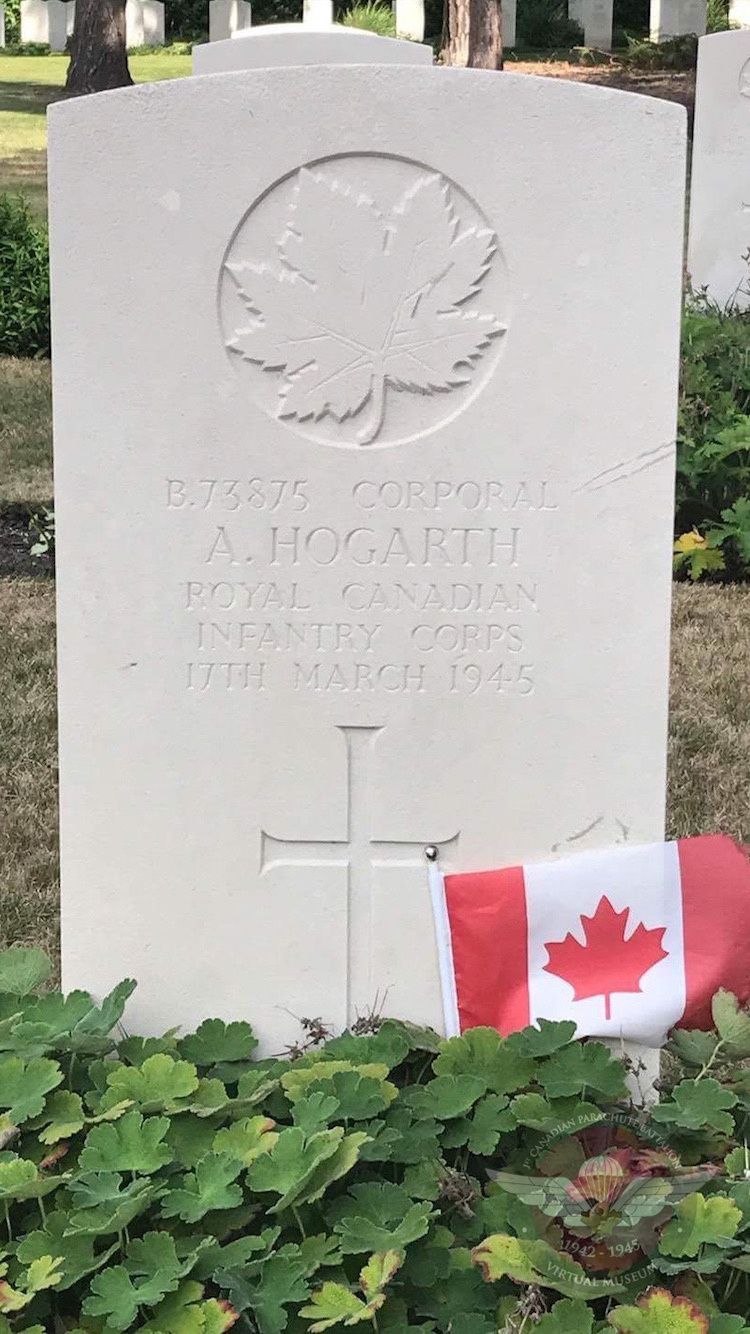
HOGARTH A.
Brookwood Military Cemetery
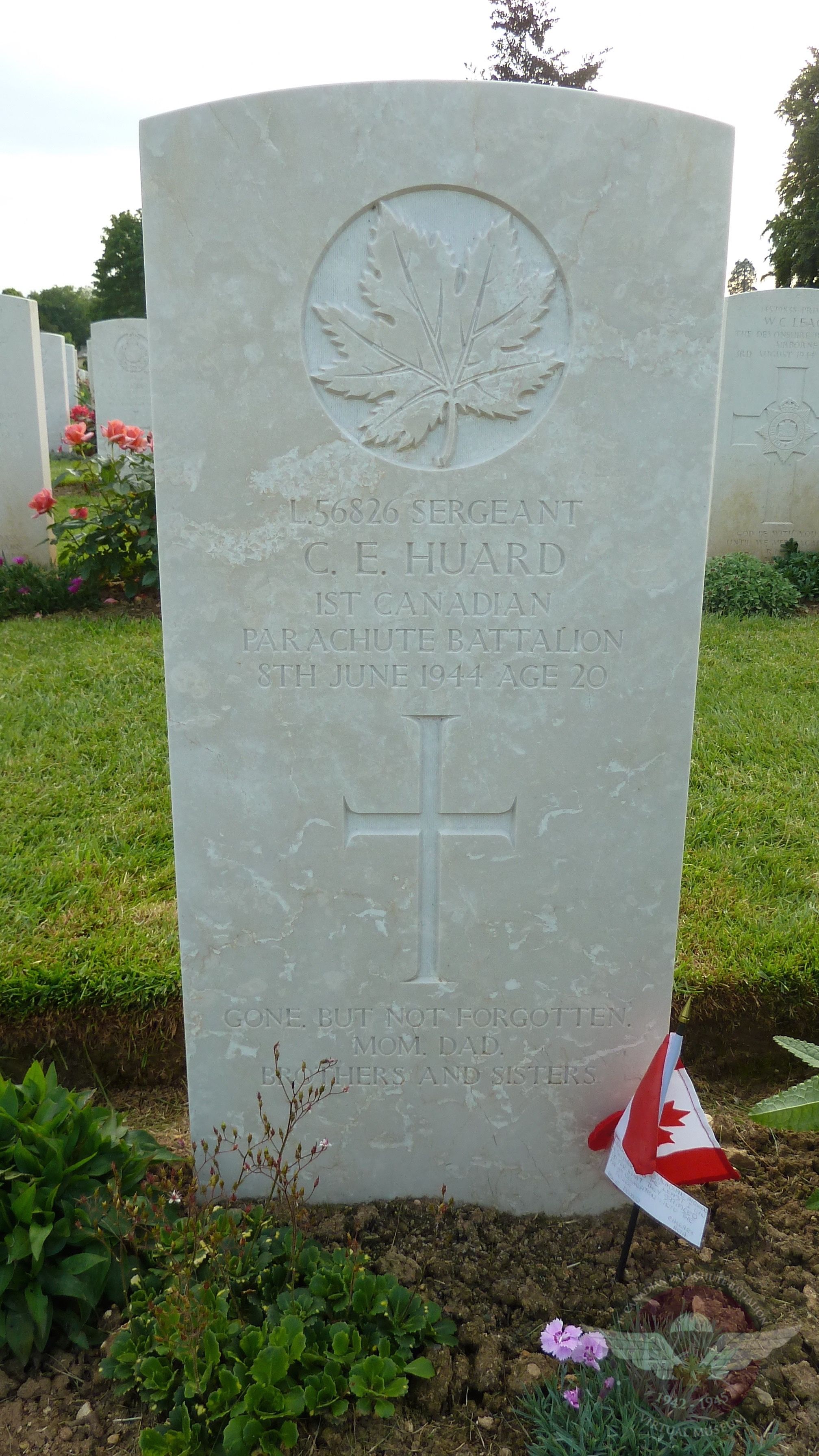
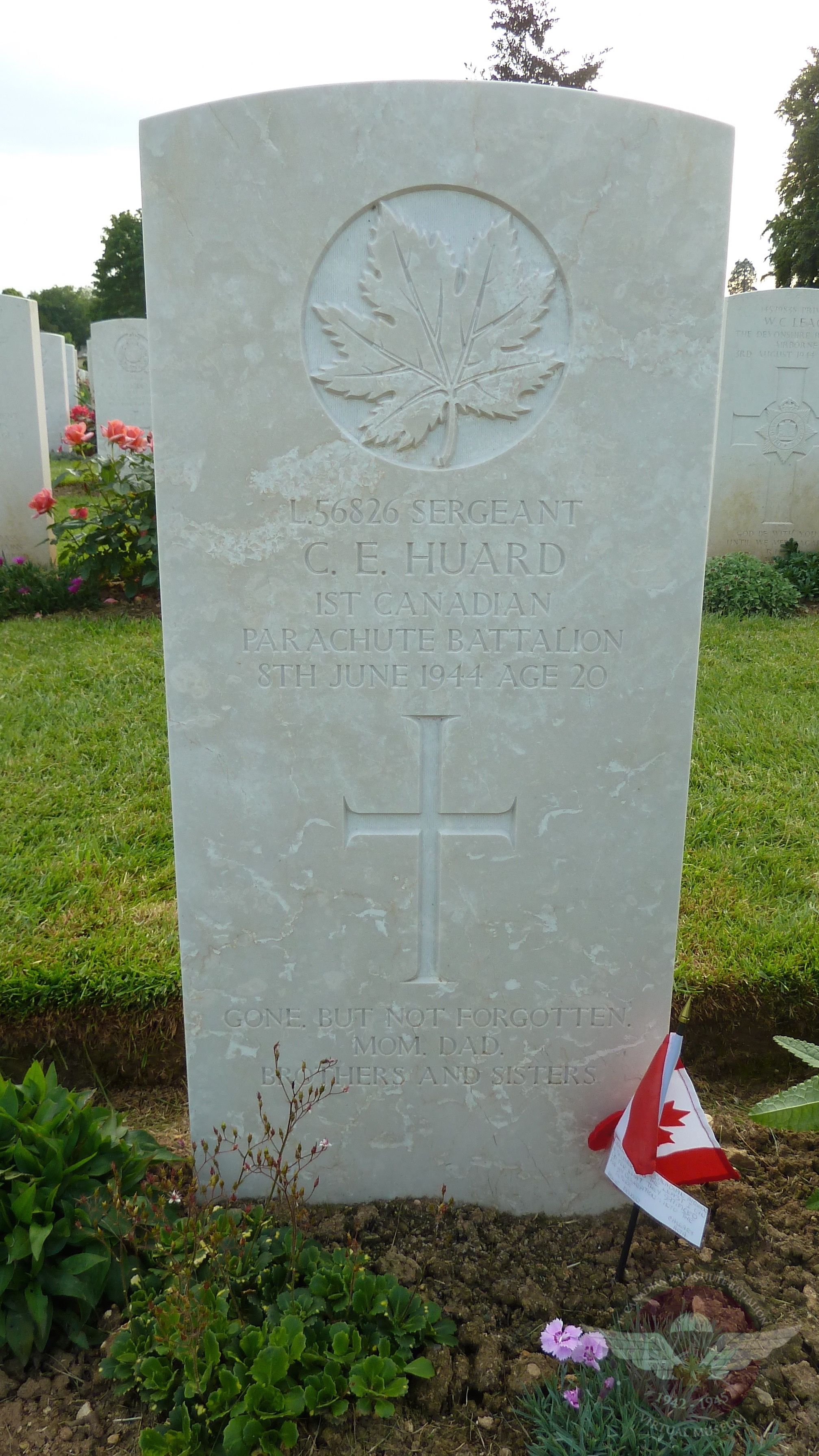
Huard C.E.
Ranville War Cemetery
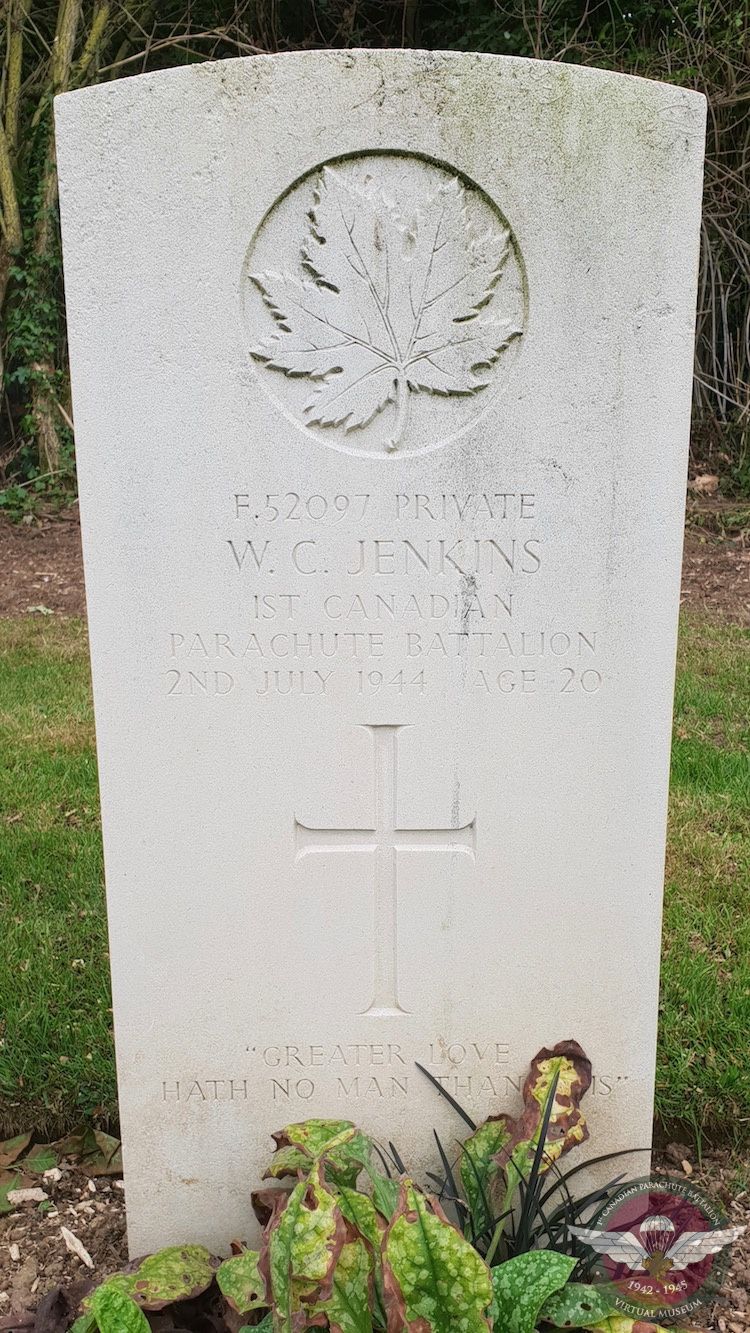
JENKINS W.C
Hermanville War Cemetery
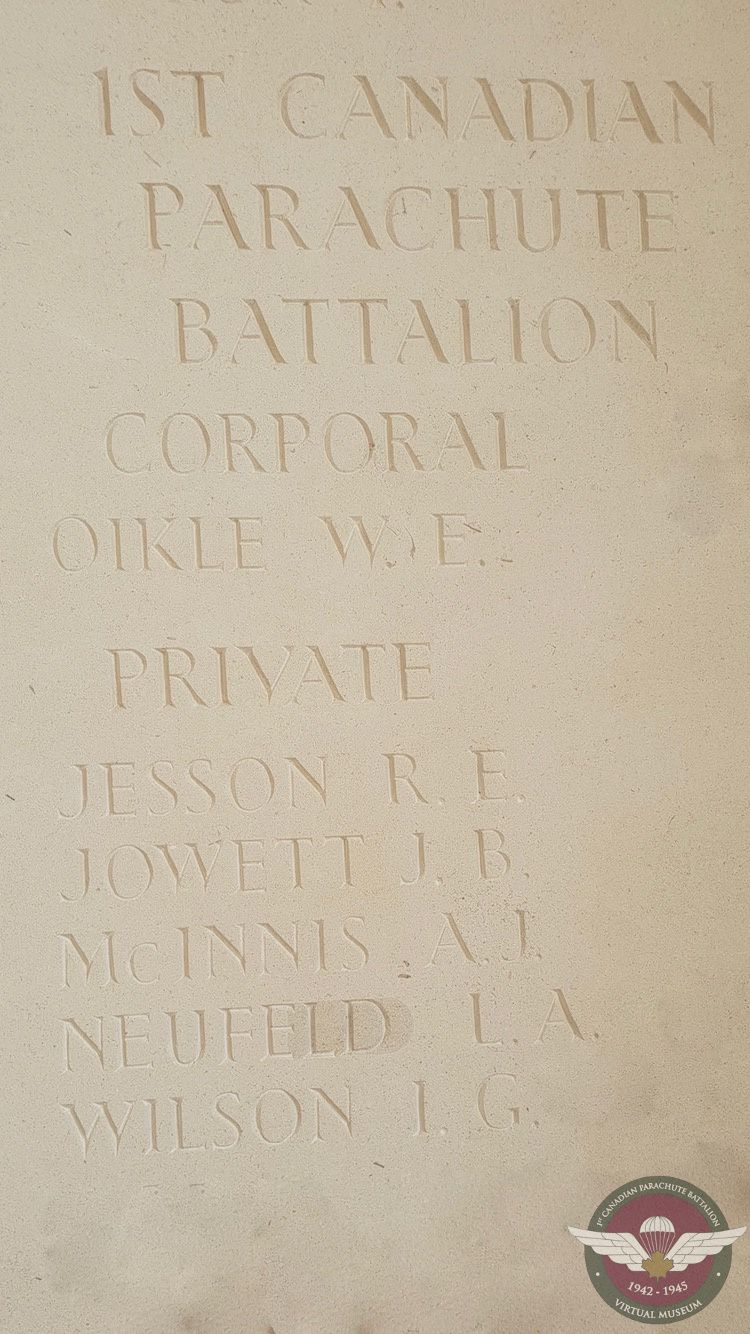
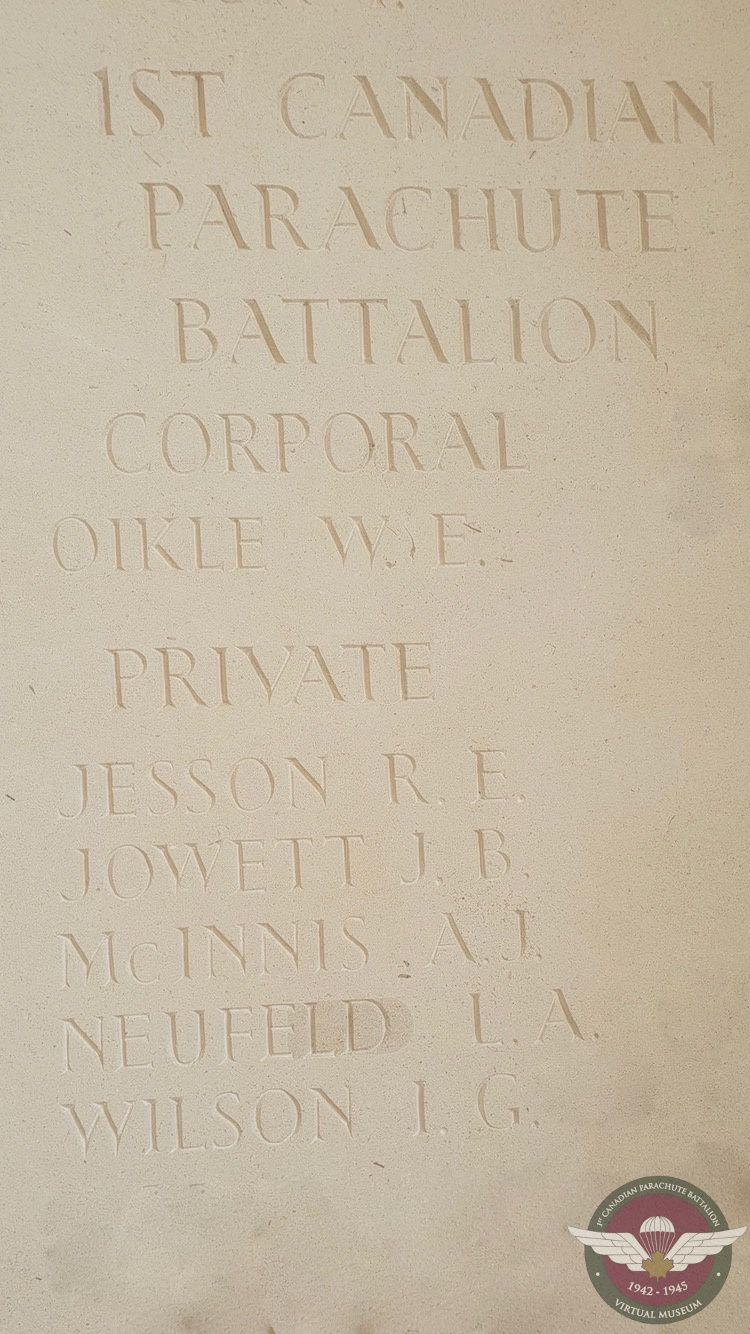
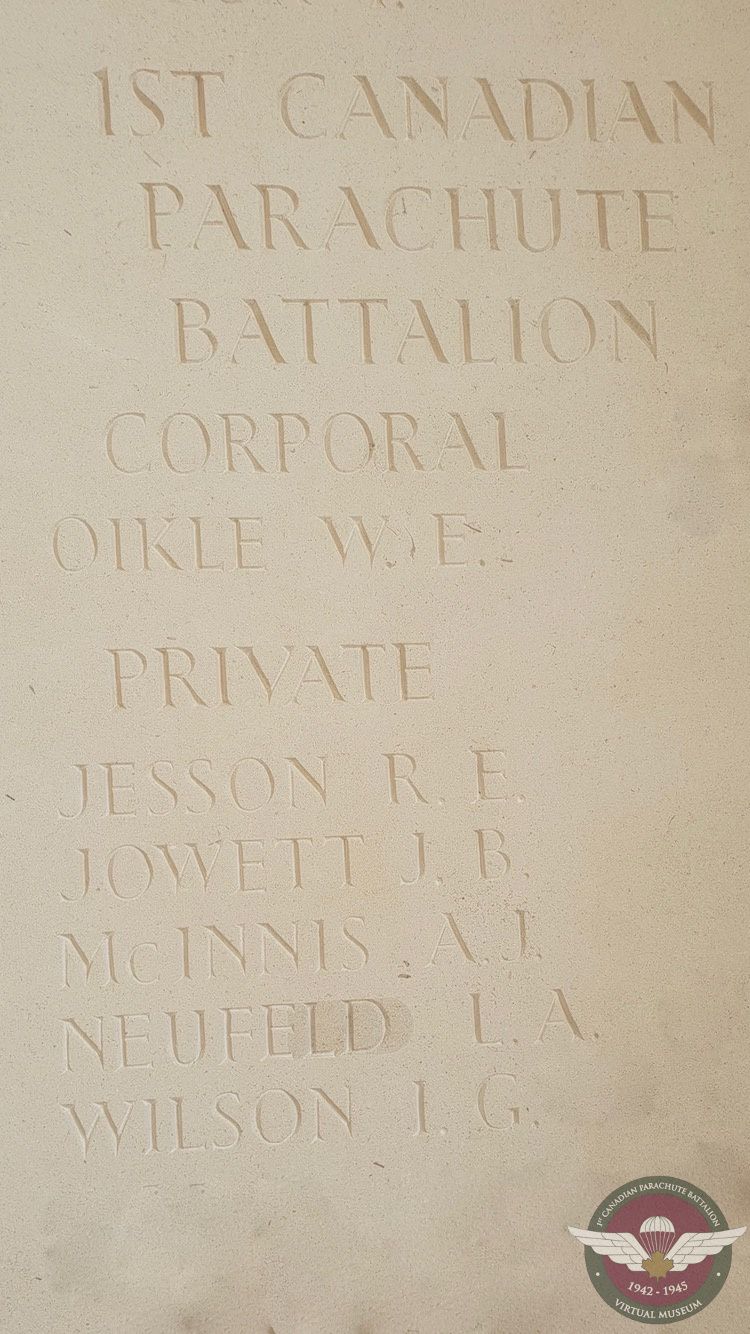
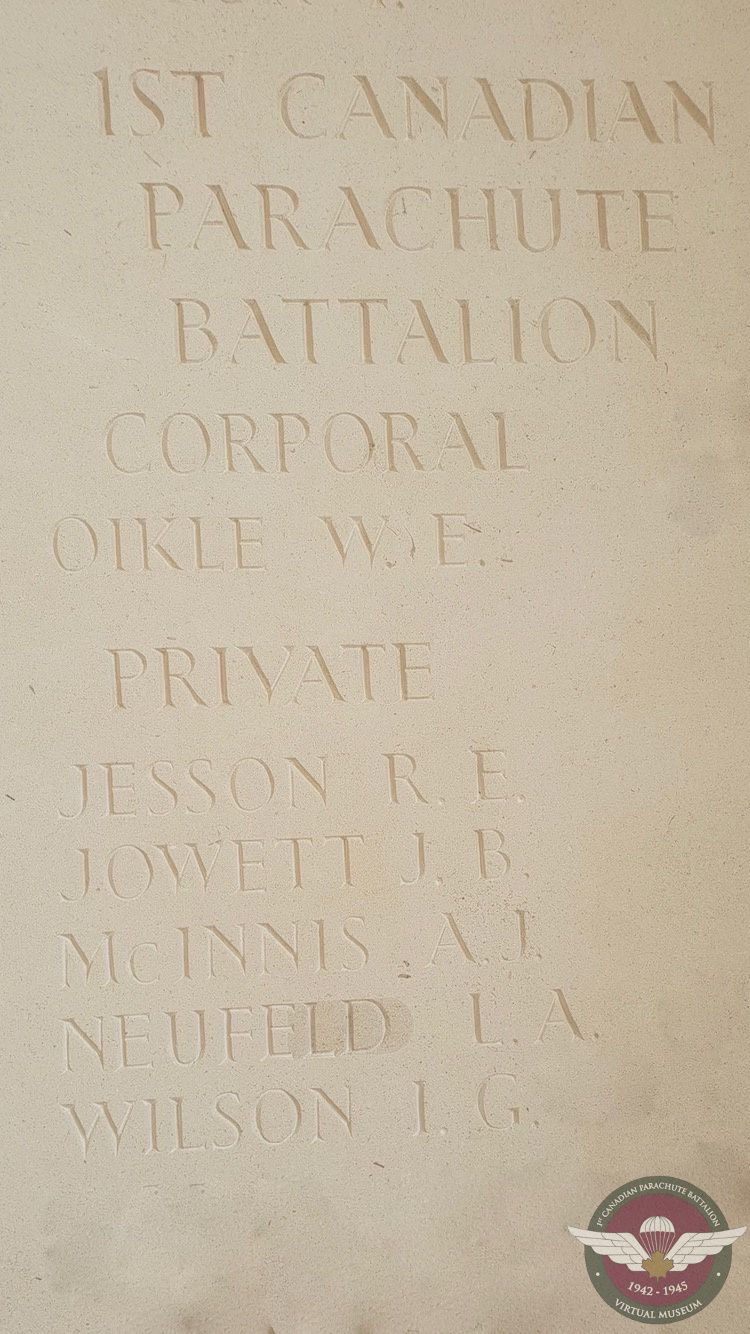
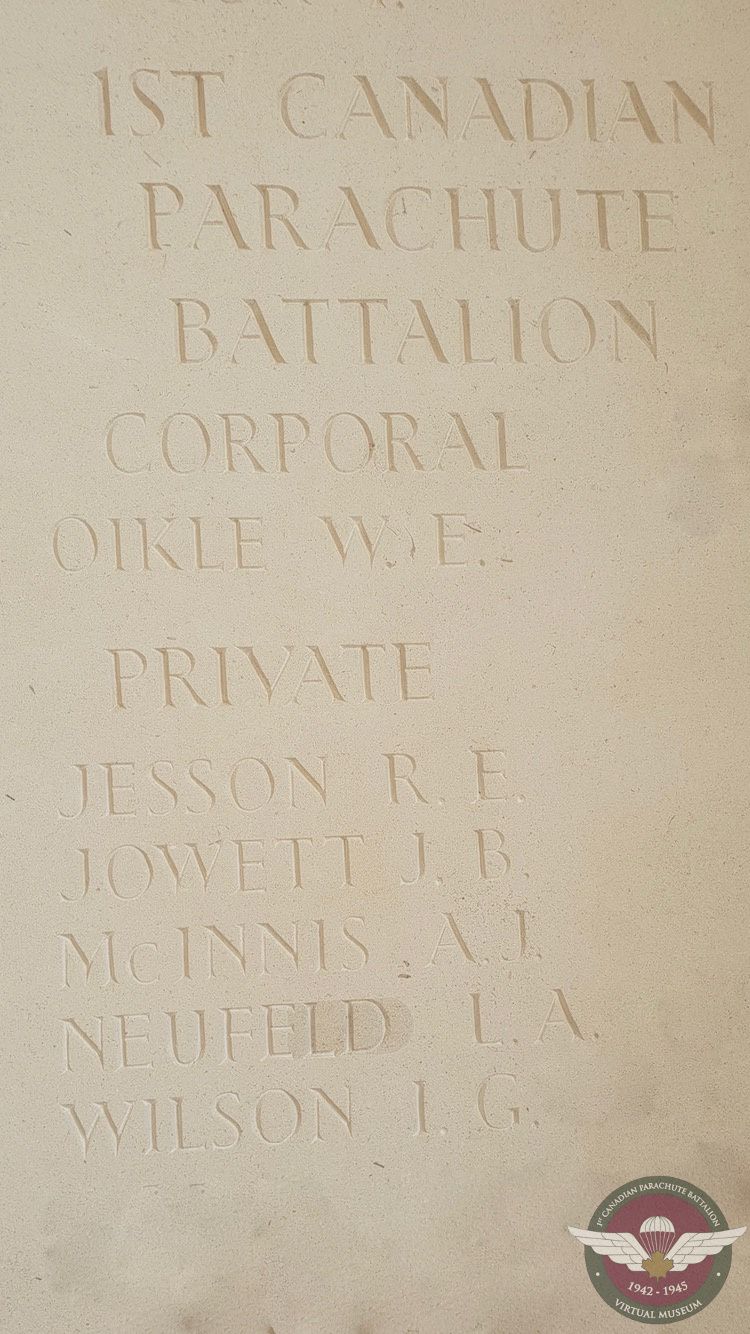
JESSON R.E
Bayeux Memorial
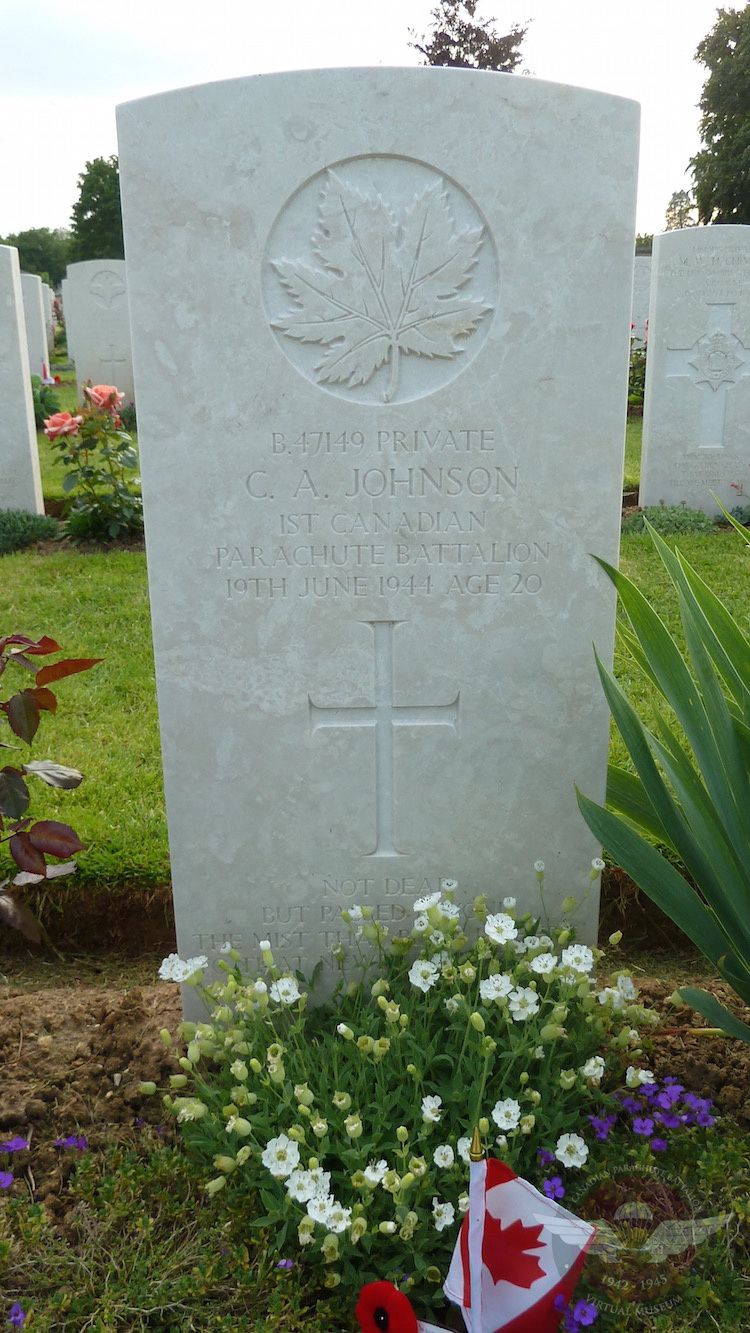
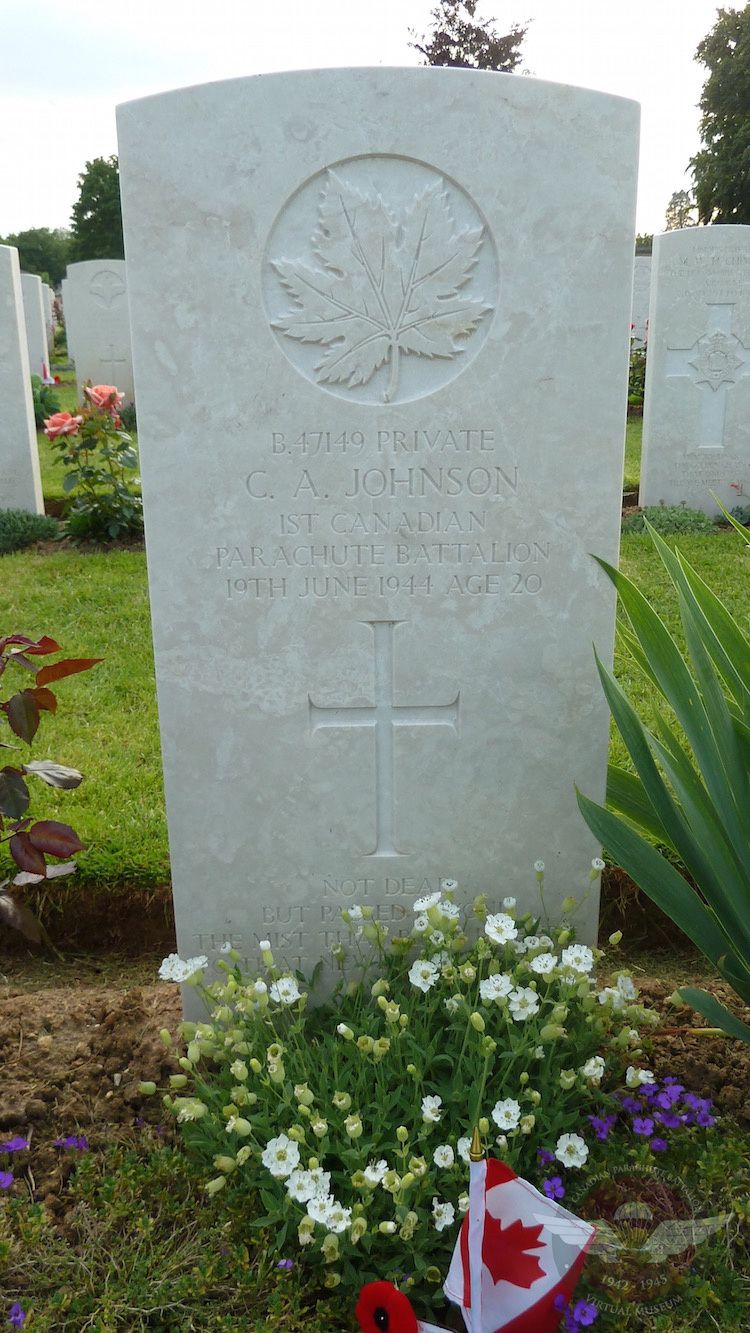
Johnson C.A.
Ranville War Cemetery
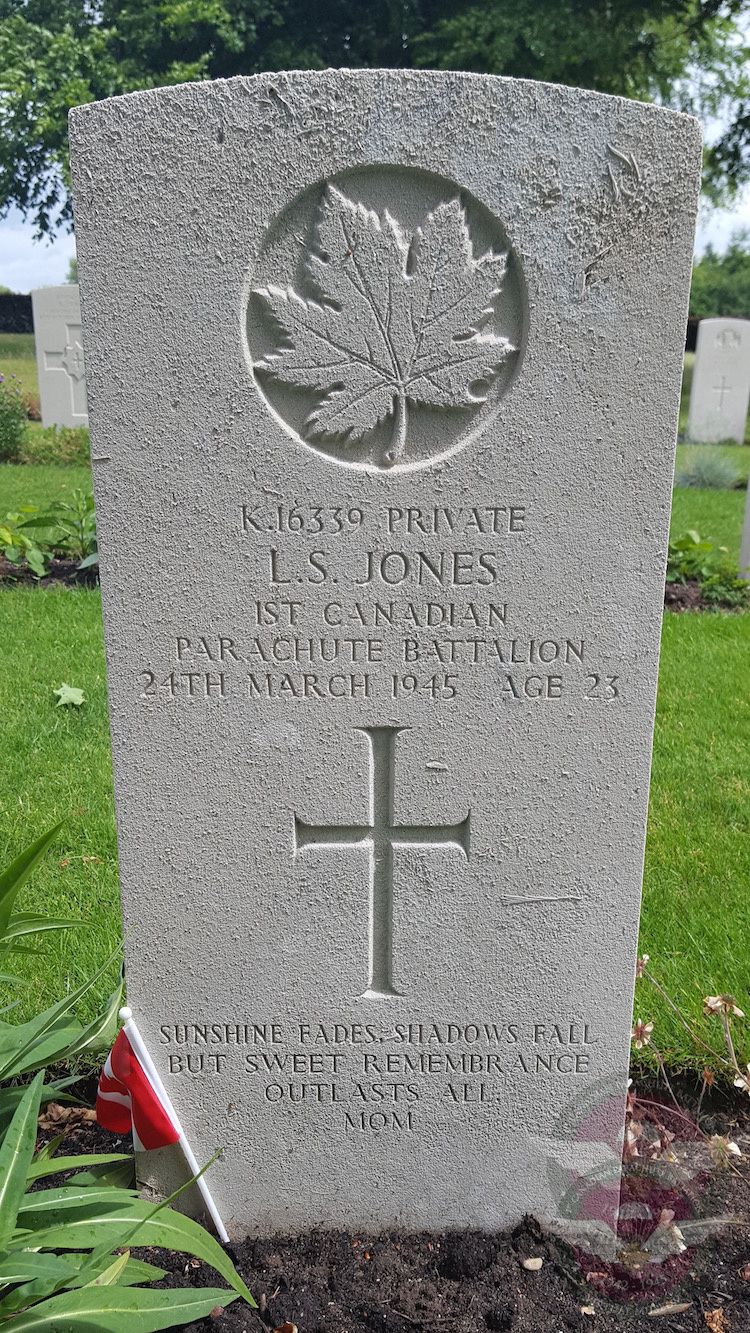
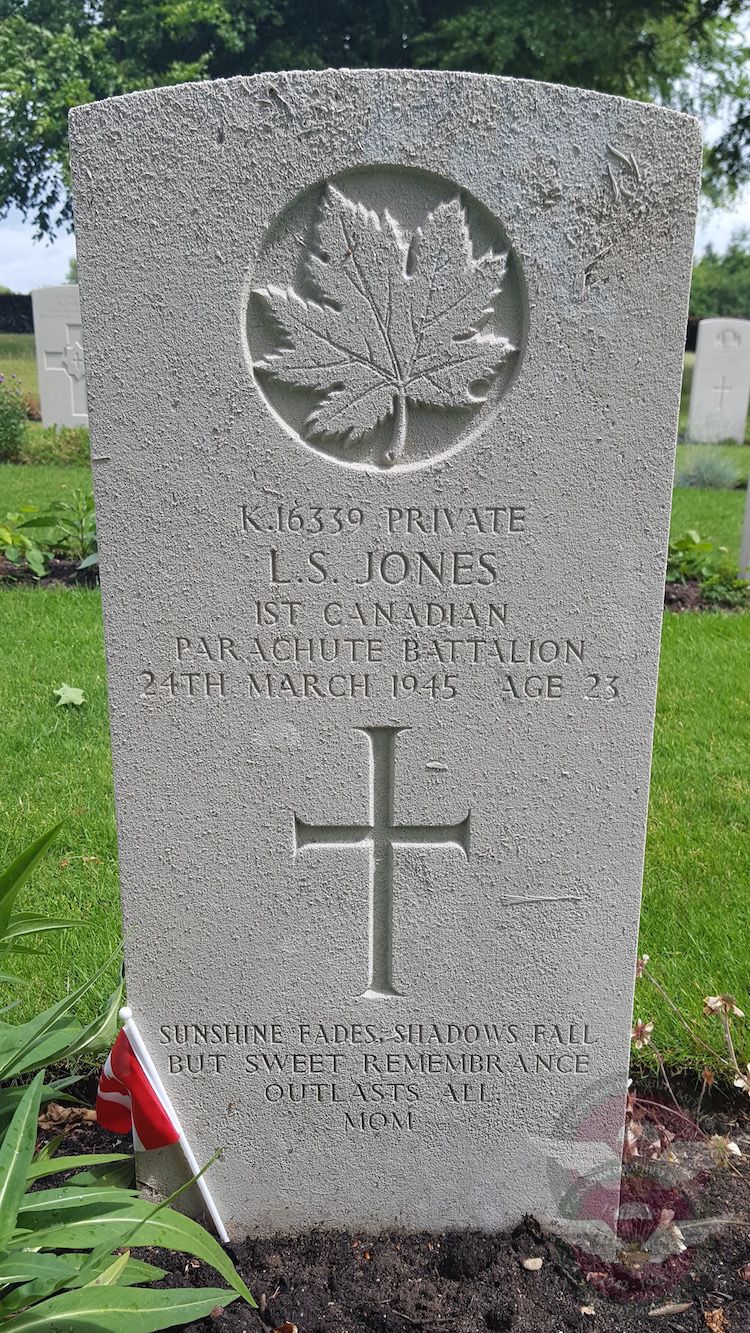
Jones L.S.
Groesbeek Canadian War Cemetery
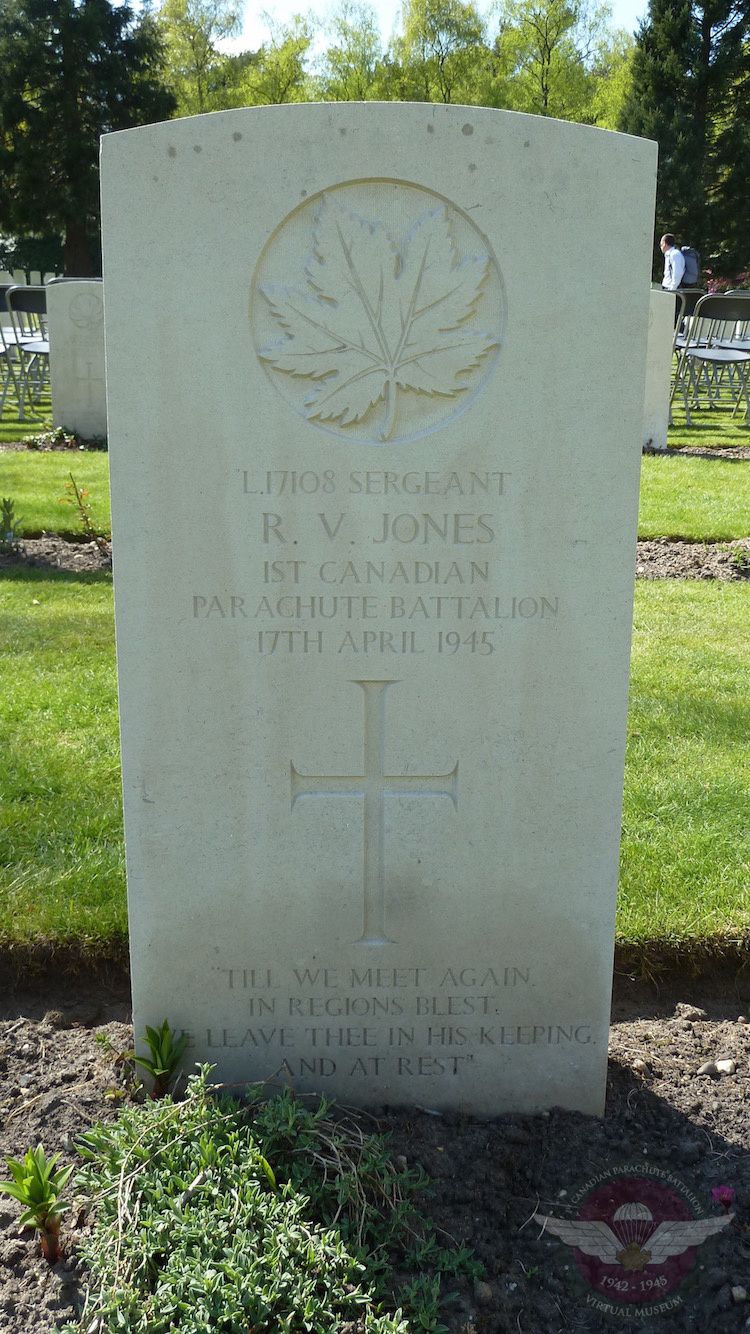
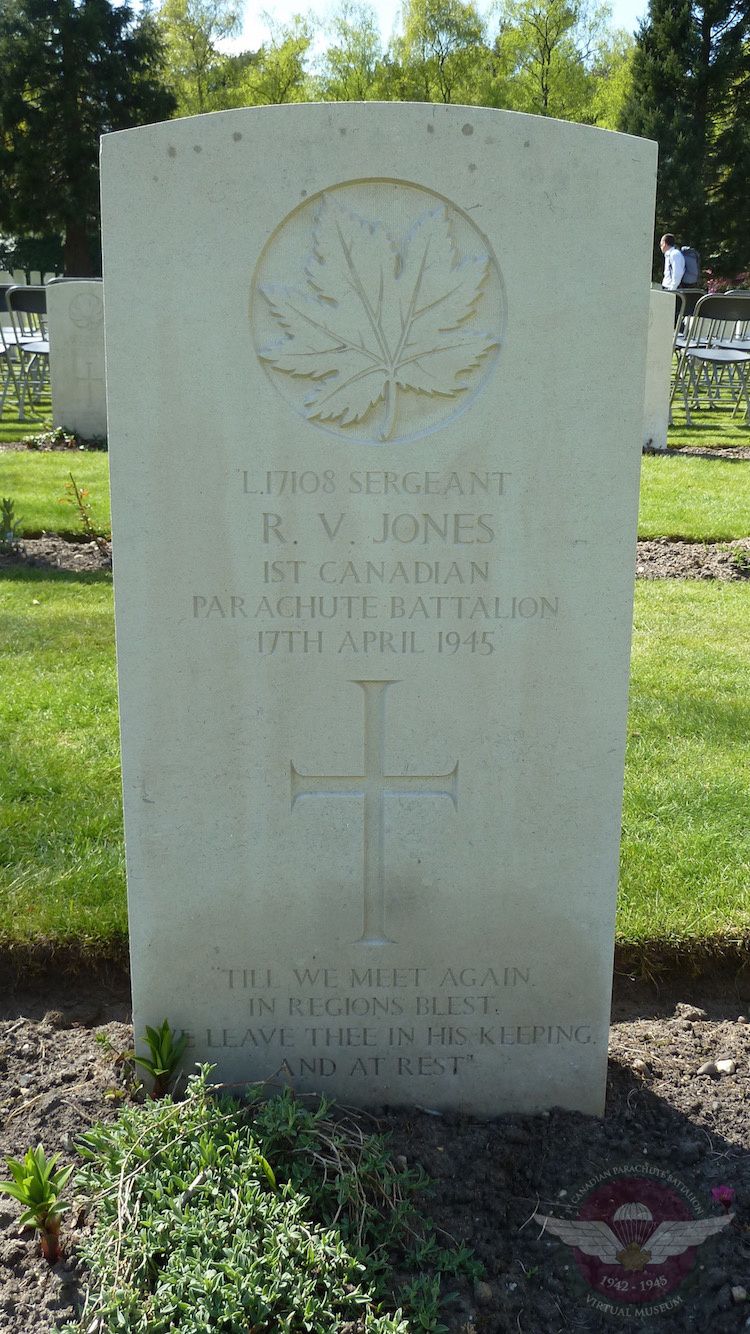
Jones R.V.
Holten Canadian War Cemetery
JOWETT J.B
Bayeux Memorial
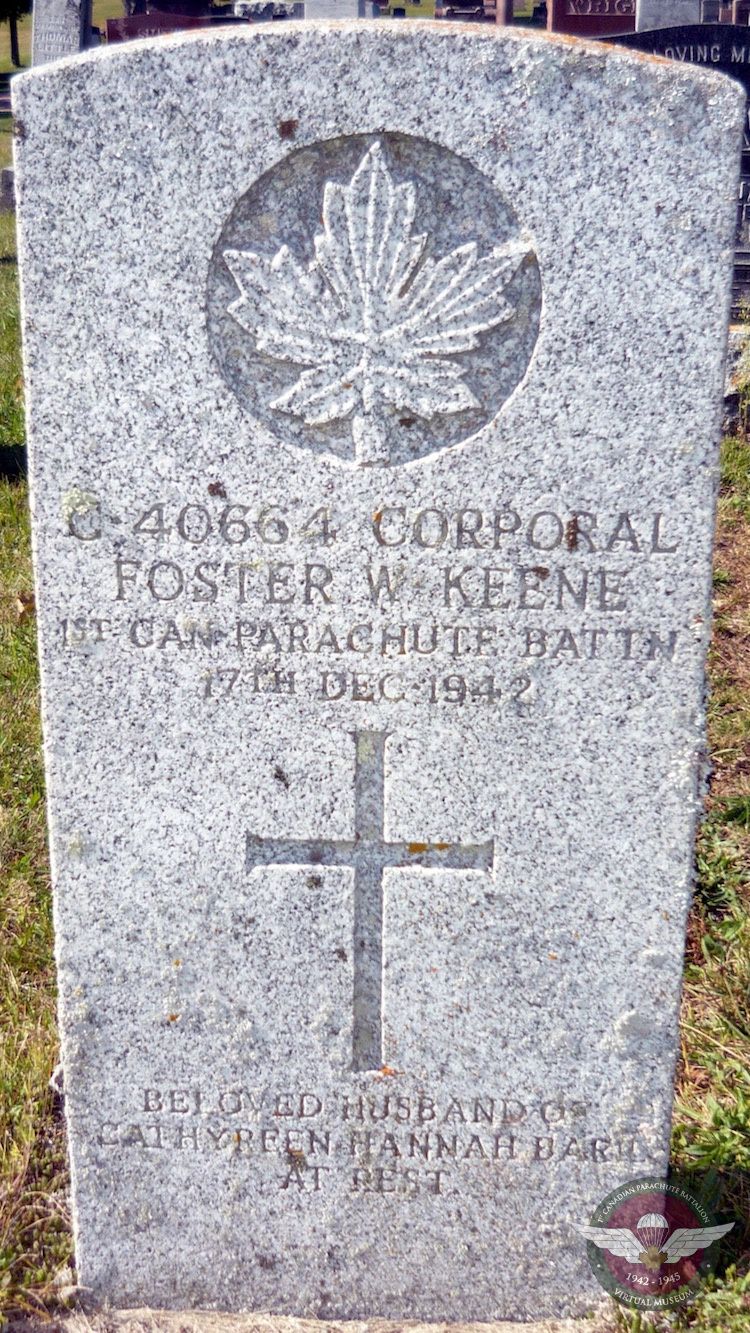
KEENE F.W
Havelock (Maple Grove) Cemetery
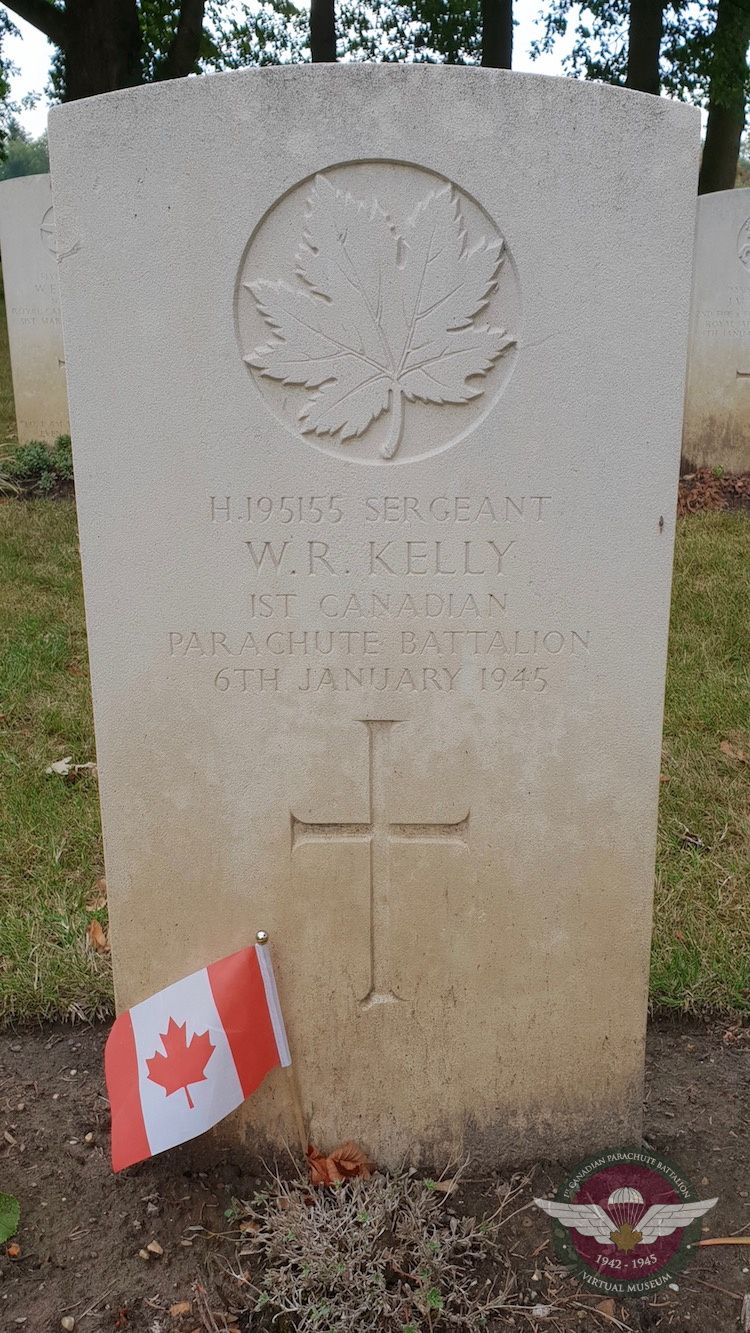
KELLY W.R
Hotton War Cemetery
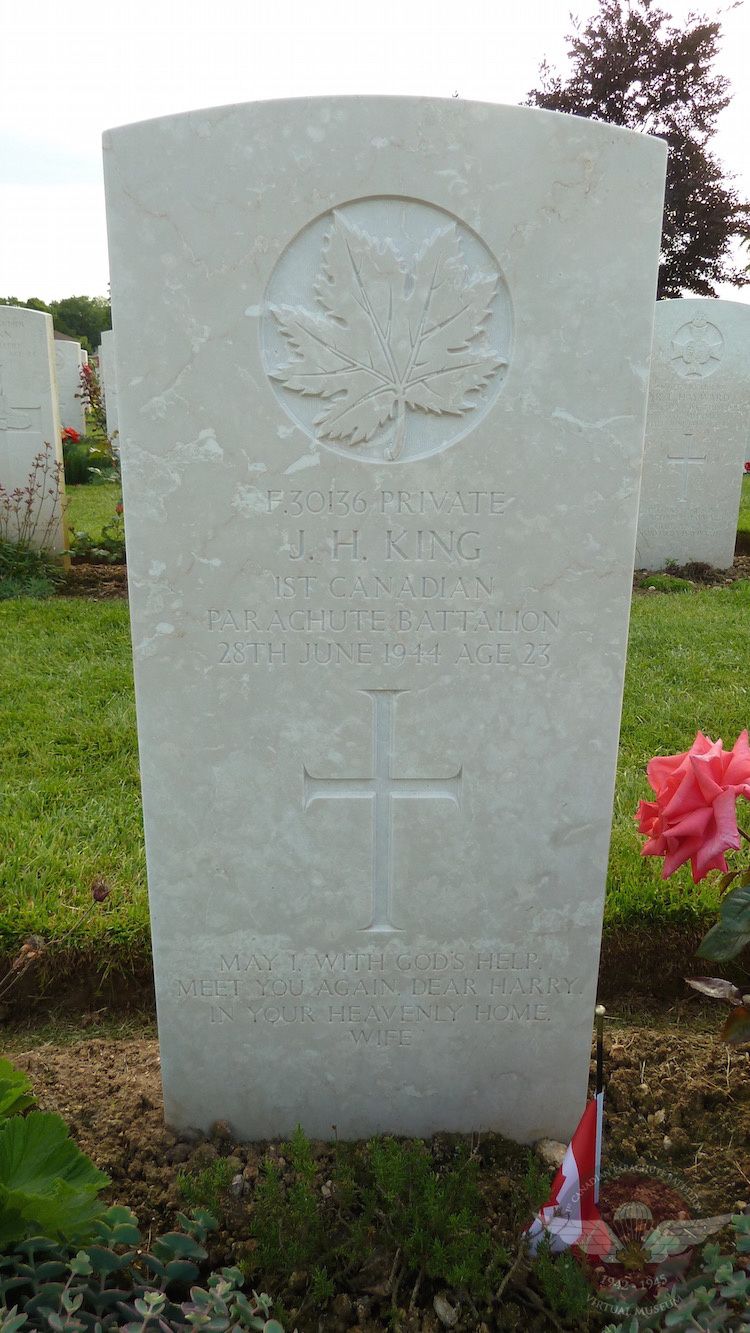
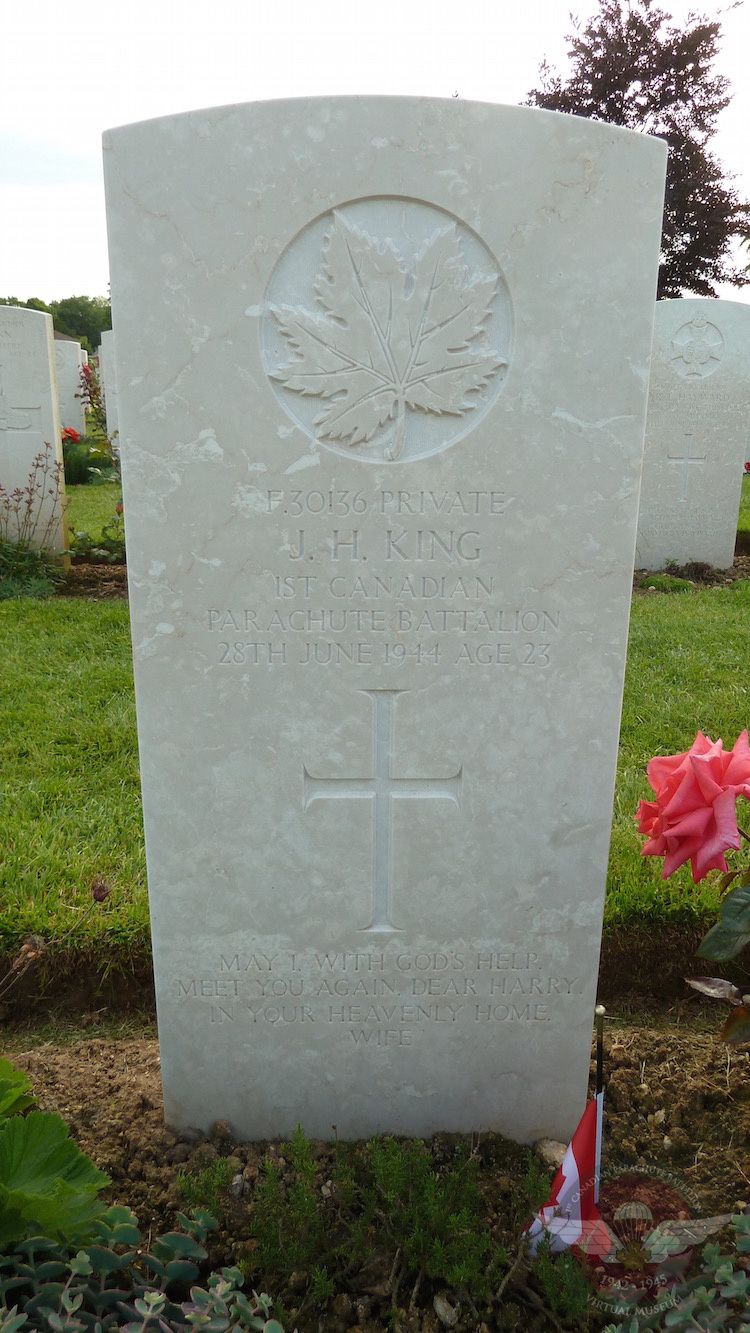
King J.H.
Ranville War Cemetery
KROESING. G
Prague War Cemetery
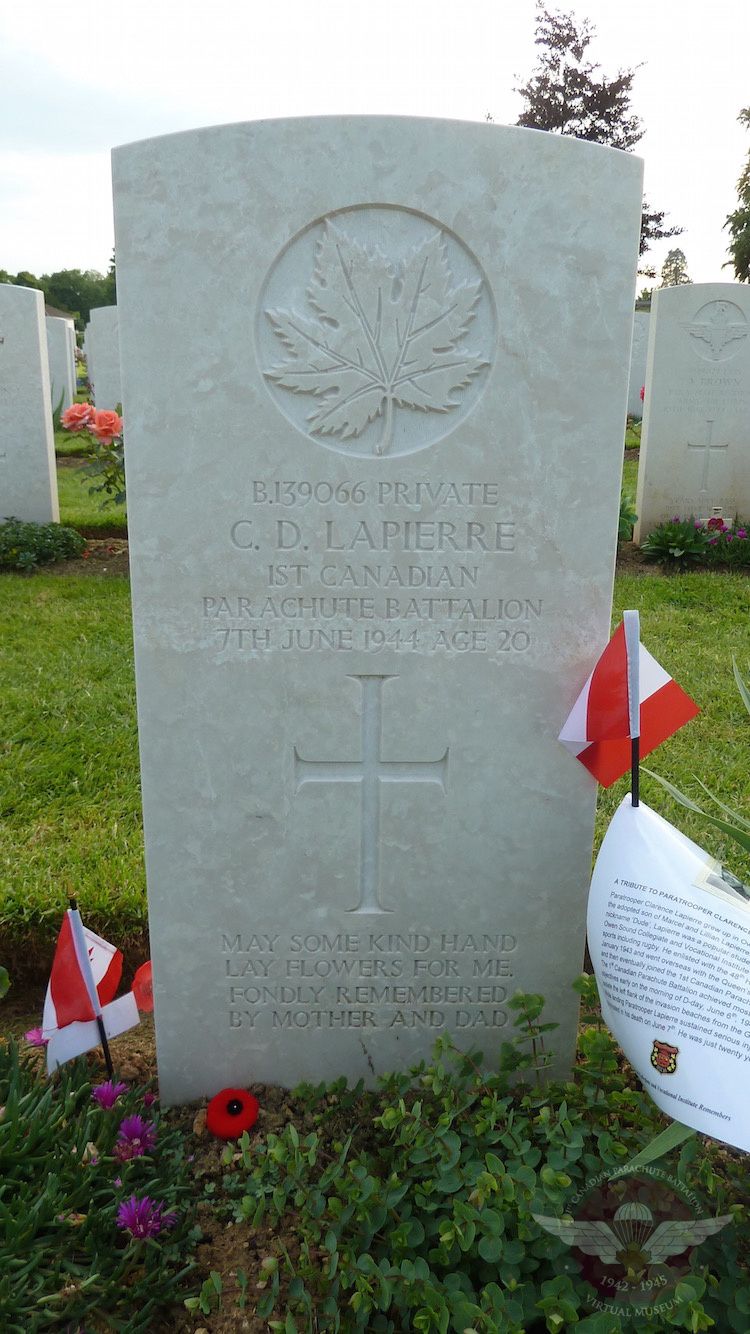
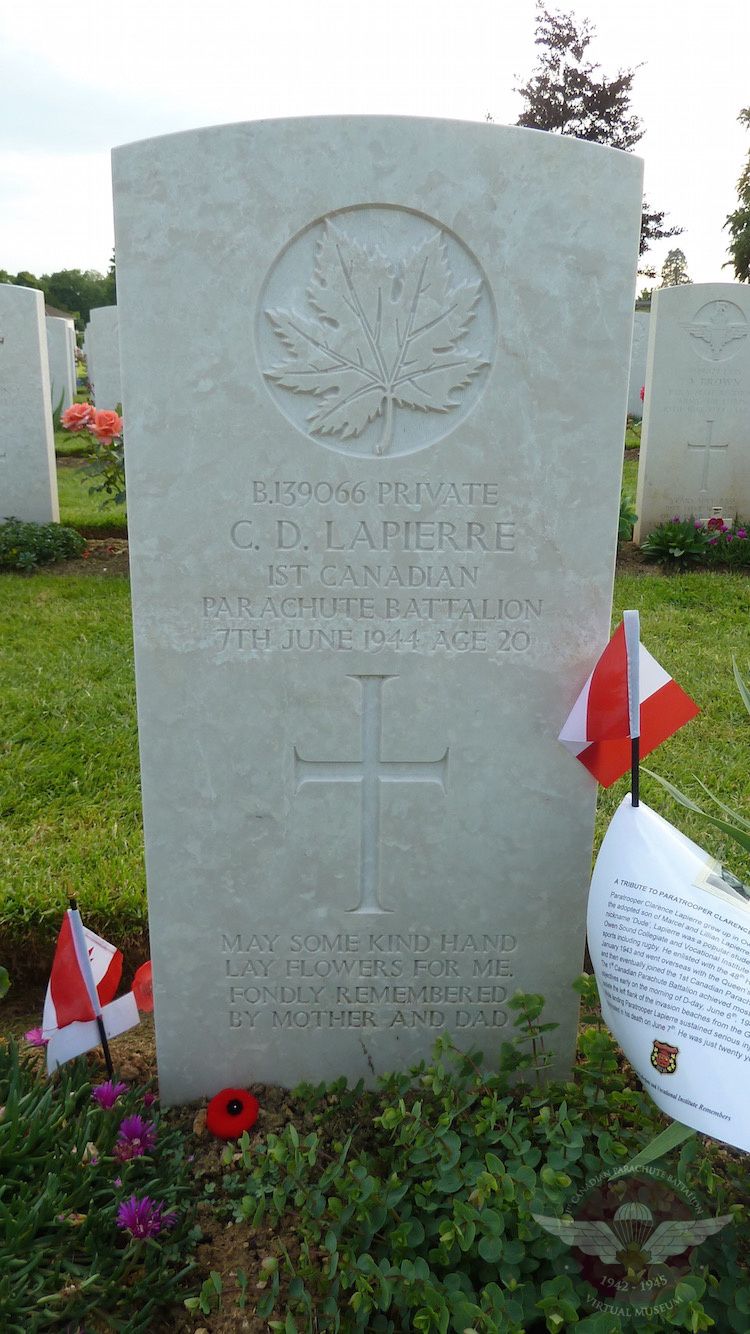
Lapierre C.D.
Ranville War Cemetery
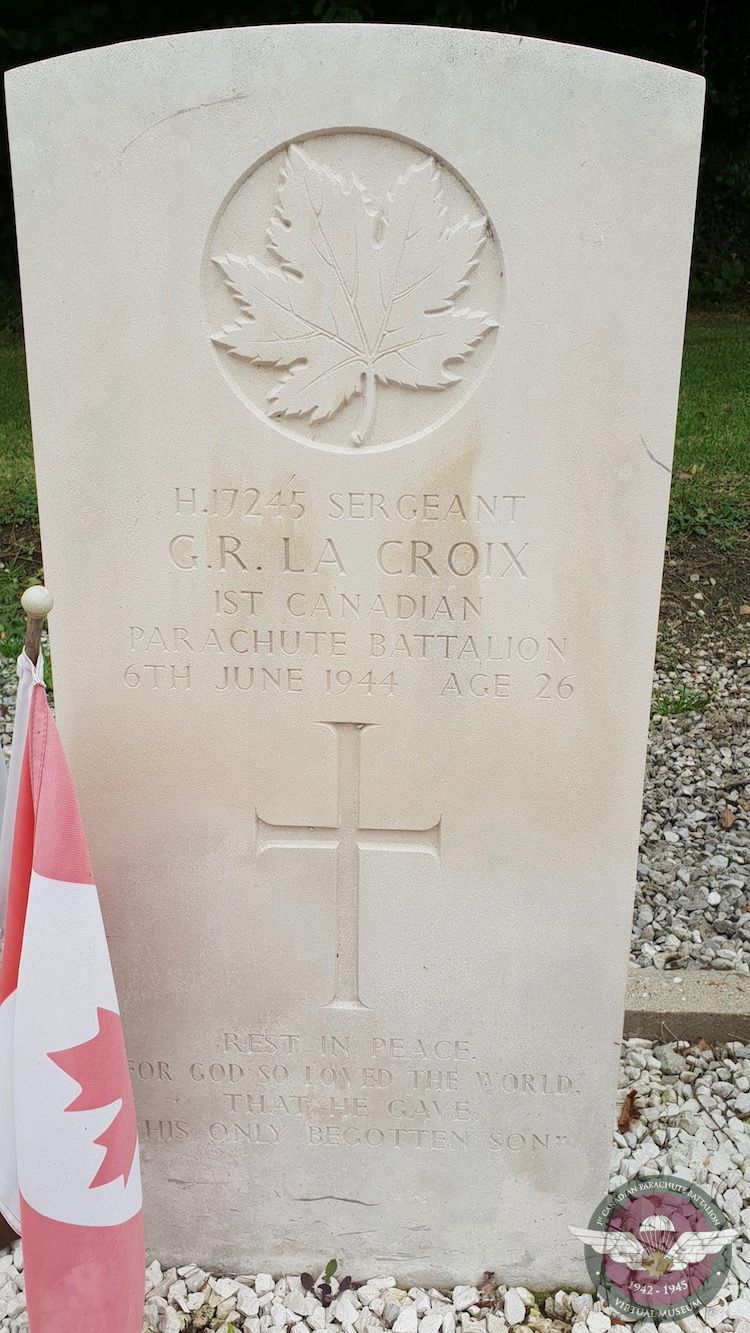
LA CROIX G.R
St. Vaast-En-Auge Churchyard
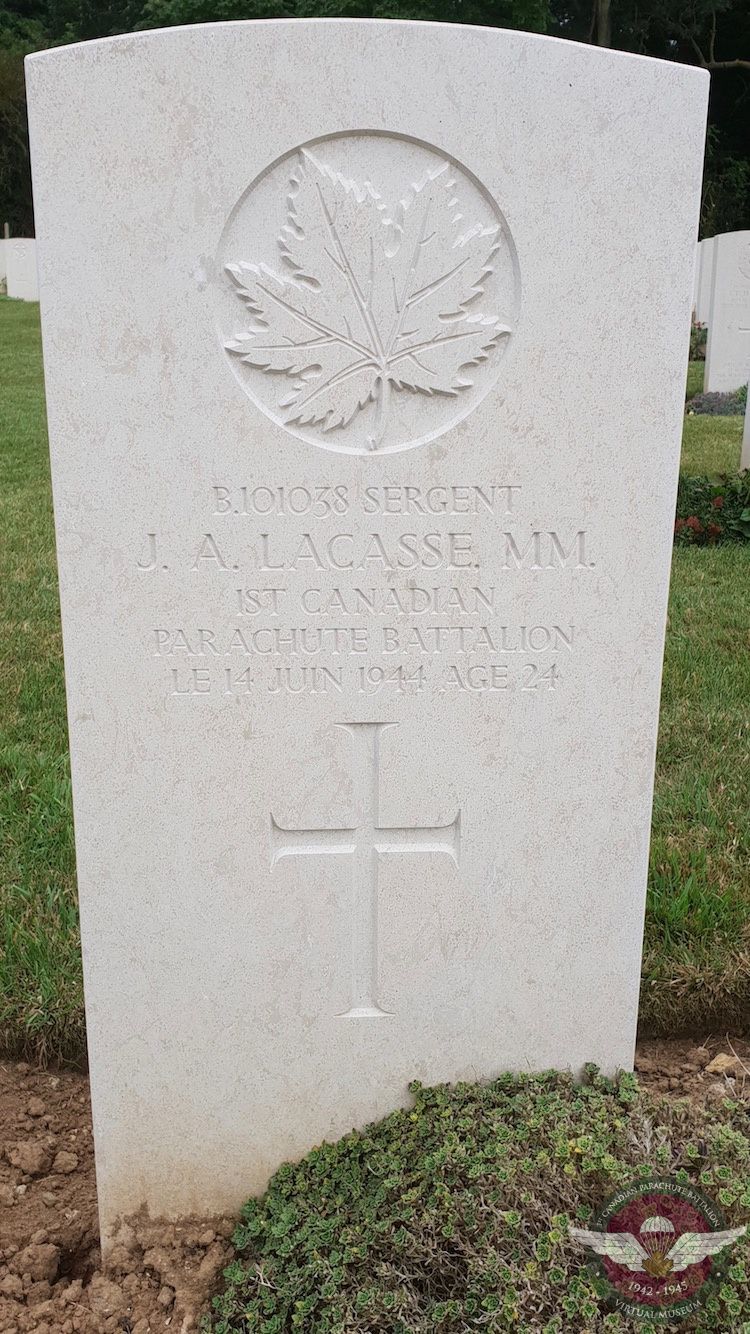
LACASSE J.A
Hermanville War Cemetery
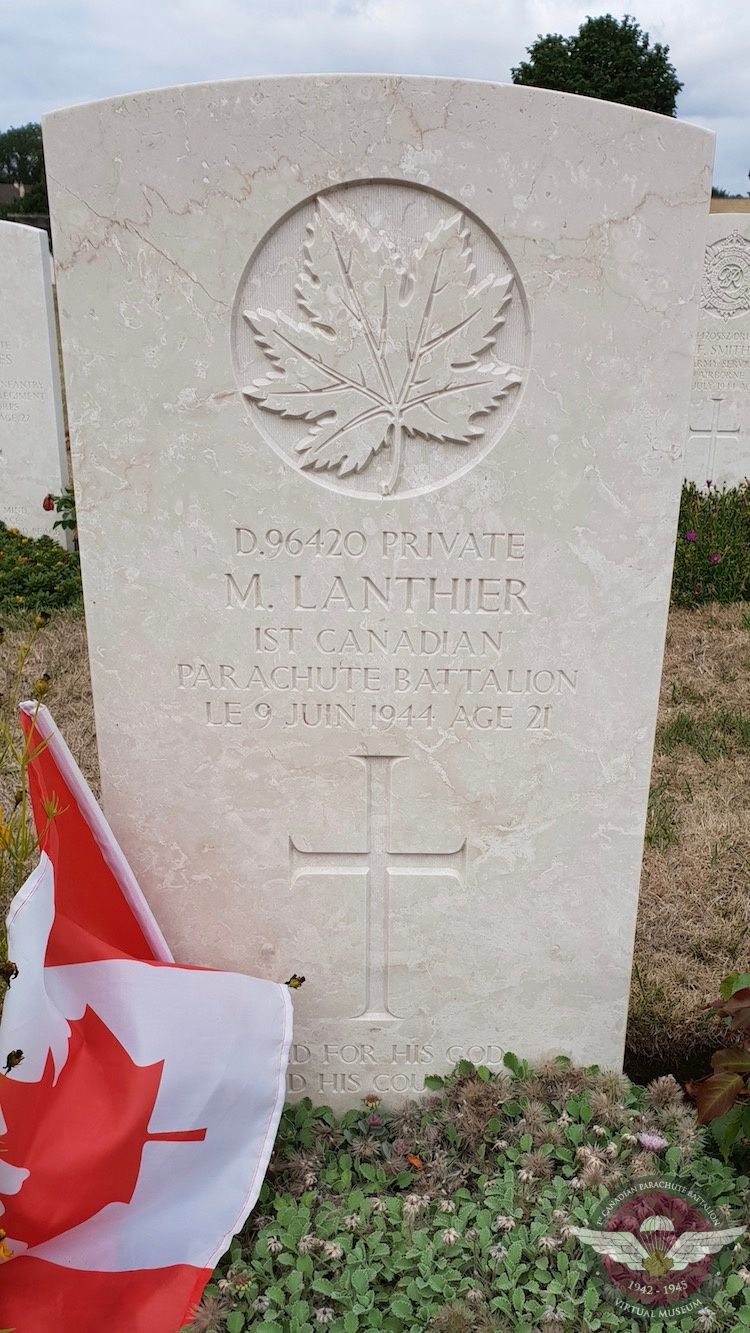
LANTHIER M
Ranville War Cemetery
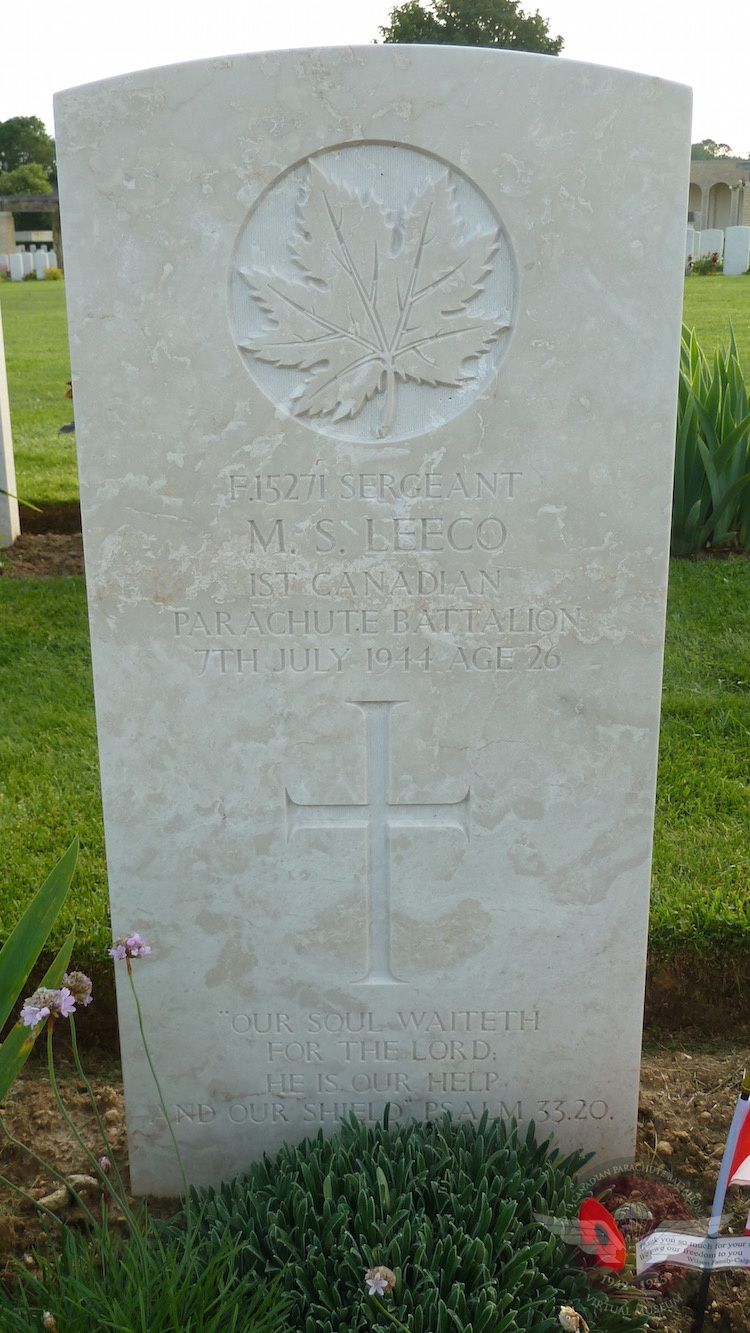
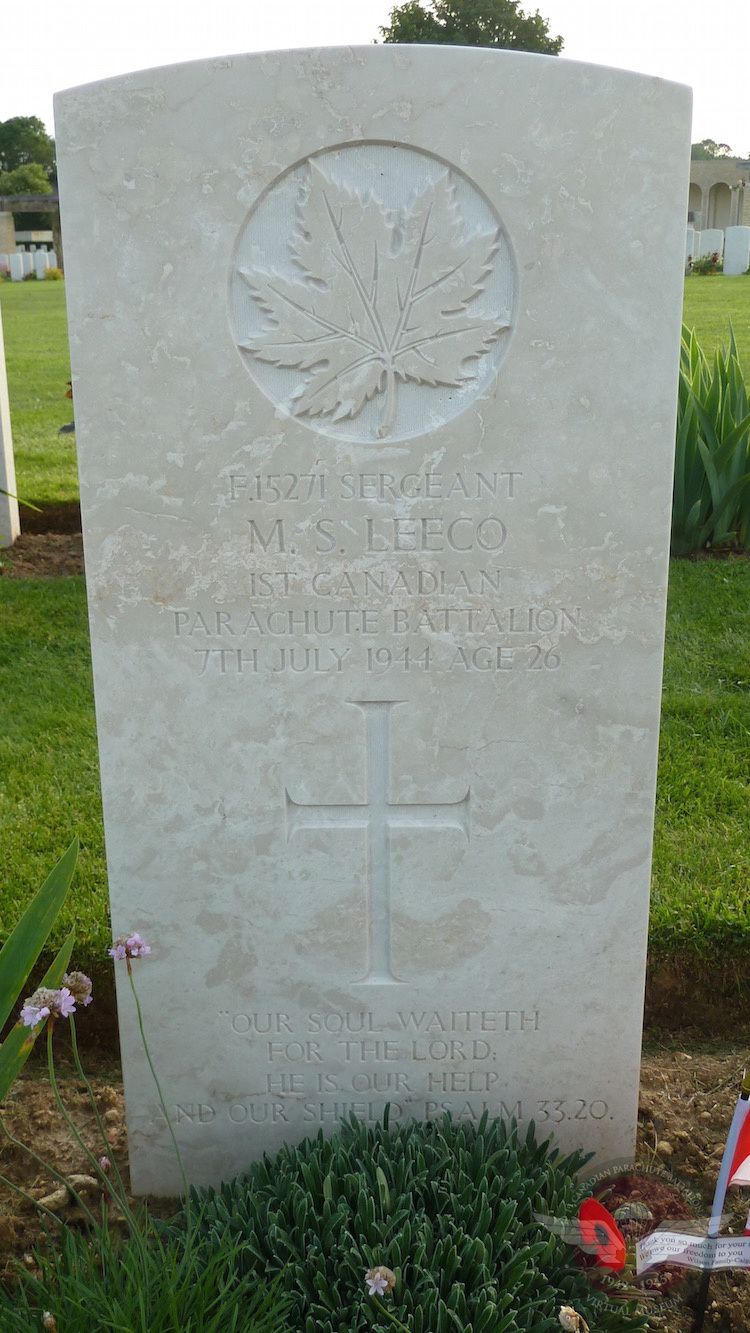
Leeco M.S.
Ranville War Cemetery
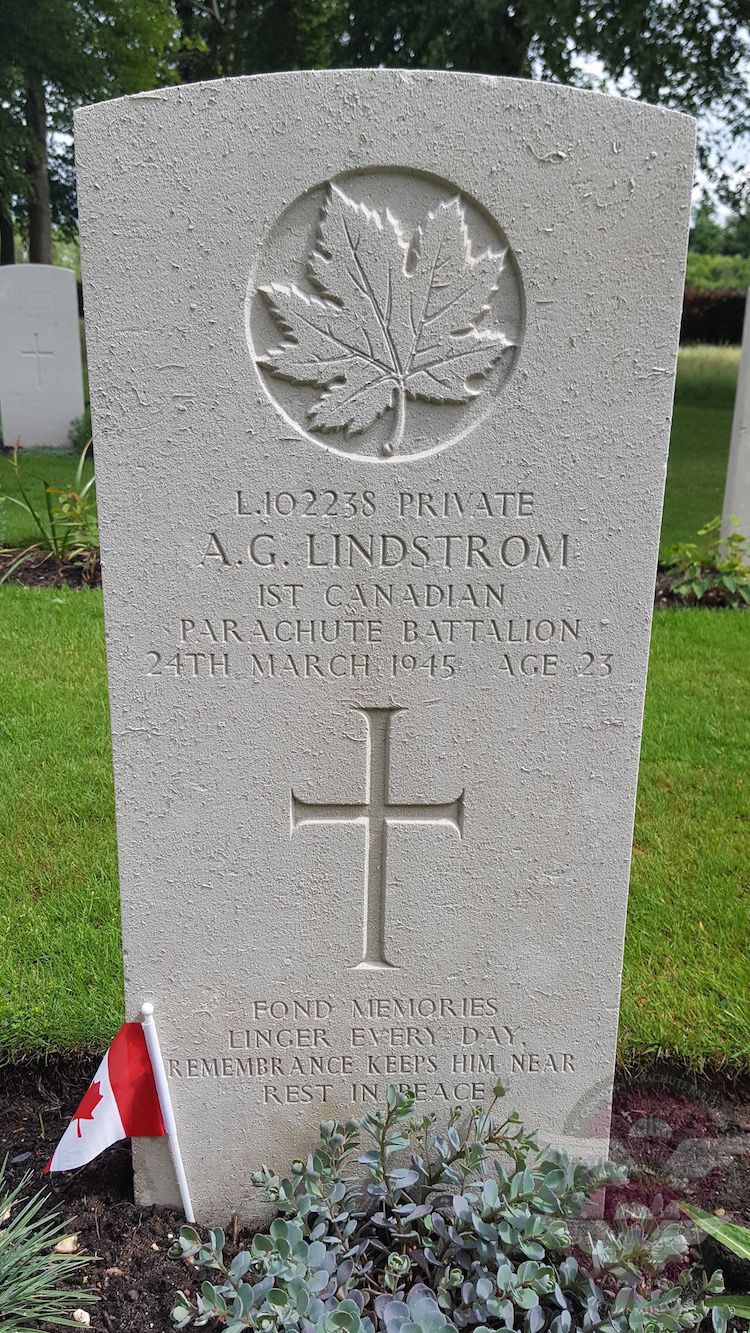
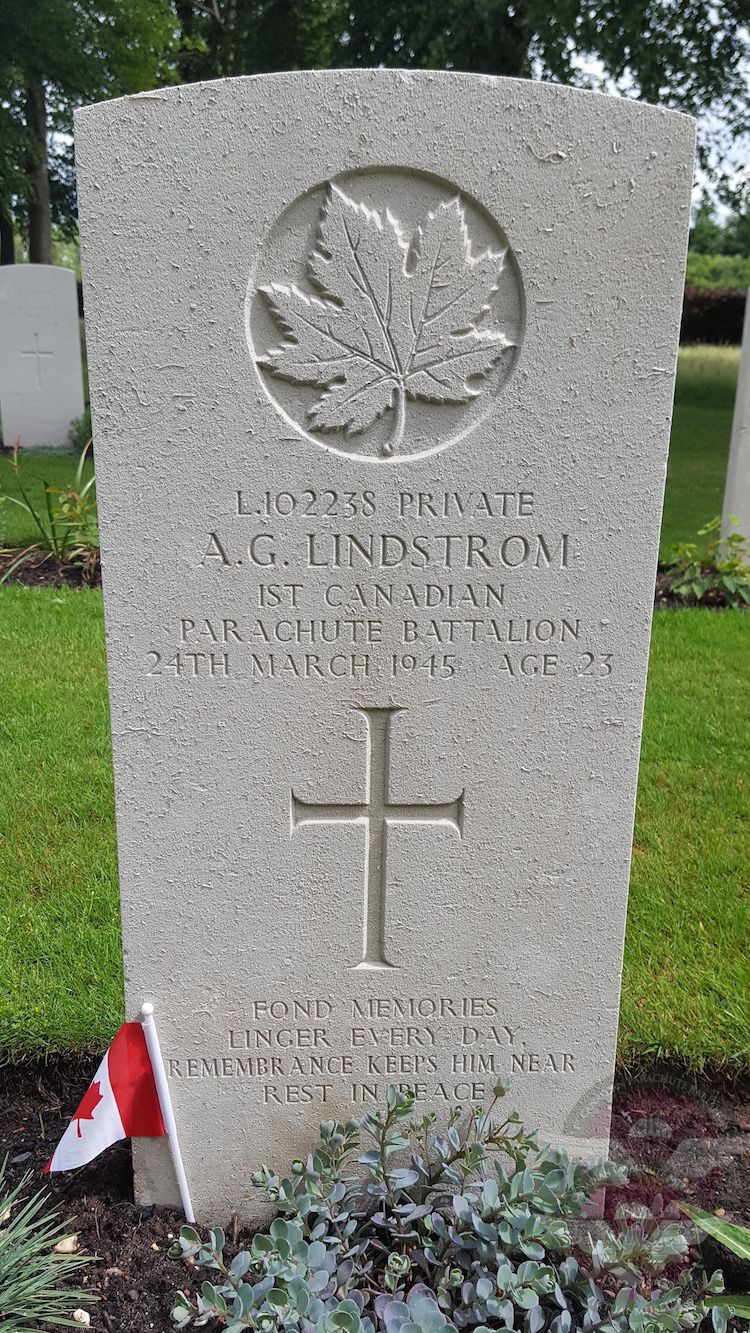
Lindstrom A.G.
Groesbeek Canadian War Cemetery
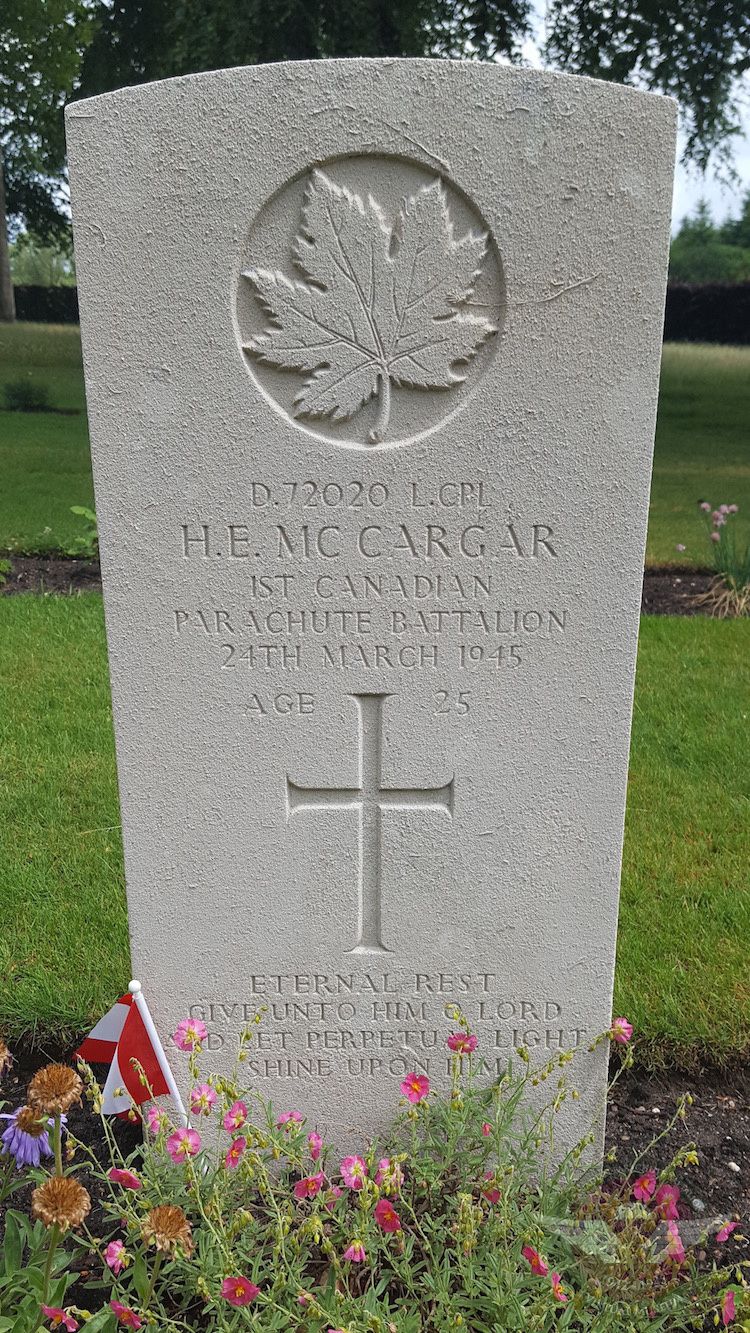
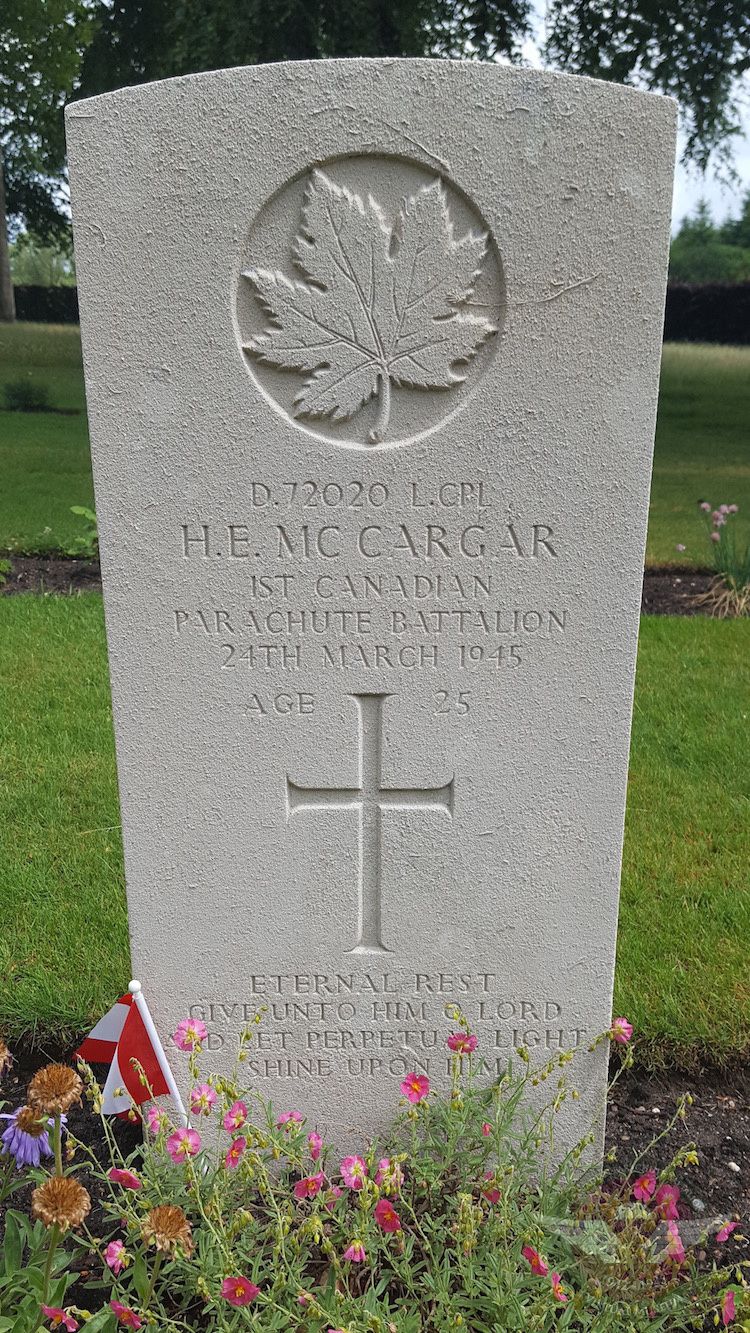
MC Gargar H.E.
Groesbeek Canadian War Cemetery
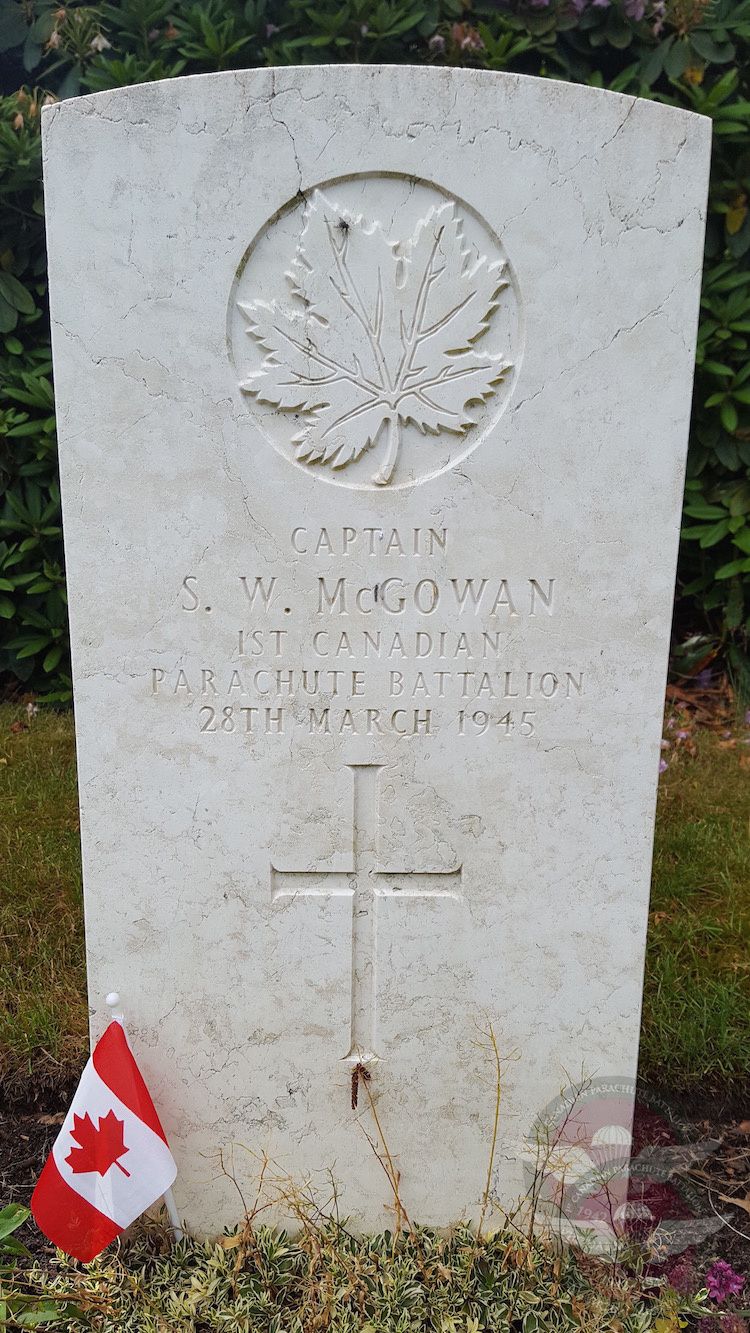
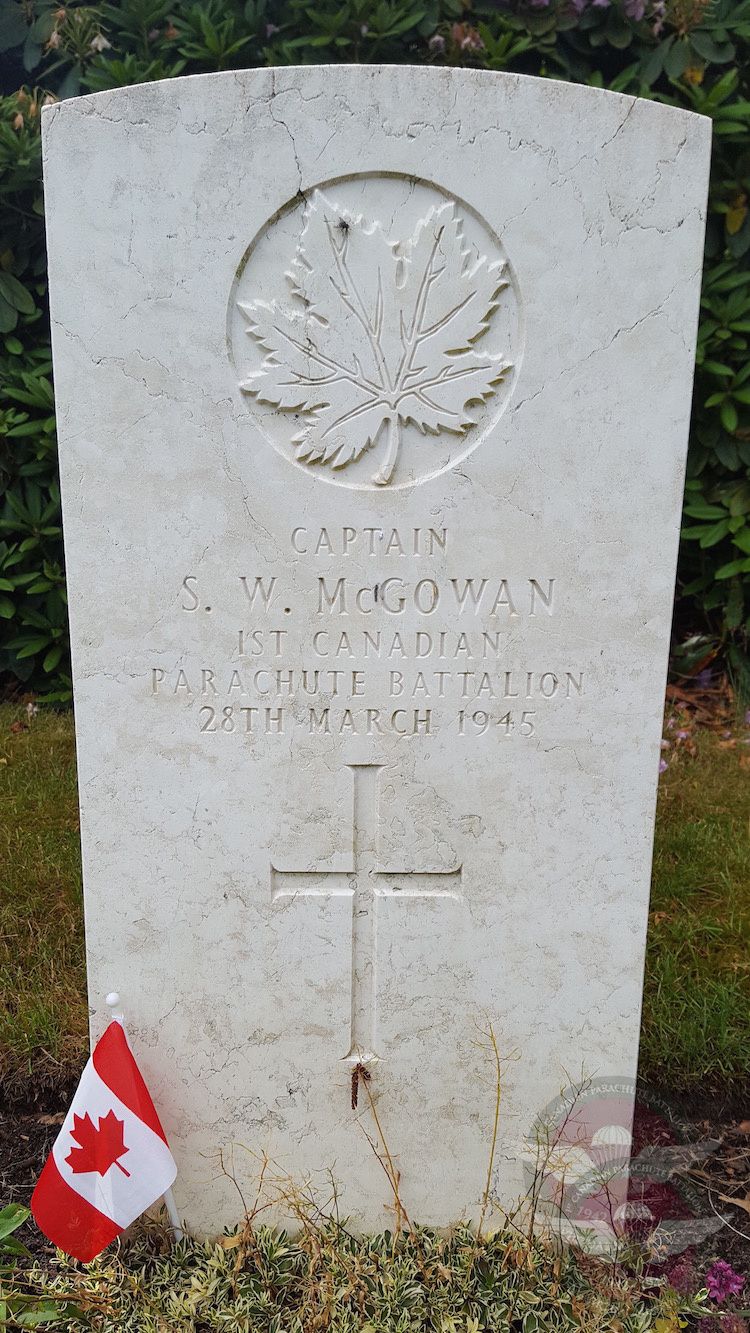
MCGowan S.W.
Holten Canadian War Cemetery
Mc INNIS A.J
Bayeux Memorial
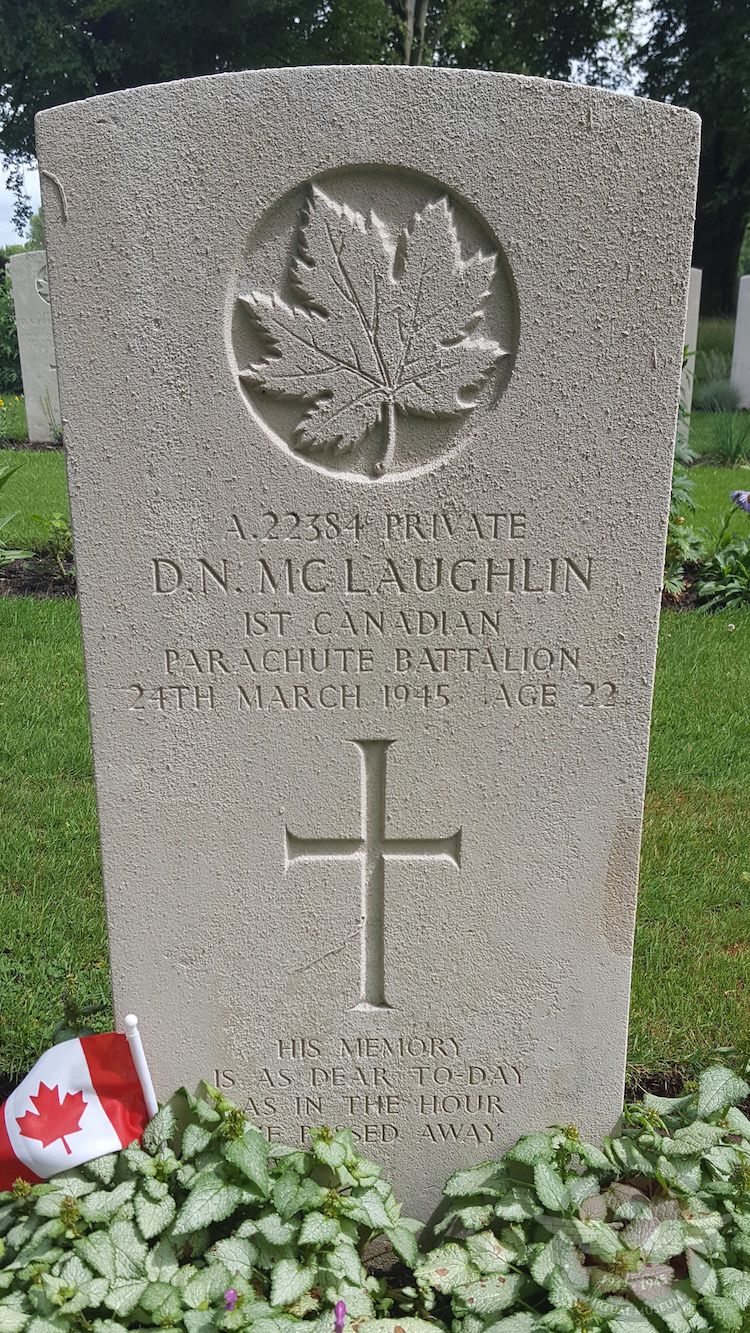
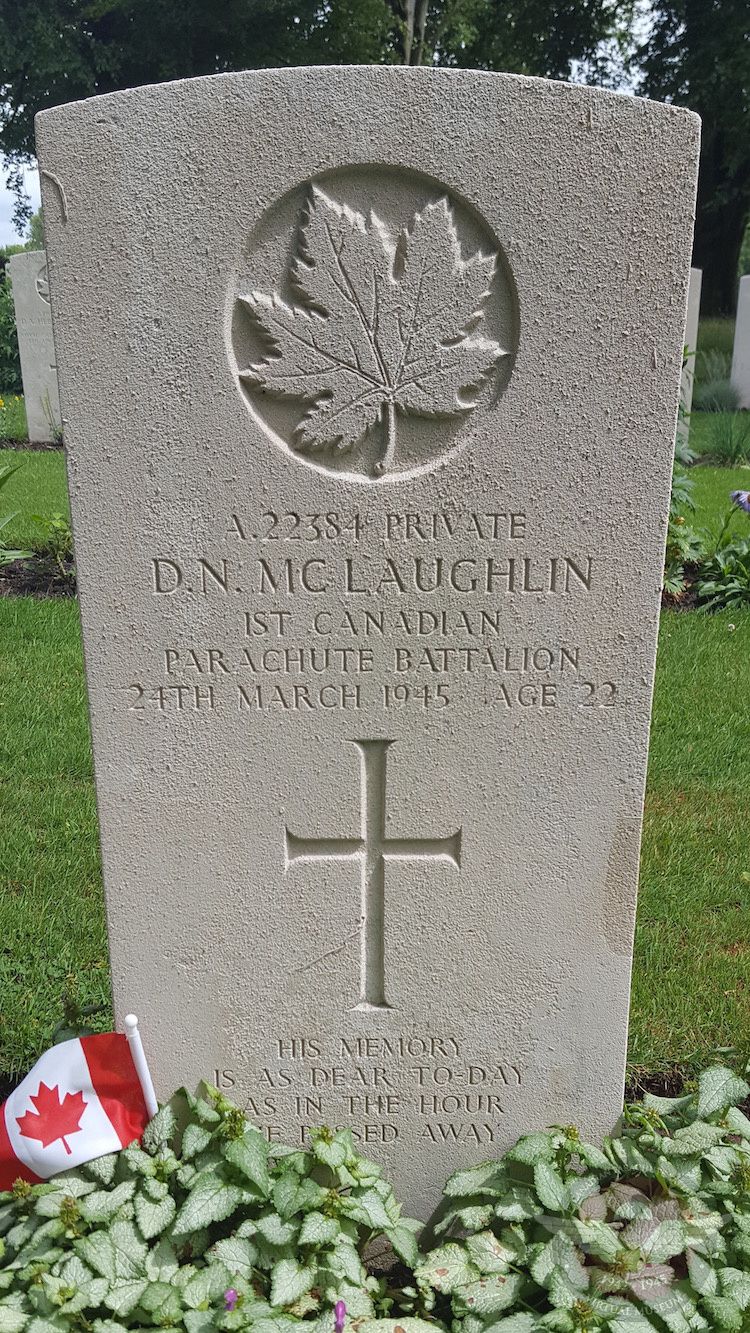
MC Laughlin D.N.
Groesbeek Canadian War Cemetery
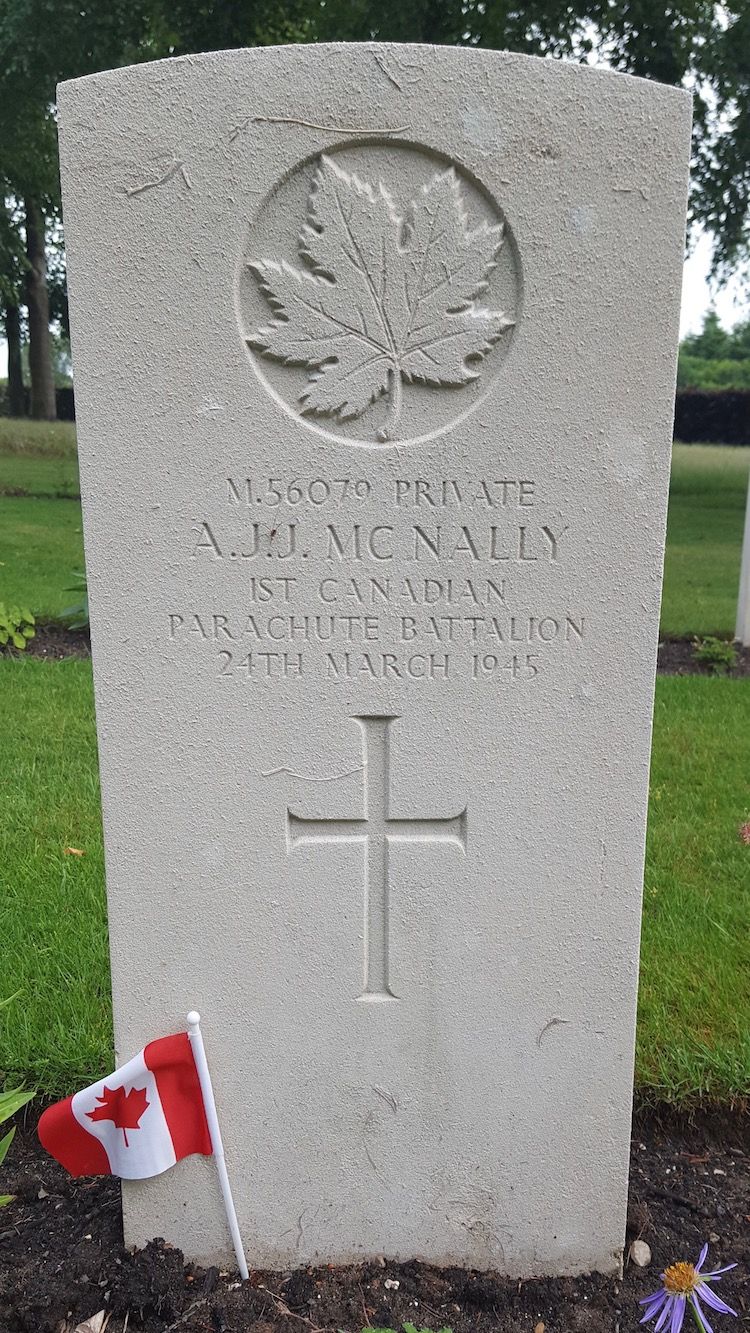
MC Nally A.J.J.
Groesbeek Canadian War Cemetery
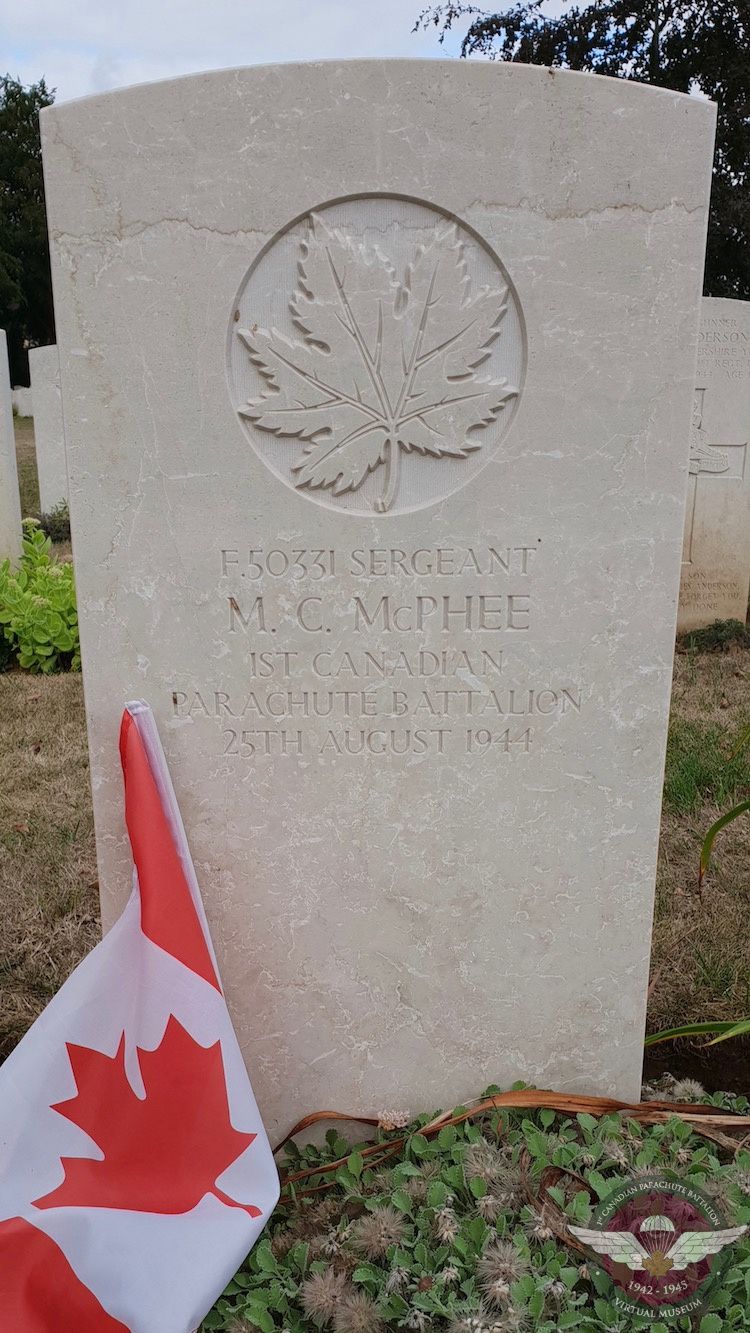
McPHEE M.C
Ranville War Cemetery
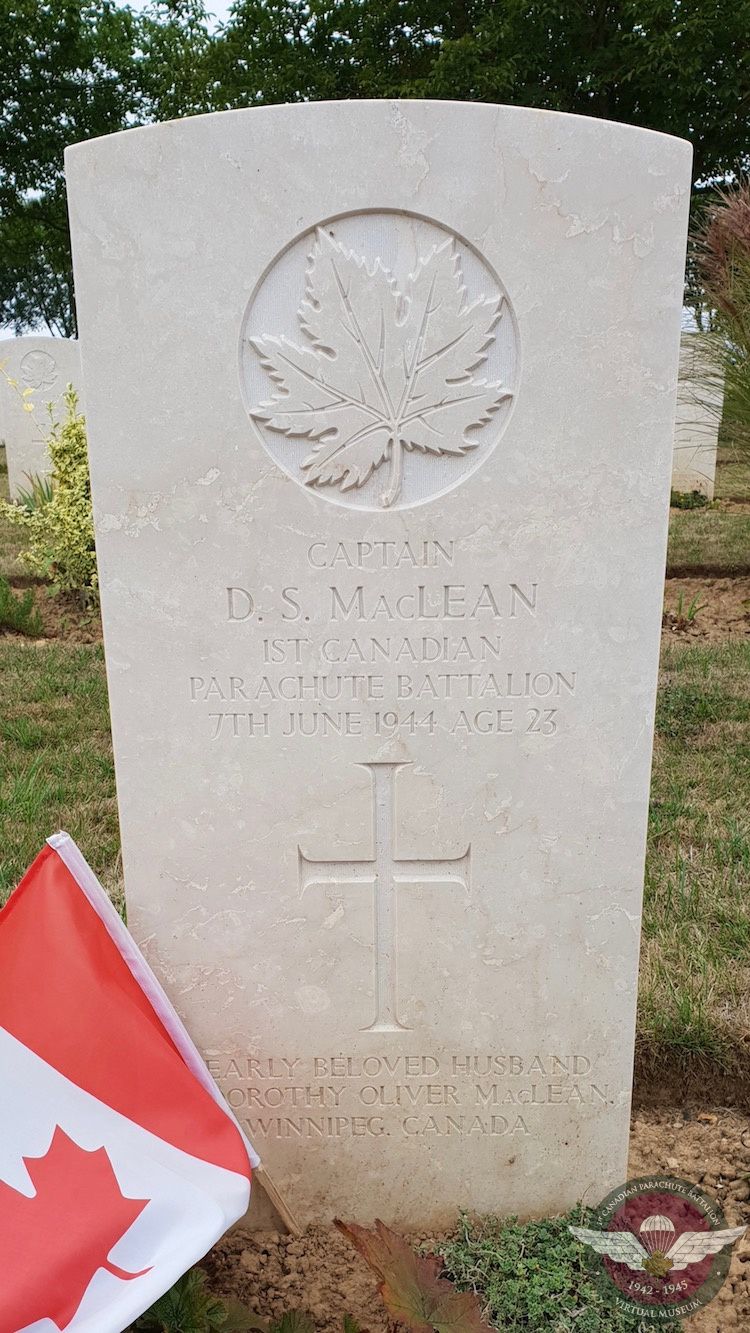
Mac LEAN D.S
Bretteville-Sur-Laize Canadian War Cemetery
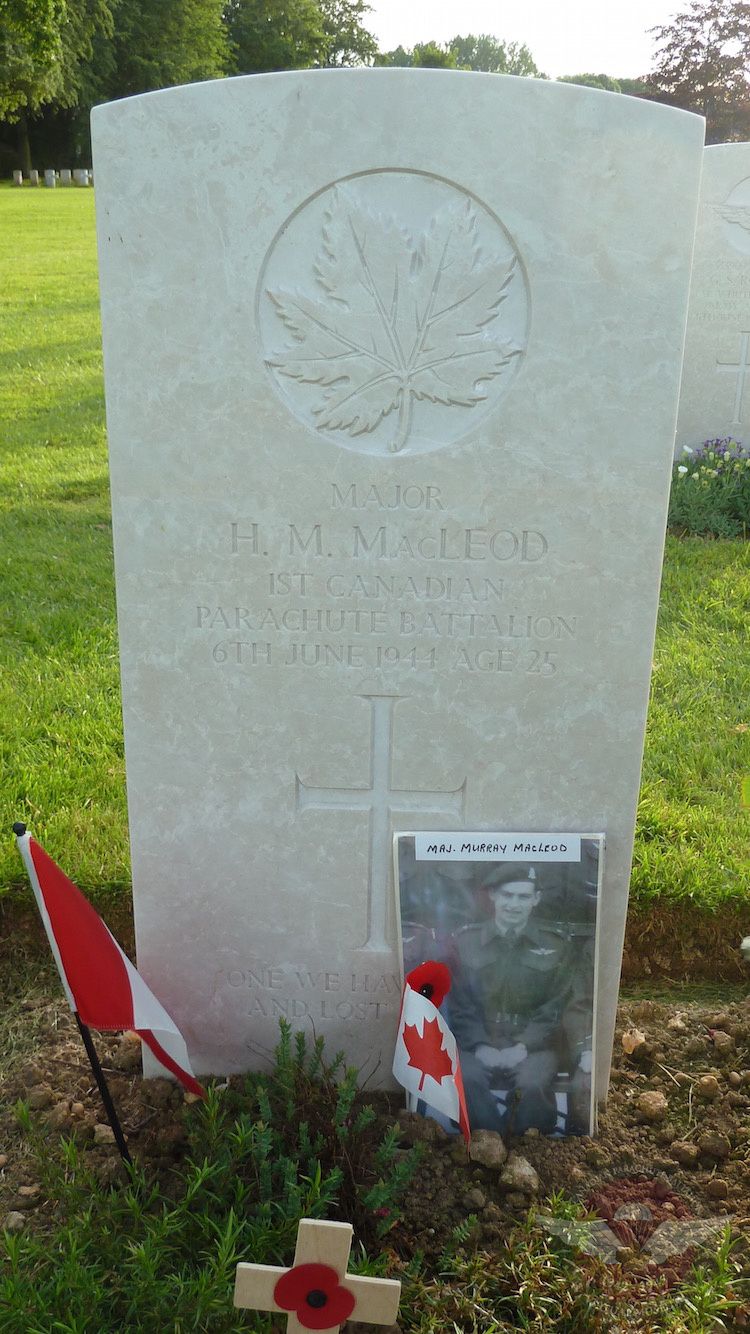
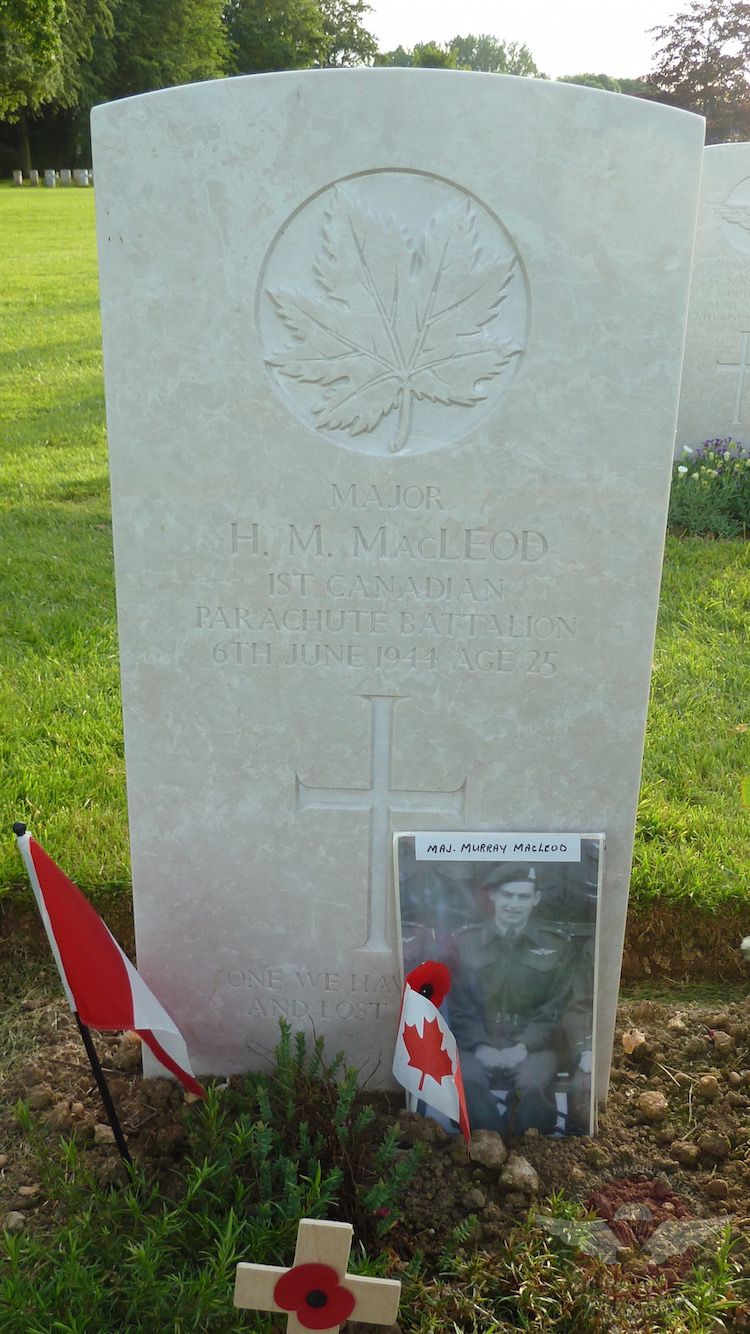
MacLeod H.M.
Ranville War Cemetery
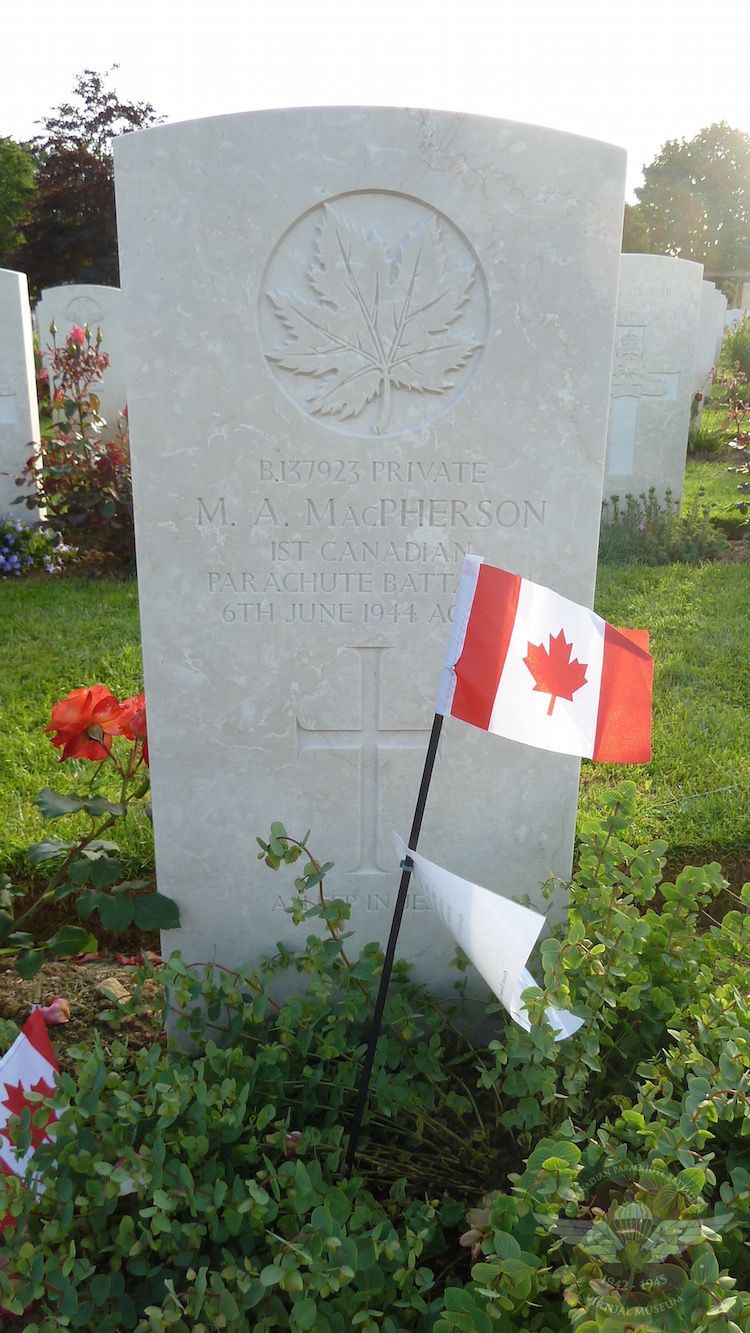
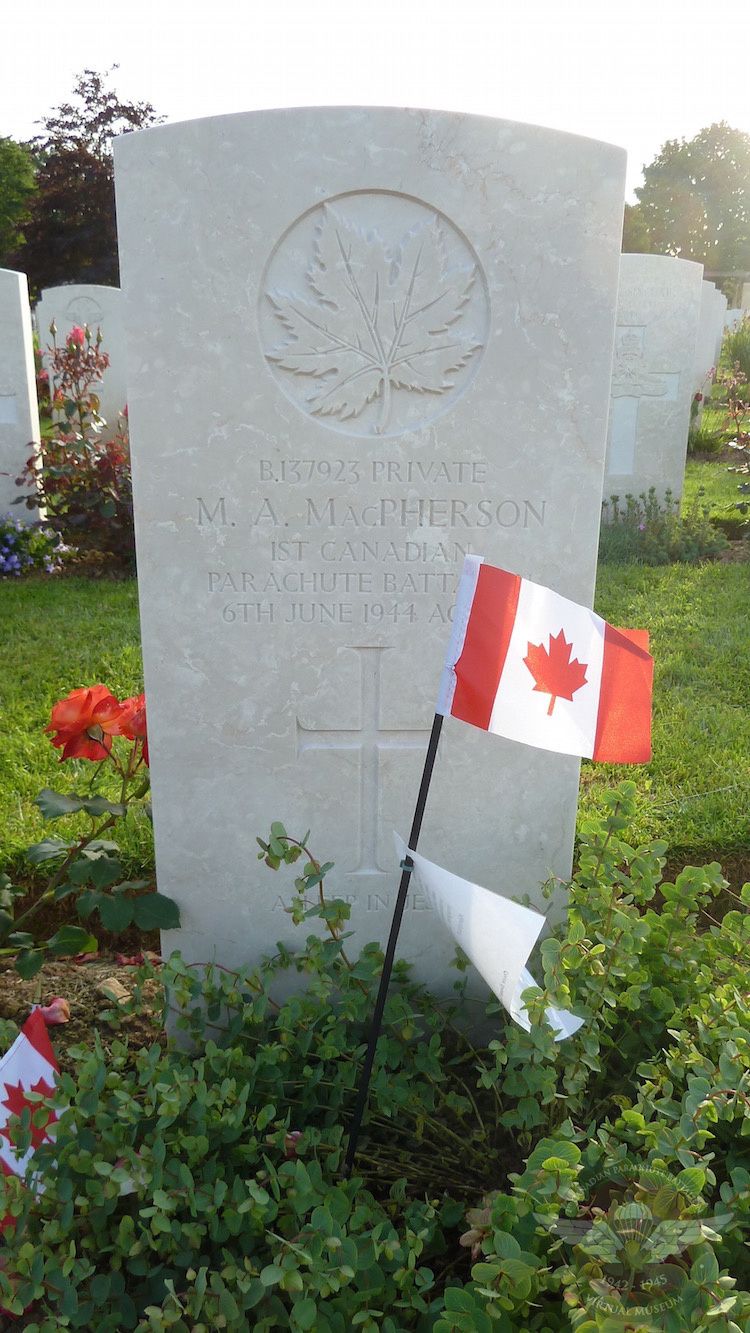
MacPherson M.A.
Ranville War Cemetery
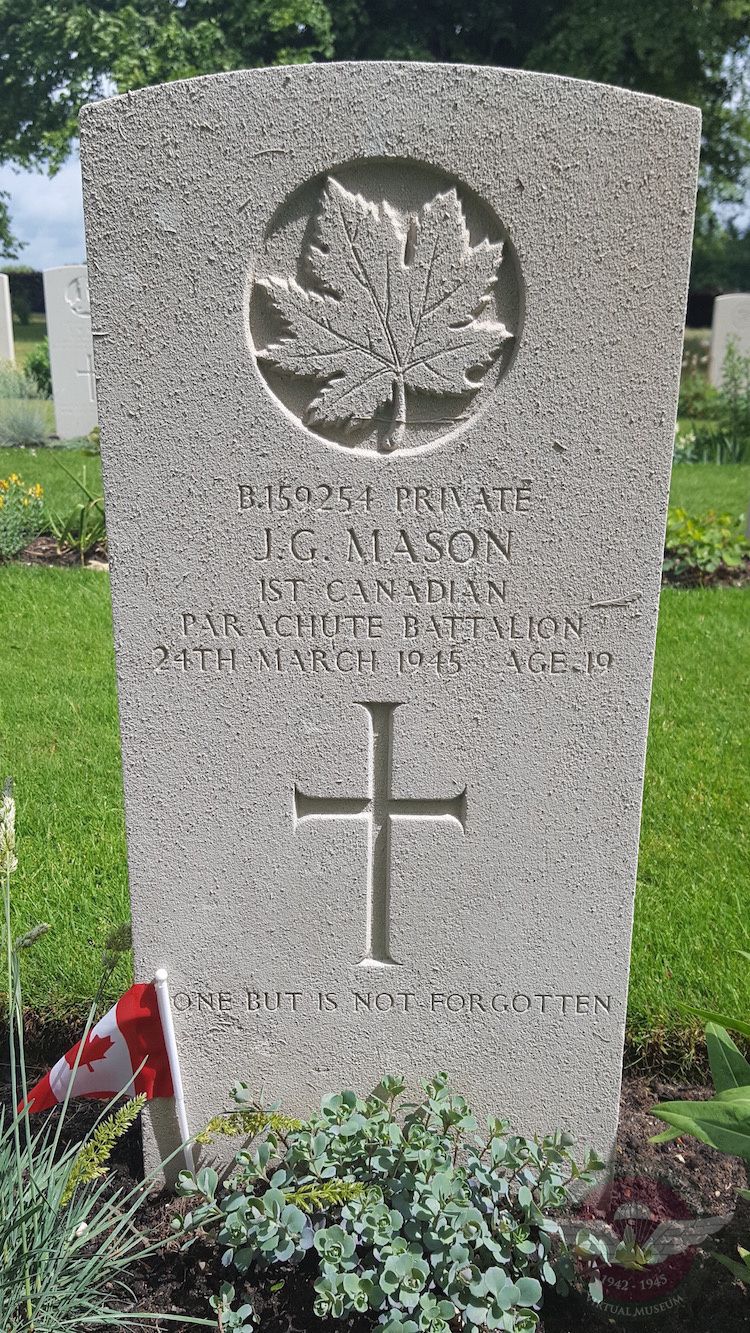
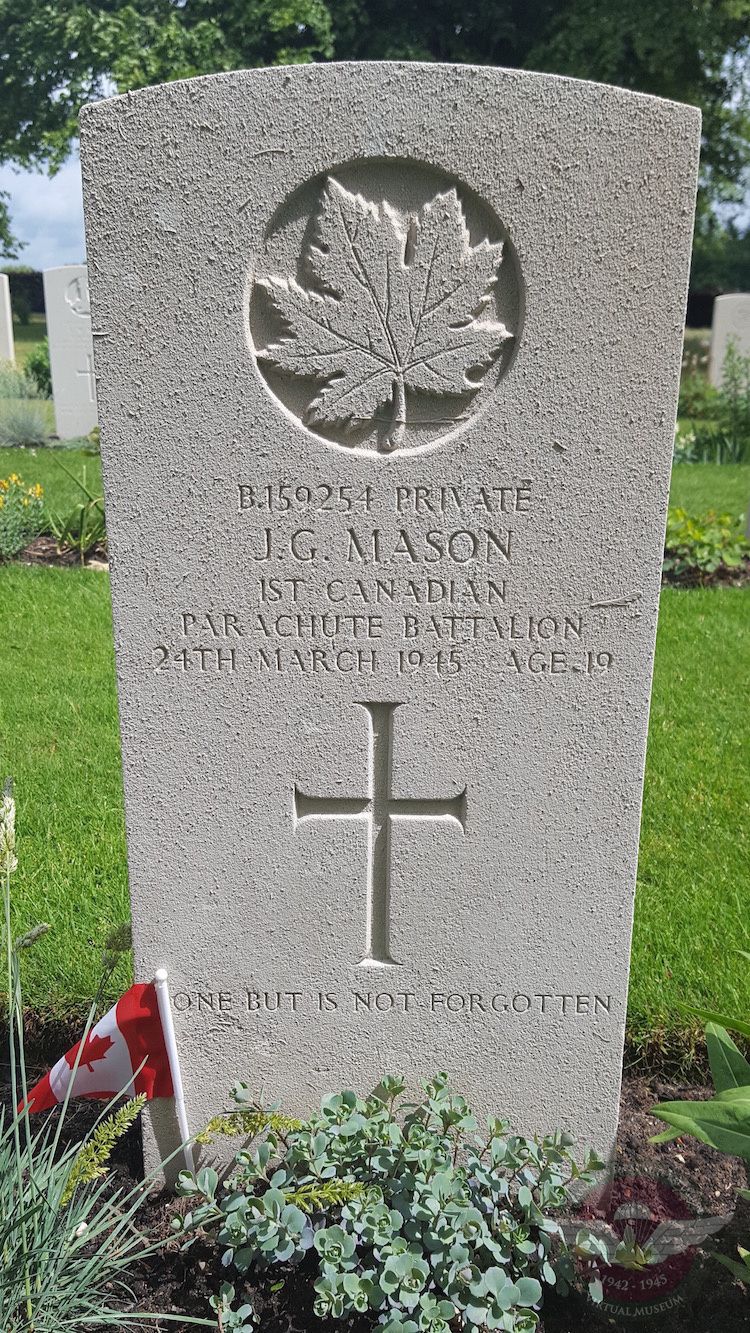
Mason J.G.
Groesbeek Canadian War Cemetery
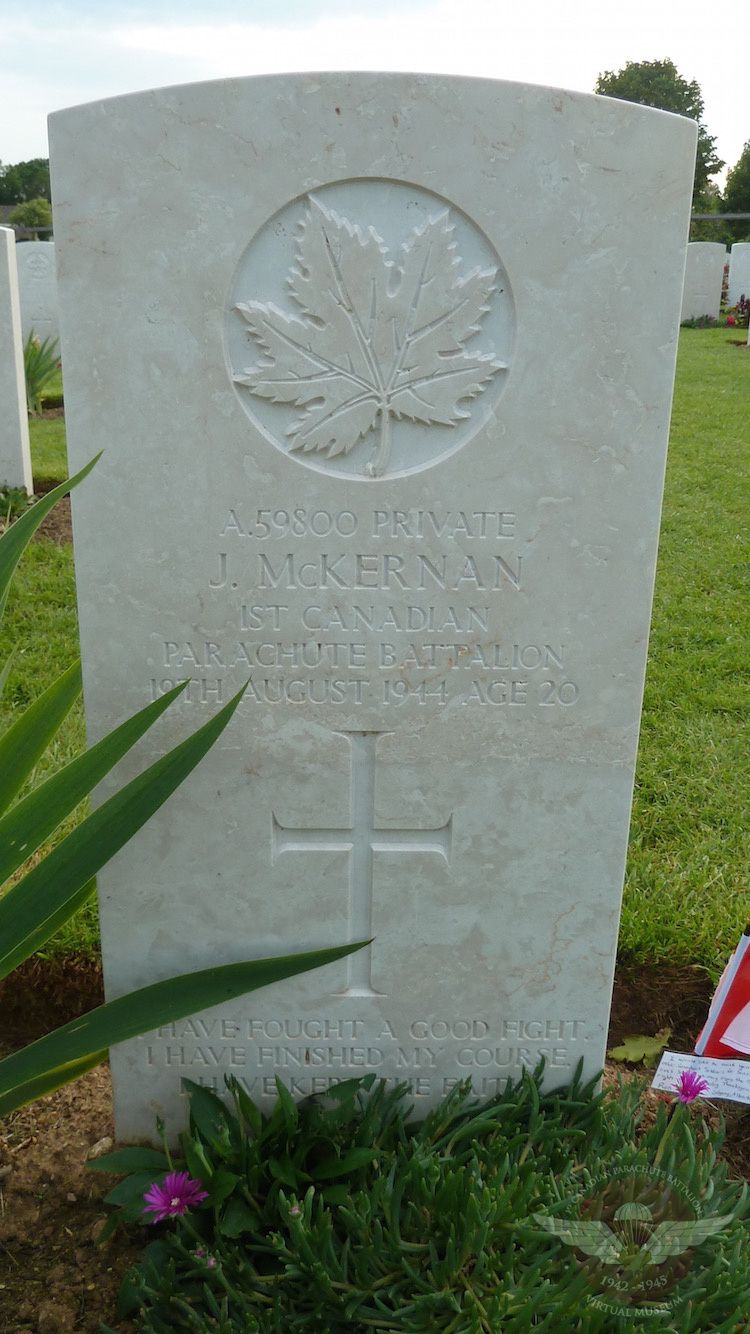
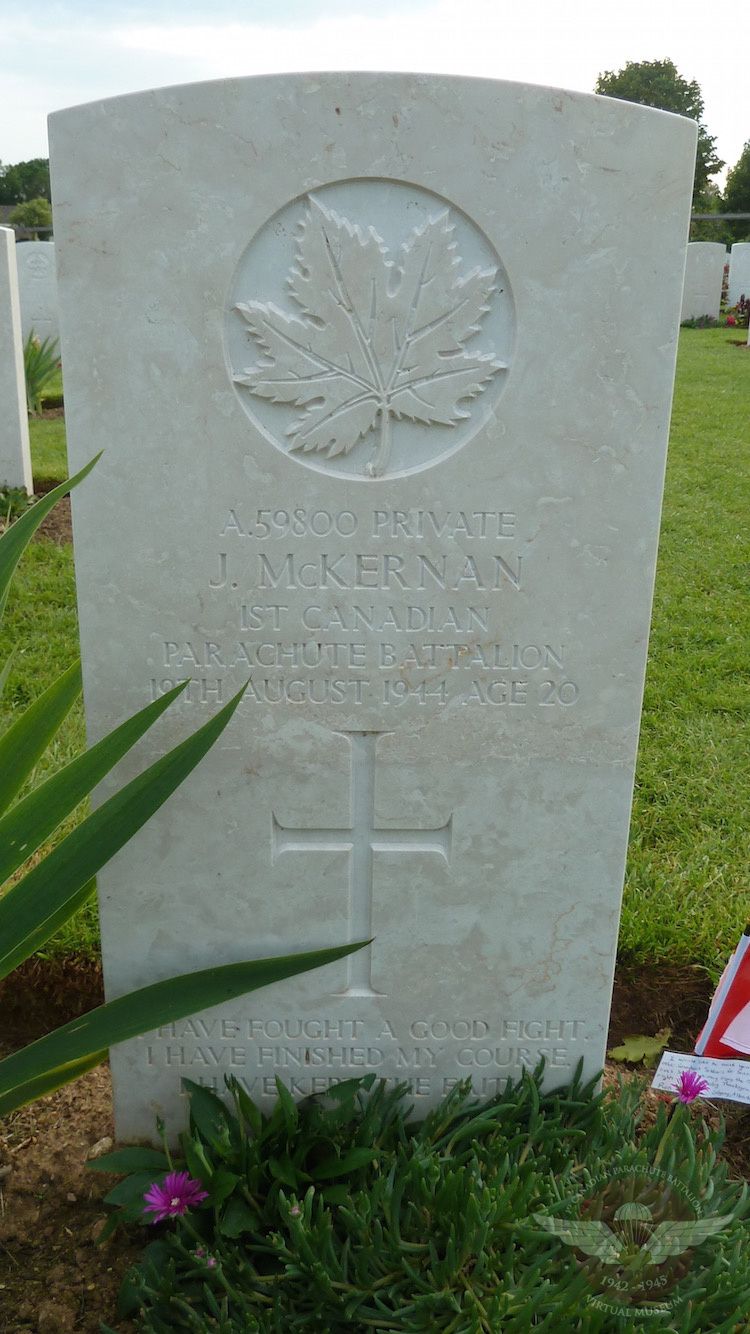
McKernan J.
Ranville War Cemetery
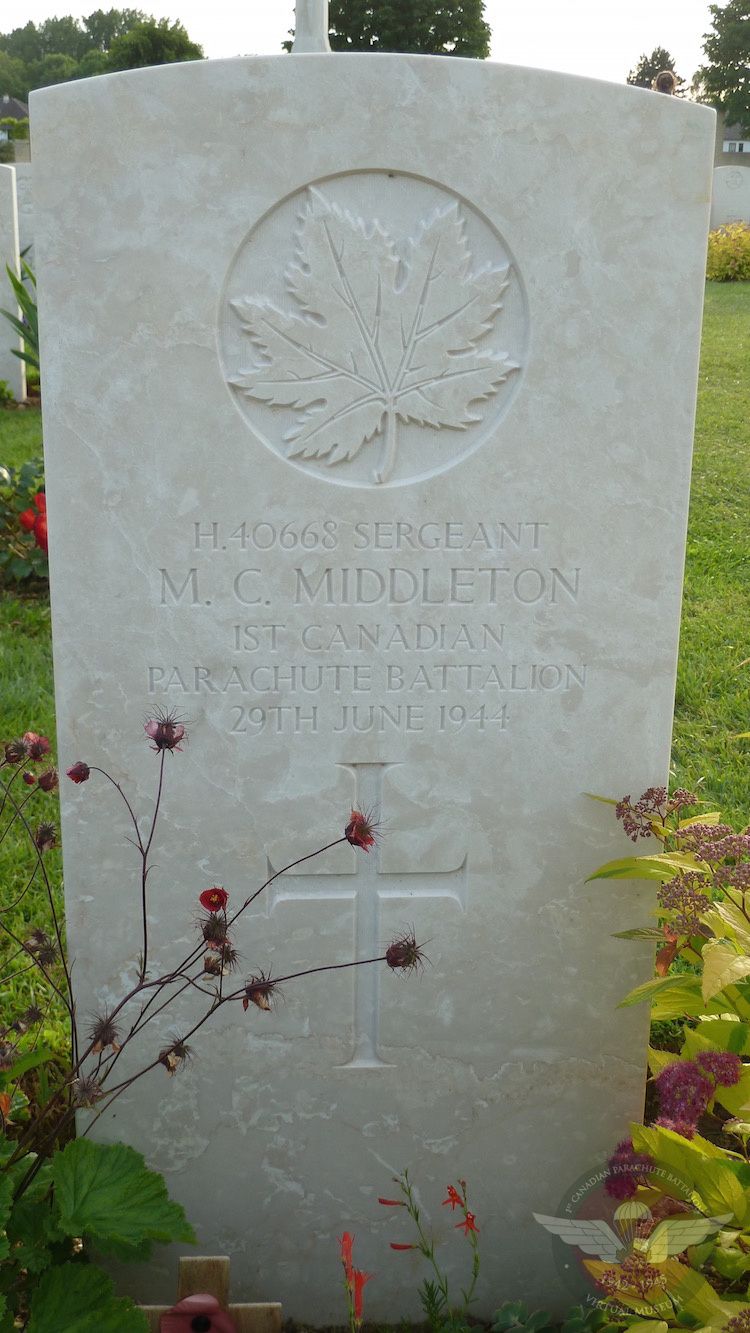
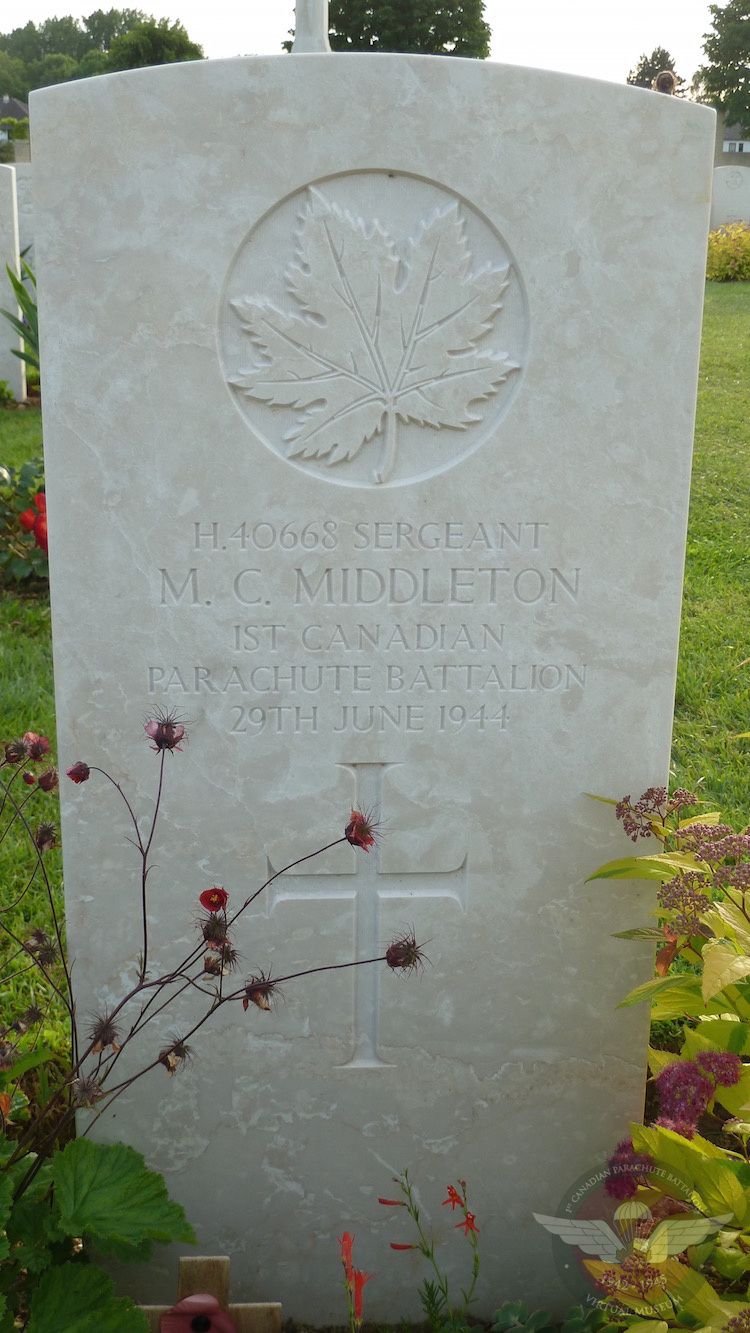
Middleton M.C.
Ranville War Cemetery
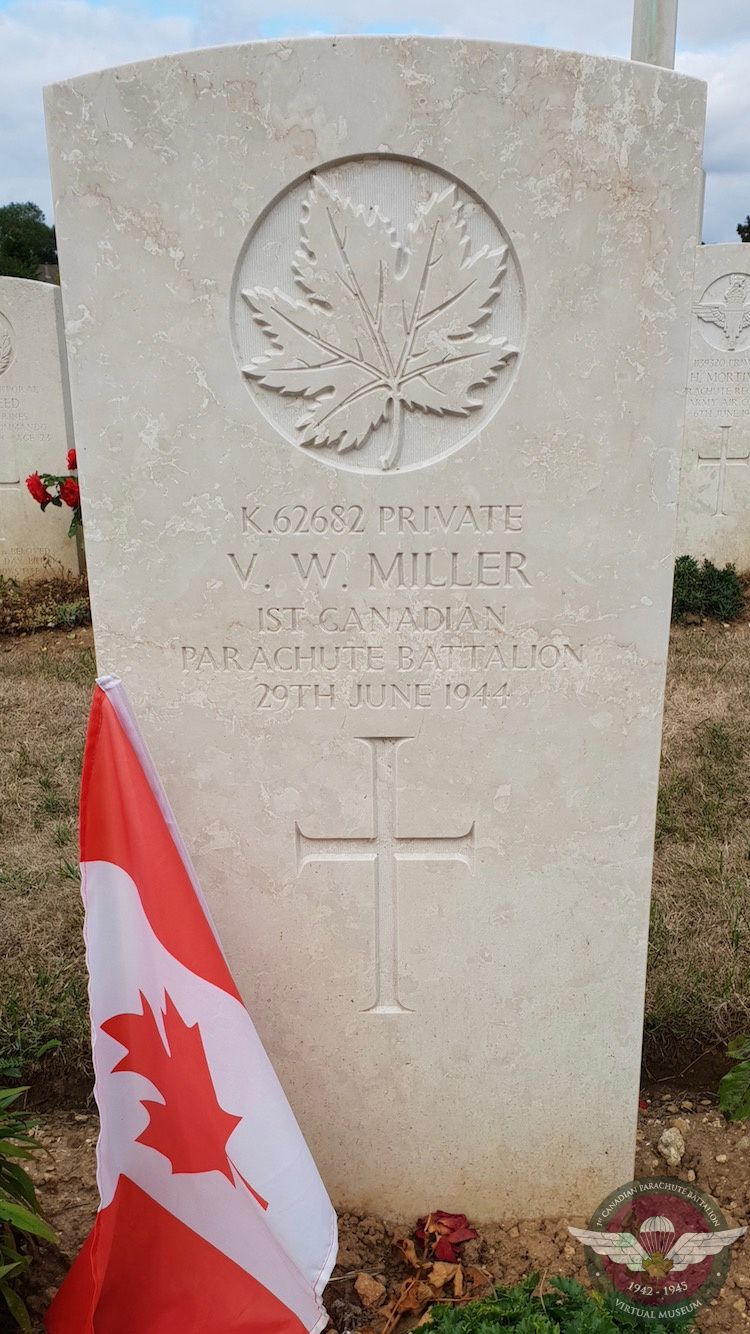
MILLER V.W
Ranville War Cemetery
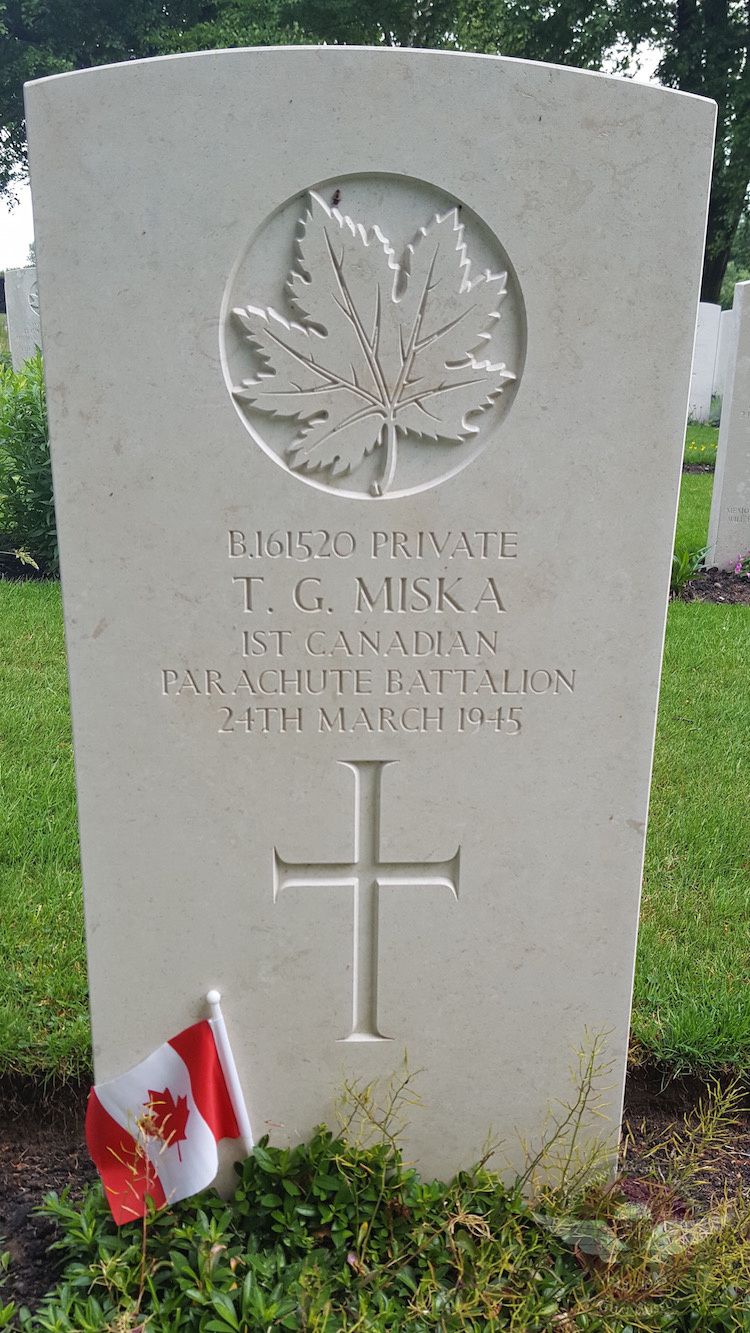
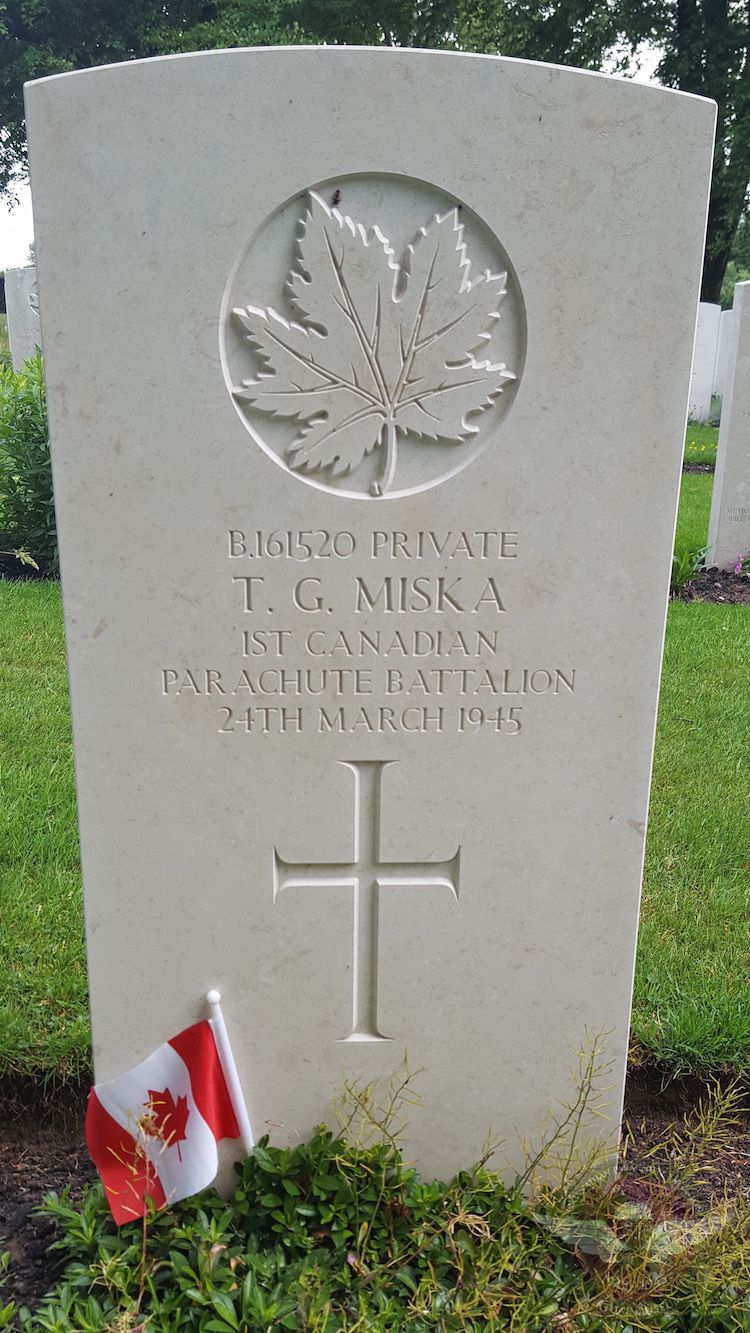
Miska T.G.
Groesbeek Canadian War Cemetery
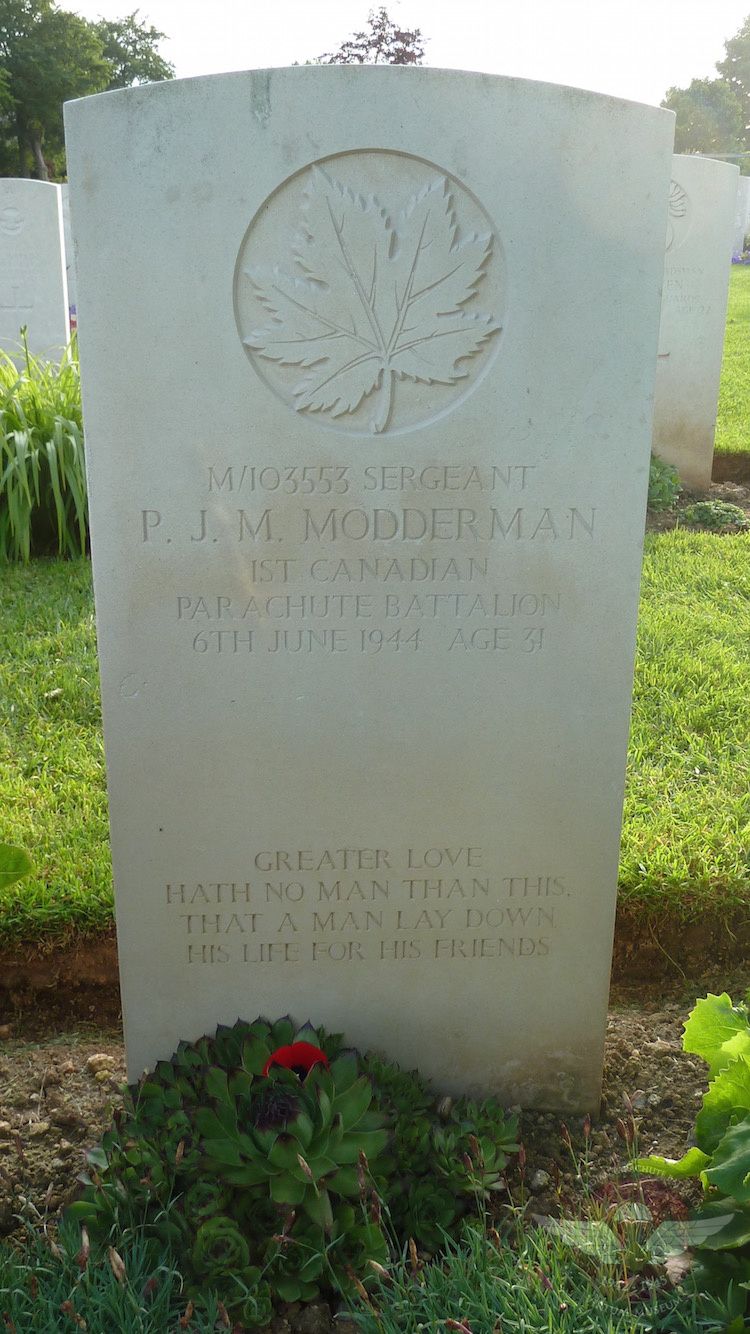
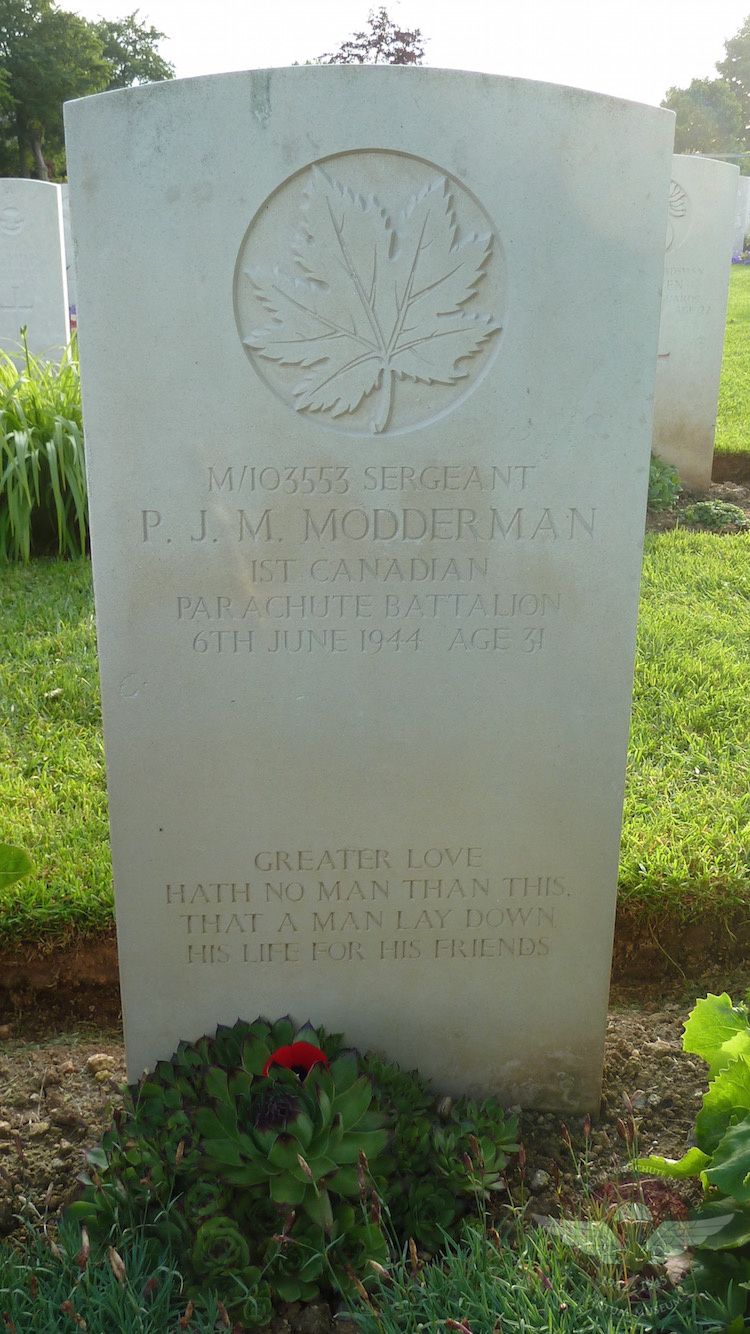
Modderman P.J.M.
Ranville War Cemetery
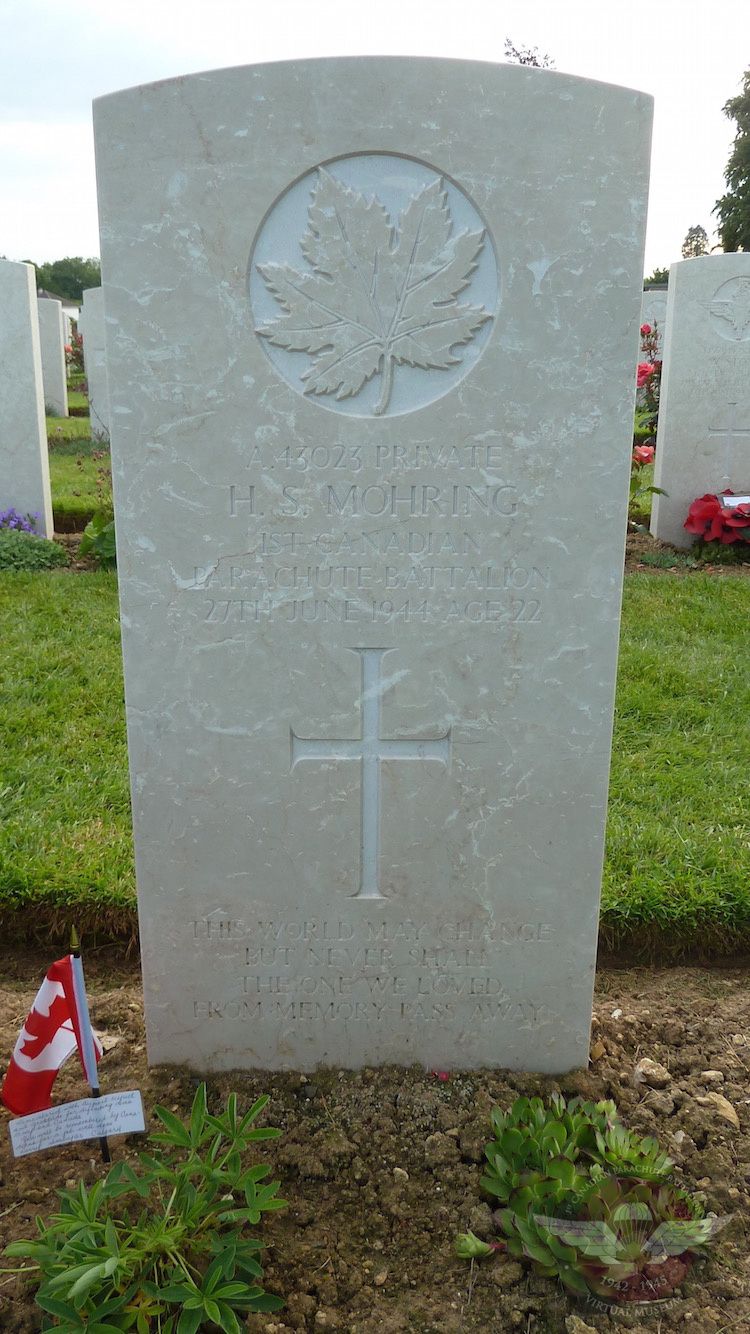
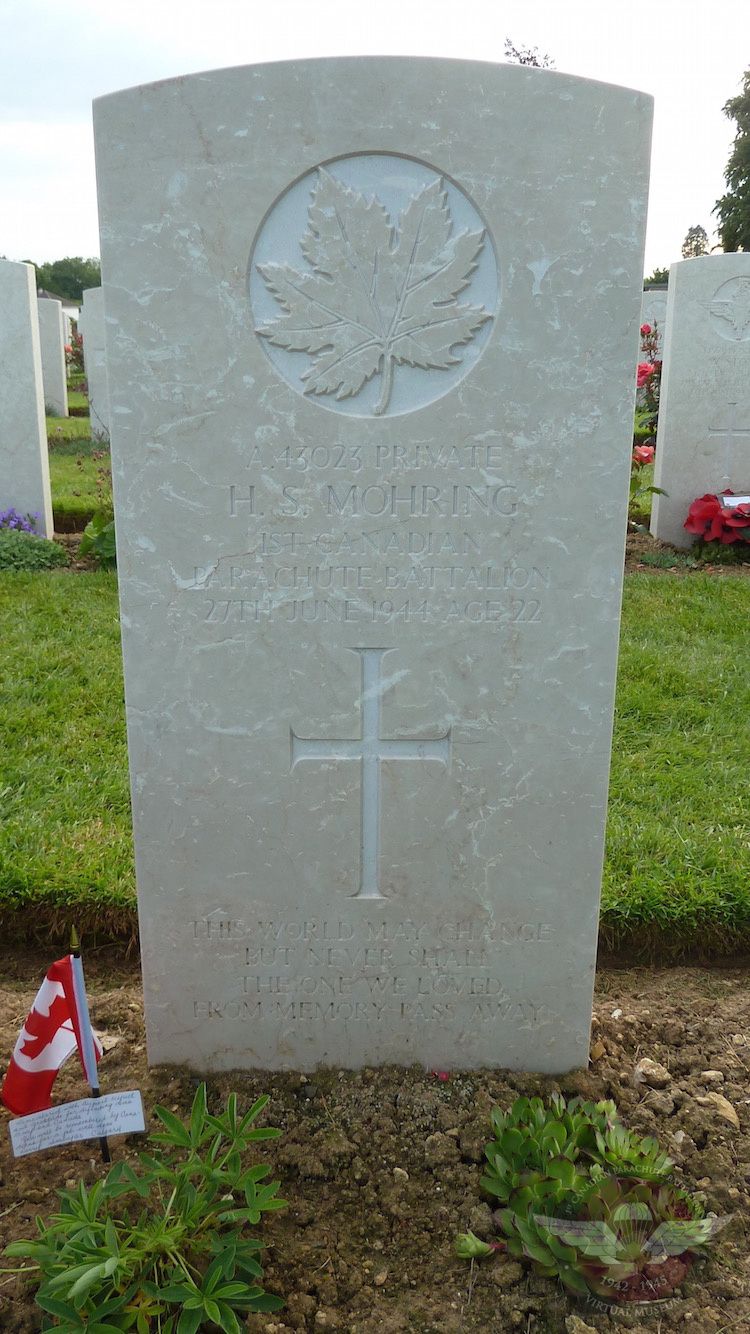
Mohring H.S.
Ranville War Cemetery
NEUFELD L.A
Bayeux Memorial
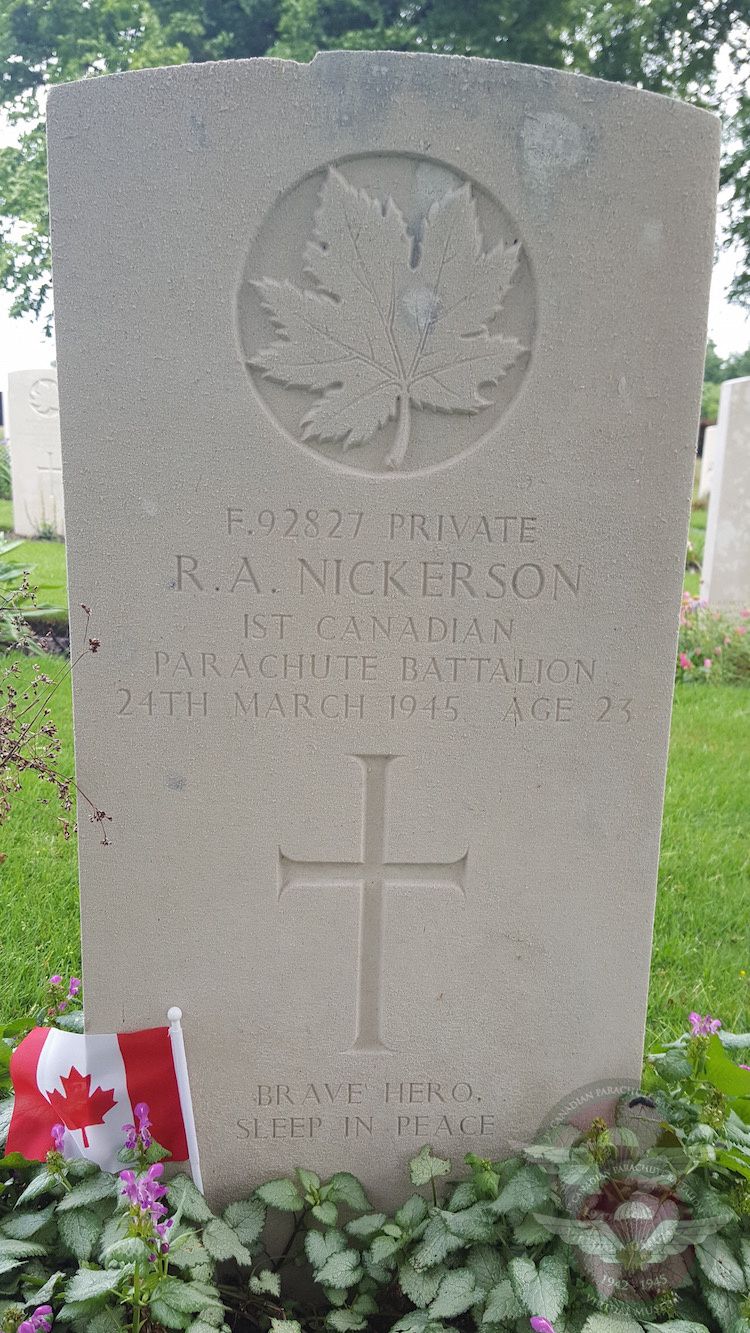
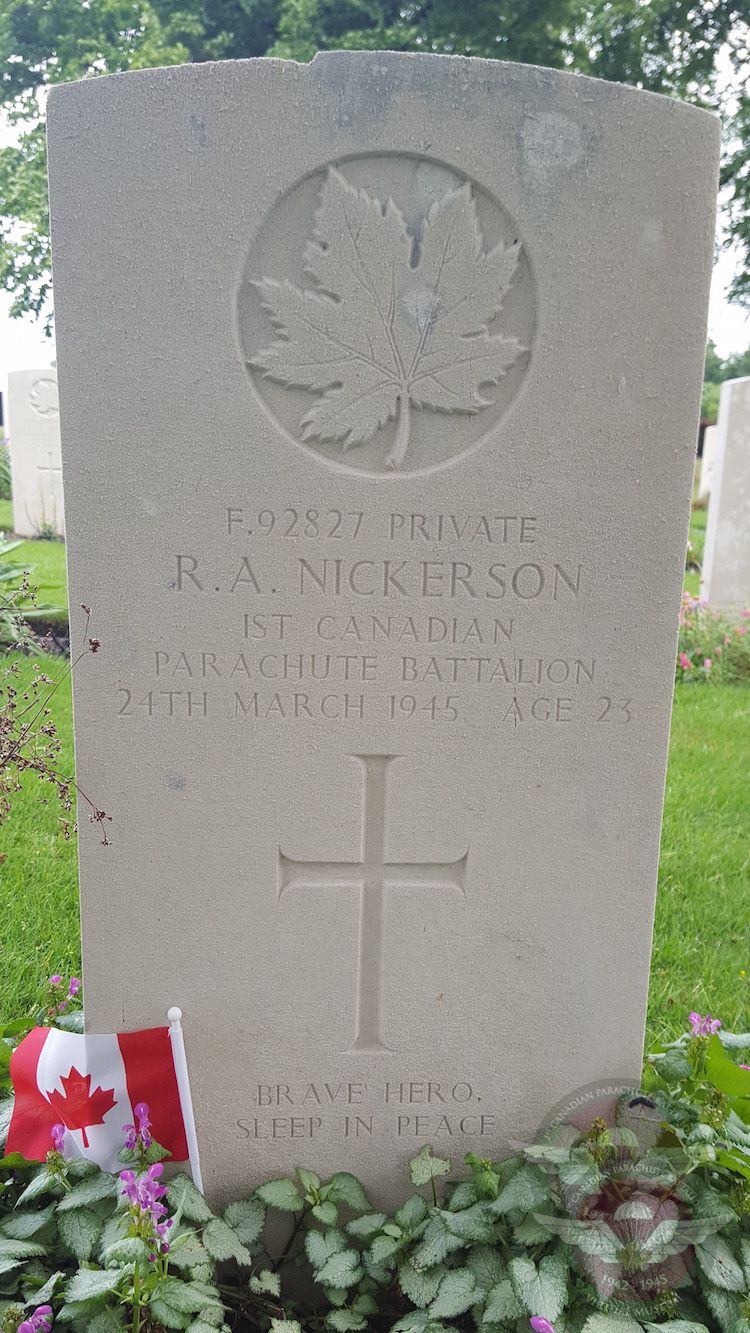
Nickerson R.A.
Groesbeek Canadian War Cemetery
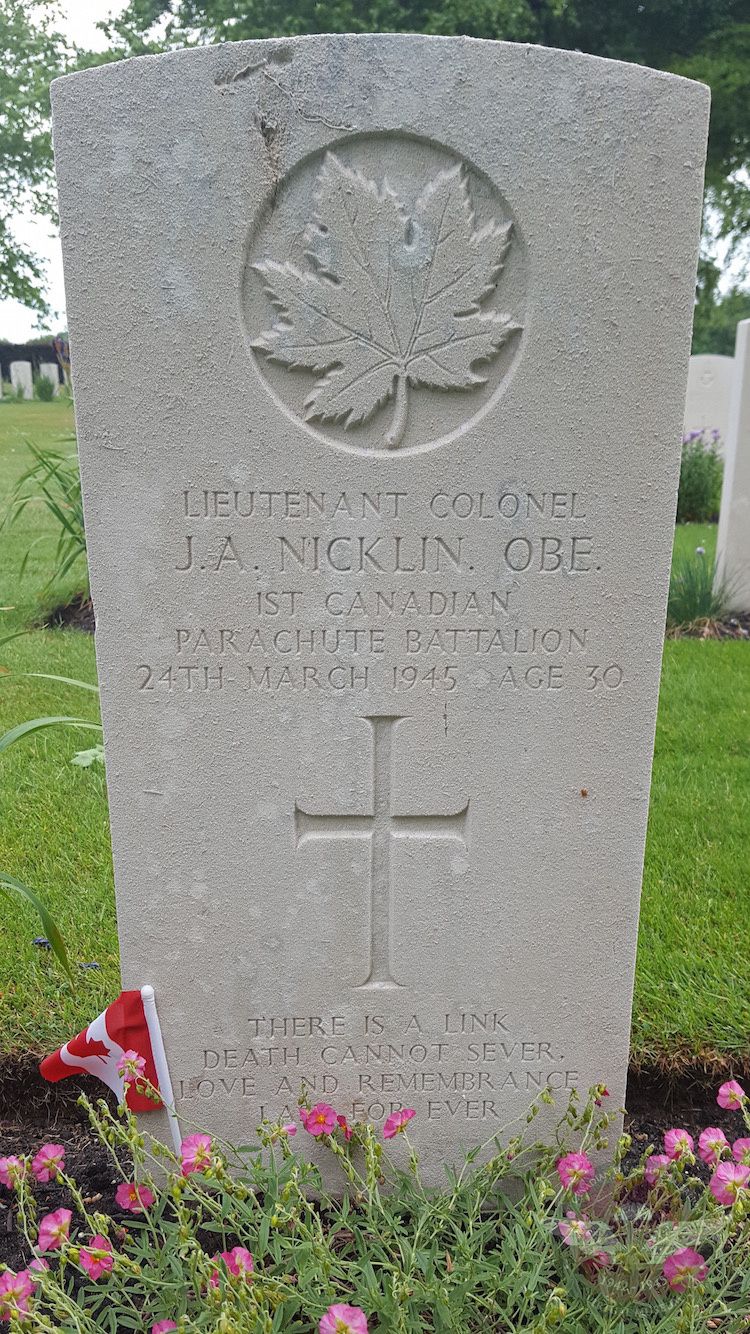
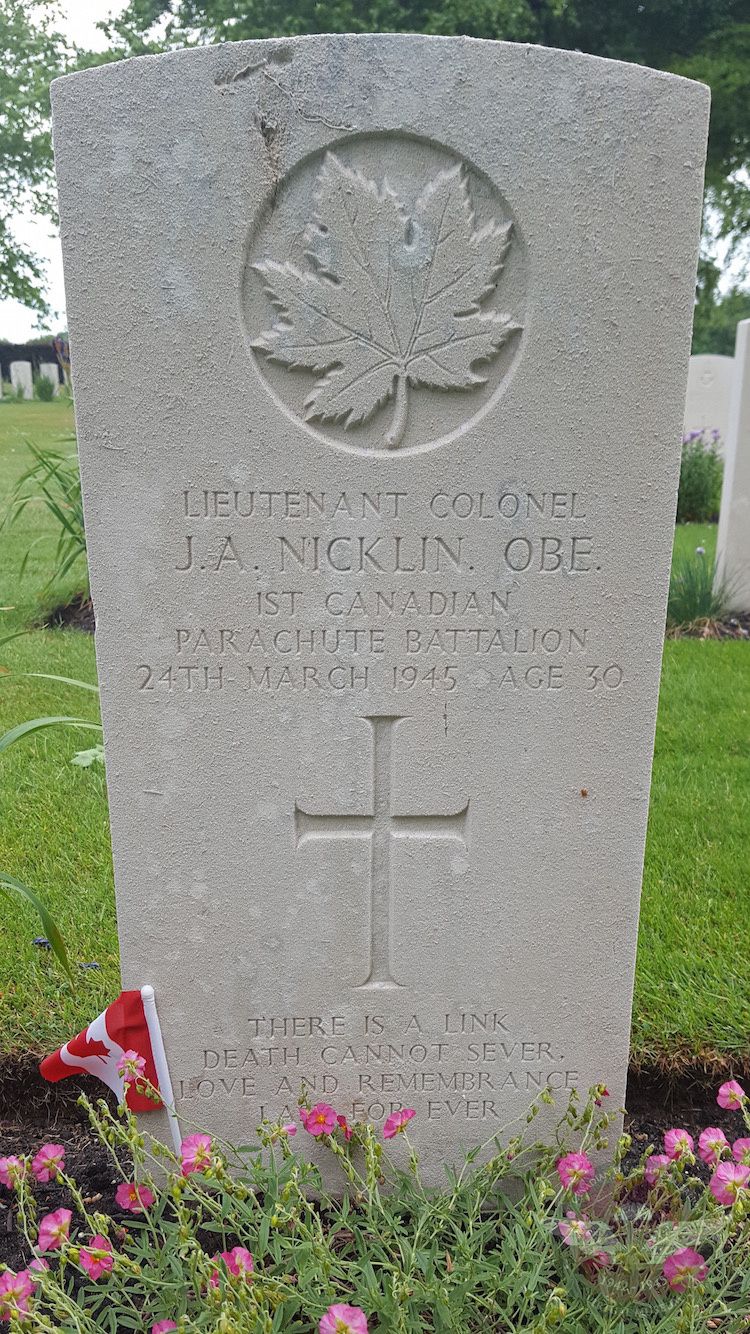
Nicklin J.A.
Groesbeek Canadian War Cemetery
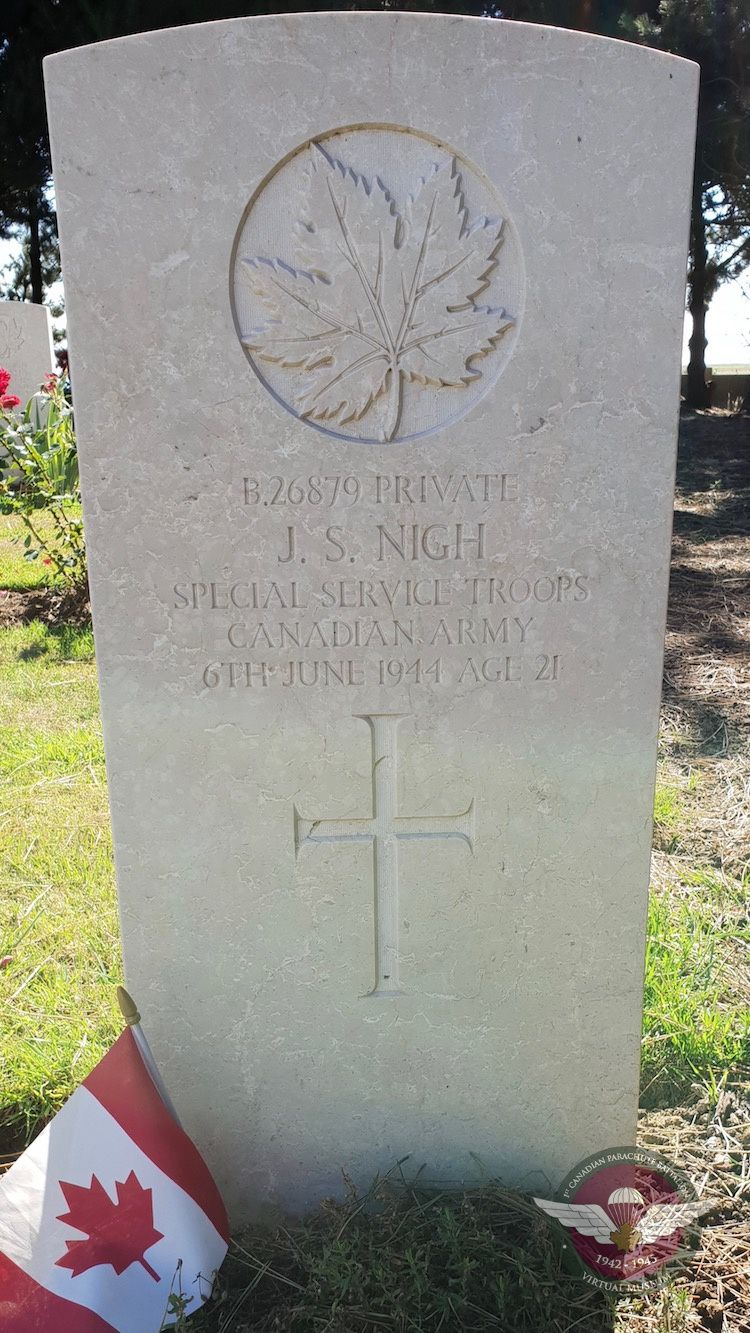
NIGH J.S
Calais Canadian War Cemetery, Leubringhen
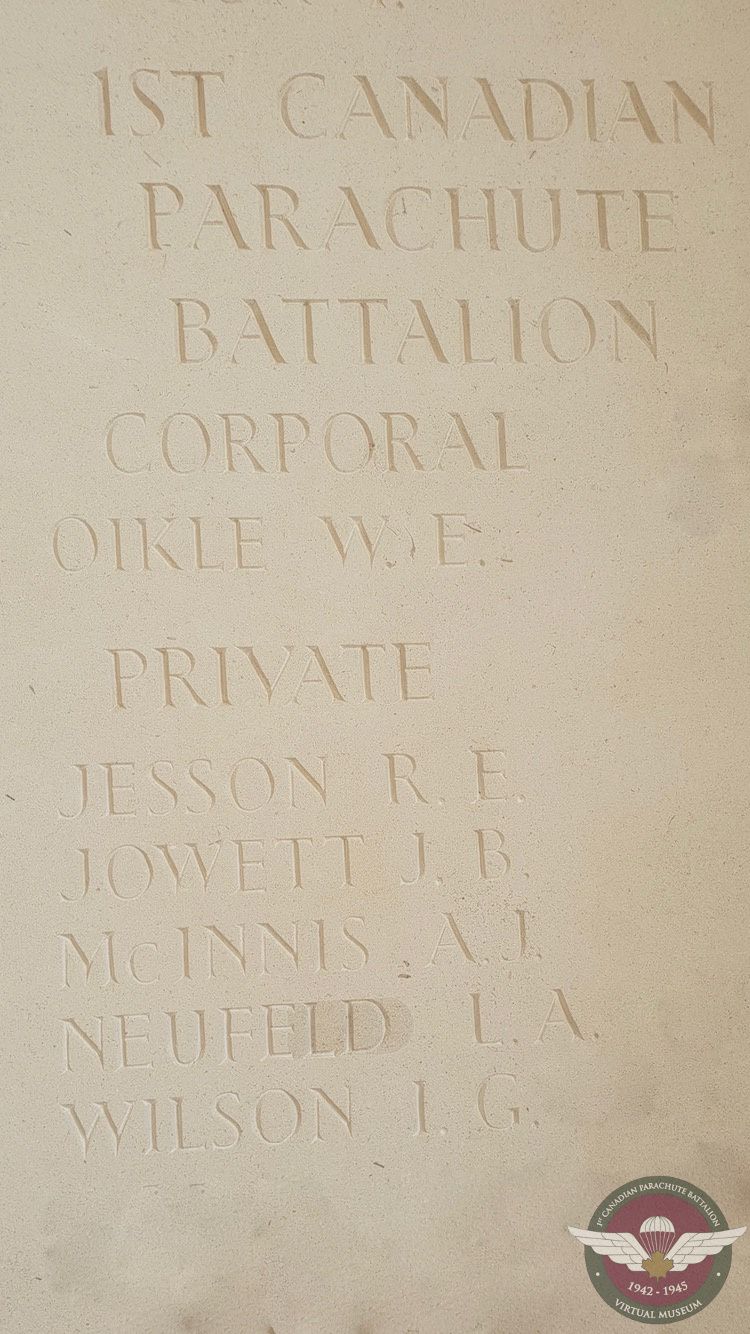
OIKLE W.E
Bayeux Memorial
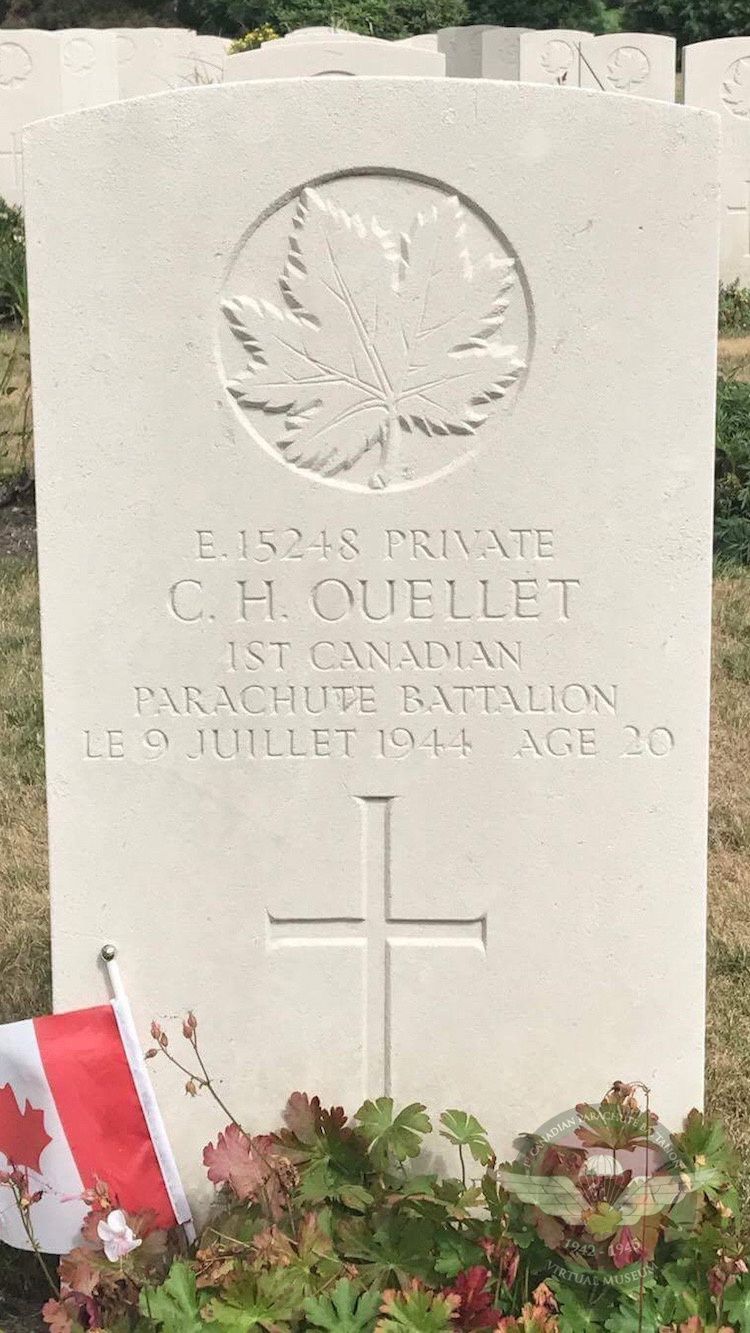
OUELLET C.H.
Brookwood Military Cemetery
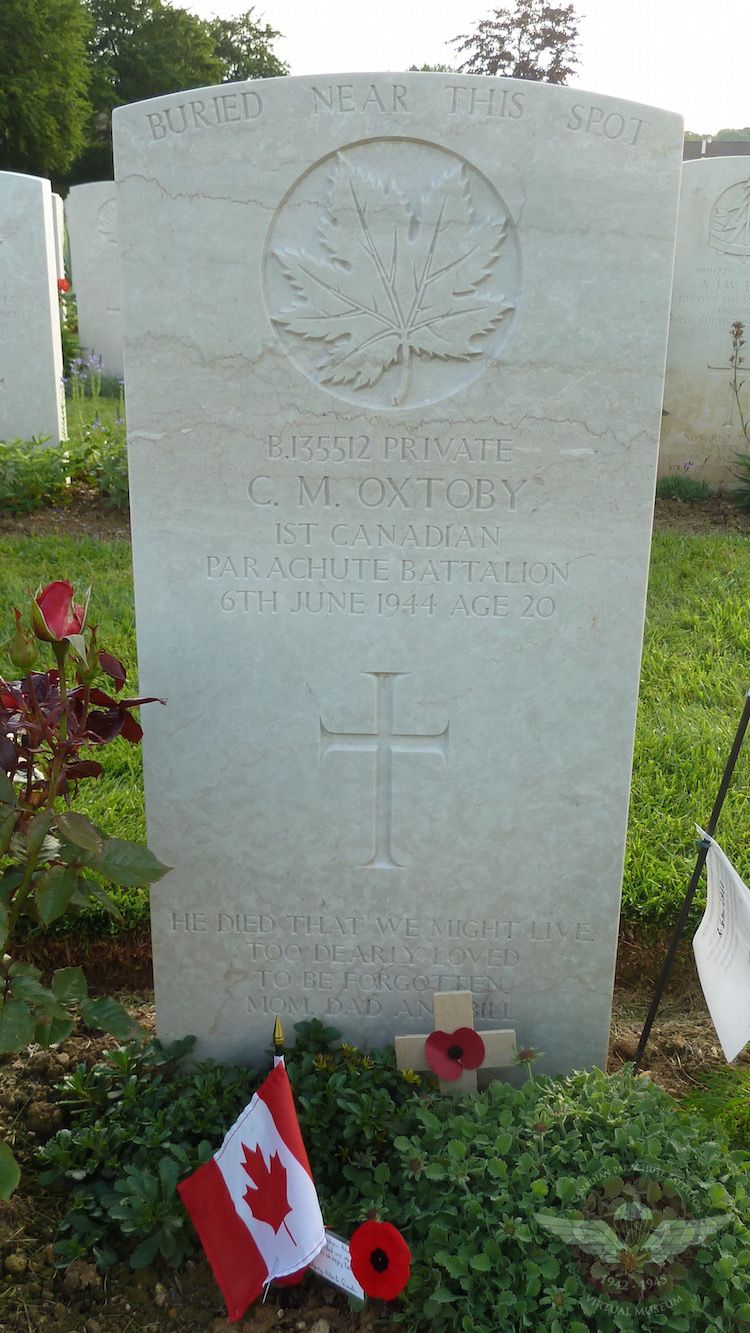
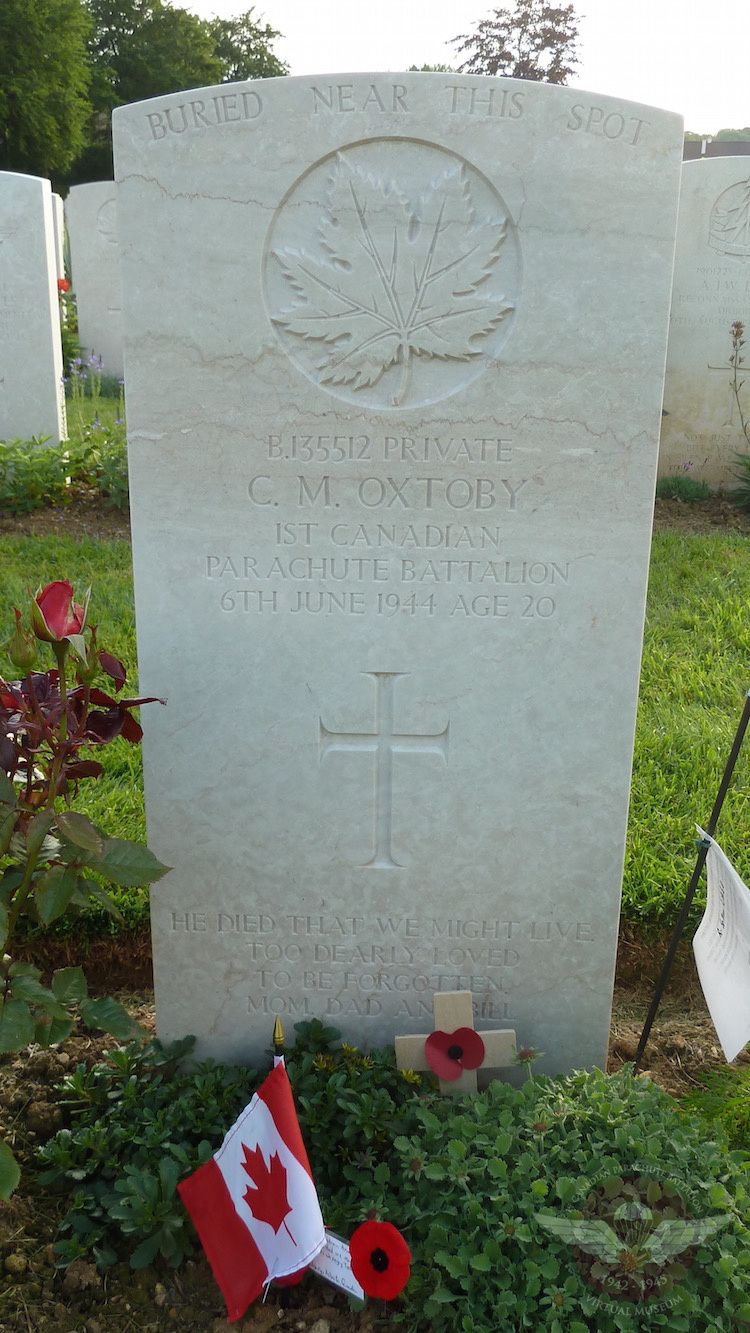
Oxtoby C.M.
Ranville War Cemetery
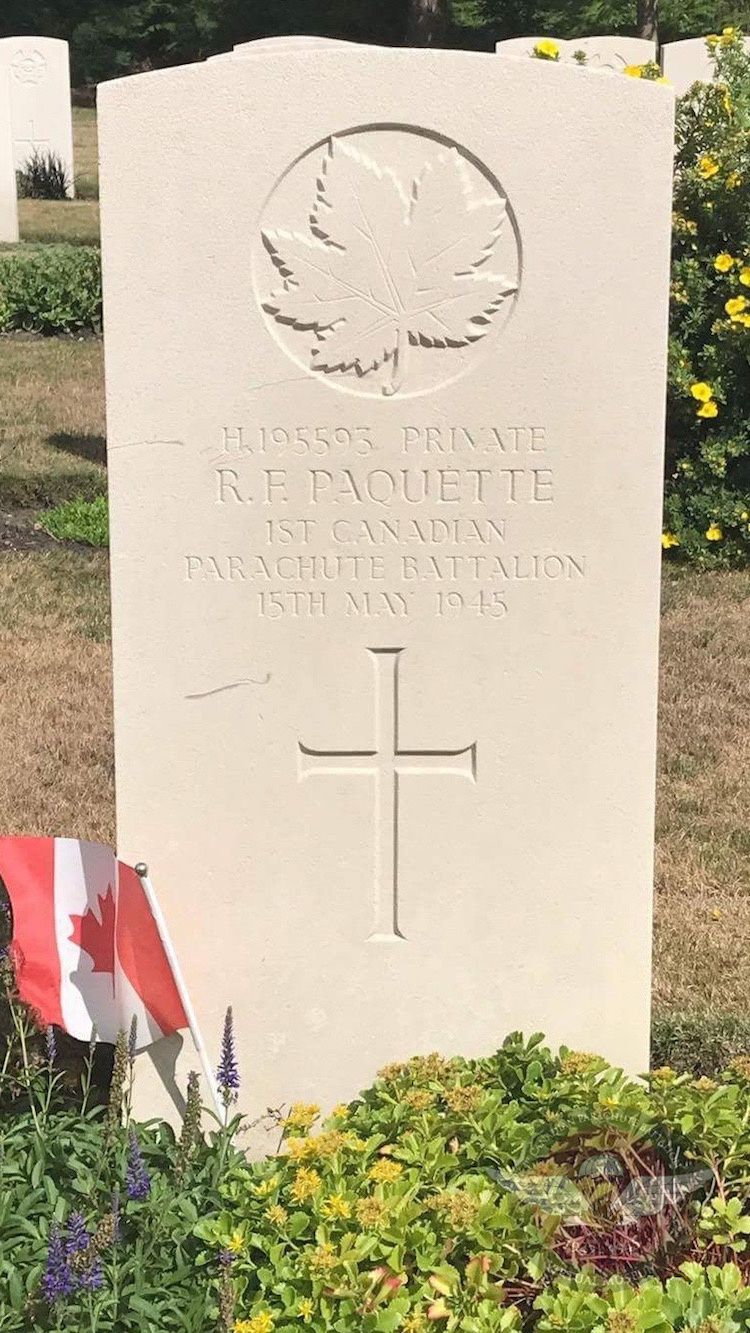
PAQUETTE R.F.
Brookwood Military Cemetery
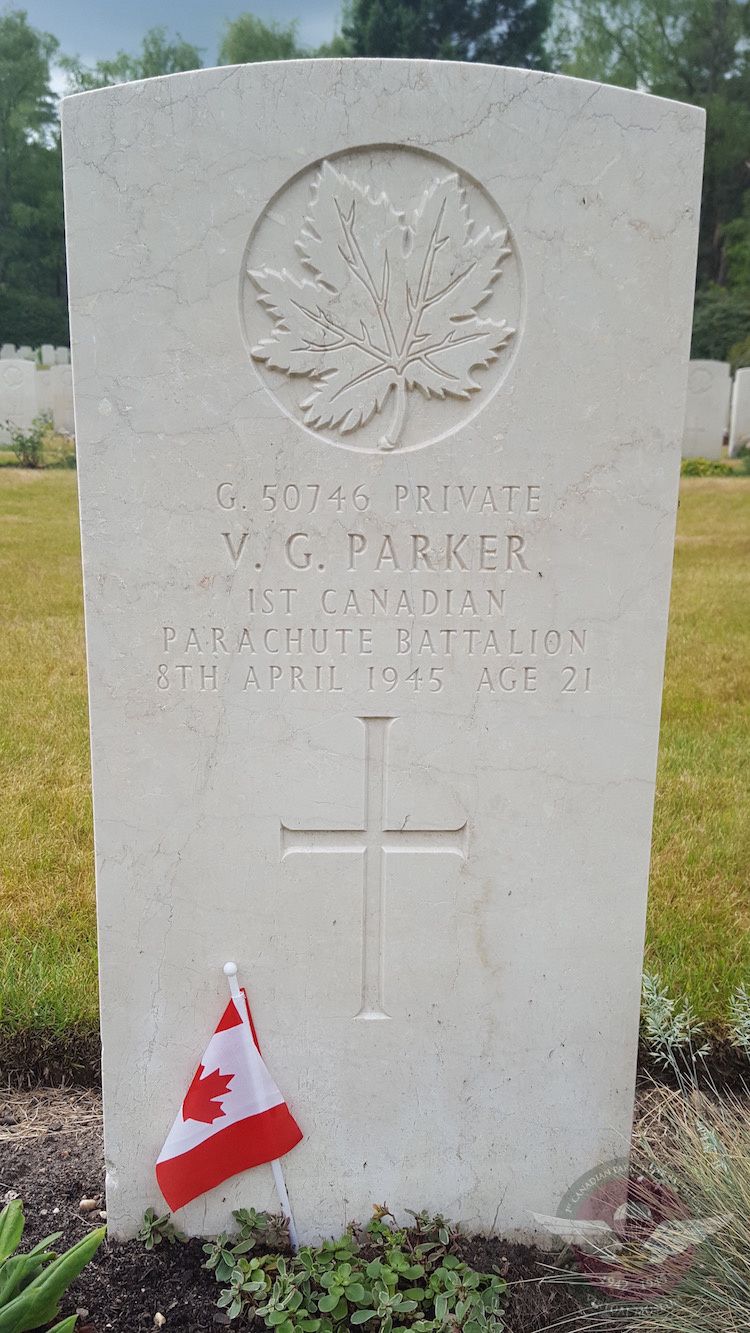
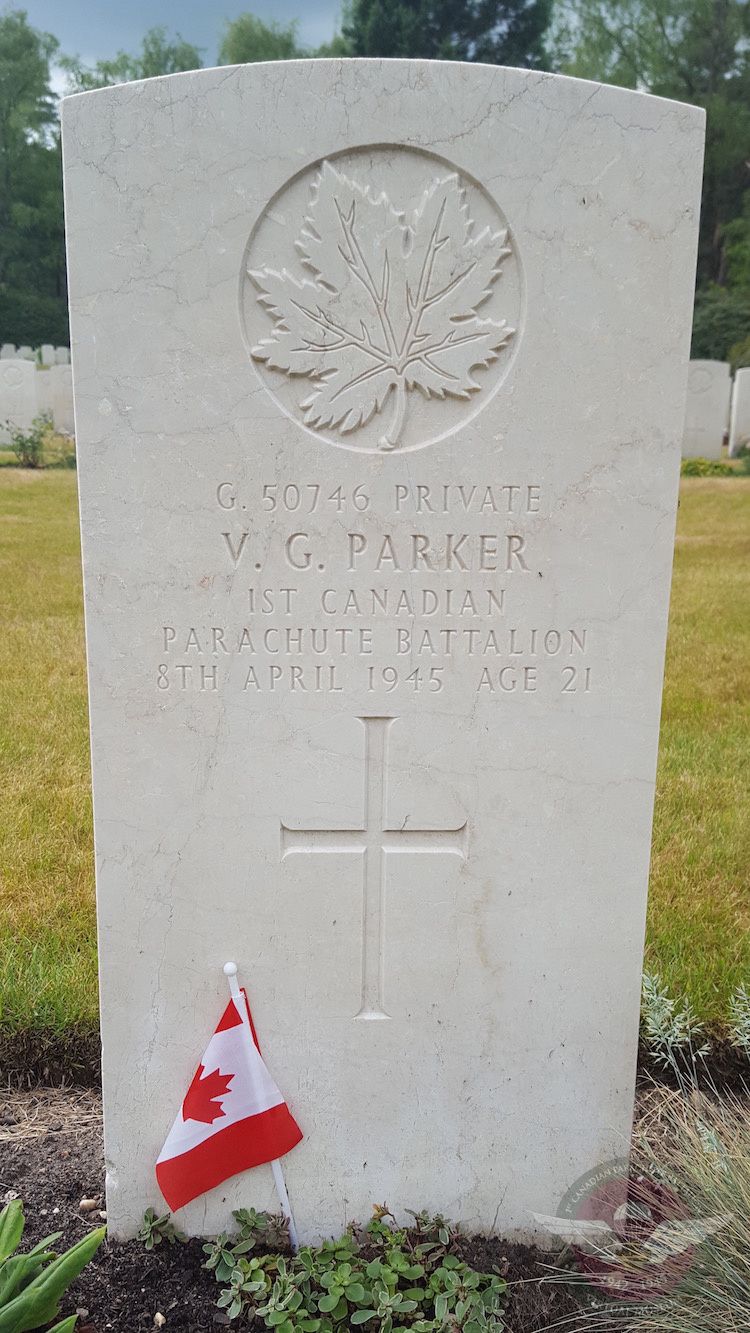
Parker V.G.
Holten Canadian War Cemetery
PAYETTE G.
Halifax Memorial
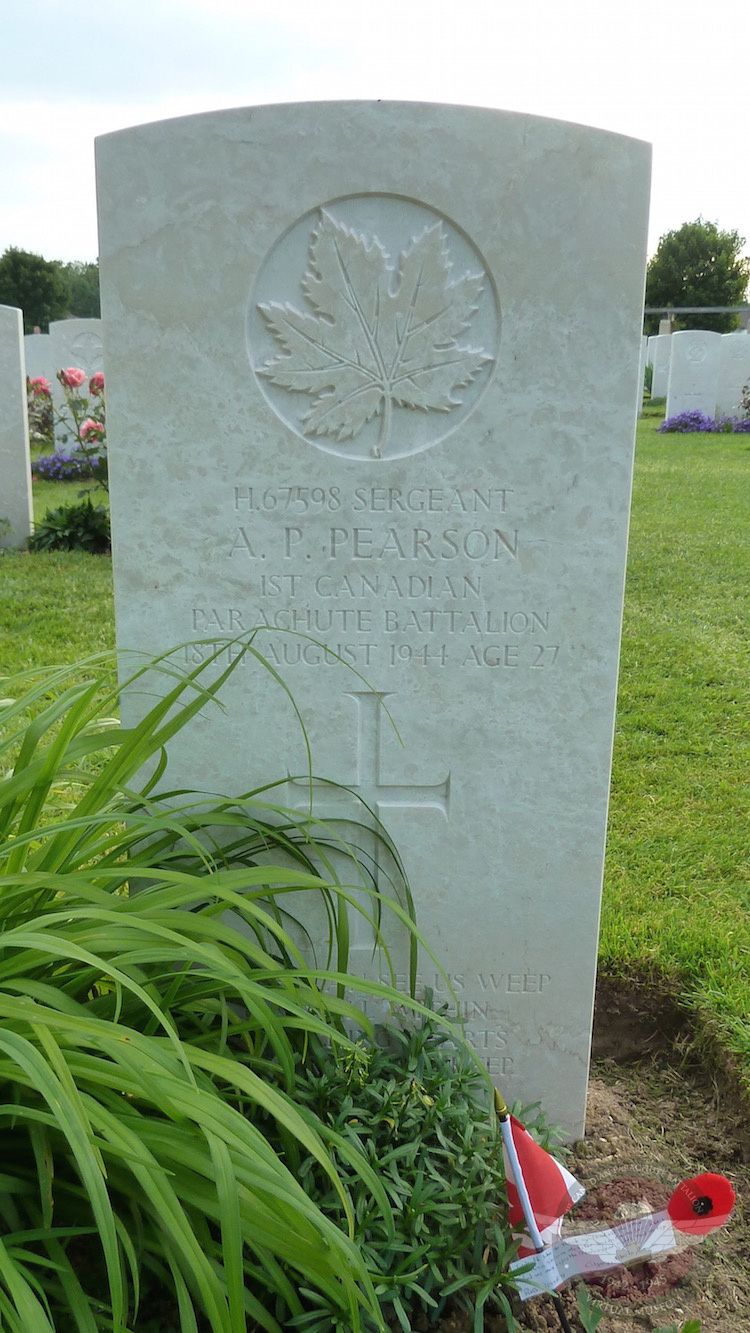
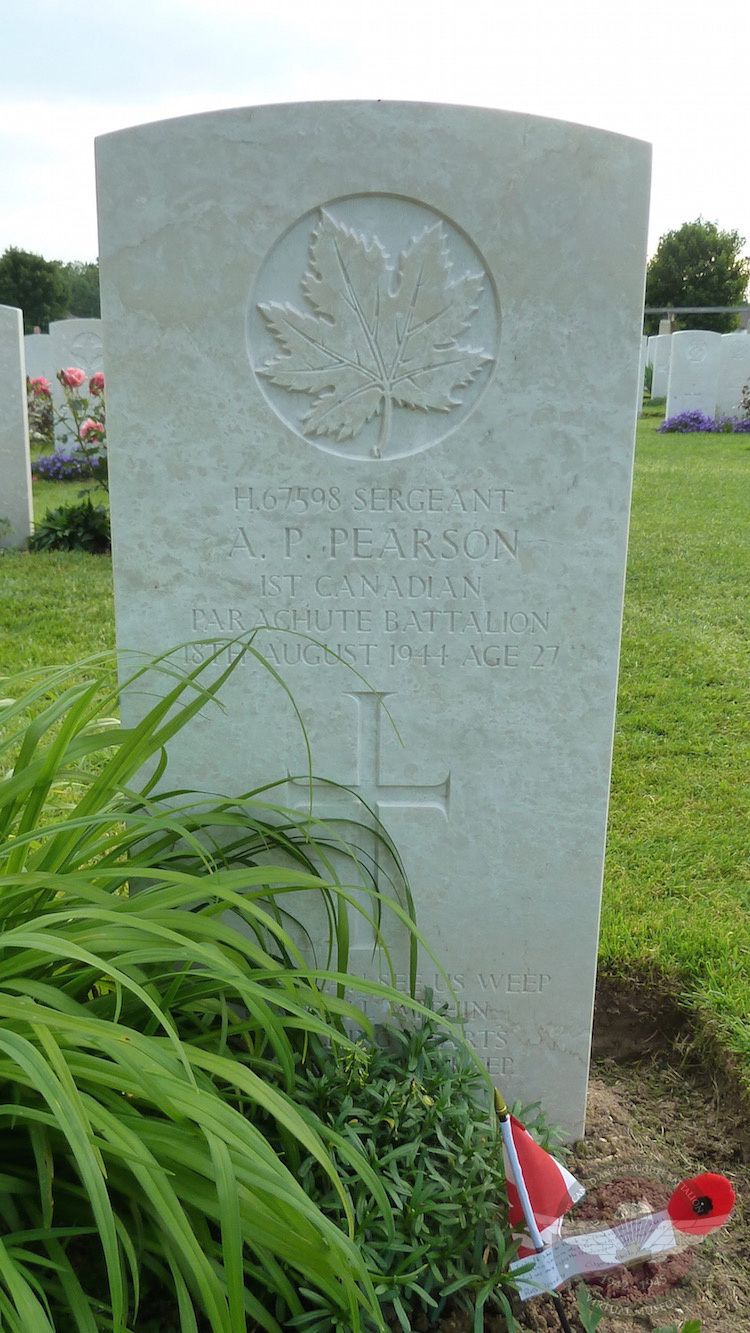
Pearson A.P.
Ranville War Cemetery
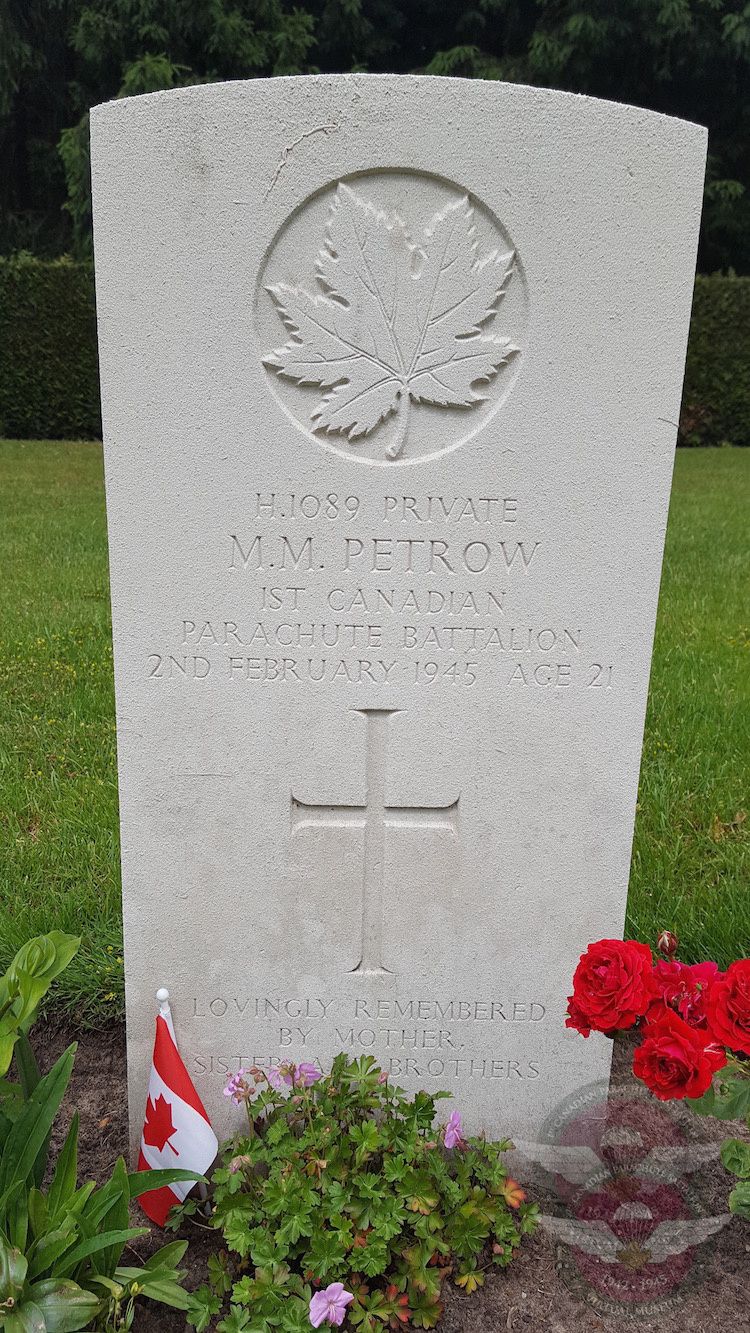
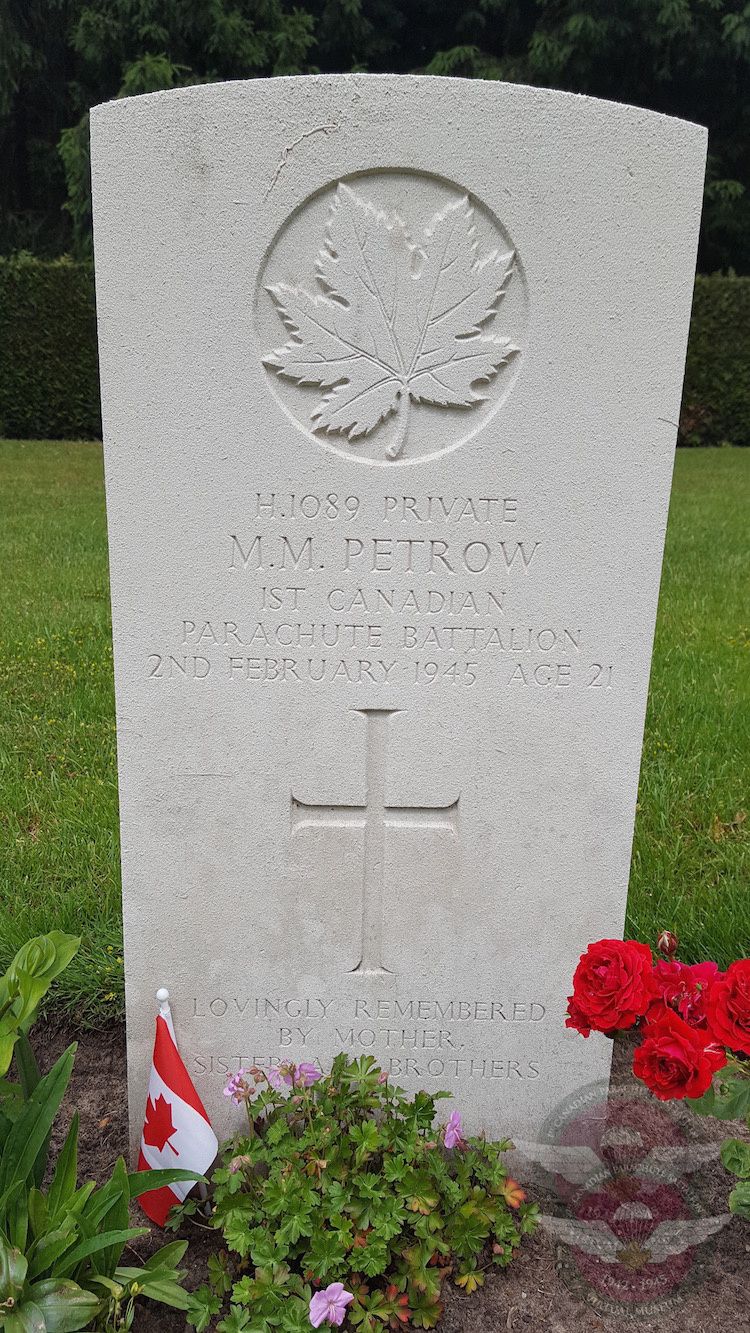
Petrow M.M.
Venray War Cemetery
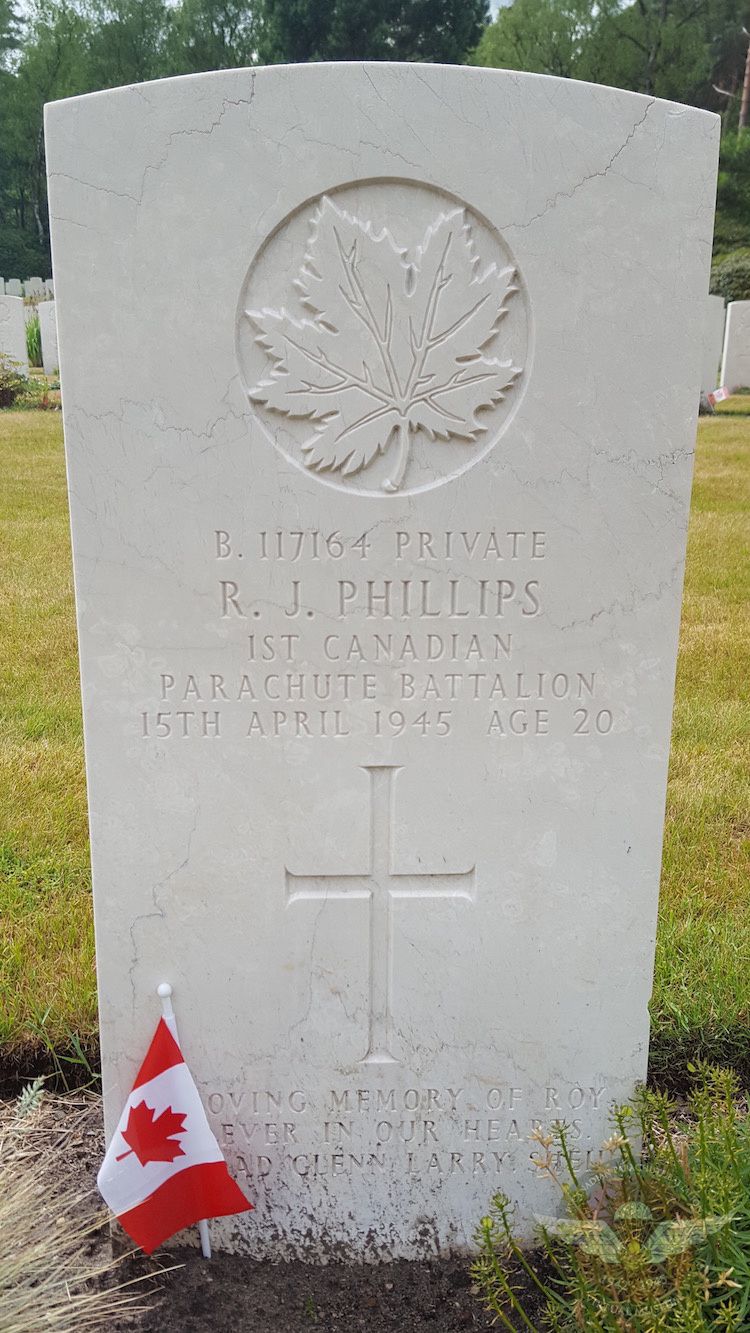
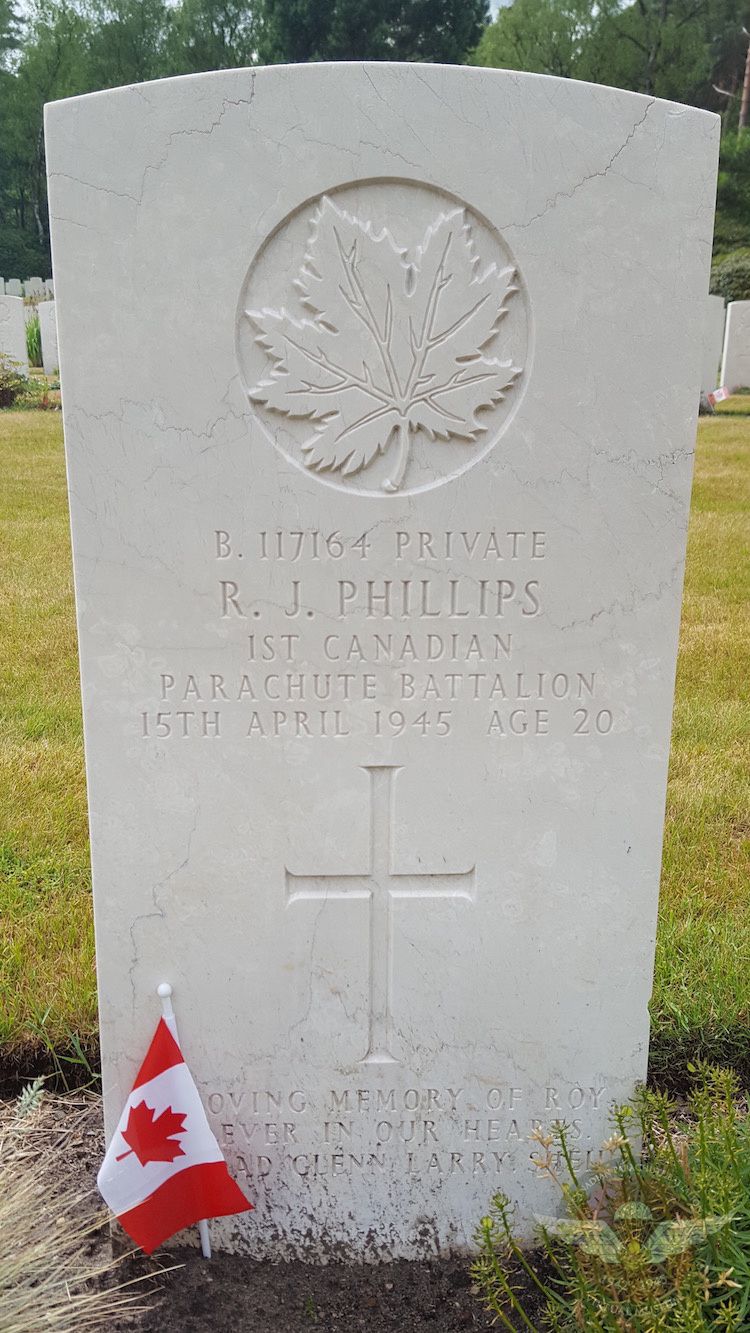
Phillips R.J.
Holten Canadian War Cemetery
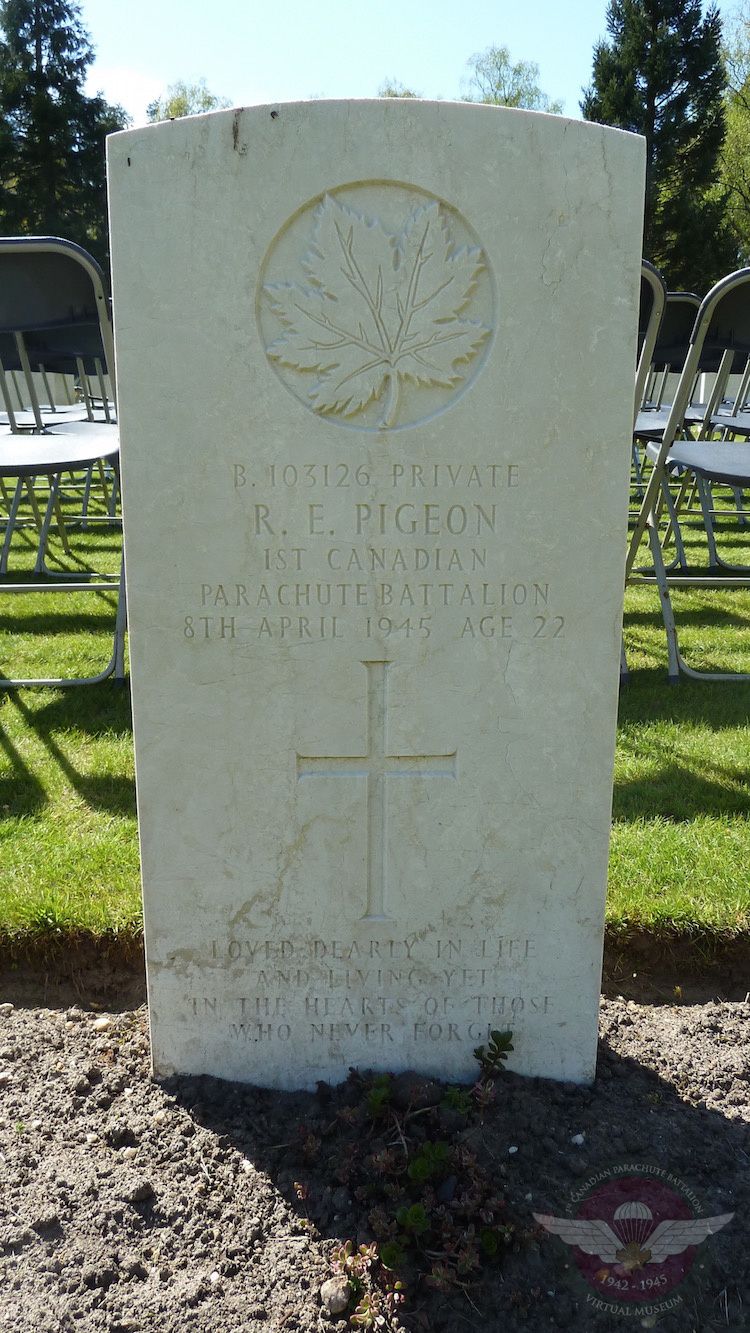
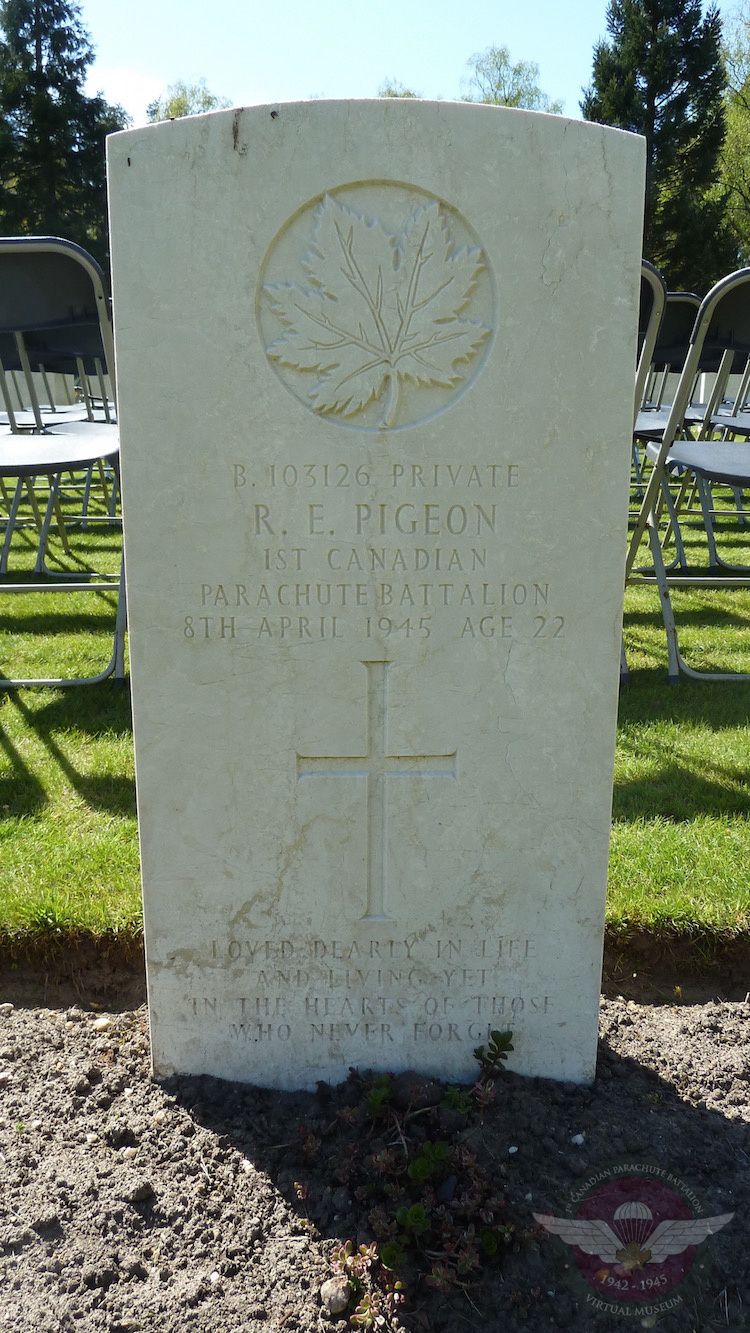
Pigeon R.E.
Holten Canadian War Cemetery
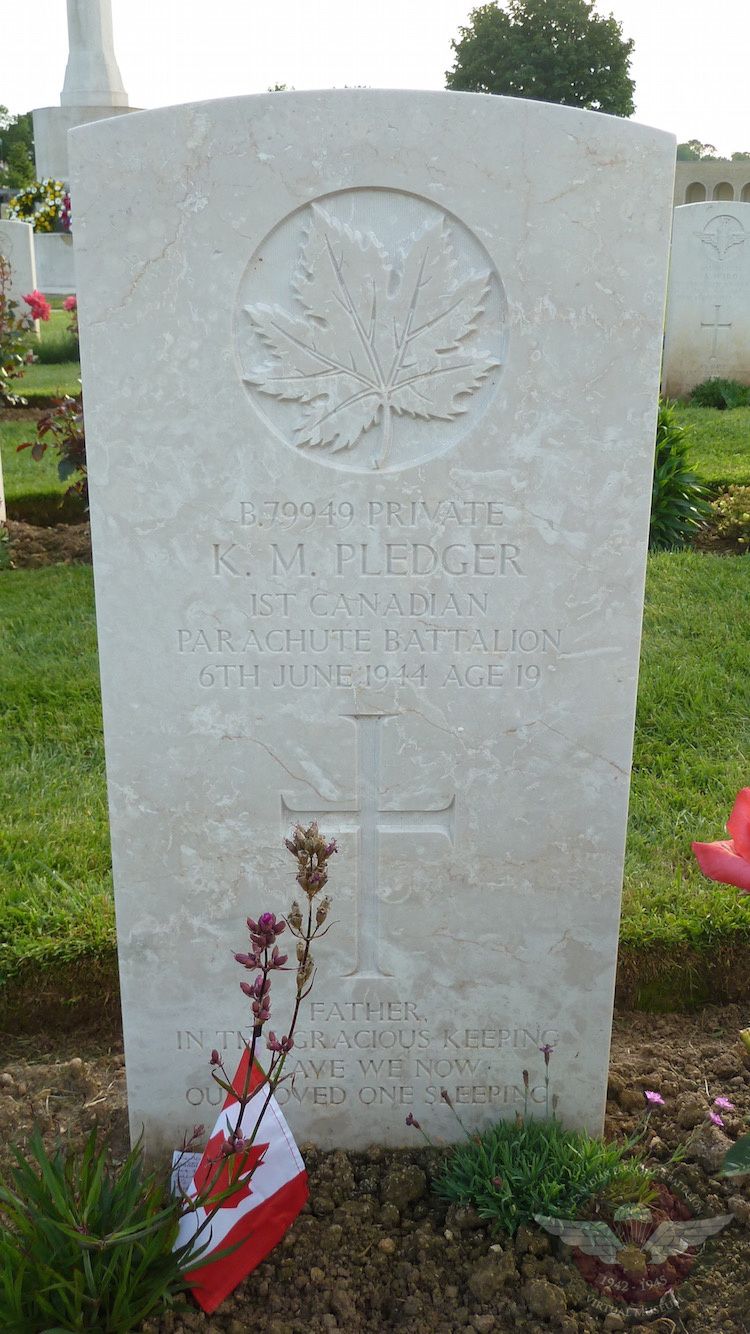
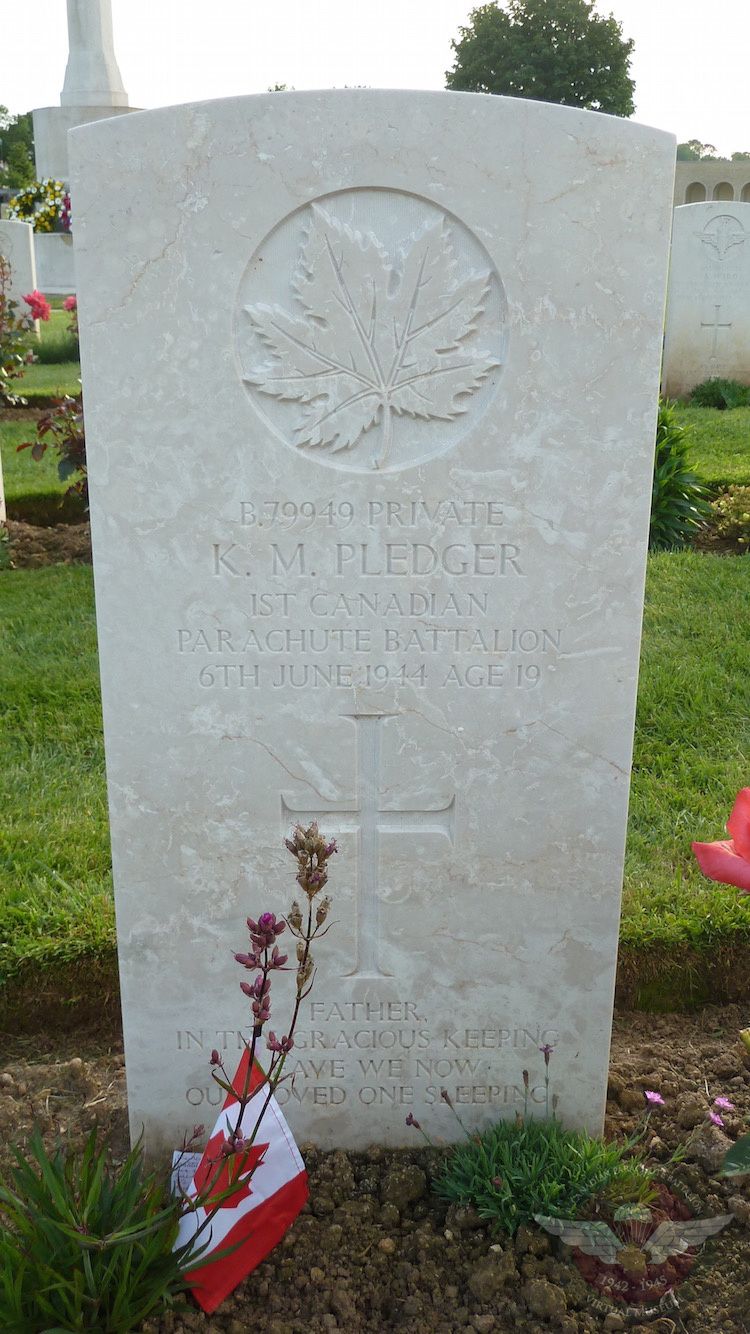
Pledger K.M.
Ranville War Cemetery
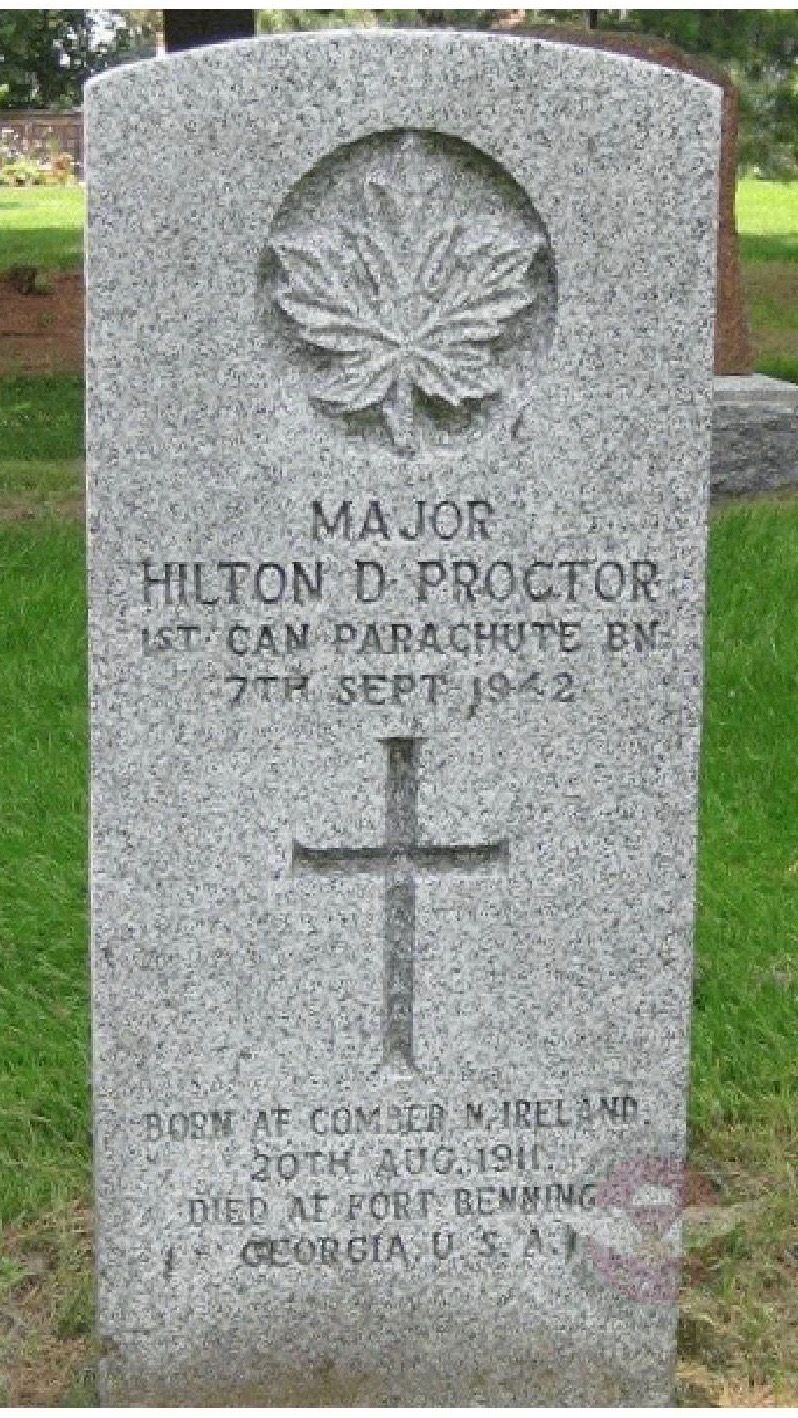
Proctor H.D
Pinecrest Cemetery
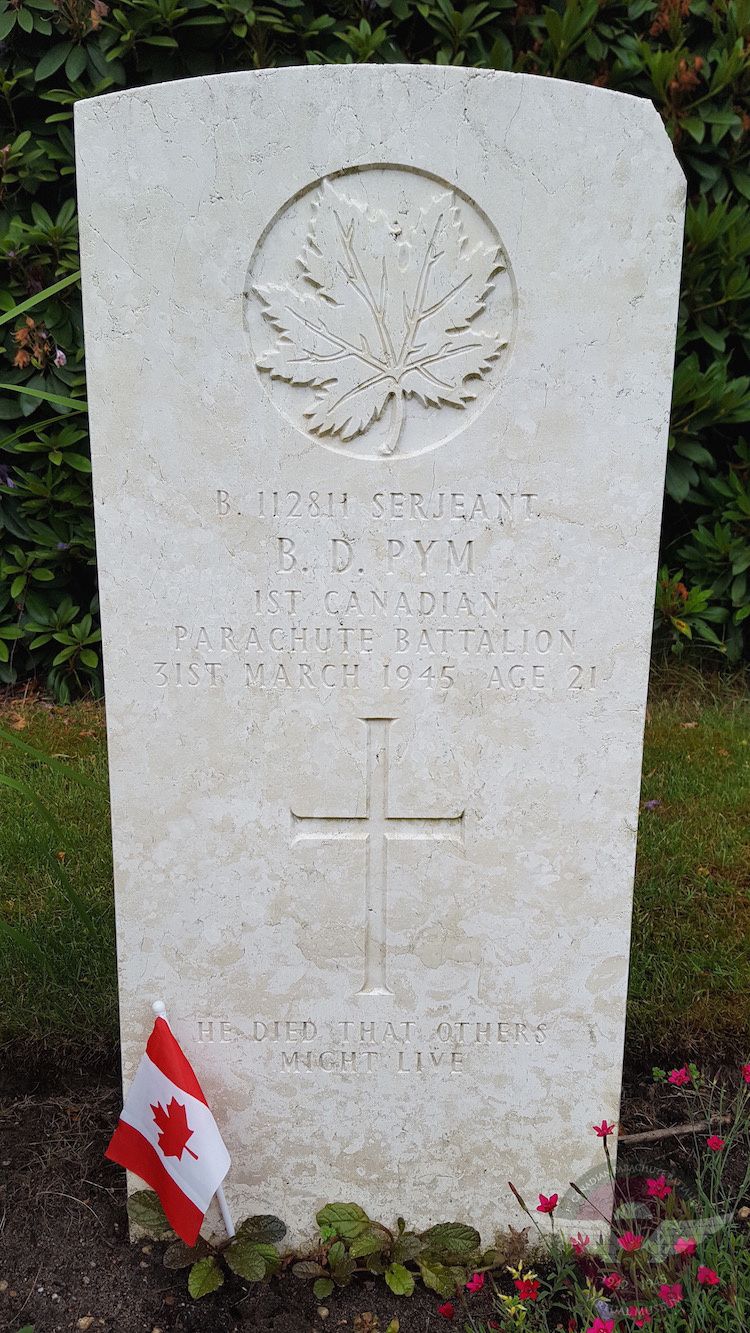
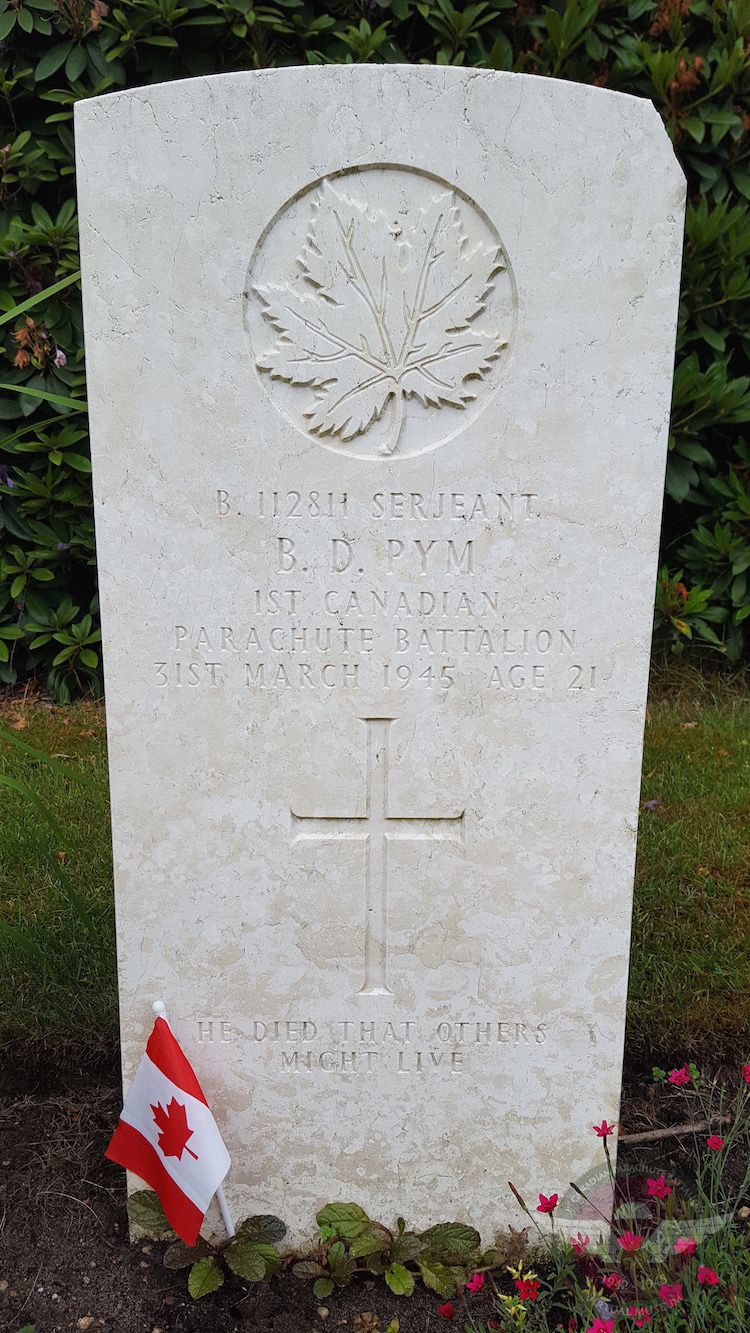
Pym B.D.
Holten Canadian War Cemetery
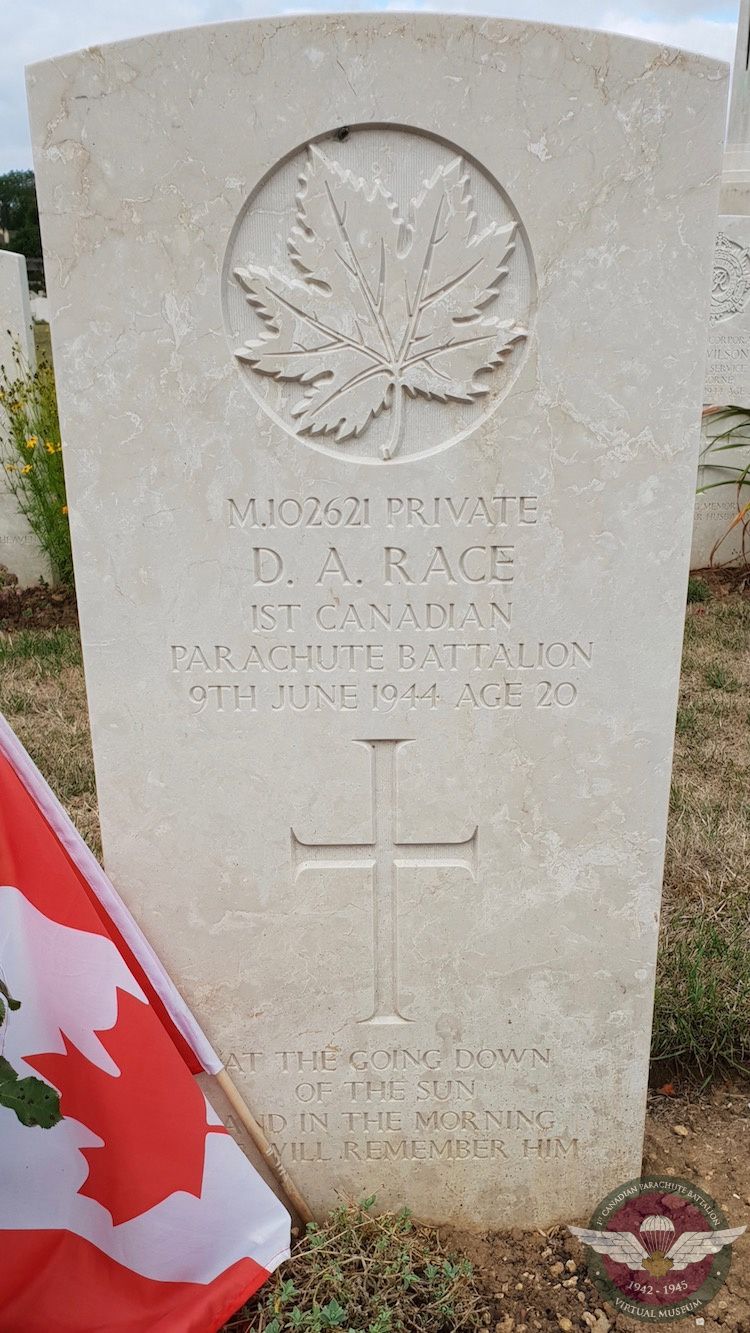
RACE D.A
Ranville War Cemetery
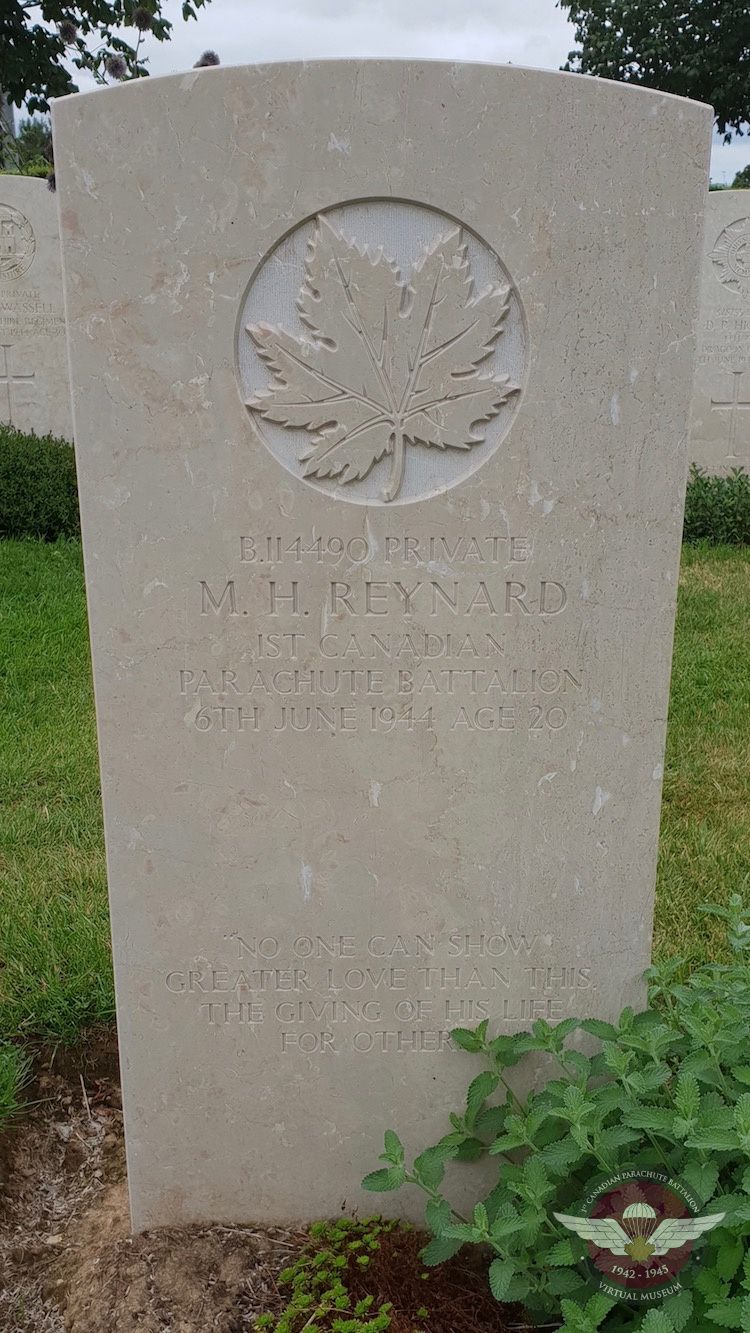
REYNARD M.H
Bayeux War Cemetery
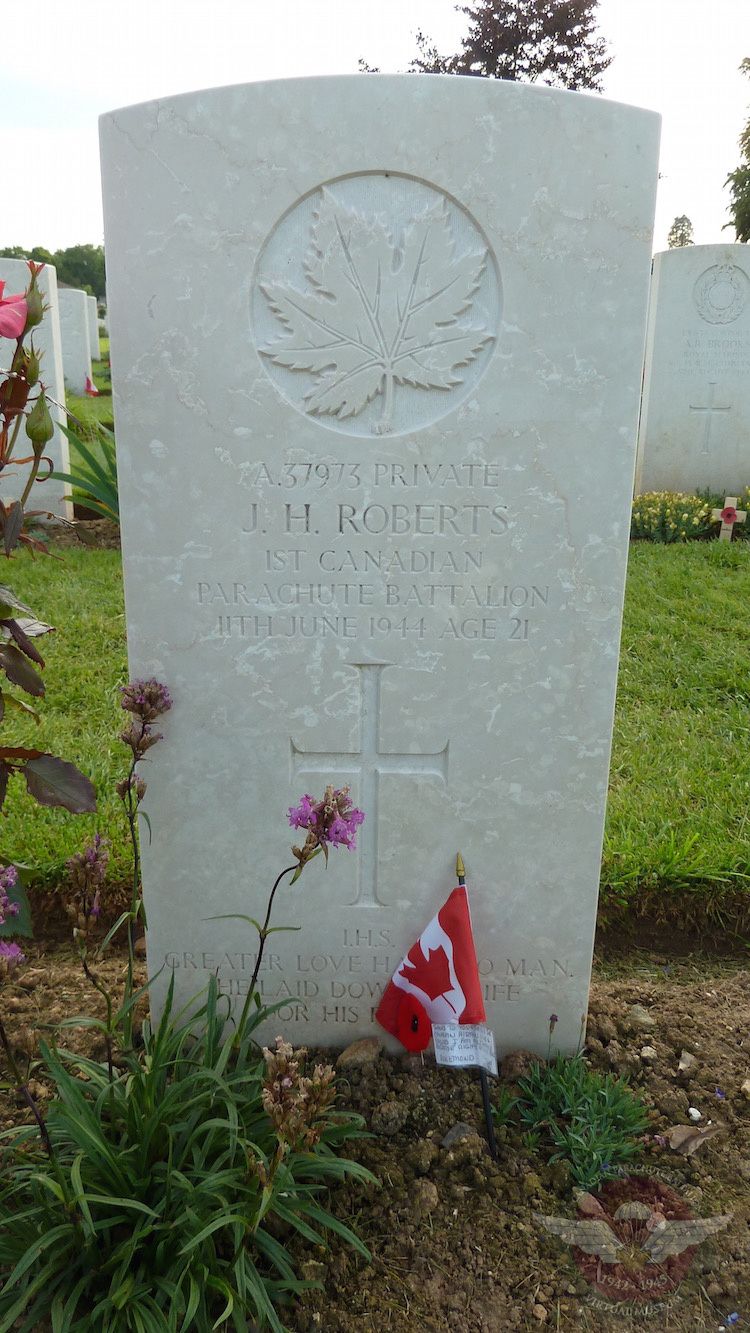
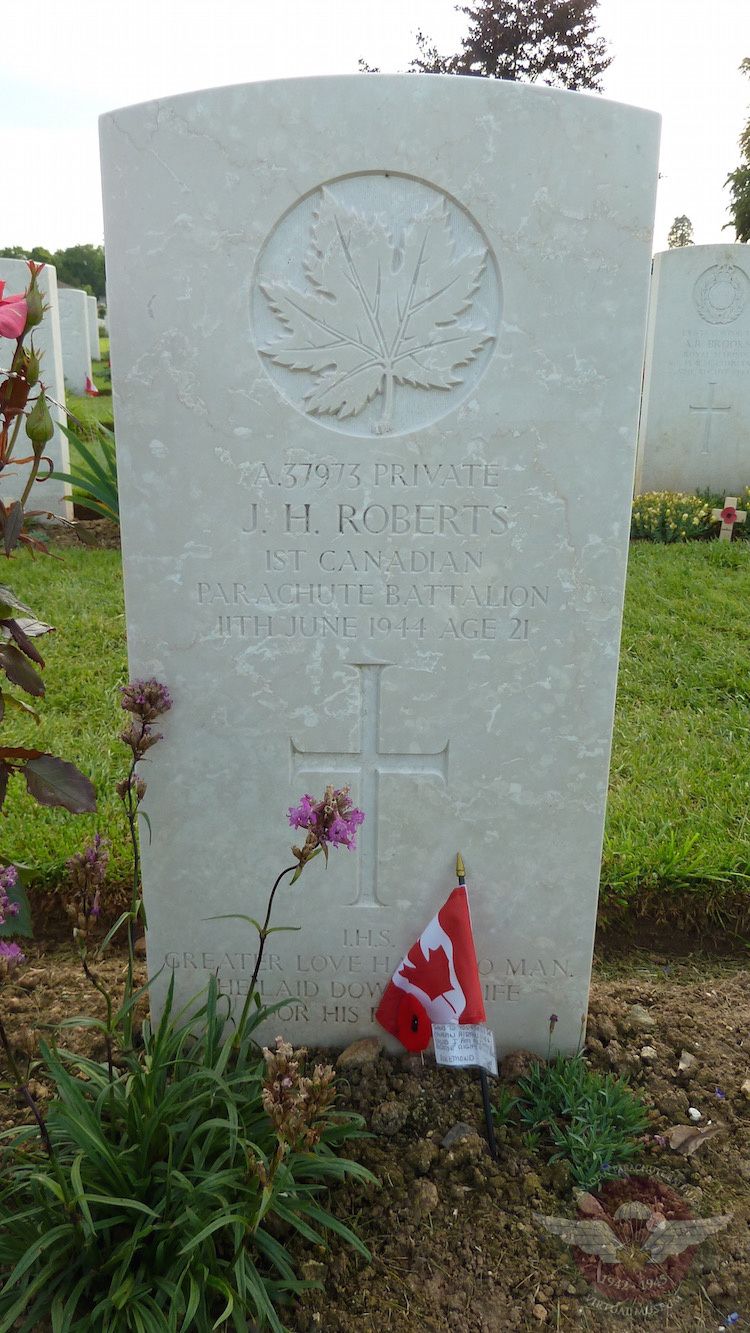
Roberts J.H.
Ranville War Cemetery
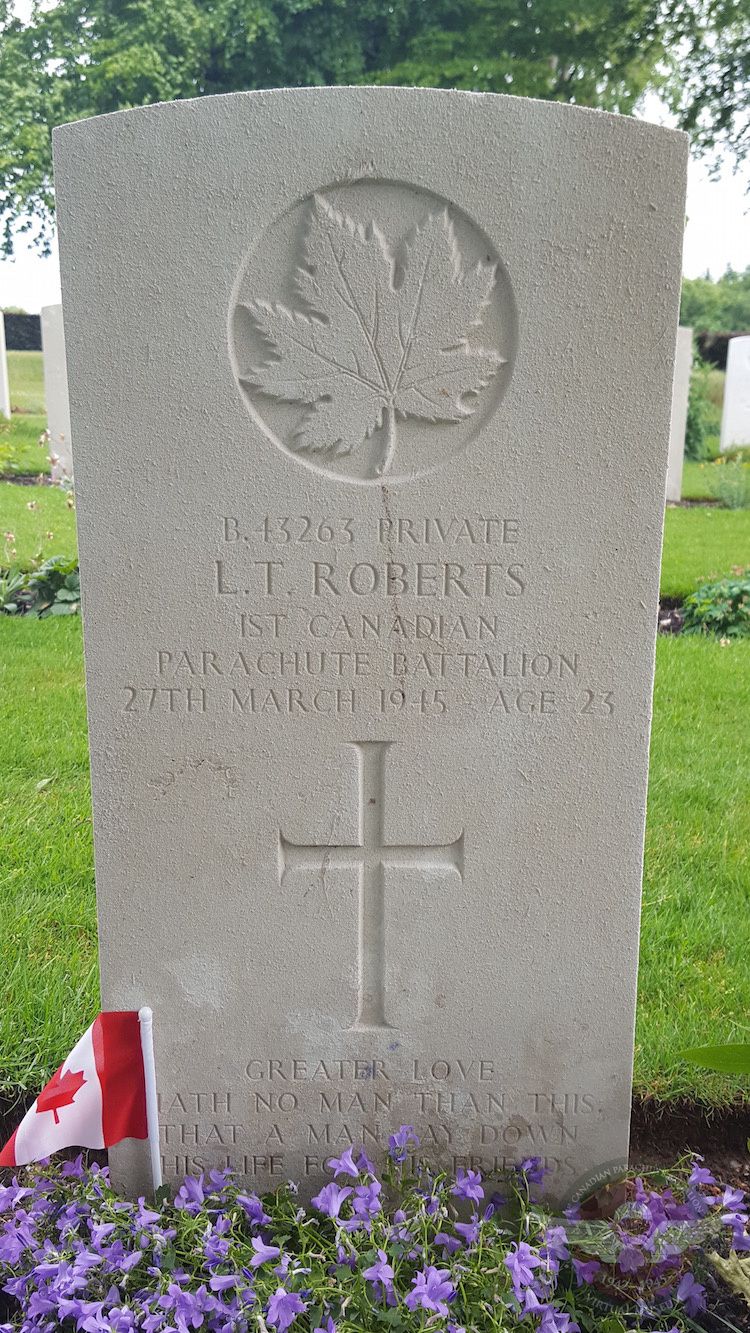
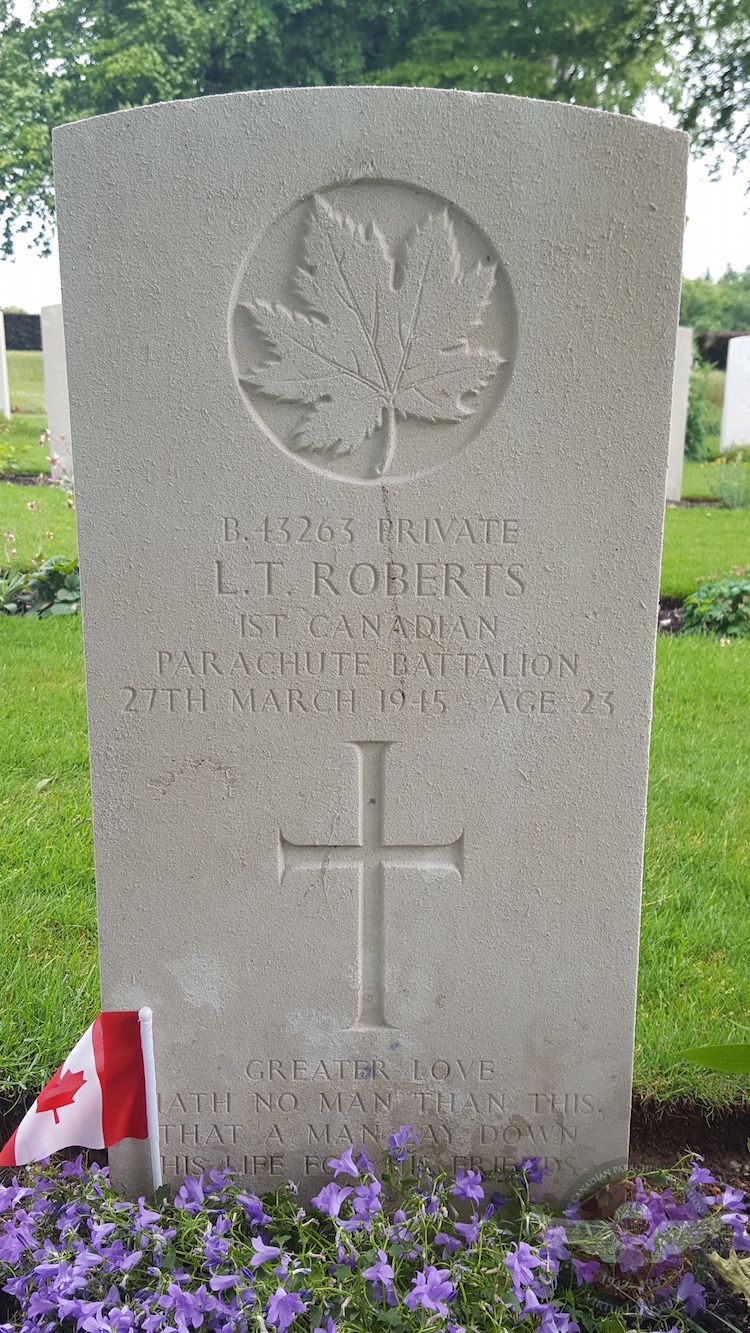
Roberts L.T.
Groesbeek Canadian War Cemetery
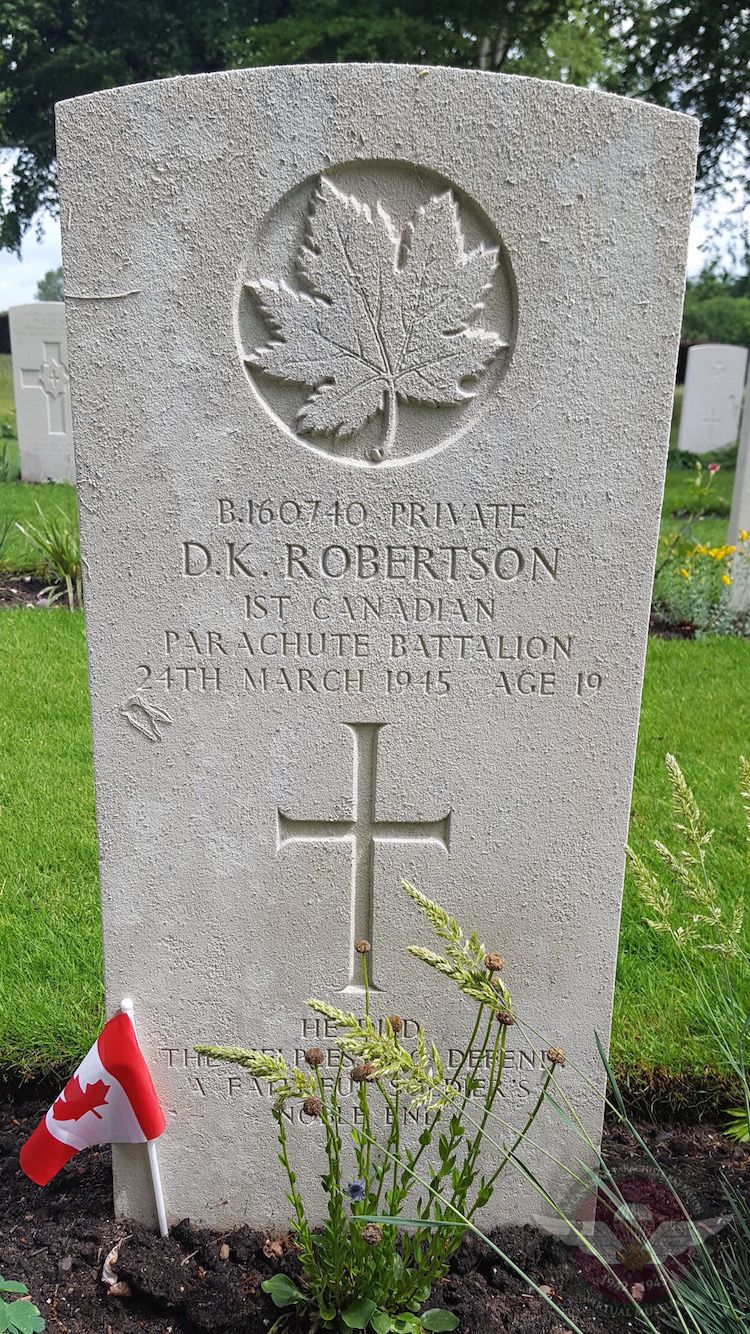
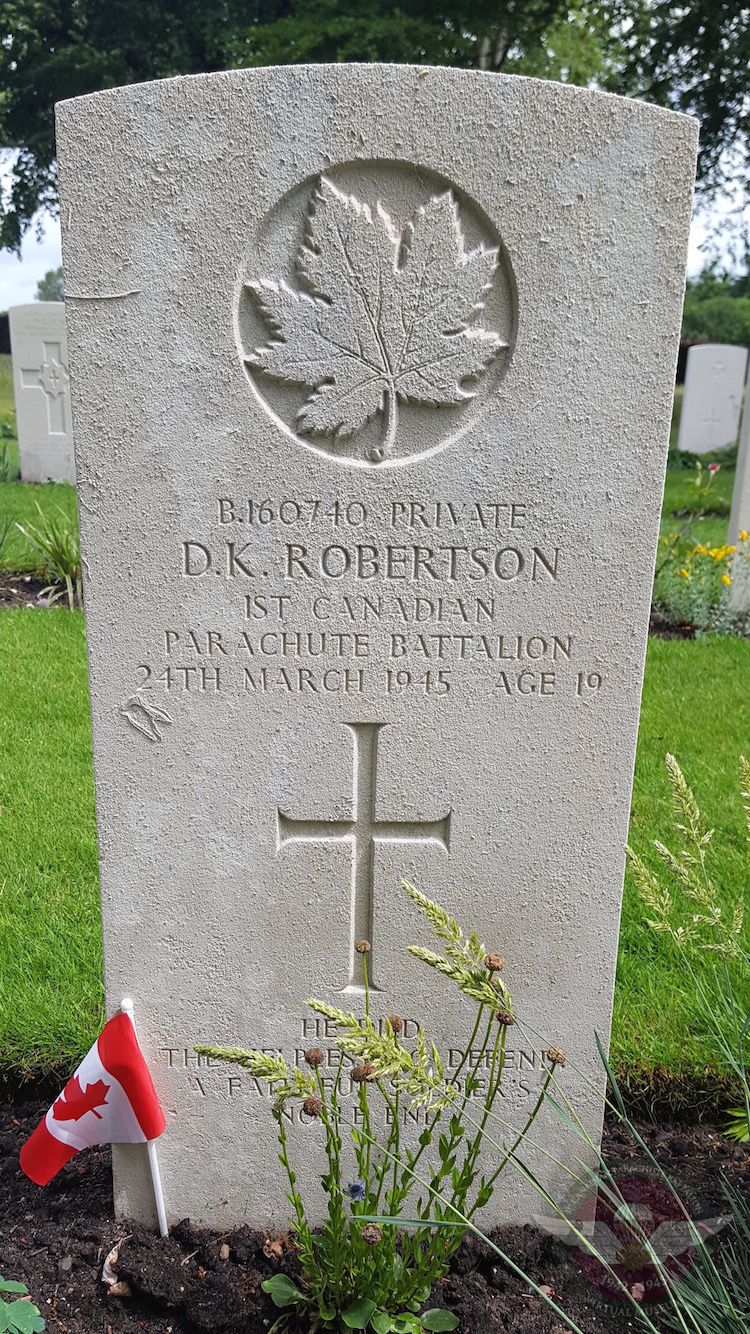
Robertson D.K.
Groesbeek Canadian War Cemetery
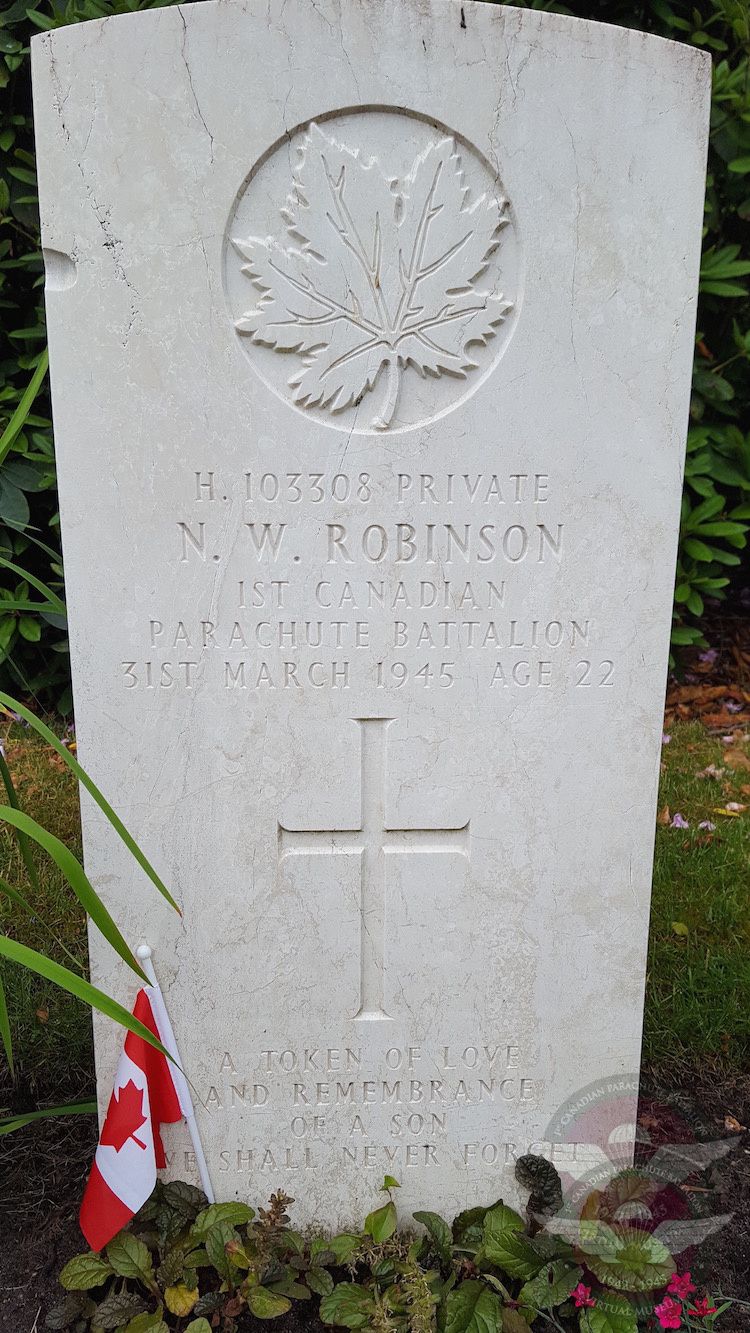
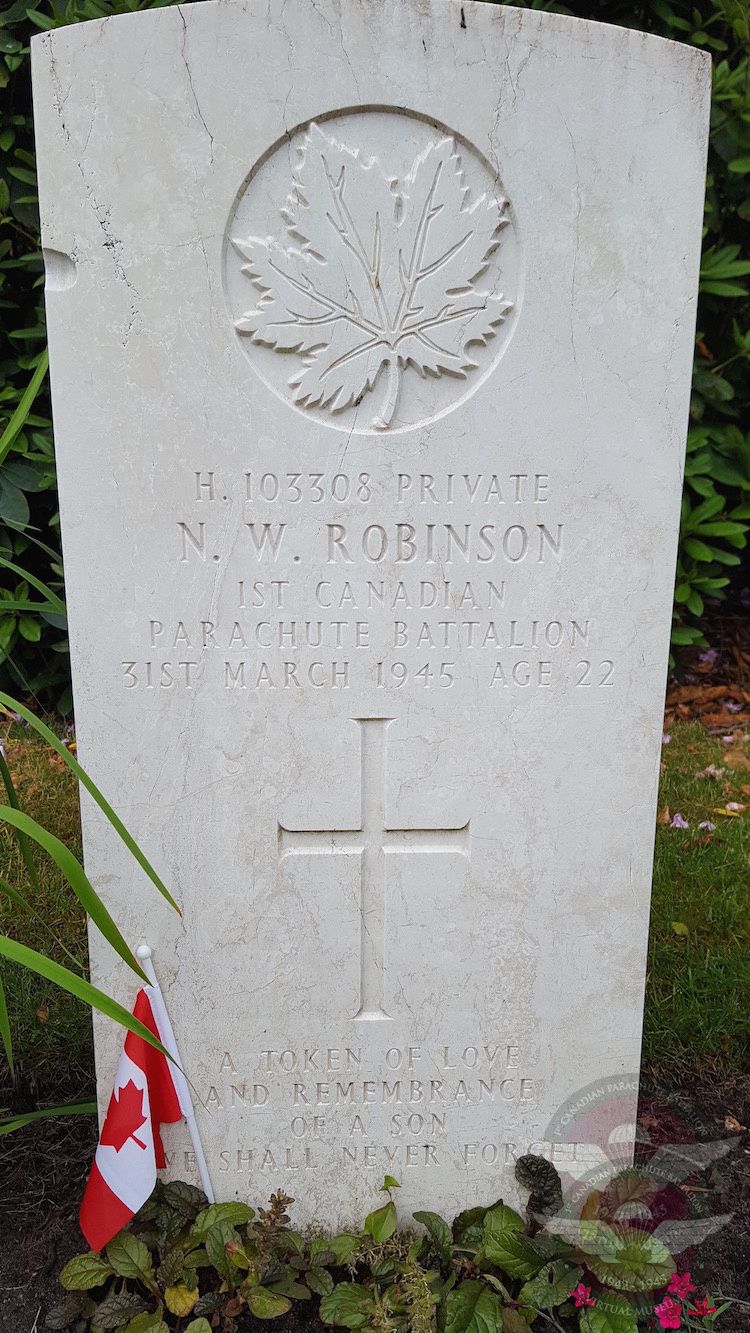
Robinson N.W.
Holten Canadian War Cemetery
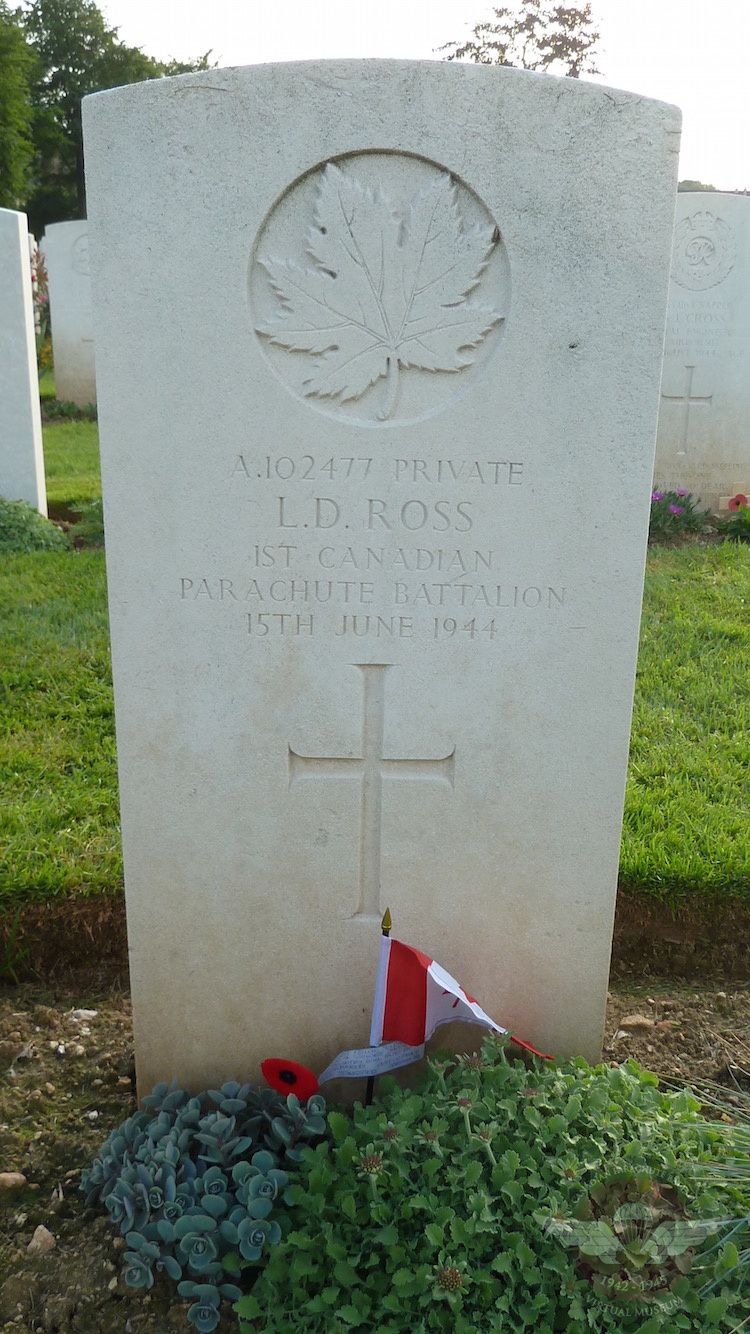
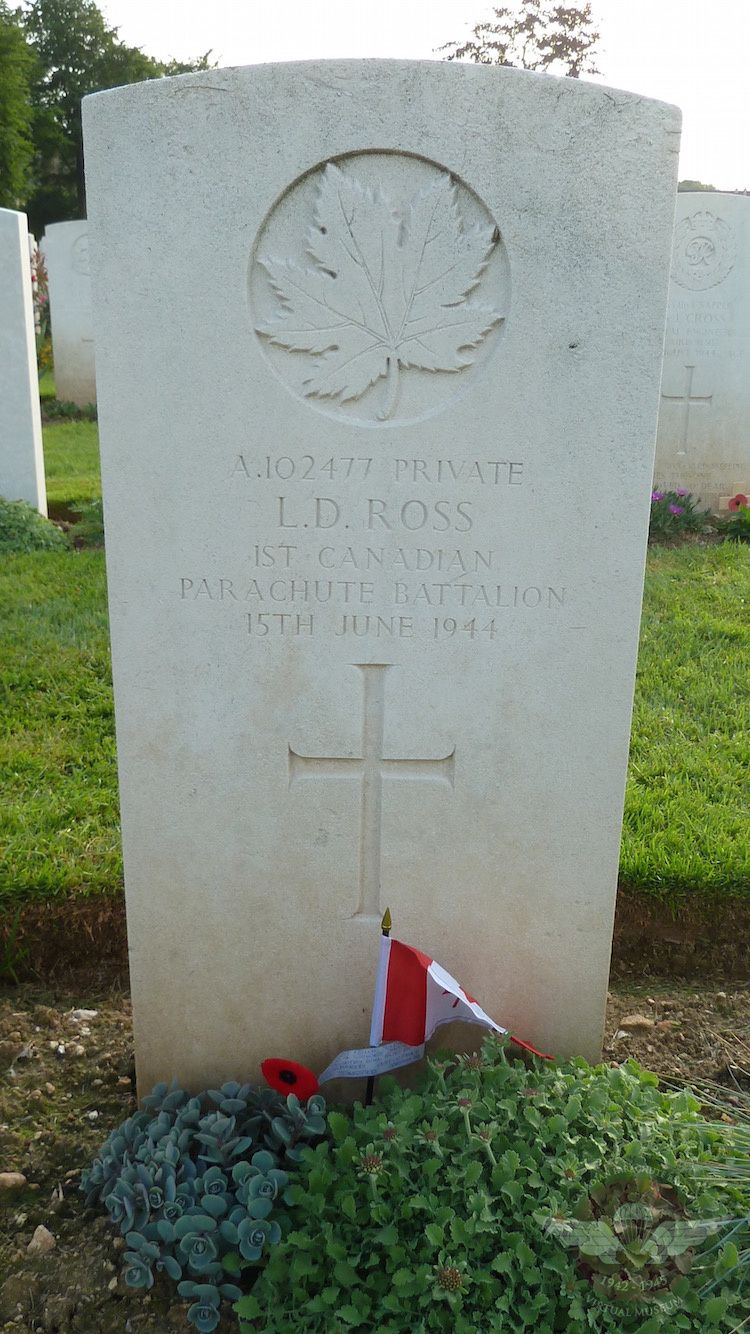
Ross L.D.
Ranville War Cemetery
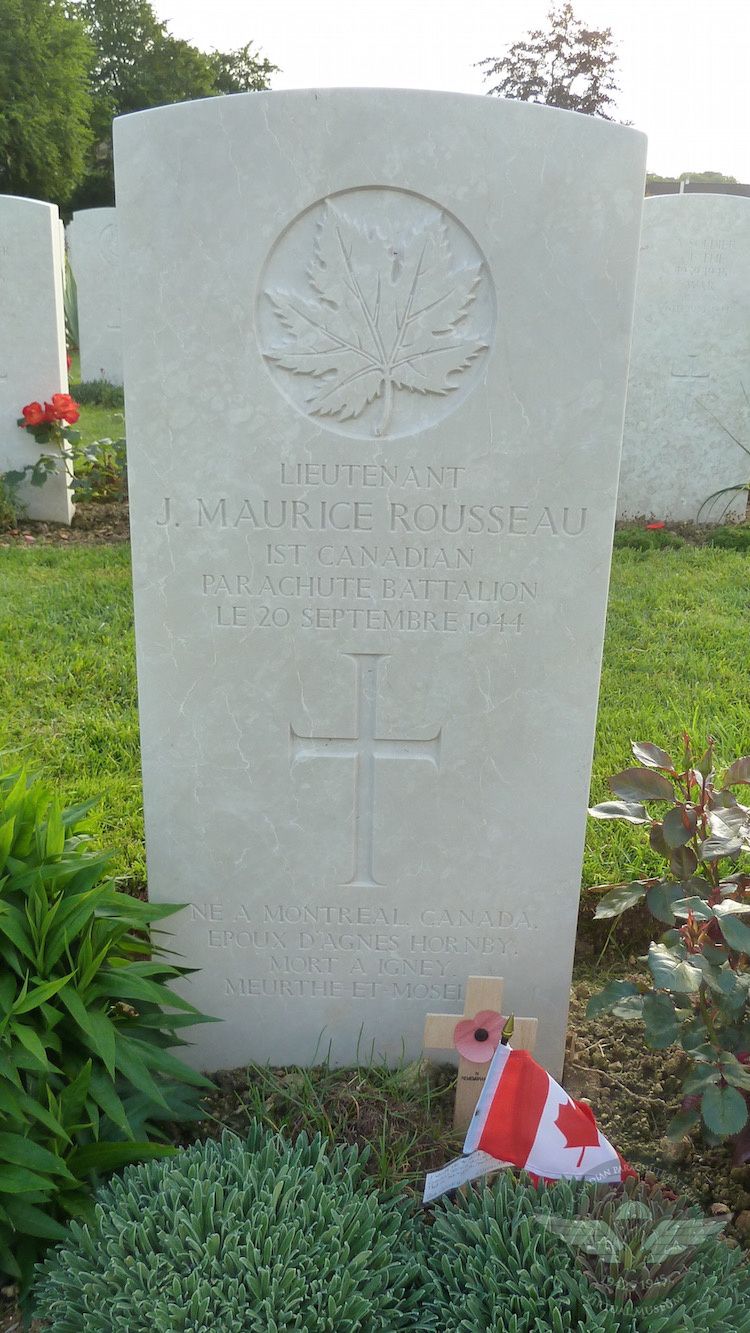
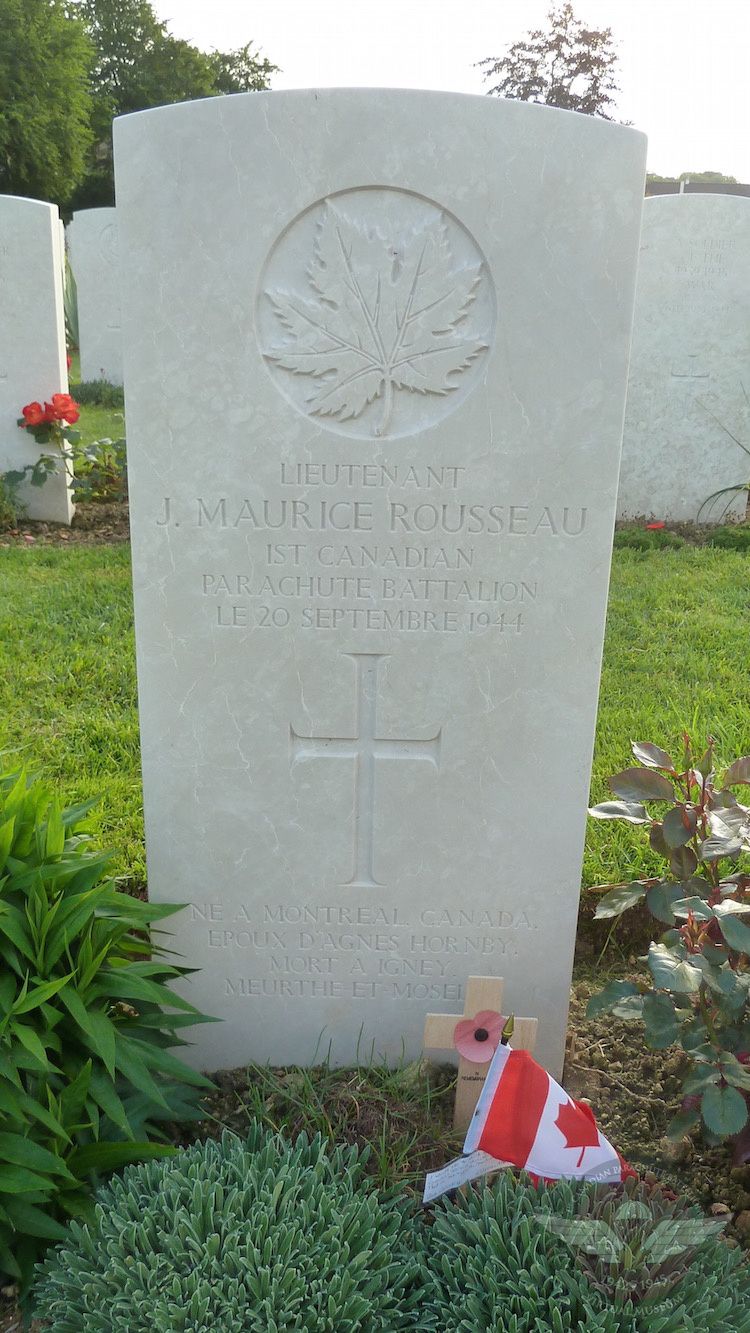
Rousseau J.M.
Ranville War Cemetery
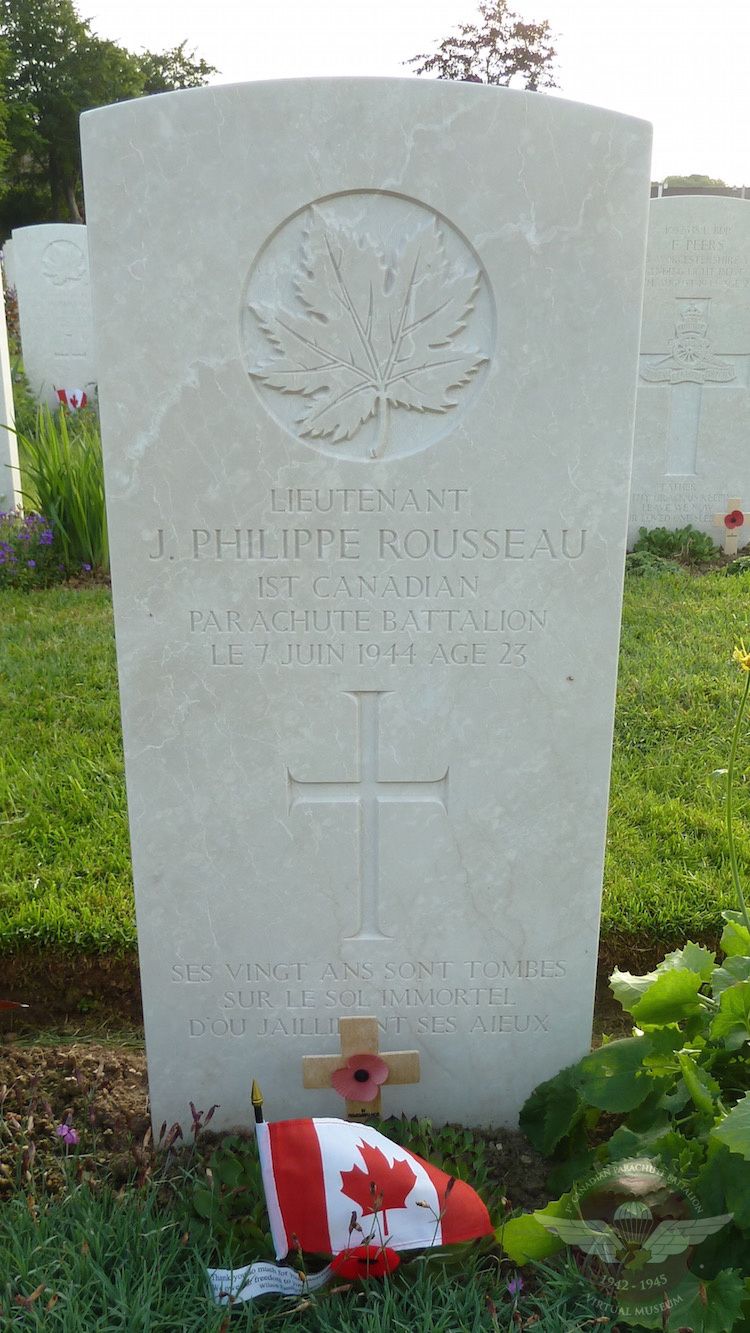
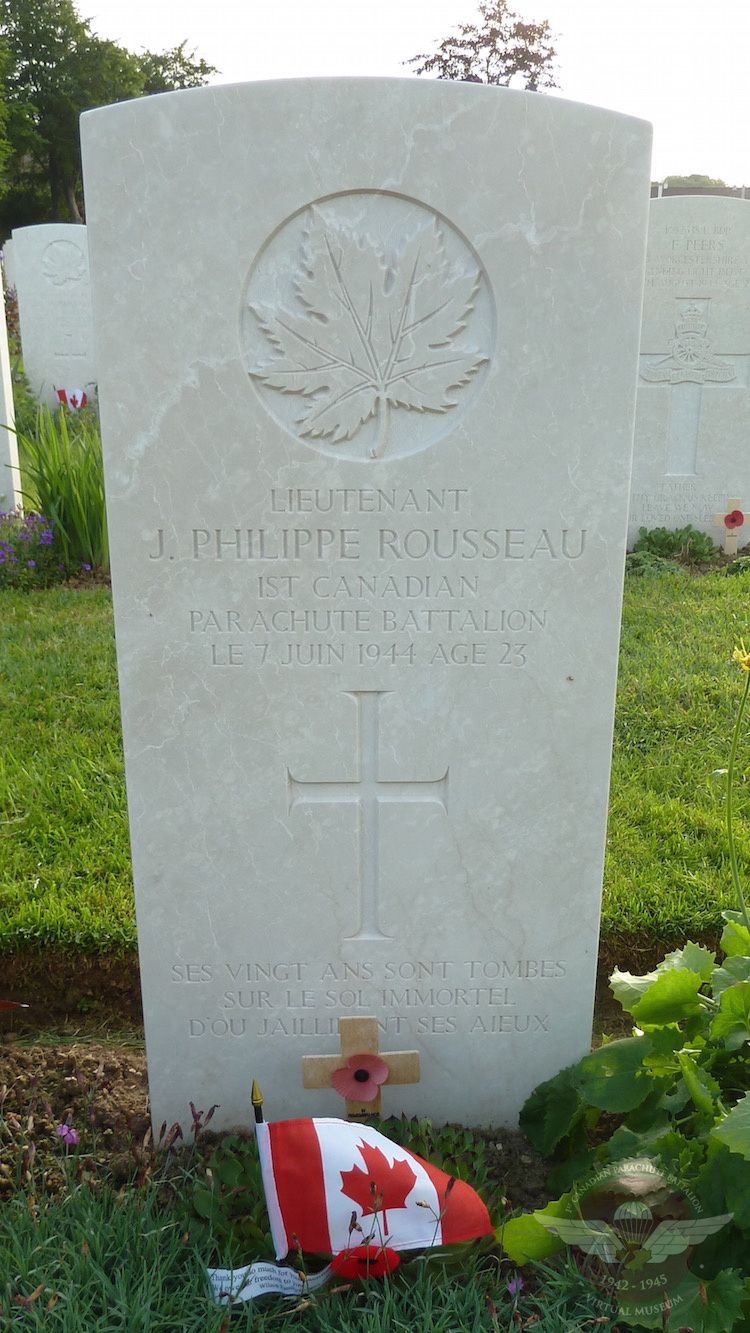
Rousseau J.P.
Ranville War Cemetery
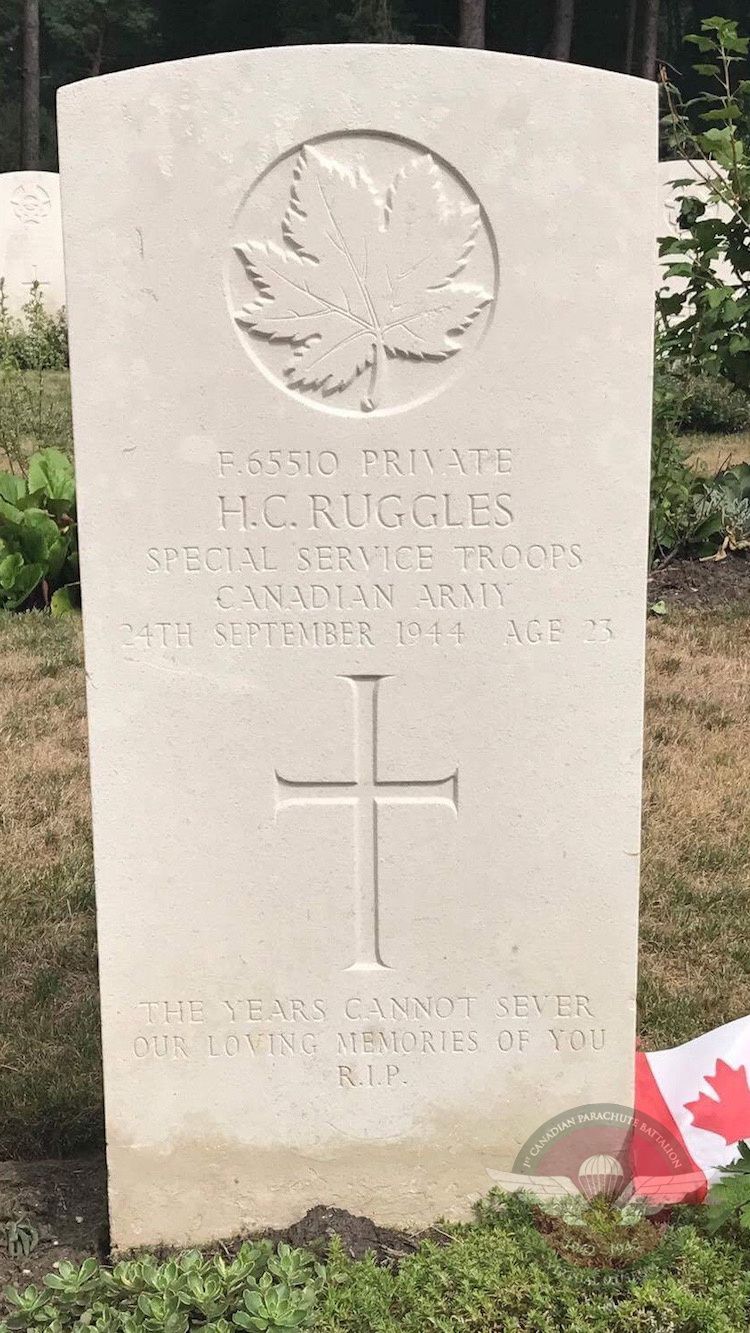
RUGGLES H.C.
Brookwood Military Cemetery
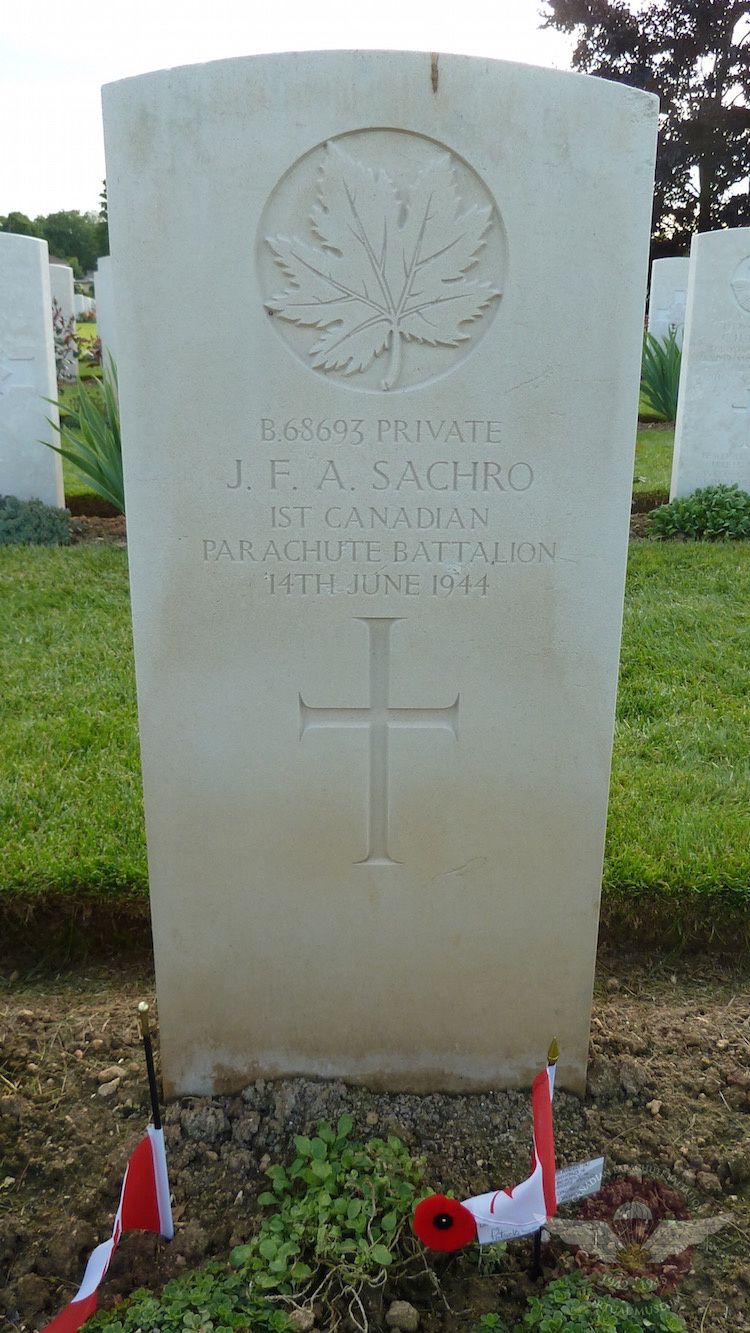
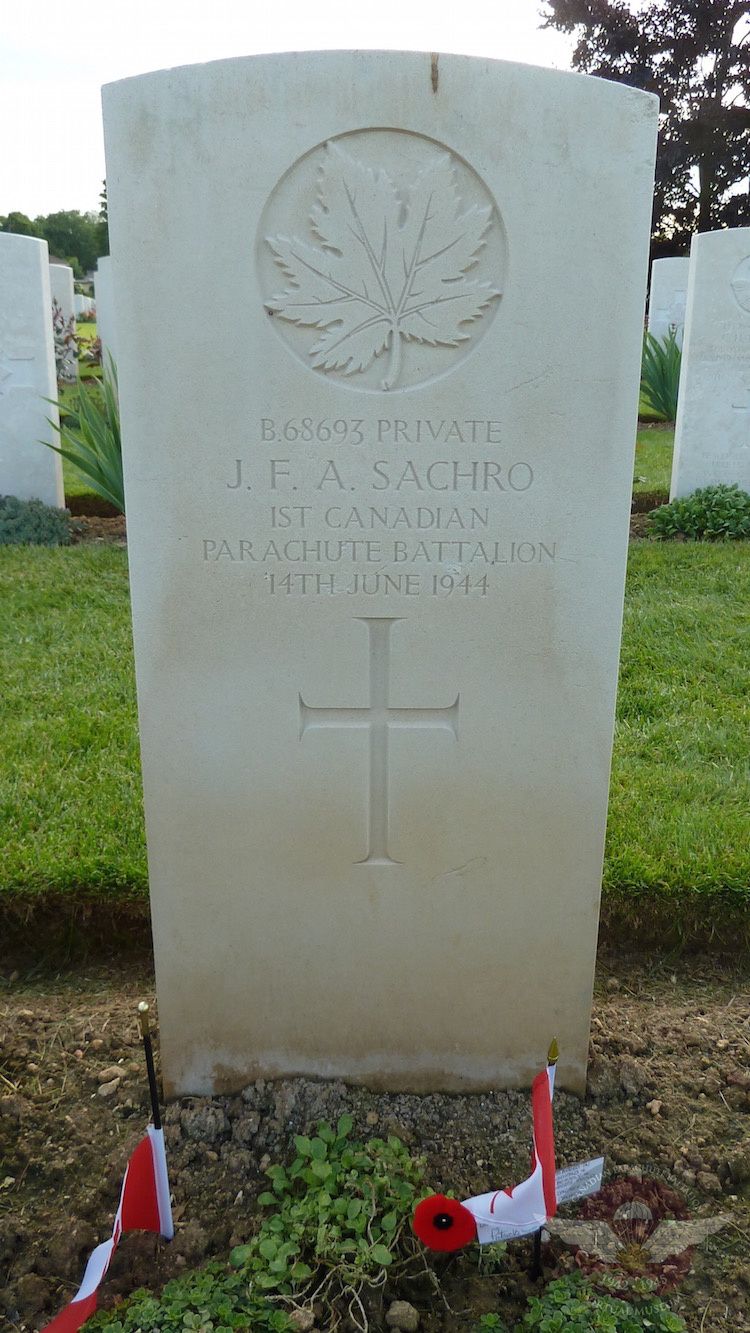
Sachro J.F.A.
Ranville War Cemetery
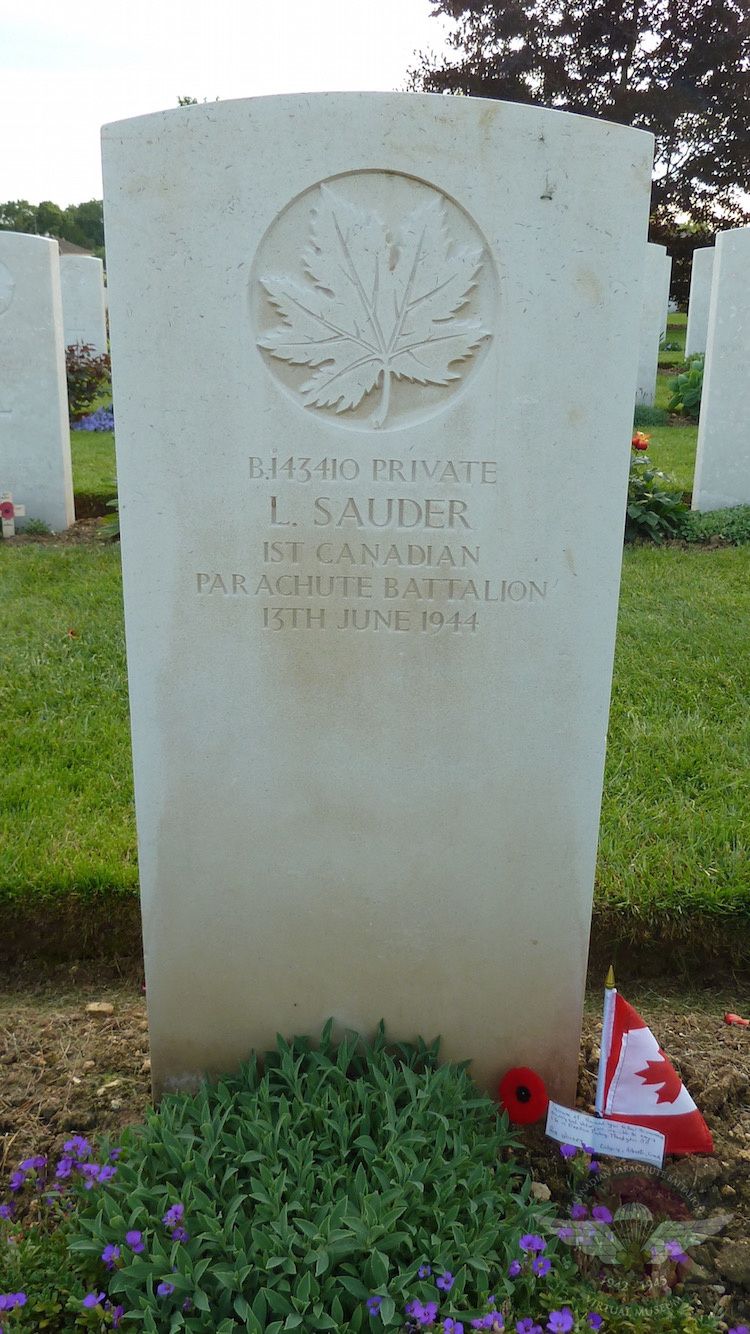
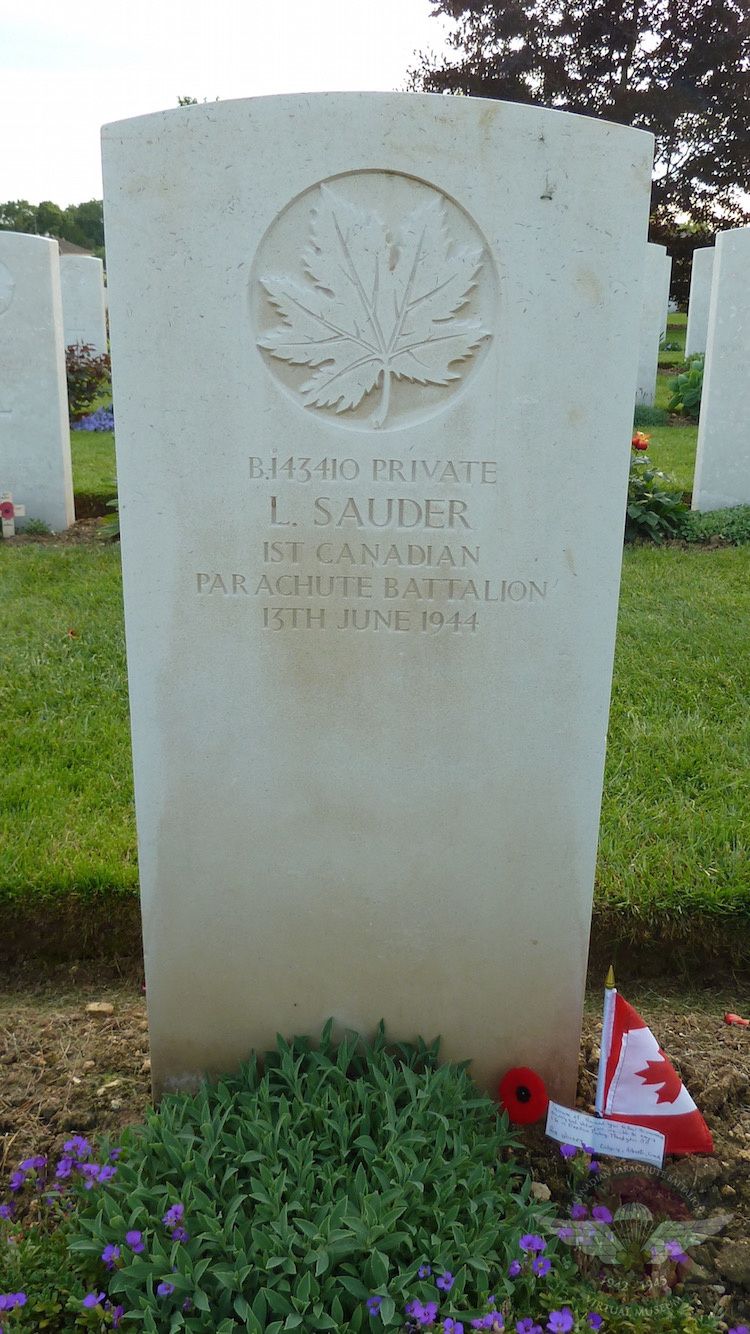
Sauder L.
Ranville War Cemetery
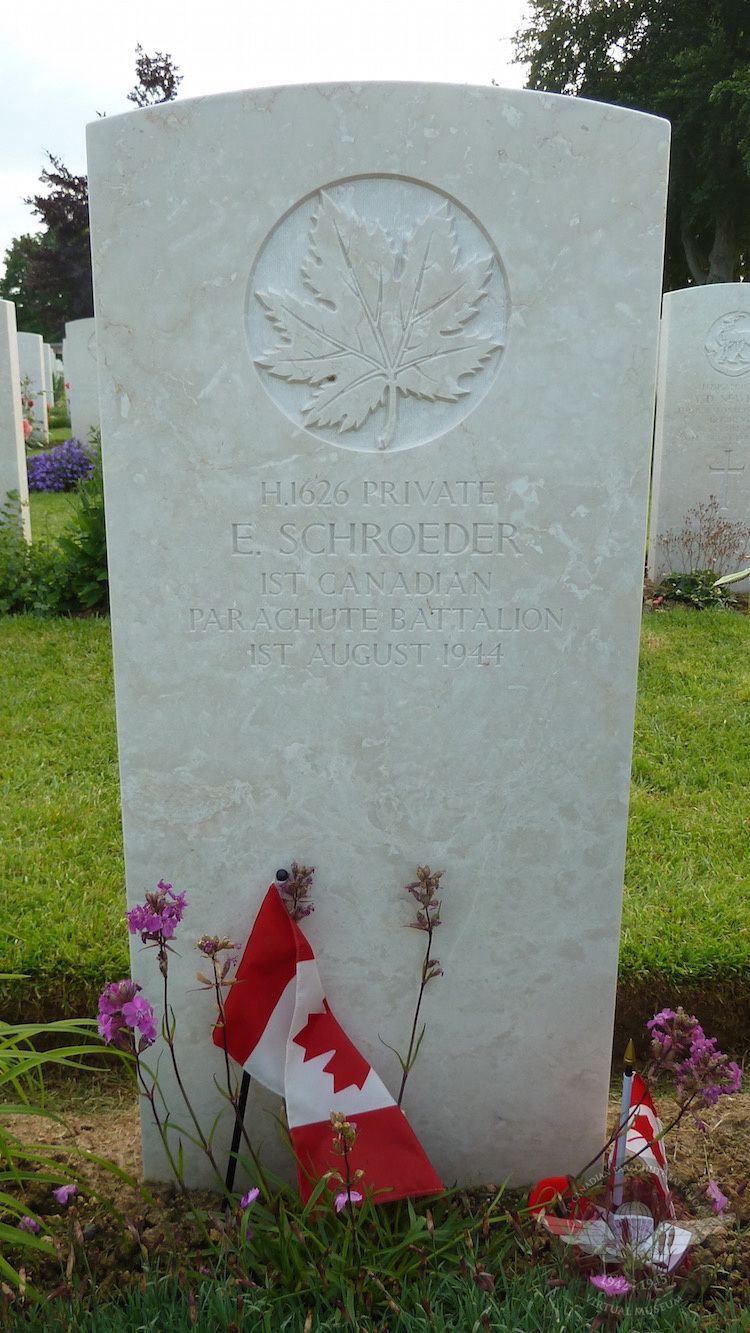
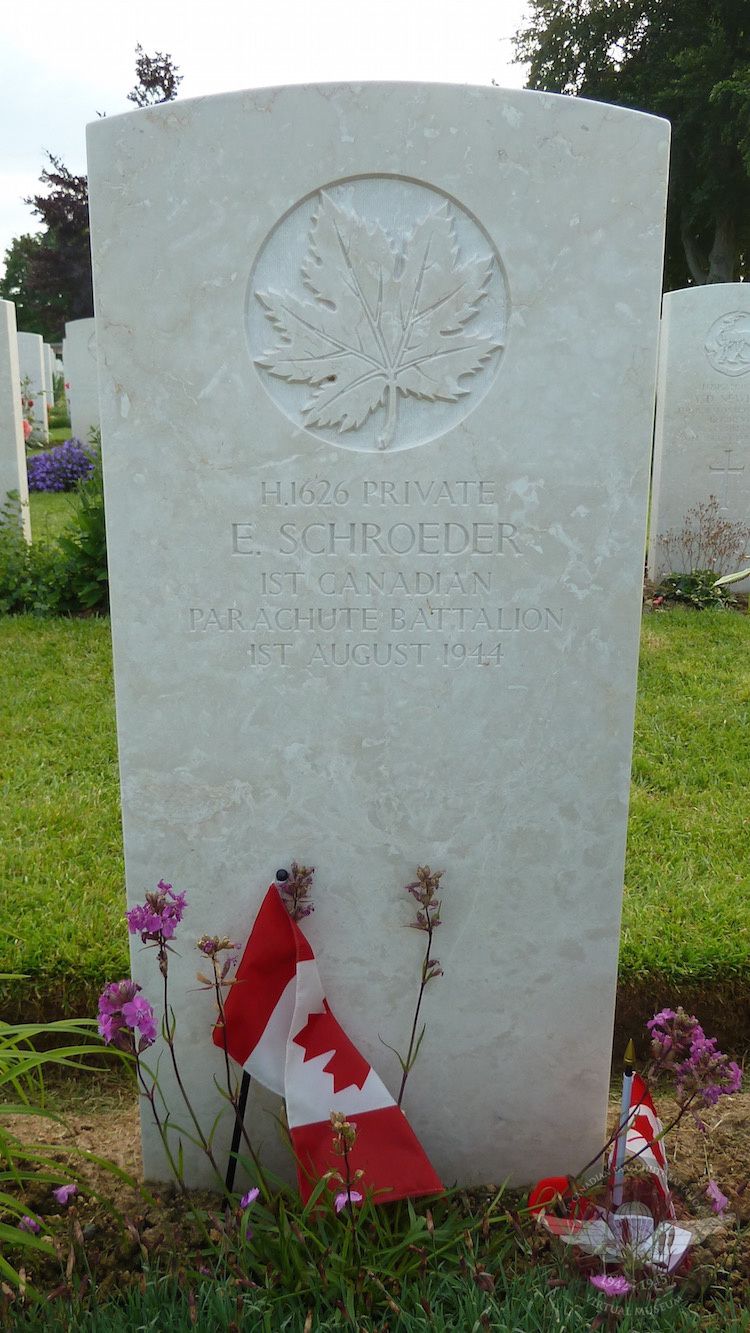
Schroeder E.
Ranville War Cemetery
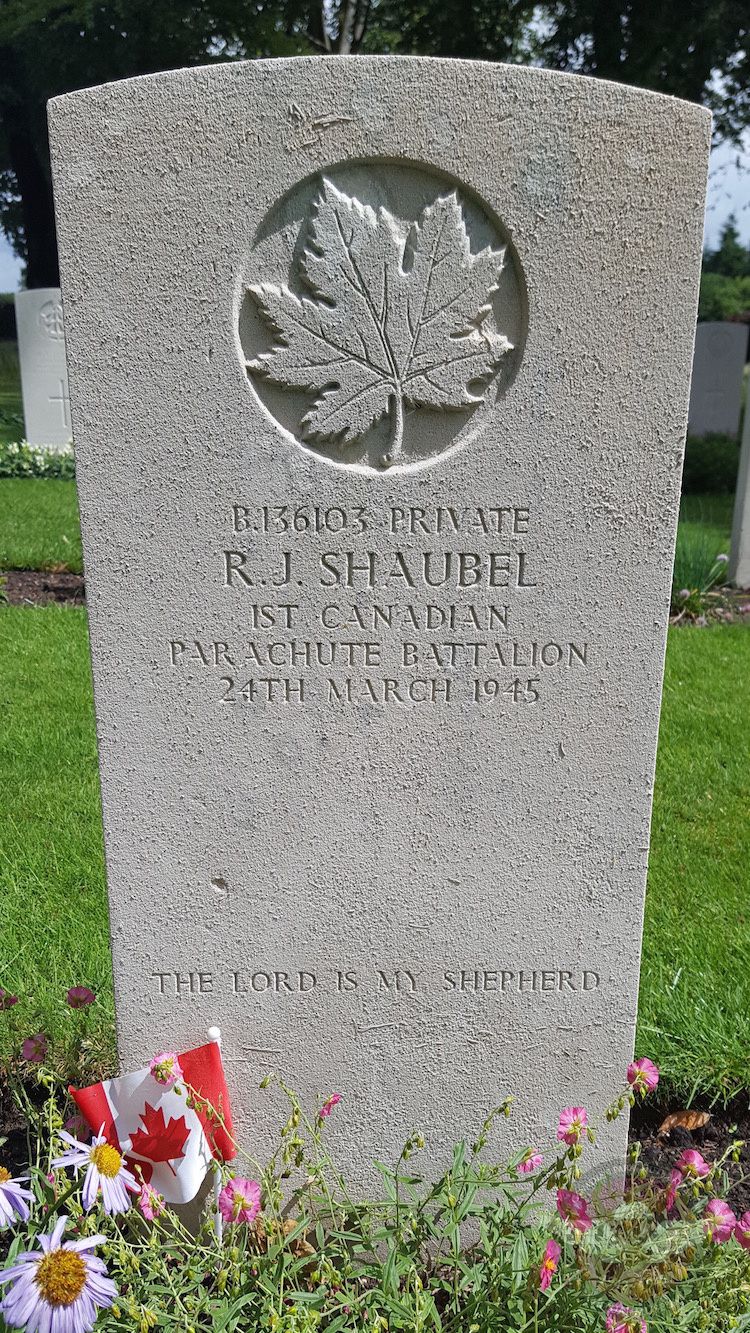
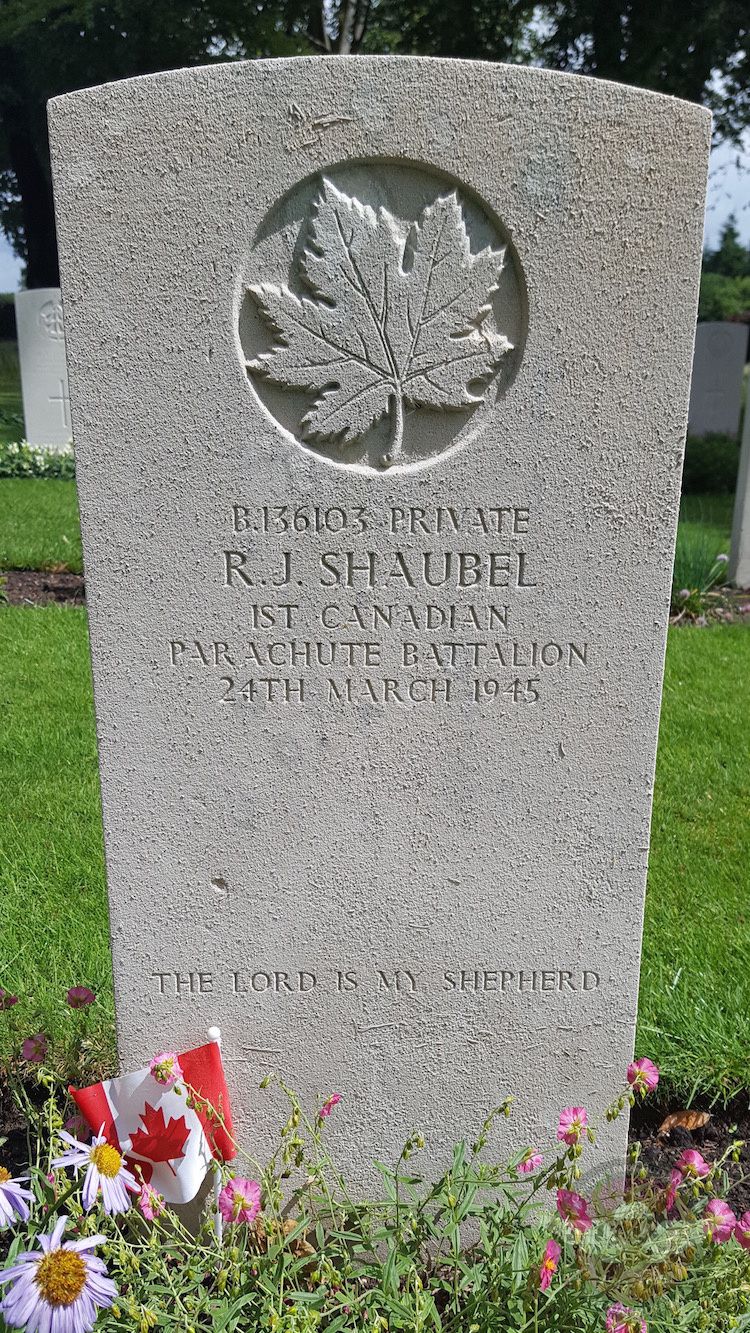
Shaubel R.J.
Groesbeek Canadian War Cemetery
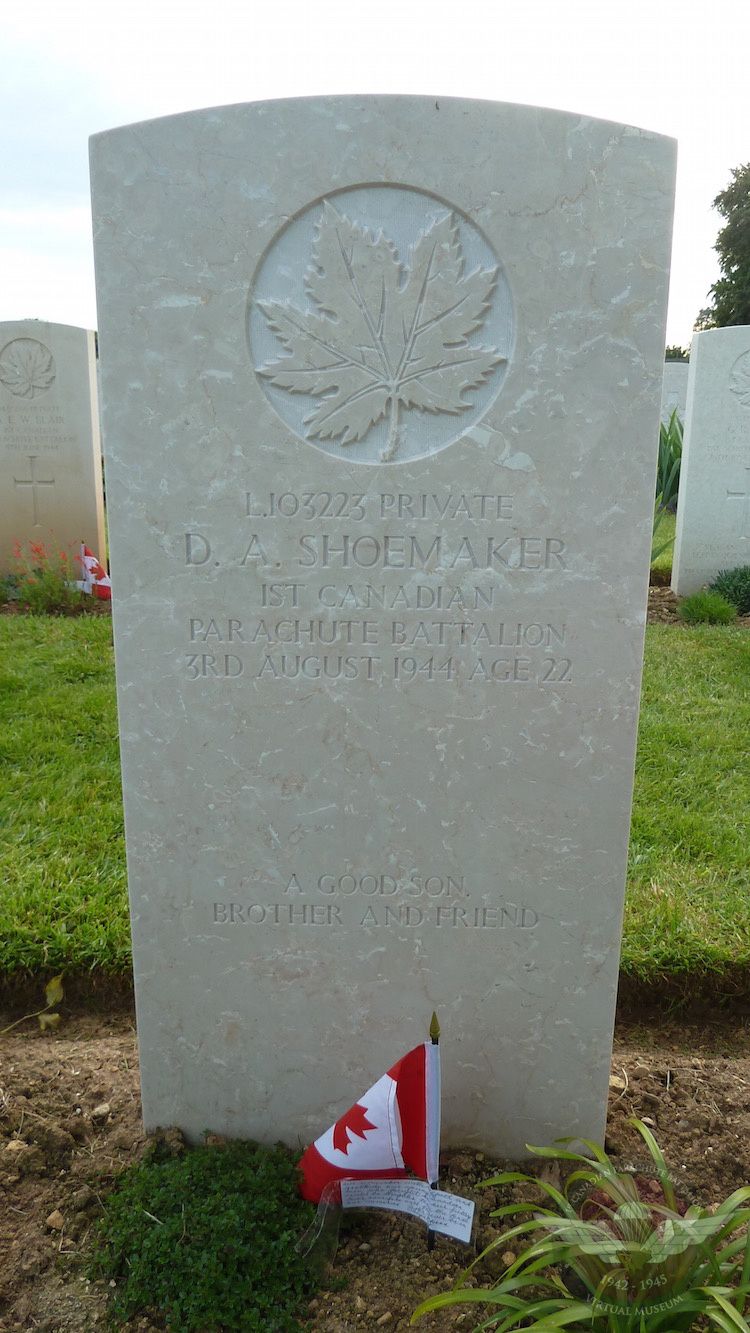
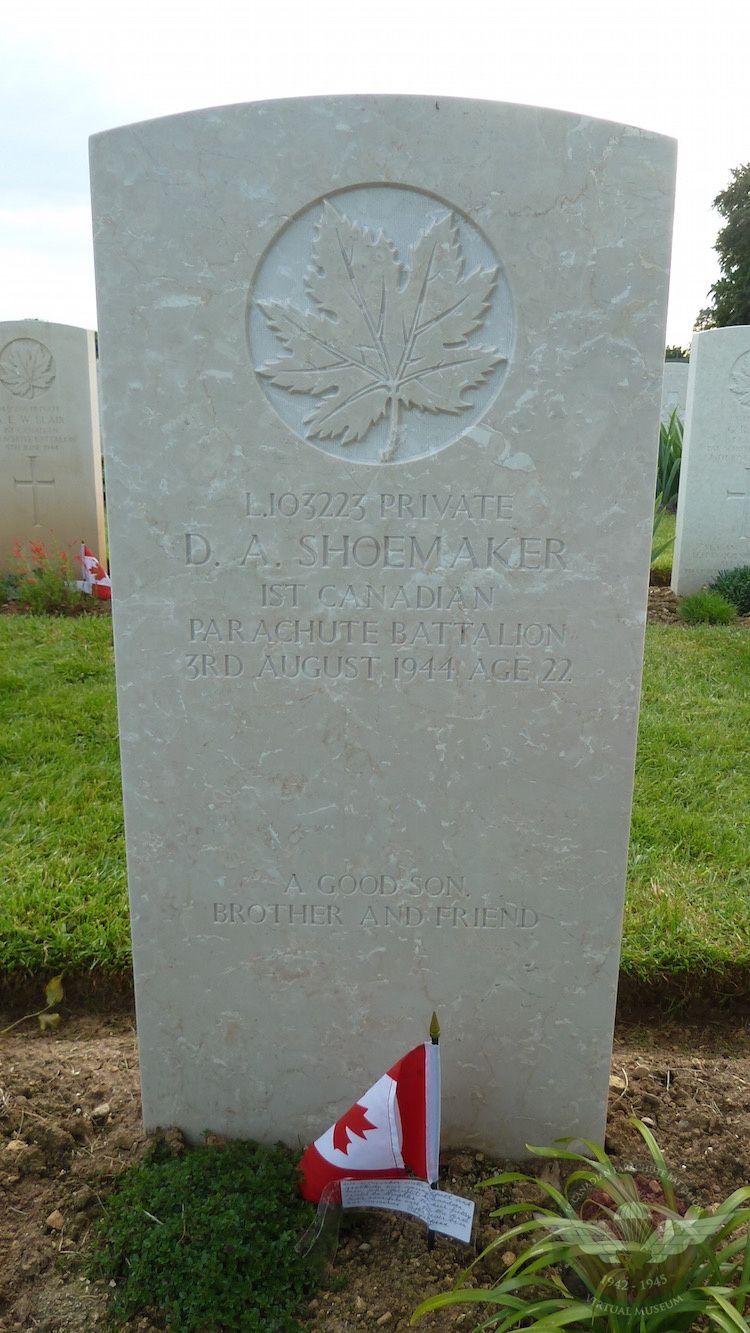
Shoemaker D.A.
Ranville War Cemetery
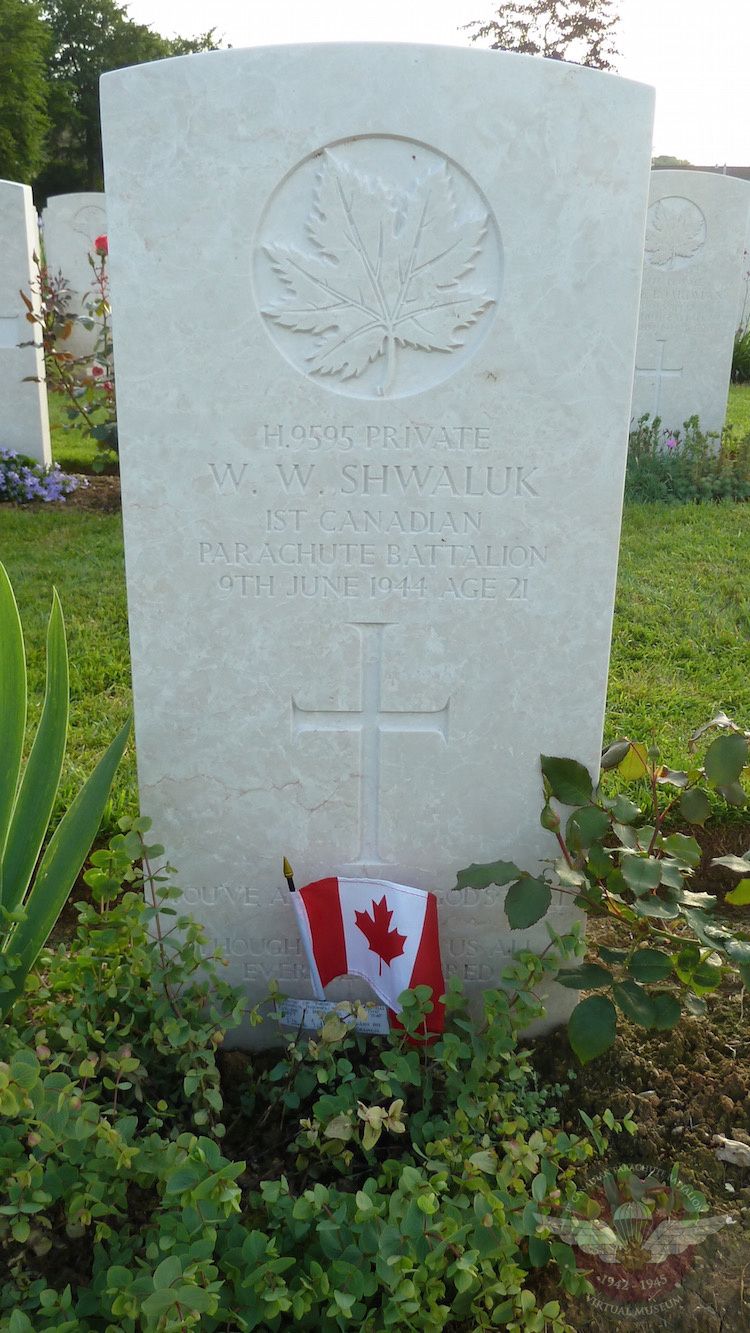
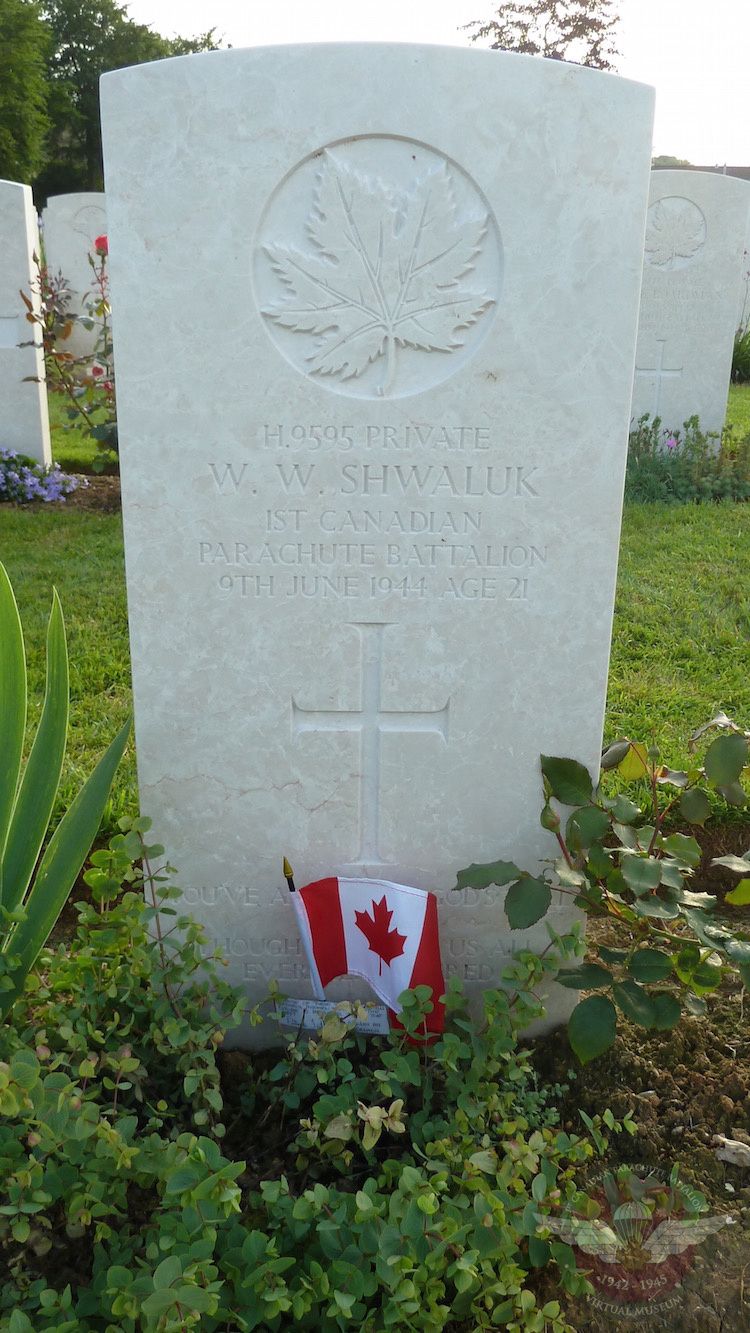
Shwaluk W.W.
Ranville War Cemetery
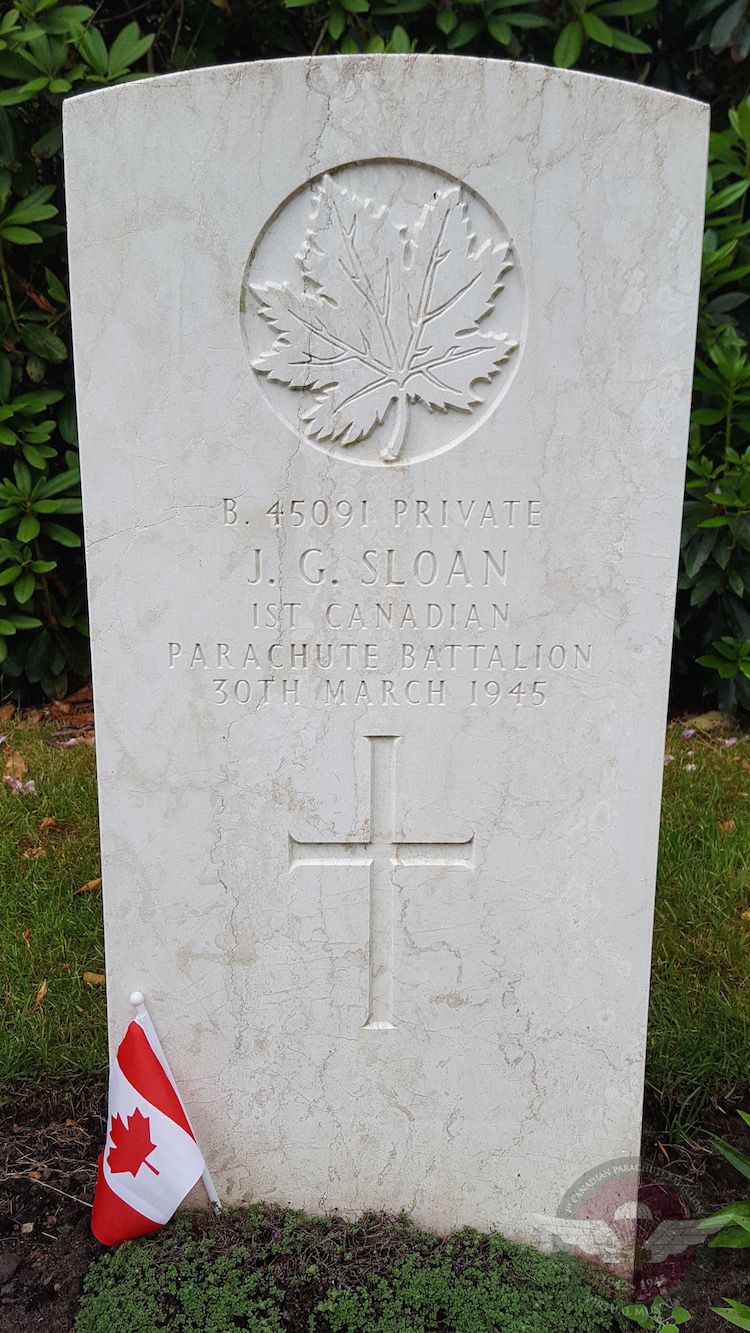
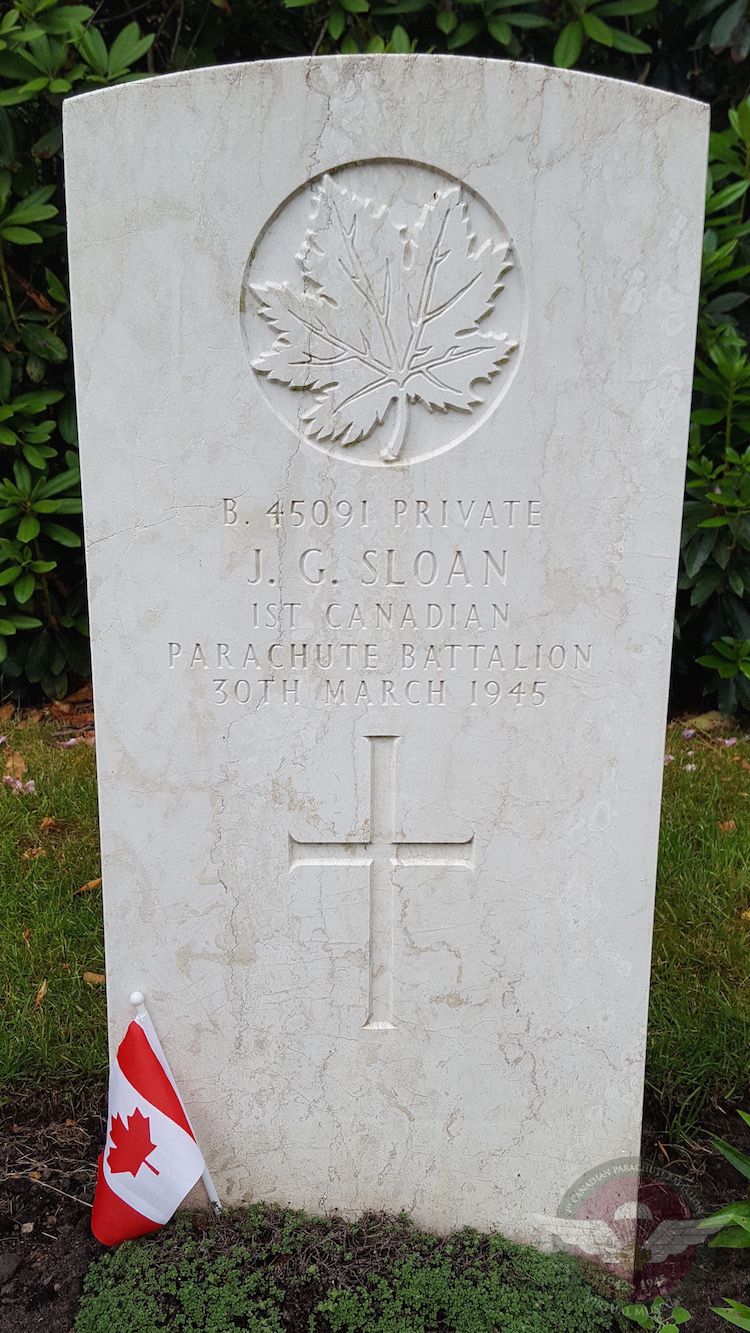
Sloan J.G.
Holten Canadian War Cemetery
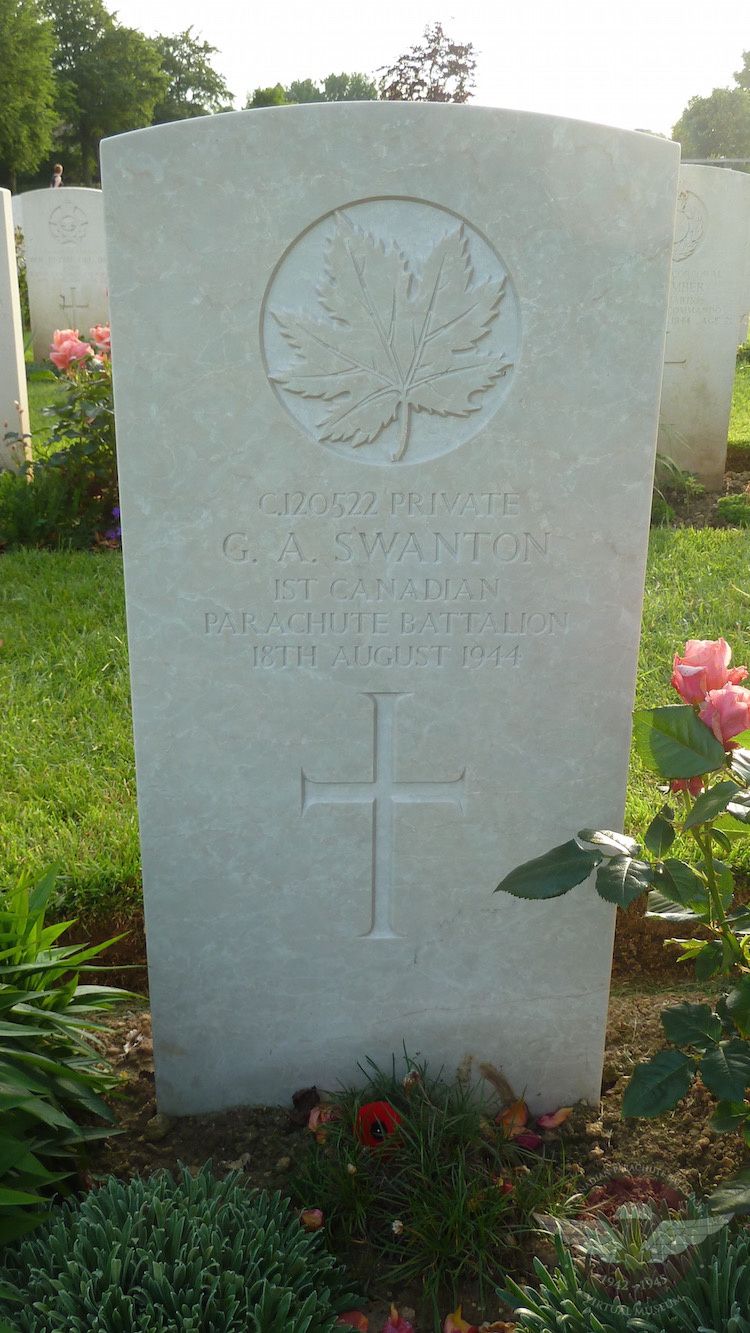
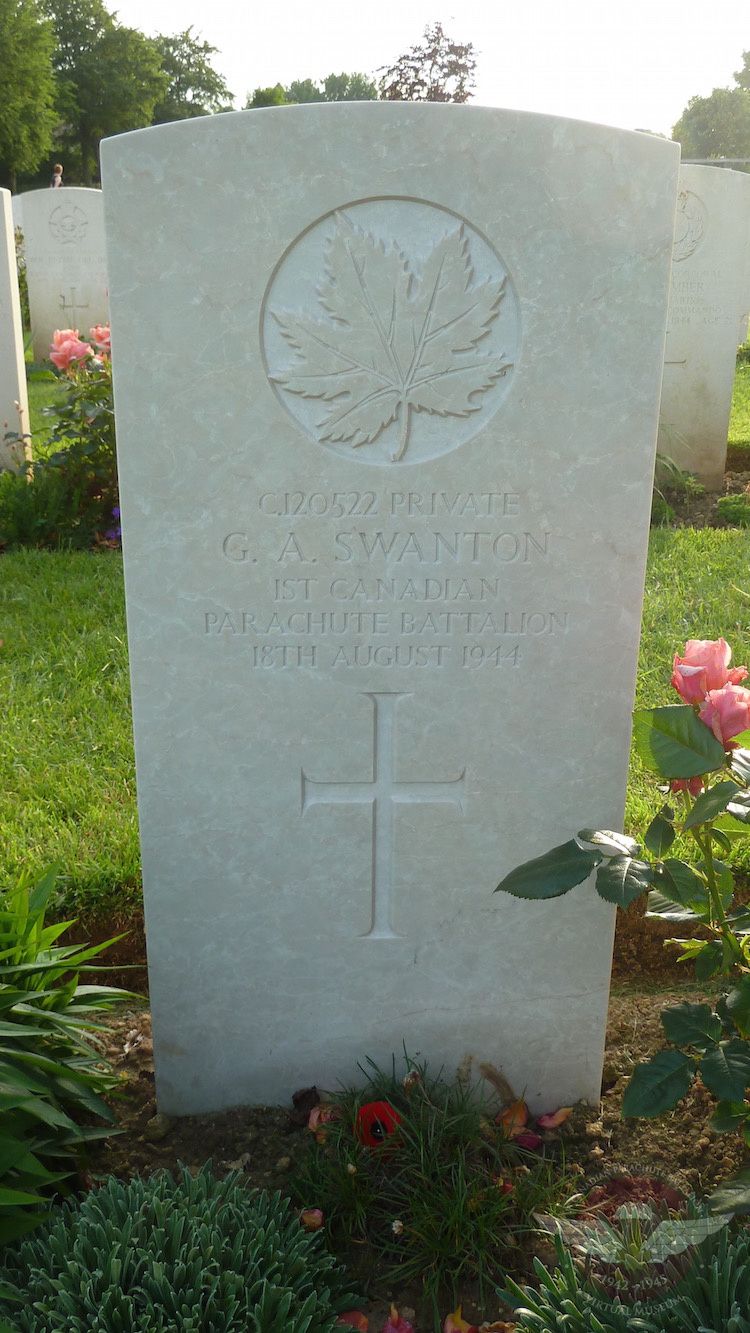
Swanton G.A.
Ranville War Cemetery
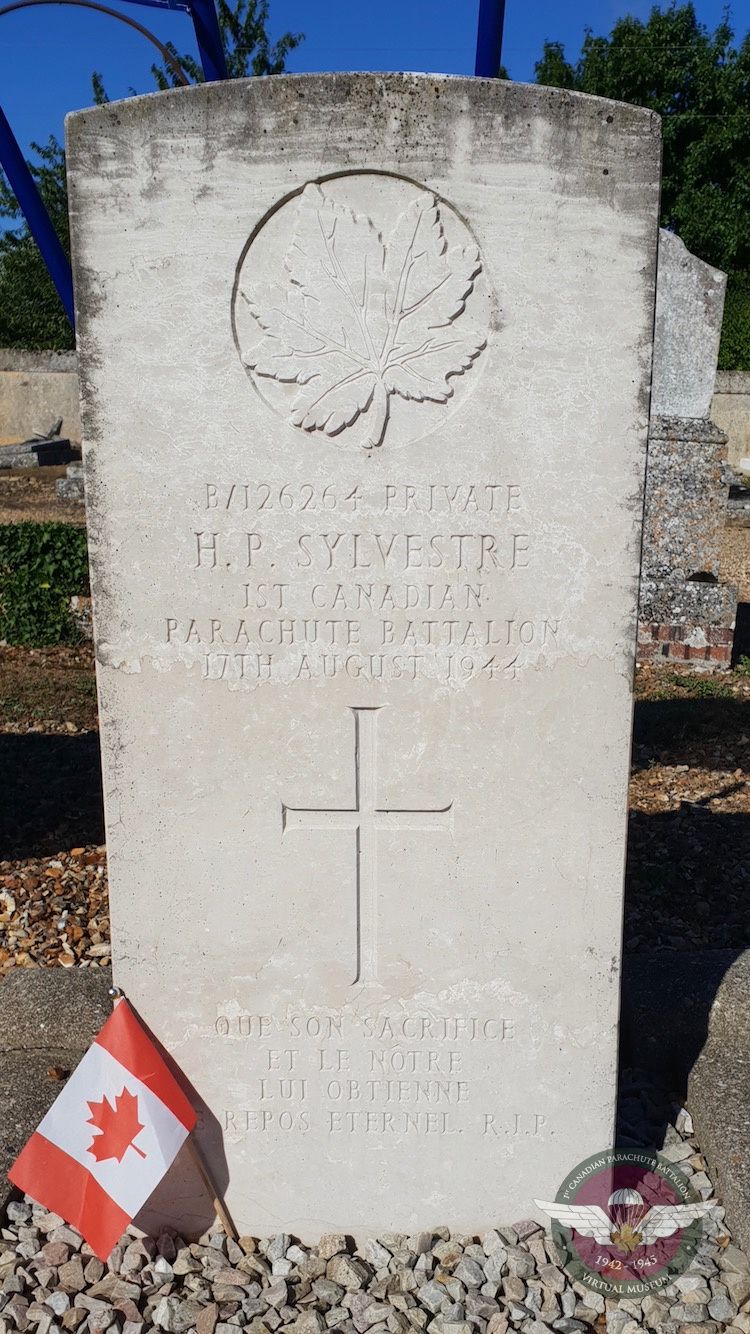
SYLVESTRE H.P
Verneuil-Sur-Avre Communal Cemetery
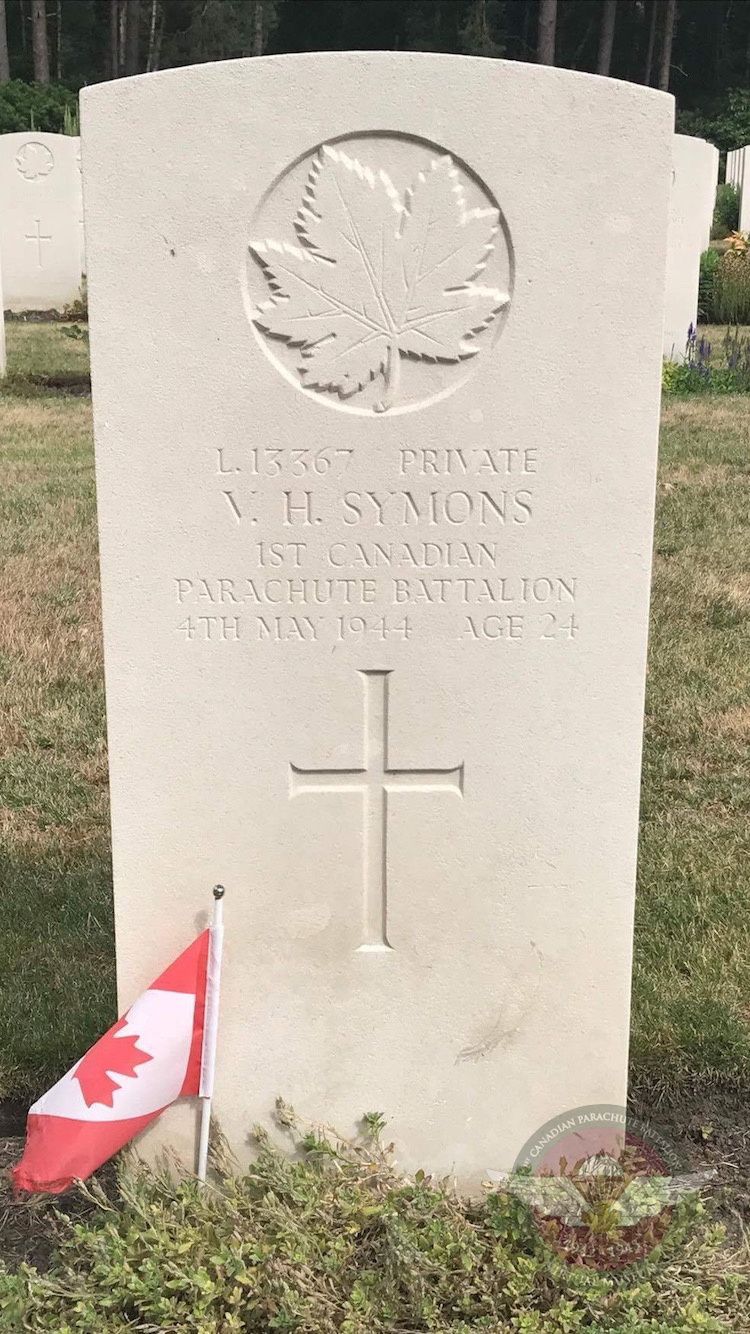
SYMONS V.H.
Brookwood Military Cemetery
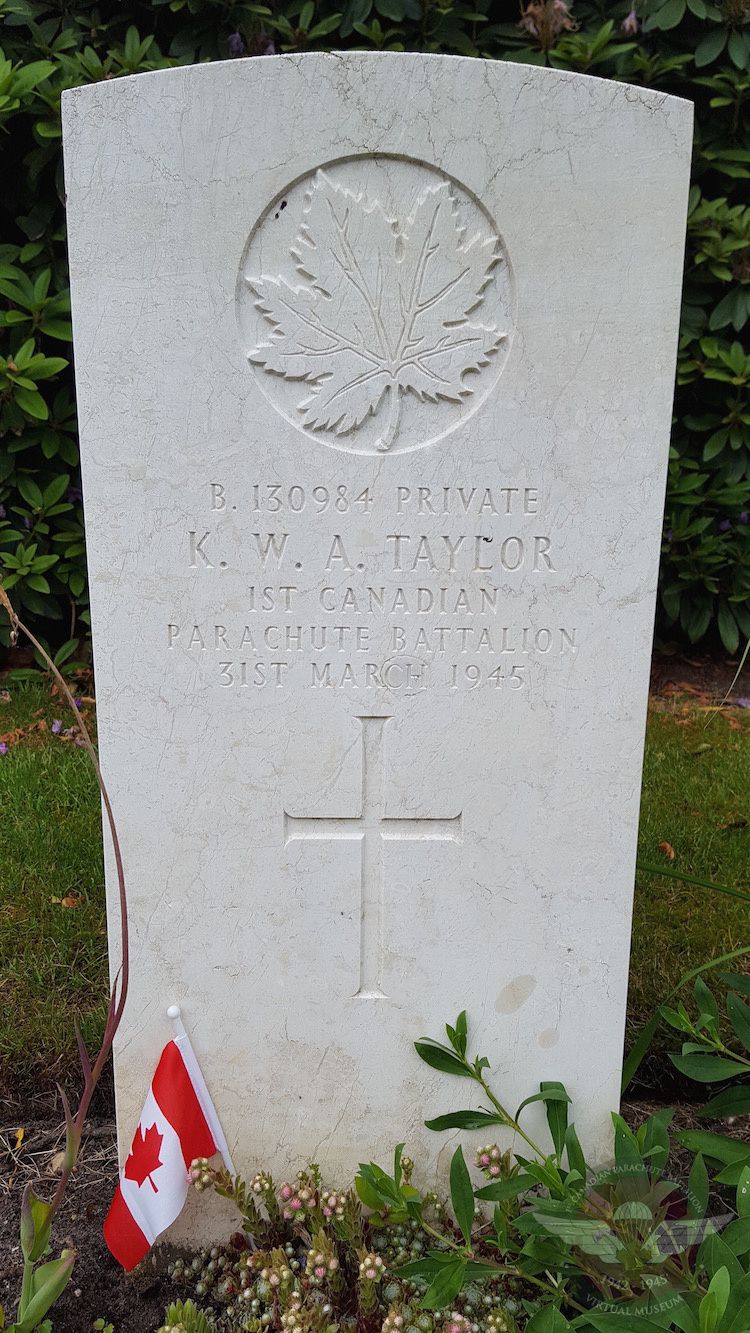
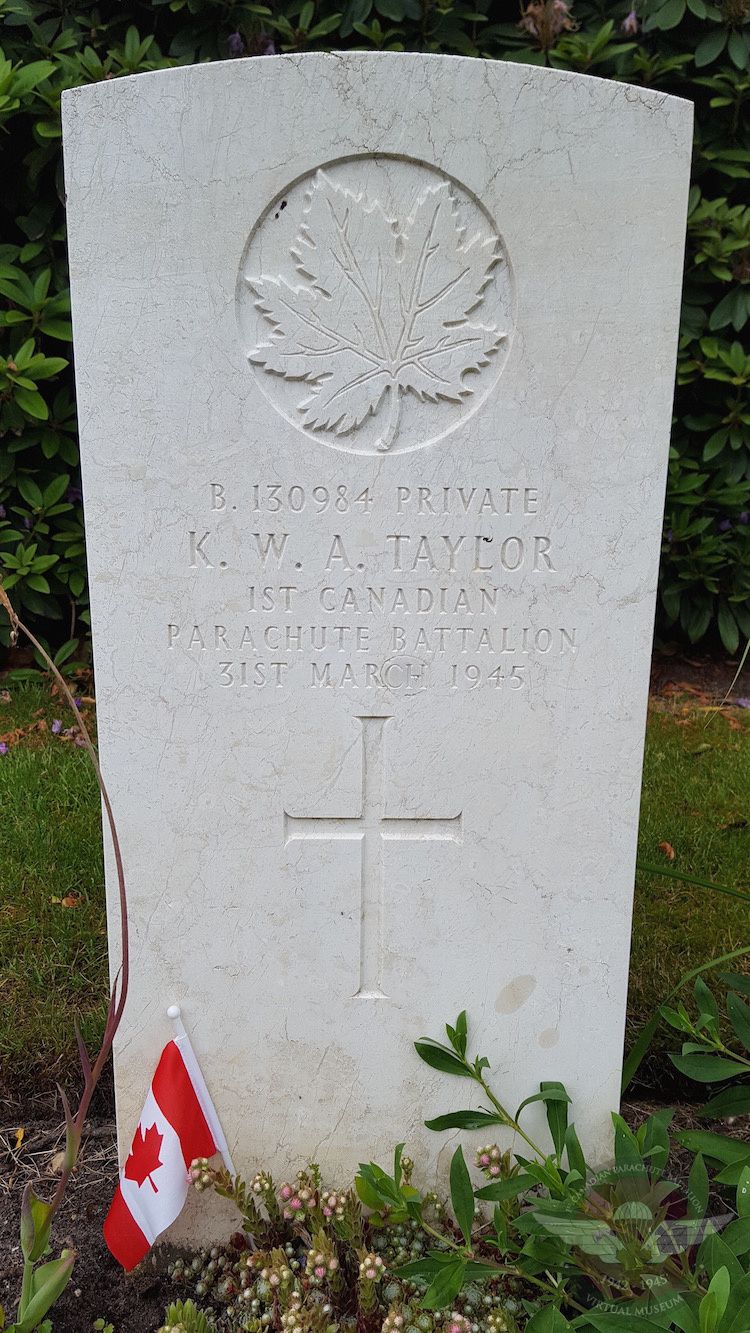
Taylor K.W.A
Holten Canadian War Cemetery
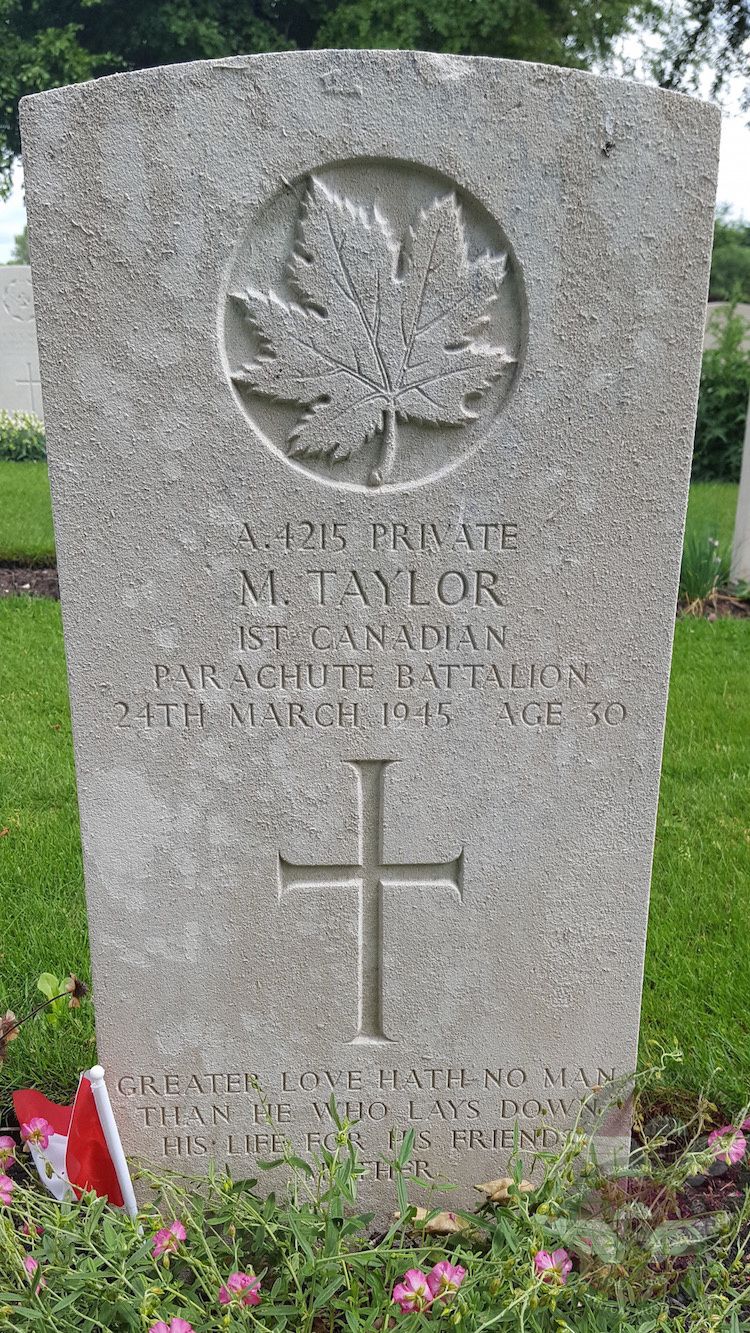
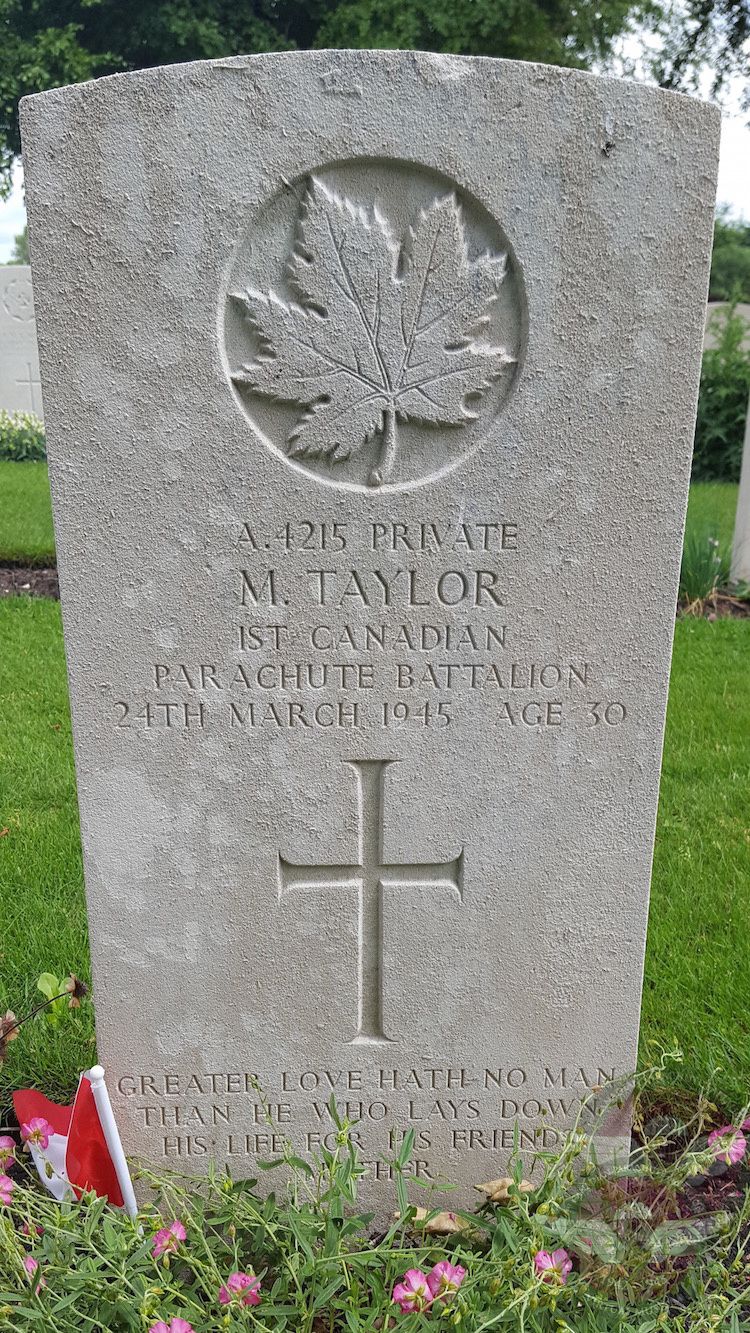
Taylor M.
Groesbeek Canadian War Cemetery
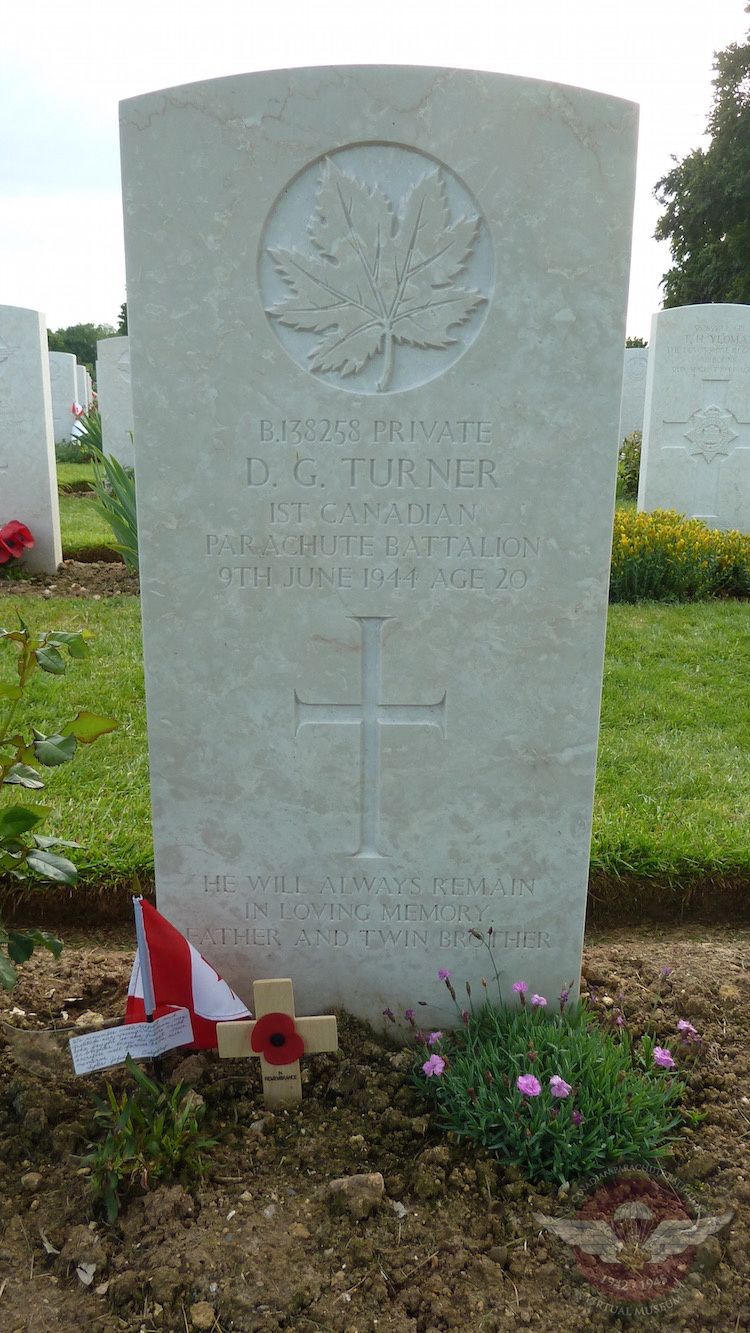
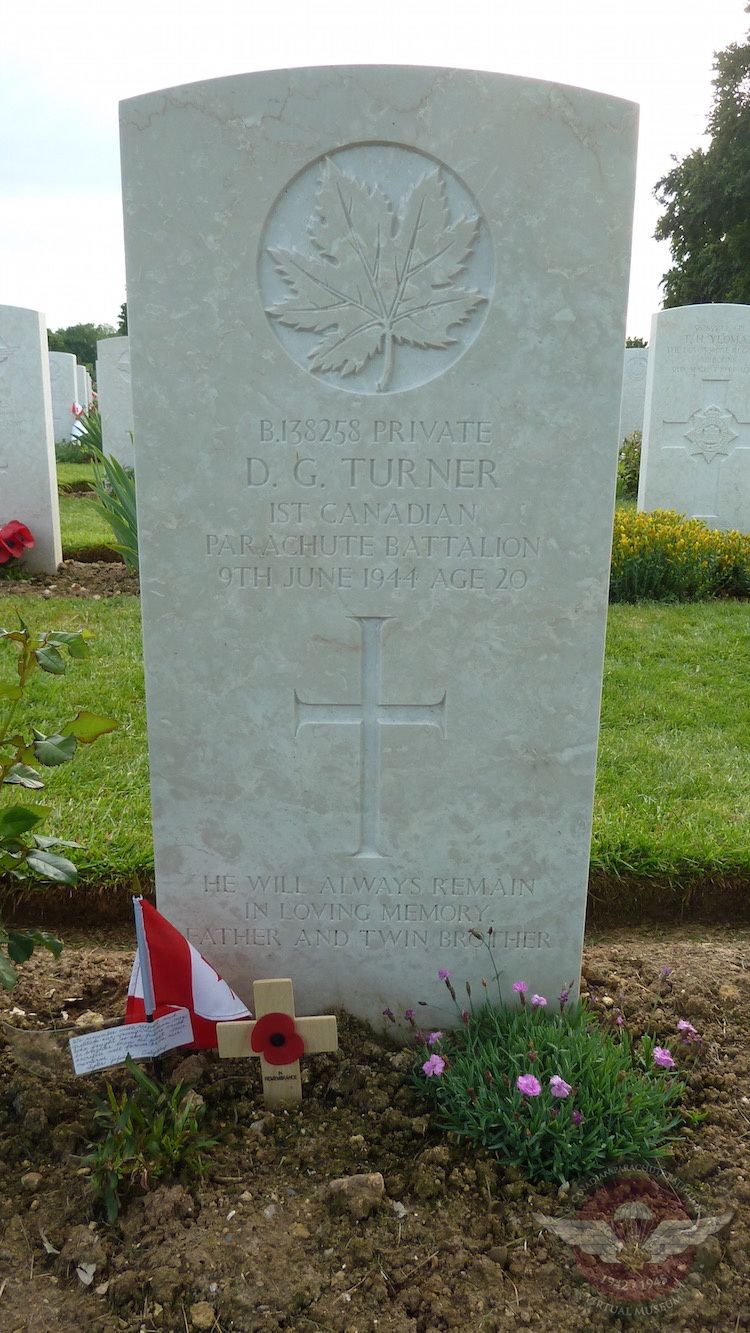
Turner D.G.
Ranville War Cemetery
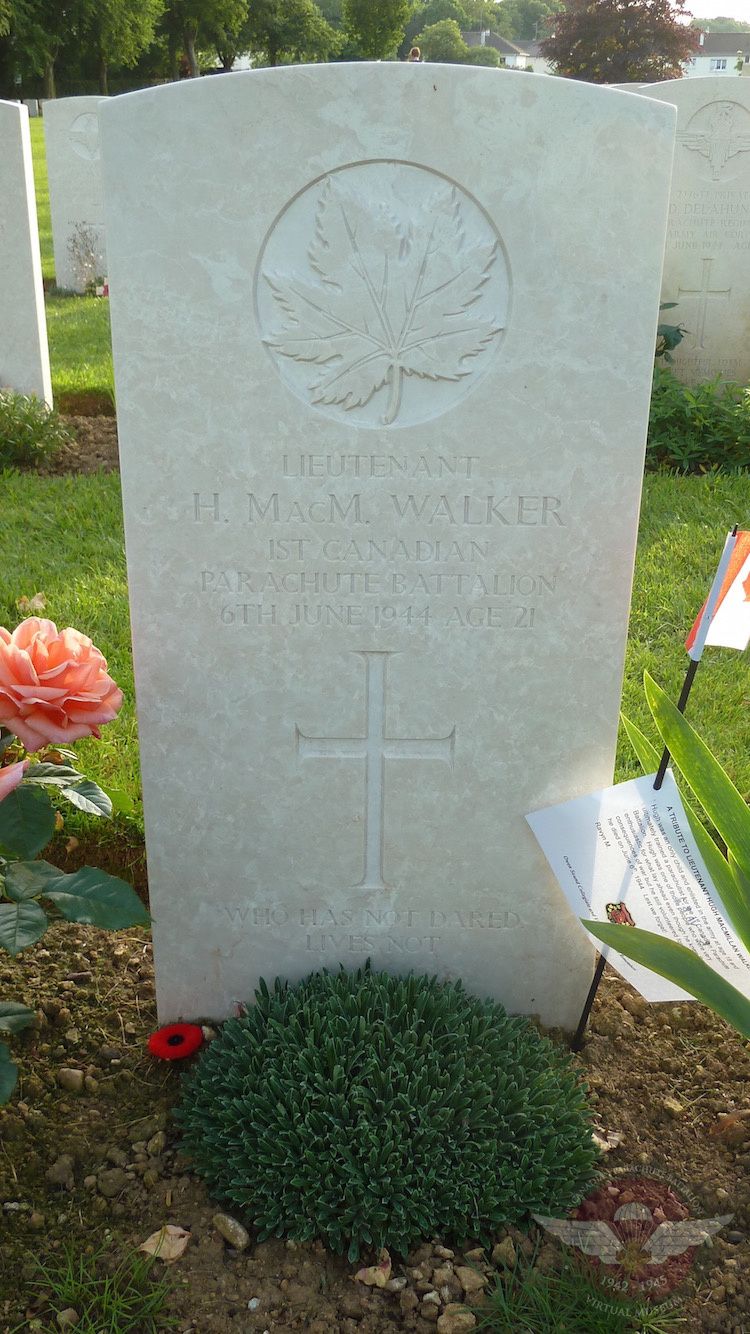
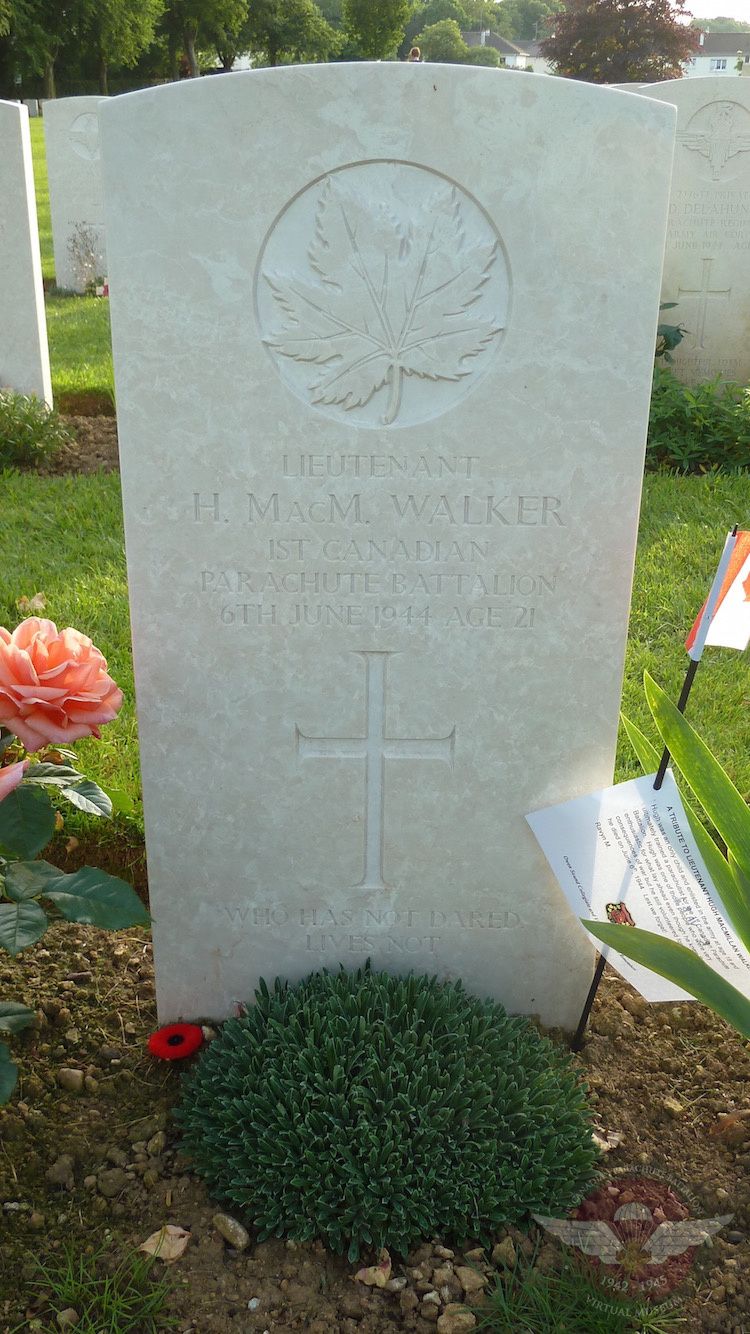
Walker H. MacM.
Ranville War Cemetery
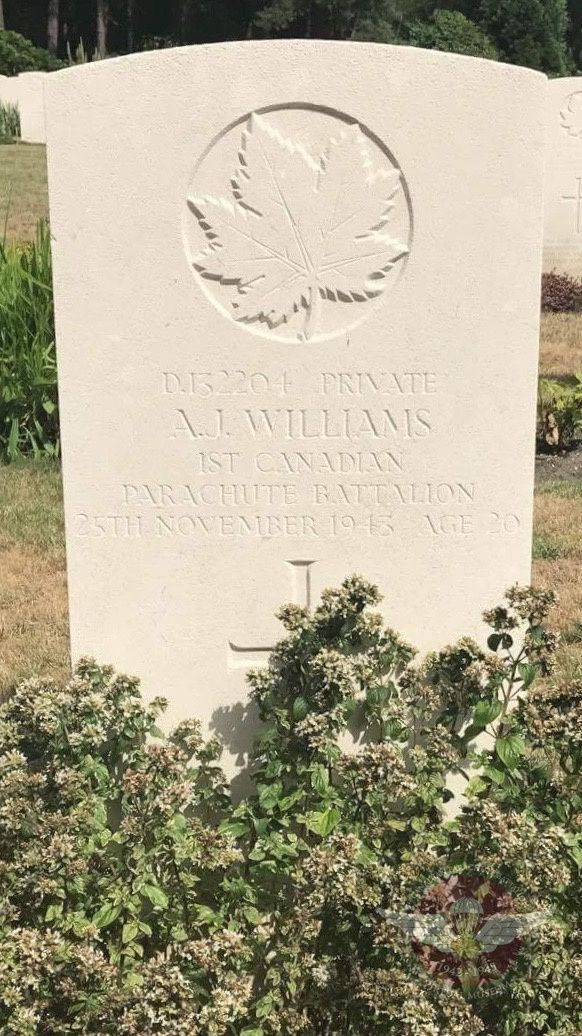
WILLIAMS A.J.
Brookwood Military Cemetery
WILSON I.G.
Bayeux Memorial
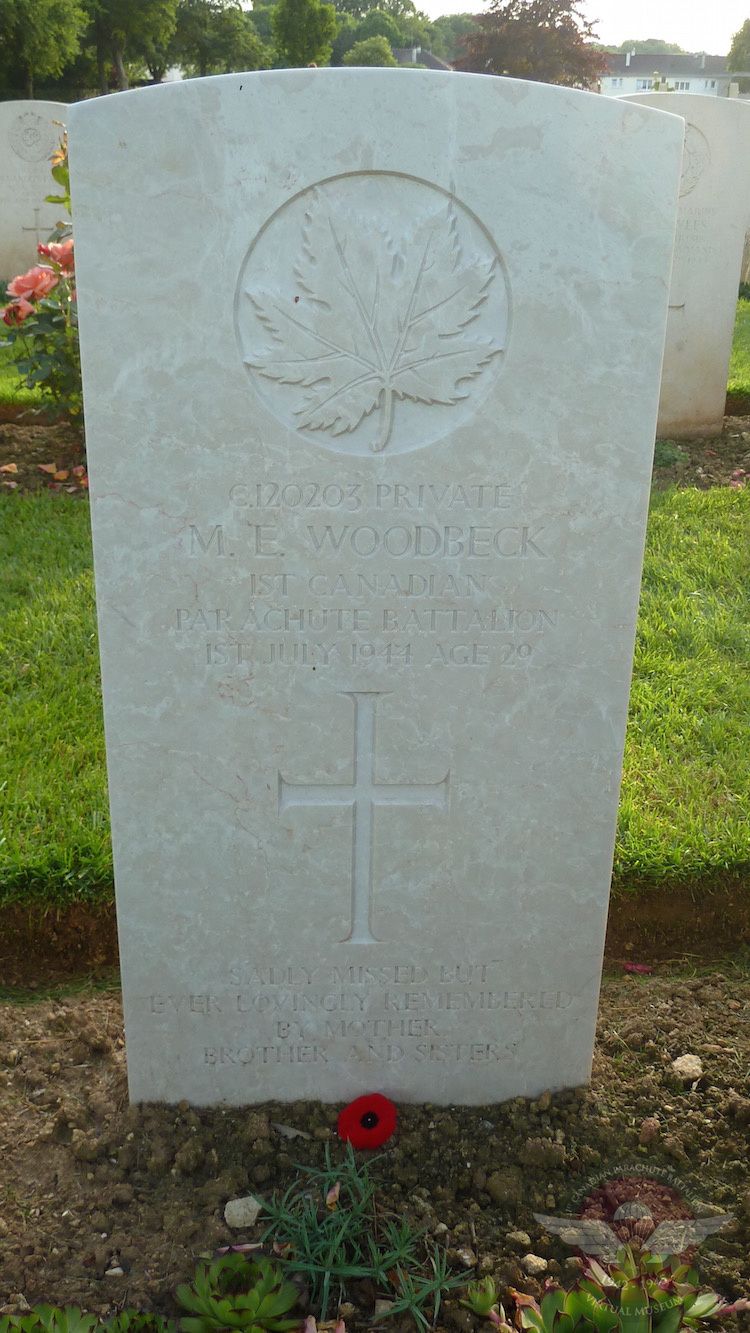
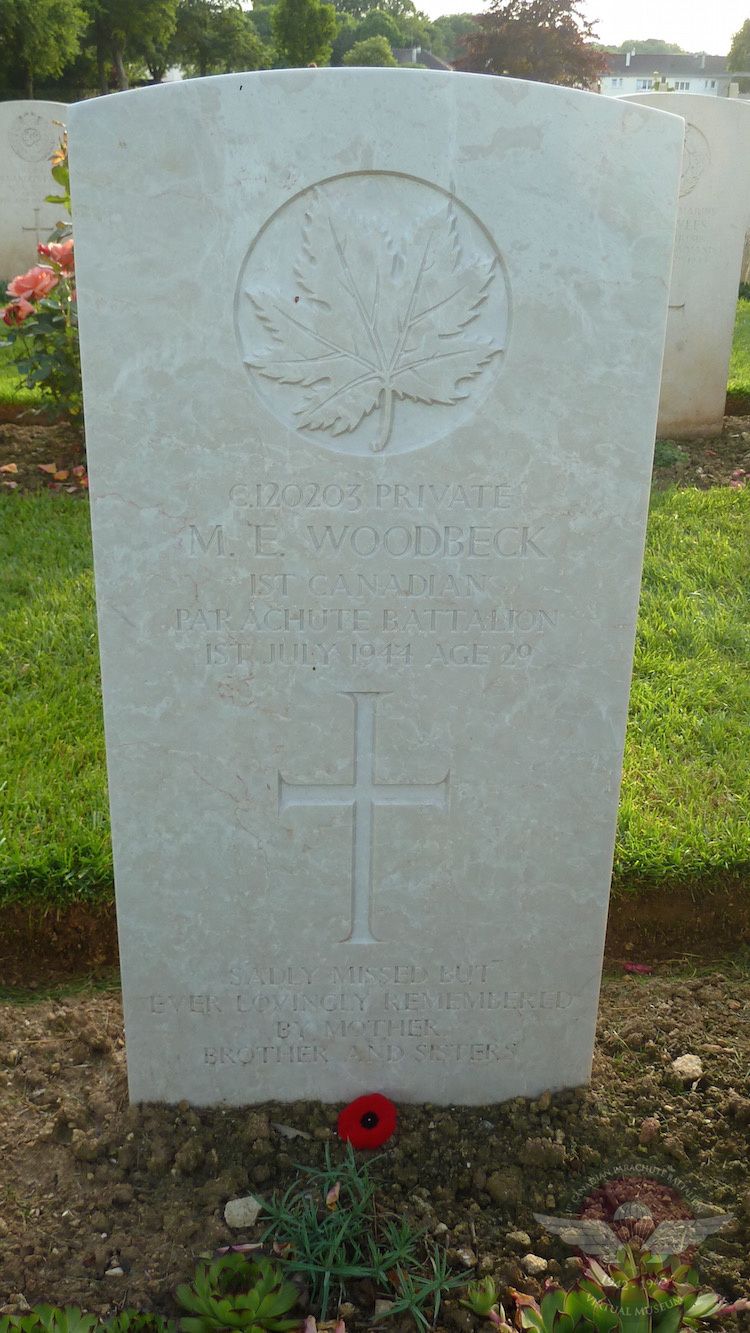
Woodbeck M.E.
Ranville War Cemetery
Notes
Thank you to the Commonwealth War Graves Commission. www.cwgc.org
Photographs courtesy of Joop de Lange, Laird Niven, Bob Janik, Michael Franczak and the webmaster.
Bibliography & Credits
Coming soon...
The 1CBBVM would not have been possible without the help of following people who were willing to share information and artifacts. If I have mistakenly overlooked someone, please don’t hesitate to contact me so I can make things right.
Credit
Photography – Sgt C. Wilson
Alcide (Sid) Carignan CD
Darrel (Bucky) Harris
Linda Harris
Margaret Harris
Konrad Gunzel
Wilfred & Beverly Deleroy
Maria Wilson
Joanne DeVries
Ken Joyce
Laurette Hilborn
Michael Hilborn
XX Hilborn
Sources
Wikipedia. Wikimedia Foundation, n.d. Web. 29 Dec. 2015.
John A. Willes, Out of the Clouds: The History of the 1st Canadian Parachute Battalion, 1995.
Dan Hartigan, A Rising of Courage: Canada's Paratroops in the Liberation of Normandy, Calgary, Drop Zone Publishers, 2000.
Bernd Horn & Michael Wyczynski, Tip of the Spear: An Intimate Account of 1 Canadian Parachute Battalion, Dundurn Press 2002.
Gary Boegel, Boys of the Clouds: An Oral History of the 1st Canadian Parachute Battalion 1942–45, Trafford, 2005
- Eagle Sgt. "Allied Airborne Headquarters - CANADIAN AIRBORNE". homeusers.brutele.be. Retrieved 2014-07-28.
- ^ a b c d Horn, Bernd. Bastard Sons, and Examination of Canada's Airborne Experience 1942–1995. Vanwell Publishing Limited, 2001
- ^ a b c d Horn, Bernd. (1999). A Question of Relevance. Canadian Military History. 8, 27–38.
- ^ a b c d e f g h i j k l m n o p q r s t u v w x y "89fss".
- ^ a b c d e f g h i j k l m n "junobeach".
- ^ a b c d e Horn, Bernd; Wyczynski, Michel Paras Versus the Reich: Canada's Paratroopers at War, 1942–45. Dundurn publishing, 2003
- Celinscak, Mark (2015). Distance from the Belsen Heap: Allied Forces and the Liberation of a Concentration Camp. Toronto: University of Toronto Press.
ISBN
9781442615700.
- London Gazette, 3 August 1945
- 9 Archived Citation from VictoriaCross.org
ABOUT THIS PROJECT
Welcome to the 1st Canadian Parachute Battalion Virtual Museum. This site has been created to preserve the memory of the brave men who were the Airborne pioneers of Canada. My goal is to reach people from around the world so they can learn a little more about Canadian military history. You can view the site in 100 languages and visit as often as you like for FREE. This project is fully funded by the writer, therefore I am always in search of additional content to continue adding new exhibits and expanding existing ones with artifacts and information. A special Thank You, to the families who have provided additional information about their loved ones.
There are many significant dates throughout the year that will appear on the main page annually, such as major Operations, members killed in action, Indigenous Heritage Month, Black History Month, Asian Heritage Month, and Mental Health Week, so please visit again to view them. Turn on your speakers when visiting the ‘IN MEMORY’ gallery and listen to the Last Post playing. You can also listen to the wartime classic, Moonlight Serenade by Glenn Miller and his Orchestra while visiting the 'ROMANCE AND JEWELRY' gallery. If you feel confident with your knowledge about the Battalion, then take the fun quiz and see how you score.
Imagine immigrating to another country in search of a new beginning with great opportunities only to be called upon to join the military to fight a war. Many of these fine men fulfilled such a request, they put their dreams and aspirations on hold and placed their lives on the line to serve under the flag of Canada, and many would never return home. If you have taken the time to read a soldier’s biography or visit a grave, then you have kept their memory alive. I hope you enjoy your visit and will take a moment to leave a comment and tell a friend.
Sincerely,
Coogan Wilson
Sergeant
The Royal Hamilton Light Infantry
AIRBORNE!